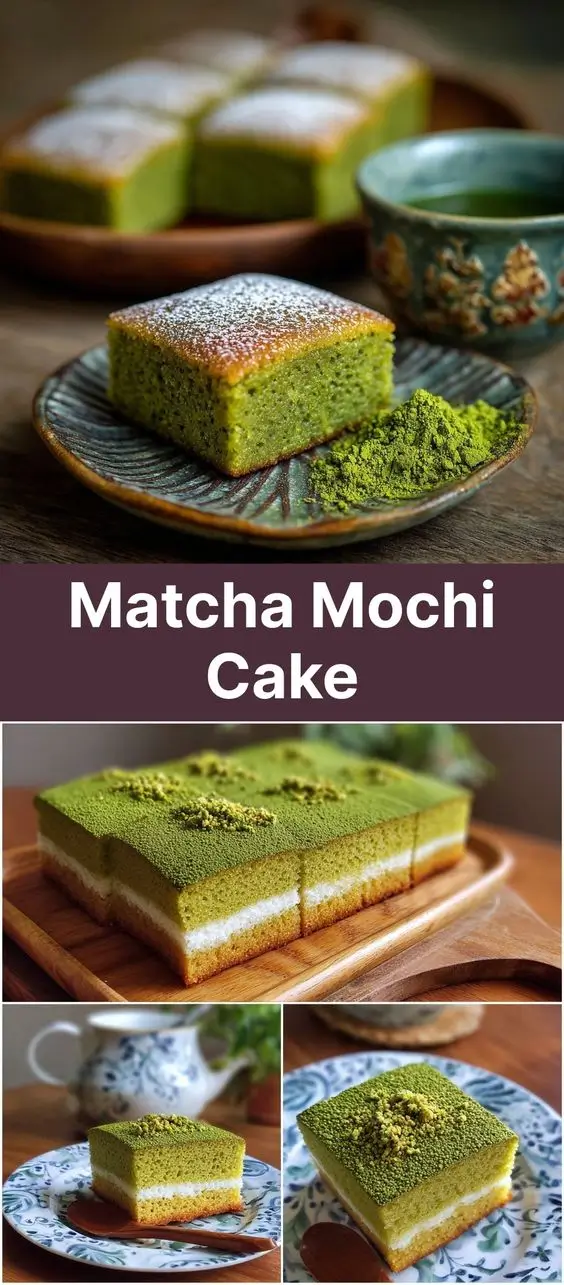
Matcha Mochi Cake: A Soft, Chewy, and Earthy Delight
The Matcha Mochi Cake is a modern fusion dessert that brings together the traditional chewiness of Japanese mochi with the delicate, earthy flavor of premium matcha green tea. This cake has gained immense popularity across Asia and in Western countries alike due to its unique texture—soft, springy, and slightly sticky—and its vibrant green hue that immediately captures attention. Unlike conventional cakes that rely on flour for structure, this dessert uses glutinous rice flour (also known as mochiko) to achieve its signature bouncy consistency. The addition of matcha not only enhances the flavor but also offers antioxidant benefits, making it a favorite among health-conscious dessert lovers.
The History of Matcha Mochi Cake
To understand the origins of the Matcha Mochi Cake, we must trace back two key components: mochi and matcha. Mochi, a staple in Japanese cuisine, dates back over a thousand years. Traditionally made by pounding steamed glutinous rice into a smooth, elastic mass, mochi was originally offered during religious ceremonies and seasonal festivals such as New Year’s celebrations. Its name comes from the Japanese word “mochitsuki,” which refers to the ritualistic pounding process.
Matcha, on the other hand, has its roots in Zen Buddhist practices introduced to Japan from China in the 12th century. Monks used powdered green tea for meditation rituals due to its calming yet alerting effects. Over time, matcha became central to the Japanese tea ceremony, embodying harmony, respect, purity, and tranquility.
The marriage of matcha and mochi began centuries ago with wagashi—traditional Japanese confections often served alongside tea. One popular example is “warabi mochi,” dusted with roasted soybean flour and sometimes flavored with matcha. However, the modern concept of a baked or steamed cake combining both elements emerged more recently, influenced by global culinary trends and the rise of fusion desserts in the late 20th century.
Today’s Matcha Mochi Cake reflects a blend of tradition and innovation. While purists may argue that true mochi should be pounded by hand, modern home bakers have embraced simplified recipes using readily available ingredients like mochiko flour and microwave or oven baking methods. This evolution has democratized access to this once labor-intensive treat, allowing anyone with a bowl and a steamer—or even just a microwave—to enjoy a taste of Japan at home.
Ingredients Breakdown: What Makes It Special?
The magic of Matcha Mochi Cake lies in its minimalist yet carefully selected ingredients. Each component plays a crucial role in achieving the perfect balance of flavor, texture, and appearance.
- Glutinous Rice Flour (Mochiko): Also known as sweet rice flour, this is the backbone of the cake. Unlike wheat flour, it lacks gluten but contains high levels of amylopectin, a starch responsible for the chewy, gelatinous texture characteristic of mochi. When heated with liquid, it transforms into a translucent, elastic dough.
- Matcha Green Tea Powder: High-quality ceremonial-grade matcha is recommended for its vibrant color, smooth flavor, and fine texture. Culinary-grade matcha works too but may result in a more bitter taste and duller hue. Matcha contributes antioxidants like catechins, particularly EGCG, which are associated with various health benefits.
- Sugar: Granulated sugar adds sweetness and helps tenderize the cake. Some recipes use brown sugar or honey for deeper flavor notes, though these can affect texture slightly due to added moisture.
- Milk or Coconut Milk: Provides moisture and richness. Traditional versions use whole milk, but coconut milk offers a tropical twist and enhances creaminess while keeping the recipe dairy-free.
- Vegetable Oil or Butter: Adds softness and prevents drying. Neutral oils like canola or grapeseed preserve the clean flavor profile, whereas melted butter imparts a richer aroma.
- Baking Powder (optional): Though not traditional in classic mochi, some modern recipes include a small amount of baking powder to introduce a slight lift and airiness without compromising chewiness.
- Salt: A pinch enhances all flavors and balances the sweetness.
- Cornstarch or Potato Starch (optional): Sometimes added to reduce excessive stickiness and improve sliceability.
Step-by-Step Recipe for Homemade Matcha Mochi Cake
Follow this detailed guide to create a perfectly textured Matcha Mochi Cake right in your kitchen. This version uses a steaming method for authenticity, though alternative baking instructions are included.
Ingredients
- 1 cup (150g) glutinous rice flour (mochiko)
- 1/3 cup (40g) cornstarch or potato starch
- 3/4 cup (150g) granulated sugar
- 1 1/2 teaspoons baking powder (optional, for softer texture)
- 1 teaspoon salt
- 2 tablespoons high-quality matcha powder (ceremonial grade preferred)
- 1 1/4 cups (300ml) full-fat coconut milk or whole milk
- 3 tablespoons neutral oil (e.g., vegetable or grapeseed)
- 1 teaspoon vanilla extract (optional, for subtle depth)
- Additional cornstarch for dusting
Directions
- Prepare the Pan: Grease an 8-inch round cake pan or square baking dish with oil, then lightly dust with cornstarch. Tap out excess to prevent clumping. This ensures easy release after cooking.
- Mix Dry Ingredients: In a large mixing bowl, sift together glutinous rice flour, cornstarch, sugar, baking powder (if using), salt, and matcha powder. Sifting is essential to remove lumps and ensure even distribution of matcha, preventing bitter pockets.
- Combine Wet Ingredients: In another bowl, whisk together coconut milk (or regular milk), oil, and vanilla extract until fully blended. The mixture should appear smooth and emulsified.
- Create the Batter: Gradually pour the wet mixture into the dry ingredients while stirring with a whisk or spatula. Mix until no streaks remain. Avoid overmixing; a few small bubbles are acceptable. Let the batter rest for 15–20 minutes to allow the flours to hydrate fully.
- Preheat Steamer: Fill a large pot with 2–3 inches of water and bring to a gentle simmer. Place a heat-safe rack or trivet inside. Ensure the water doesn’t touch the bottom of the cake pan.
- Pour and Steam: Pour the batter into the prepared pan. Cover the pan tightly with aluminum foil to prevent steam condensation from dripping onto the surface. Carefully place the pan on the rack inside the steamer. Cover the pot with a lid.
- Steam for 45–60 Minutes: Steam over medium-low heat for 45 to 60 minutes, depending on your stove and pan thickness. Check doneness by inserting a toothpick—if it comes out clean, the cake is ready. If not, continue steaming in 5-minute increments.
- Cool Completely: Remove the cake from the steamer and let it cool at room temperature for at least 30 minutes. Then transfer to the refrigerator for another 30–60 minutes. Chilling firms up the texture, making it easier to slice and enhancing the chewiness.
- Unmold and Serve: Run a knife around the edges, invert onto a cutting board, and gently lift off the pan. Dust the top with additional cornstarch or kinako (roasted soybean flour) for authenticity. Cut into squares or wedges using a sharp, oiled knife for clean slices.
Note: For oven baking, preheat to 350°F (175°C). Bake uncovered for 40–45 minutes until golden on top and set in the center. Baking yields a slightly firmer crust compared to the uniformly soft steamed version.
Tips for the Perfect Matcha Mochi Cake
- Use Fresh Matcha: Matcha oxidizes quickly. Store it in an airtight container in the fridge and use within 1–2 months of opening for optimal flavor and color.
- Sift Twice: Always sift the matcha and dry ingredients together twice to eliminate clumps and achieve a smooth batter.
- Don’t Skip the Rest: Letting the batter sit allows the starches to absorb liquid evenly, resulting in a more consistent texture.
- Control Steam Intensity: Too much steam can cause water droplets to fall into the batter, creating uneven spots. Use a tight-fitting lid and consider placing a towel between the lid and pot to absorb excess moisture.
- Chill Before Cutting: Cold temperatures firm up the mochi structure. Warm cake will stretch and tear when cut.
- Oil Your Tools: Keep a small bowl of oil nearby to dip your knife or hands into when handling the cake to minimize sticking.
- Adjust Sweetness: Reduce sugar to 1/2 cup if you prefer a more savory, tea-forward profile.
Variations and Customizations
One of the joys of Matcha Mochi Cake is its versatility. Here are creative ways to personalize your dessert:
- Coconut Matcha Mochi: Use full coconut milk throughout and sprinkle toasted coconut flakes on top before serving.
- Black Sesame Swirl: Mix 2 tablespoons black sesame paste with a portion of the batter and swirl it in before steaming for a nutty contrast.
- Red Bean Version: Fold in 1/2 cup sweetened adzuki beans for a traditional wagashi-inspired twist.
- Chocolate Drizzle: Top with melted white or dark chocolate and a sprinkle of matcha for visual appeal.
- Fruity Layers: Add a layer of sliced strawberries or mango between two batters before steaming.
- Mini Mochi Cakes: Pour batter into greased muffin tins and steam for 20–25 minutes for individual portions.
- Dairy-Free & Vegan: This recipe is naturally vegan when using plant-based milk and oil. No substitutions needed!
- Matcha Mochi Donut Holes: Shape chilled cake into balls and roll in sugar or matcha-cornstarch mix for bite-sized treats.
Health Considerations and Nutritional Value
While delicious, it’s important to enjoy Matcha Mochi Cake in moderation due to its caloric density and carbohydrate content. However, it does offer some nutritional advantages over traditional cakes.
Nutritional Highlights (Per Serving, 1/8 of Cake – Approximate)
- Calories: ~220 kcal
- Total Carbohydrates: 38g
- Sugars: 20g
- Fat: 6g (mostly unsaturated if using healthy oil)
- Protein: 3g
- Fiber: 1g
- Sodium: 150mg
Benefits of Key Ingredients
- Matcha: Rich in antioxidants, particularly epigallocatechin gallate (EGCG), which may support metabolism, brain function, and cellular health. Contains L-theanine, an amino acid that promotes relaxation without drowsiness.
- Glutinous Rice Flour: Gluten-free and easily digestible for those avoiding gluten (though always confirm cross-contamination risks). Provides slow-releasing carbohydrates.
- Coconut Milk (if used): Contains medium-chain triglycerides (MCTs), which are metabolized differently than long-chain fats and may provide quick energy.
Considerations
- High Glycemic Index: Glutinous rice flour can spike blood sugar levels. Diabetics should consume sparingly and consider reducing sugar or using natural low-calorie sweeteners like monk fruit (though results may vary in texture).
- Low Protein and Fiber: Not nutritionally balanced as a meal replacement. Best enjoyed as an occasional dessert.
- Allergens: Naturally free of nuts and eggs, but check labels on flours and matcha for potential cross-contact.
Frequently Asked Questions (FAQ)
Can I make Matcha Mochi Cake without a steamer?
Yes! You can bake it in a preheated oven at 350°F (175°C) for 40–45 minutes. Alternatively, use a microwave-safe dish, cover with plastic wrap, and cook on high for 5–7 minutes, checking every minute after the 5-minute mark.
Why is my cake too sticky or gummy?
Overcooking or insufficient cooling can lead to excessive stickiness. Ensure accurate steaming time and always chill before slicing. Adding a bit more cornstarch (1–2 tbsp) next time can help balance texture.
Can I freeze Matcha Mochi Cake?
Absolutely. Wrap individual slices in parchment paper and store in an airtight container. Freeze for up to 2 months. Thaw in the fridge and re-steam or microwave briefly to restore softness.
Is there a substitute for glutinous rice flour?
No direct substitute maintains the same texture. Tapioca or regular rice flour will not yield authentic mochi consistency. Always use true glutinous rice flour (mochiko).
Why did my cake turn brown instead of green?
Prolonged heat exposure can degrade matcha’s chlorophyll. Use fresh matcha, avoid over-steaming, and consider lowering heat if browning occurs.
Can I make it less sweet?
Yes. Reduce sugar to 1/2 cup or use maple syrup or erythritol. Be mindful that liquid sweeteners may alter texture slightly.
How long does it keep?
Store in an airtight container in the fridge for up to 5 days. Dust with cornstarch before refrigerating to prevent drying. Reheat gently before serving.
Summary
The Matcha Mochi Cake beautifully unites the ancient traditions of Japanese mochi-making and matcha tea culture into a modern, accessible dessert celebrated for its chewy texture and vibrant flavor. With simple ingredients and flexible preparation methods, it’s a rewarding treat for both novice and experienced bakers alike.