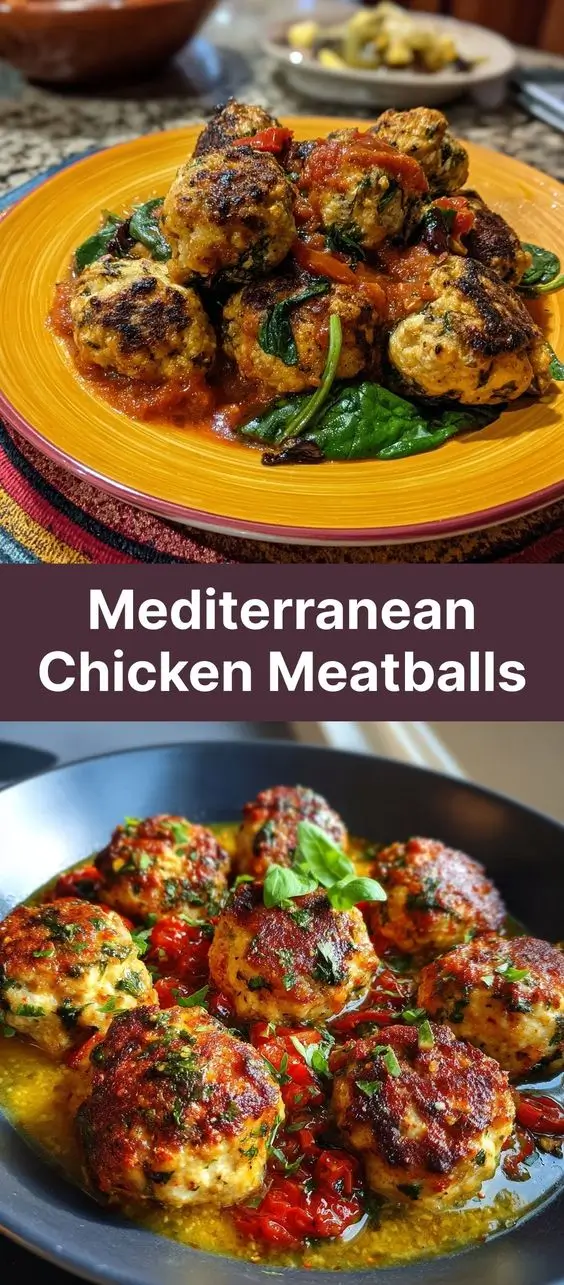
Mediterranean Chicken Meatballs: A Flavorful Journey Through the Mediterranean
The History of Mediterranean Chicken Meatballs
The tradition of meatballs spans centuries and continents, with roots tracing back to ancient Persia, where ground meat was seasoned with herbs and spices and formed into small, savory spheres. Over time, this culinary concept spread across the Middle East, North Africa, and Southern Europe, evolving into regional specialties. In the Mediterranean region—encompassing countries like Greece, Turkey, Lebanon, and Italy—meatballs took on unique identities shaped by local ingredients and cultural influences.
In Greece, keftedes are herbaceous lamb or beef meatballs often flavored with mint, oregano, and onions, typically served during festivals or as meze. Turkish cuisine offers köfte, which vary widely in texture and seasoning but commonly feature cumin, paprika, and parsley. Lebanese liqmat al-kebbeh use bulgur and lean meats, while Italian polpette are usually simmered in tomato sauce or served with pasta.
Chicken meatballs, in particular, became popular as a lighter alternative to red meat, especially in health-conscious modern times. The Mediterranean version embraces the region’s emphasis on fresh produce, olive oil, lemon, garlic, and aromatic herbs. Today’s Mediterranean chicken meatballs reflect a fusion of these traditions—offering a nutritious, flavorful dish that aligns with the famed Mediterranean diet, celebrated for its heart-healthy benefits and delicious simplicity.
Ingredients Breakdown: What Makes These Meatballs So Special?
The magic of Mediterranean chicken meatballs lies in their balance of fresh, wholesome ingredients that deliver bold flavor without relying on heavy sauces or frying. Each component plays a vital role in creating tender, juicy meatballs bursting with aroma and taste.
- Ground Chicken: Use high-quality ground chicken breast or thigh meat. Thighs add more moisture and richness, while breasts offer a leaner profile. For best results, a blend of both provides optimal texture and flavor.
- Fresh Herbs: Parsley, mint, dill, and oregano are staples. Parsley adds freshness, mint gives a cool brightness (common in Greek and Turkish versions), dill brings a subtle tang, and oregano contributes earthiness.
- Aromatics: Onion and garlic are non-negotiable. Finely grated onion adds moisture and sweetness, while fresh minced garlic delivers pungent depth. Sautéing them lightly before mixing prevents raw bites and mellows their intensity.
- Breadcrumbs: Use plain dry breadcrumbs or make your own from stale rustic bread. They help bind the mixture and absorb excess moisture. For gluten-free options, almond flour or crushed gluten-free crackers work well.
- Egg: Acts as a binder to hold everything together. One large egg per pound of meat is standard. For egg-free versions, a flax or chia “egg” can substitute.
- Olive Oil: Extra virgin olive oil enriches the mixture and enhances mouthfeel. It also carries fat-soluble flavors from herbs and spices.
- Lemon Zest and Juice: Brightens the entire dish. Zest contains essential oils that infuse citrus fragrance, while juice adds acidity to balance richness.
- Spices: Ground cumin, paprika (sweet or smoked), black pepper, and a pinch of cinnamon or allspice echo Middle Eastern influences. Cumin adds warmth, paprika lends color and mild heat, and cinnamon introduces a subtle complexity.
- Feta Cheese (optional): Crumbled feta adds salty, creamy pockets throughout the meatballs—a nod to Greek cuisine. Use sparingly to avoid making the mixture too wet.
- Pine Nuts or Almonds (optional): Toasted nuts can be finely chopped and added for texture and richness, inspired by Levantine recipes.
Step-by-Step Recipe: How to Make Perfect Mediterranean Chicken Meatballs at Home
Follow this detailed guide to create tender, flavorful chicken meatballs infused with Mediterranean flair. Whether you’re serving them as an appetizer, main course, or part of a mezze platter, this recipe ensures consistent results every time.
Ingredients
- 1.5 lbs (680g) ground chicken (breast-thigh mix preferred)
- 1/2 cup finely grated yellow onion (about 1 small onion)
- 3 cloves garlic, minced
- 1/4 cup extra virgin olive oil (plus extra for drizzling)
- 1 large egg
- 1/2 cup dry breadcrumbs (or gluten-free alternative)
- 1/4 cup fresh flat-leaf parsley, finely chopped
- 2 tablespoons fresh mint, finely chopped
- 1 tablespoon fresh dill, chopped
- 1 teaspoon dried oregano
- Zest of 1 lemon
- 1 tablespoon fresh lemon juice
- 1 teaspoon ground cumin
- 1/2 teaspoon sweet paprika
- 1/4 teaspoon black pepper
- 1/4 teaspoon sea salt (adjust to taste)
- 1/3 cup crumbled feta cheese (optional)
- 2 tablespoons toasted pine nuts (optional)
Directions
- Prepare the Aromatics: In a small skillet over medium heat, warm 1 tablespoon of olive oil. Add the grated onion and sauté for 4–5 minutes until soft and translucent. Stir in the minced garlic and cook for another 30 seconds until fragrant. Remove from heat and let cool completely.
- Combine Ingredients: In a large mixing bowl, add the ground chicken, cooled onion-garlic mixture, egg, breadcrumbs, olive oil, herbs (parsley, mint, dill, oregano), lemon zest, lemon juice, cumin, paprika, salt, and pepper. If using, fold in crumbled feta and toasted pine nuts.
- Mix Gently: Using clean hands or a spoon, mix until just combined. Do not overmix, as this can lead to dense, tough meatballs. The mixture should be cohesive but still light.
- Chill the Mixture: Cover the bowl with plastic wrap and refrigerate for at least 30 minutes (up to 2 hours). Chilling firms up the fats, helping the meatballs hold their shape during cooking.
- Preheat & Prep: Preheat oven to 400°F (200°C). Line a baking sheet with parchment paper or lightly grease it with olive oil.
- Form the Meatballs: Scoop about 1.5 tablespoons of mixture per meatball. Roll gently between your palms into smooth, even balls (about 1.5 inches in diameter). Place on the prepared baking sheet, leaving space between each.
- Bake: Lightly drizzle or spray the tops with olive oil. Bake for 18–22 minutes, rotating the pan halfway through, until golden brown and internal temperature reaches 165°F (74°C).
- Optional Broil: For extra browning, switch the oven to broil for the last 1–2 minutes, watching closely to prevent burning.
- Rest: Let the meatballs rest for 5 minutes before serving. This allows juices to redistribute, keeping them moist.
Tips for Success: Mastering Your Mediterranean Chicken Meatballs
- Keep Everything Cold: Chill your mixing bowl, utensils, and even the ground chicken before starting. Cold ingredients prevent premature fat melting, ensuring tender texture.
- Use a Cookie Scoop: A medium-sized cookie scoop ensures uniform size, promoting even cooking.
- Don’t Overwork the Meat: Mix only until ingredients are incorporated. Overmixing activates proteins that make meatballs chewy.
- Test Cook One First: Fry or bake a small test patty to check seasoning and adjust salt or spices if needed before forming all meatballs.
- Moisture Balance: If the mixture feels too wet, add a tablespoon more breadcrumbs. If too dry, add a teaspoon of olive oil or lemon juice.
- Alternative Cooking Methods: While baking is healthier, you can pan-fry in olive oil for crispier exteriors, or air-fry at 370°F for 10–12 minutes, shaking halfway.
- Freezing Raw or Cooked: Freeze uncooked meatballs on a tray, then transfer to a freezer bag. Cook directly from frozen, adding 5–7 minutes to baking time. Cooked meatballs freeze well for up to 3 months.
Variations and Customizations: Make It Your Own
The beauty of Mediterranean chicken meatballs is their versatility. Adapt them to suit dietary needs, seasonal ingredients, or regional tastes.
- Vegetarian Option: Replace chicken with a blend of mashed chickpeas, cooked quinoa, and grated zucchini. Add tahini for richness and bind with flax egg.
- Dairy-Free: Omit feta or use a plant-based alternative. Nutritional yeast can mimic cheesy notes.
- Gluten-Free: Swap breadcrumbs for almond flour, gluten-free oats, or crushed rice crackers.
- Spicy Kick: Add 1/4 teaspoon cayenne pepper, chopped fresh chili, or harissa paste for heat.
- Sweet Twist: Incorporate raisins or currants and a hint of cinnamon for a Levantine-inspired flavor.
- Herb Variations: Try basil and marjoram for an Italian twist, or cilantro and sumac for a Middle Eastern flair.
- Stuffed Meatballs: Insert a small cube of feta, roasted red pepper, or kalamata olive into the center before baking.
- Mini Versions: Make bite-sized meatballs for appetizers or salads. Serve with toothpicks and tzatziki for dipping.
Health Considerations and Nutritional Value
Mediterranean chicken meatballs are a nutritionally balanced choice that aligns with healthy eating patterns. Here’s why they’re a smart addition to your diet:
- Lean Protein Source: Chicken is rich in high-quality protein, essential for muscle repair, satiety, and metabolic health. At approximately 21g of protein per 3.5 oz serving, these meatballs support active lifestyles.
- Heart-Healthy Fats: Olive oil provides monounsaturated fats, known to reduce LDL (“bad”) cholesterol and support cardiovascular wellness.
- Low in Saturated Fat: Compared to beef or lamb meatballs, chicken versions are significantly lower in saturated fat, reducing risk of heart disease when consumed as part of a balanced diet.
- Rich in Antioxidants: Fresh herbs like parsley and mint are packed with antioxidants such as vitamin C and flavonoids, which combat oxidative stress.
- Fiber Content: Breadcrumbs and vegetables contribute modest fiber, supporting digestion. For higher fiber, use whole grain breadcrumbs or add grated zucchini or carrots.
- Low Carb-Friendly: With only about 4–6g of carbohydrates per serving (depending on breadcrumbs), they fit well into low-carb or keto diets when modified appropriately.
- Sodium Awareness: Be mindful of salt content, especially if using store-bought breadcrumbs or feta. Opt for low-sodium versions and season gradually.
- Allergen Notes: Contains egg and potential dairy (feta). Easily adaptable for most allergens with substitutions.
Nutrition Facts (per serving, approx. 3 meatballs):
Calories: 220 | Protein: 19g | Fat: 13g (Saturated: 3g) | Carbohydrates: 5g | Fiber: 1g | Sugar: 1g | Sodium: 380mg | Vitamin A: 10% DV | Vitamin C: 8% DV | Iron: 7% DV
How to Serve Mediterranean Chicken Meatballs
These versatile meatballs can be enjoyed in countless ways:
- With Tzatziki: Serve warm or cold with homemade tzatziki (Greek yogurt, cucumber, garlic, dill) for dipping.
- Over Grains: Plate over couscous, quinoa, or orzo with roasted vegetables and a drizzle of lemon-olive oil dressing.
- In Pita Wraps: Stuff into warm pita with lettuce, tomatoes, red onion, and hummus for a handheld meal.
- On Skewers: Thread onto wooden or metal skewers with cherry tomatoes and bell peppers for grilling or presentation.
- With Pasta: Toss with whole wheat spaghetti, sun-dried tomatoes, olives, and spinach in a light garlic-olive oil sauce.
- As Appetizers: Serve chilled or warm on a mezze platter alongside dolmas, tabbouleh, stuffed grape leaves, and olives.
- In Salads: Top a Greek salad or chopped kale salad for added protein and flavor.
Frequently Asked Questions (FAQ)
Can I make these meatballs ahead of time?
Yes! Prepare the mixture up to 24 hours in advance and keep it covered in the fridge. You can also shape and freeze raw meatballs for later use—bake straight from frozen, adding a few extra minutes to cooking time.
Why are my meatballs falling apart?
This usually happens due to insufficient binder (egg or breadcrumbs), overmixing, or skipping the chilling step. Ensure proper ratios and always chill the mixture before shaping.
Can I grill these meatballs?
Absolutely! Preheat the grill to medium-high, lightly oil the grates, and cook for 8–10 minutes, turning frequently, until fully cooked through. Use a grill basket for easier handling.
Are these meatballs kid-friendly?
Yes! Kids love the mild, herby flavor. You can reduce spices slightly and serve with a side of yogurt sauce for dipping. They also freeze well for school lunches or quick dinners.
Can I use turkey instead of chicken?
Yes, ground turkey works perfectly as a substitute. Choose dark meat turkey for juicier results.
How long do leftovers last?
Cooked meatballs will stay fresh in an airtight container in the refrigerator for 3–4 days. Reheat gently in the oven or microwave.
What dipping sauces pair well with these meatballs?
Try tzatziki, hummus, skordalia (garlic-yogurt dip), harissa mayo, or a simple lemony tahini sauce. A balsamic glaze also adds a sweet-tangy contrast.
Can I cook these in a slow cooker?
While not ideal for initial cooking (they may become mushy), you can warm pre-cooked meatballs in a slow cooker with sauce for 1–2 hours on low for serving at gatherings.
Summary
Mediterranean chicken meatballs bring together the vibrant flavors of the Mediterranean—fresh herbs, lemon, garlic, olive oil, and warm spices—into a healthy, satisfying dish perfect for any occasion. Easy to customize and packed with protein, they’re a delicious way to enjoy the renowned Mediterranean diet.