Introduction
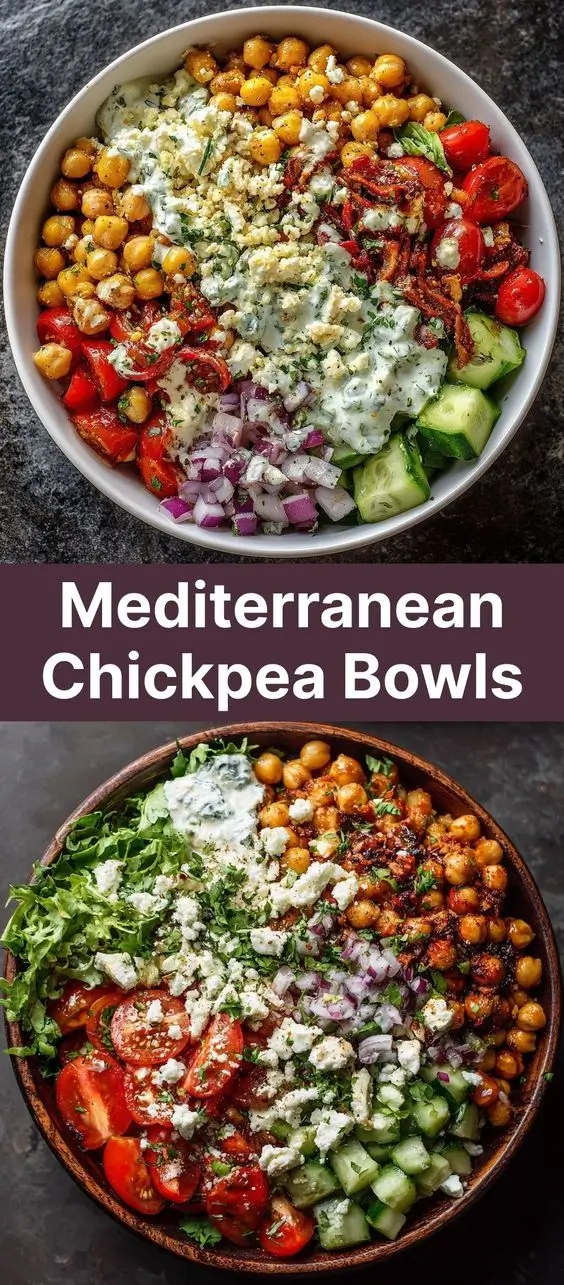
Mediterranean Chickpea Bowls are a vibrant, nutritious, and satisfying meal that brings the bold flavors of the Mediterranean to your plate in a wholesome, plant-based format. Perfect for lunch or dinner, these bowls combine protein-rich chickpeas, crisp fresh vegetables, tangy dressings, and hearty grains into a balanced dish that’s as beautiful as it is delicious. Whether you’re following a vegan, vegetarian, gluten-free, or just a health-conscious lifestyle, this bowl offers incredible versatility and nourishment. Packed with fiber, antioxidants, healthy fats, and plant-powered protein, it’s no wonder that Mediterranean-inspired meals have been linked to improved heart health, weight management, and longevity. Let’s dive deep into everything you need to know about crafting the ultimate Mediterranean Chickpea Bowl.
The History
The roots of the Mediterranean Chickpea Bowl can be traced back to centuries-old culinary traditions across Southern Europe, North Africa, and the Middle East—regions that surround the Mediterranean Sea. The Mediterranean diet itself has long been celebrated not only for its rich flavors but also for its numerous health benefits. Staples like chickpeas (also known as garbanzo beans), olive oil, whole grains, olives, tomatoes, cucumbers, and herbs such as oregano and parsley have been dietary cornerstones in countries like Greece, Turkey, Lebanon, Italy, and Morocco for generations.
Chickpeas, originally domesticated in the Middle East over 7,500 years ago, were a vital source of protein in agrarian societies and became central to many traditional dishes—from Greek fava and Turkish leblebi to Indian chana masala. Over time, as food cultures evolved and global palates embraced plant-forward eating, the concept of the grain bowl emerged in modern cuisine. Chefs and home cooks began assembling nutrient-dense combinations of legumes, grains, vegetables, and sauces into single-serving meals, leading to the popularity of the “Mediterranean Bowl” in health food cafes, meal prep services, and home kitchens around the world. Today’s Mediterranean Chickpea Bowl is a contemporary fusion of ancient ingredients and modern wellness trends, honoring tradition while adapting to today’s fast-paced, health-aware lifestyles.
Ingredients Breakdown
Creating the perfect Mediterranean Chickpea Bowl starts with understanding each component and how it contributes to flavor, texture, and nutrition. Here’s a detailed look at the key ingredients:
- Chickpeas: The star of the bowl, chickpeas provide plant-based protein, fiber, iron, and complex carbohydrates. They’re hearty and hold up well to seasoning and roasting.
- Grains (e.g., quinoa, farro, brown rice, or couscous): These form the base of the bowl, offering sustained energy and a fluffy or chewy texture. Quinoa is especially popular due to its complete protein profile.
- Fresh Vegetables: Cucumber, cherry tomatoes, red onion, bell peppers, and Kalamata olives add crunch, color, and a burst of freshness. Leafy greens like spinach or arugula boost vitamin content.
- Hummus: A creamy spread made from blended chickpeas, tahini, lemon juice, and garlic. It adds richness and depth, doubling as a sauce or side.
- Feta Cheese (optional): Traditional in Greek cuisine, feta contributes a salty, tangy flavor. For a vegan version, use dairy-free feta or omit it entirely.
- Tahini Dressing: Made from sesame paste, lemon juice, garlic, and water, this silky dressing ties all the elements together with nutty and zesty notes.
- Herbs: Fresh parsley, dill, or mint brighten the bowl and enhance the aromatic quality of the dish.
- Lemon Juice: Adds acidity that lifts the entire bowl, balancing the earthiness of the chickpeas and grains.
- Olive Oil: Extra virgin olive oil is used for roasting chickpeas and drizzling over the finished bowl, contributing heart-healthy monounsaturated fats.
- Spices: Cumin, smoked paprika, garlic powder, and salt enhance the savory profile of the roasted chickpeas.
Optional additions include roasted eggplant, artichoke hearts, sun-dried tomatoes, avocado slices, pickled red onions, or banana peppers for extra layers of flavor and texture.
Step-by-Step Recipe
- Prepare the Base Grain:
Rinse 1 cup of quinoa under cold water. In a saucepan, combine quinoa with 2 cups of water or vegetable broth. Bring to a boil, then reduce heat, cover, and simmer for 15 minutes or until liquid is absorbed. Remove from heat, fluff with a fork, and let cool slightly. - Roast the Chickpeas:
Preheat oven to 400°F (200°C). Drain and rinse two 15-ounce cans of chickpeas, then pat dry thoroughly (this helps them crisp up). Toss chickpeas with 2 tablespoons olive oil, 1 teaspoon ground cumin, ½ teaspoon smoked paprika, ½ teaspoon garlic powder, and salt to taste. Spread evenly on a baking sheet and roast for 25–30 minutes, flipping halfway, until golden and crispy. Let cool slightly. - Chop the Vegetables:
Dice 1 cucumber, halve 1 cup cherry tomatoes, thinly slice ½ red onion, and dice 1 bell pepper. Place in separate bowls or arrange on a platter for assembly. - Make the Tahini Dressing:
In a small bowl, whisk together ¼ cup tahini, 3 tablespoons lemon juice, 1 minced garlic clove, 2–3 tablespoons warm water (to thin), 1 tablespoon olive oil, and a pinch of salt. Adjust consistency and seasoning to taste. - Assemble the Bowls:
Start with a bed of cooked quinoa in each bowl. Top with roasted chickpeas, chopped vegetables, a generous spoonful of hummus, crumbled feta (if using), and fresh herbs. Drizzle with tahini dressing and a final splash of olive oil and lemon juice. - Serve and Enjoy:
Serve immediately while chickpeas are still slightly warm, or chill components separately for a cold meal prep option.
Directions
Follow the step-by-step recipe above to create a perfectly balanced Mediterranean Chickpea Bowl. Each stage builds flavor and ensures optimal texture. For best results, prepare ingredients in advance and store separately if meal prepping. Reheat grains and chickpeas gently before assembling if desired, or enjoy cold for a refreshing take. Always dress the bowl just before serving to maintain freshness and prevent sogginess.
Ingredients
- 1 cup quinoa (or grain of choice)
- 2 cups water or vegetable broth
- 2 (15 oz) cans chickpeas, drained and rinsed
- 2 tbsp extra virgin olive oil (plus more for drizzling)
- 1 tsp ground cumin
- ½ tsp smoked paprika
- ½ tsp garlic powder
- Salt and black pepper to taste
- 1 medium cucumber, diced
- 1 cup cherry tomatoes, halved
- ½ red bell pepper, diced
- ½ red onion, thinly sliced
- ½ cup Kalamata olives, pitted and halved
- 1 cup fresh parsley, chopped
- 1 cup baby spinach or arugula (optional)
- ¾ cup hummus
- ½ cup crumbled feta cheese (optional, or vegan alternative)
- 1 large lemon (for juicing)
Tahini Dressing:
- ¼ cup tahini
- 3 tbsp fresh lemon juice
- 1 clove garlic, minced
- 2–3 tbsp warm water
- 1 tbsp olive oil
- Salt to taste
Tips
- Dry the chickpeas well: Moisture is the enemy of crispiness. Patting the chickpeas dry before roasting ensures they become golden and crunchy rather than soggy.
- Meal prep smartly: Cook grains and roast chickpeas ahead of time. Store them in airtight containers in the fridge for up to 5 days. Assemble bowls fresh to maintain texture.
- Balanced textures: Combine creamy (hummus, tahini), crunchy (cucumber, bell pepper), and chewy (grains, roasted chickpeas) for a satisfying mouthfeel.
- Boost flavor: Add a pinch of sumac or za’atar to the chickpeas or finish the bowl with a sprinkle for an authentic Middle Eastern touch.
- Customize heat: Add red pepper flakes, harissa, or a dash of hot sauce to the dressing for a spicy kick.
- Use seasonal produce: Swap vegetables based on availability—try shredded carrots, radishes, or roasted zucchini in different seasons.
- Double the dressing: Make a larger batch of tahini dressing; it keeps well in the fridge for up to a week and works great on salads, wraps, or roasted veggies.
- Warm components: Slightly warming the grains and chickpeas enhances the eating experience, especially in cooler months.
Variations and Customizations
The beauty of the Mediterranean Chickpea Bowl lies in its adaptability. Here are several ways to switch things up:
- Grain-Free Option: Replace grains with cauliflower rice or massaged kale for a low-carb alternative.
- Protein Boost: Add grilled chicken, shrimp, falafel, or hard-boiled eggs for extra protein.
- Vegan & Dairy-Free: Skip feta or use a plant-based alternative. Ensure hummus and dressing are vegan-friendly.
- Gluten-Free: Use certified gluten-free grains like quinoa, millet, or buckwheat.
- Mediterranean Mezze Style: Serve all components family-style with pita bread for dipping and building your own bites.
- Warm Bowl Version: Warm all ingredients and serve like a stewed grain dish with extra broth-infused quinoa.
- Summer Version: Include fresh corn, avocado, and heirloom tomatoes for a juicy, garden-fresh twist.
- Winter Version: Roast root vegetables like sweet potatoes, beets, or squash and layer them into the bowl for warmth and sweetness.
- Kid-Friendly: Skip strong flavors like raw onions or olives. Use mild cheese, sweet bell peppers, and a simpler lemon-olive oil dressing.
- Low-FODMAP: Omit garlic and onion; use garlic-infused oil and green onion tops (green part only) to keep flavor without triggering sensitivities.
Health Considerations and Nutritional Value
Mediterranean Chickpea Bowls are a powerhouse of nutrition, aligning closely with the scientifically backed principles of the Mediterranean diet—one of the most recommended dietary patterns for long-term health. Here’s why this bowl is a nutritional standout:
- High in Fiber: Chickpeas and whole grains provide both soluble and insoluble fiber, promoting digestive health, regulating blood sugar, and supporting satiety.
- Plant-Based Protein: With approximately 15–20 grams of protein per serving (depending on additions), this bowl supports muscle maintenance and repair without relying on animal products.
- Heart-Healthy Fats: Olive oil, tahini, and olives deliver monounsaturated fats, which help lower LDL (“bad”) cholesterol and reduce inflammation.
- Rich in Vitamins and Minerals: This dish is abundant in vitamin C (from tomatoes, bell peppers, lemon), vitamin K (leafy greens), potassium (chickpeas, tomatoes), iron (chickpeas, quinoa), and calcium (tahini, leafy greens).
- Antioxidant-Rich: Colorful vegetables and olive oil contain polyphenols and antioxidants that combat oxidative stress and may reduce the risk of chronic diseases.
- Low Glycemic Index: The combination of fiber, protein, and healthy fats helps prevent blood sugar spikes, making it suitable for individuals managing diabetes.
- Supports Weight Management: High-volume, low-calorie ingredients keep you full longer, reducing overall calorie intake.
- Anti-Inflammatory: Ingredients like turmeric (if added), olive oil, and fresh herbs contribute anti-inflammatory properties beneficial for joint and cardiovascular health.
Nutritional Estimate (per serving, approximate):
- Calories: 550–650
- Protein: 18–22g
- Fat: 25–30g (mostly unsaturated)
- Carbohydrates: 65–75g
- Fiber: 12–15g
- Sodium: Varies (reduce by using low-sodium canned chickpeas and limiting feta)
Always adjust ingredients to meet specific dietary needs, such as lowering sodium for hypertension or increasing protein for athletes.
FAQ
Can I make Mediterranean Chickpea Bowls ahead of time?
Yes! This dish is ideal for meal prep. Cook grains, roast chickpeas, chop vegetables, and make dressing up to 4–5 days in advance. Store components separately and assemble bowls the day of eating to maintain texture.
How do I store leftovers?
Keep assembled bowls in airtight containers in the refrigerator for up to 3 days. Note that cucumbers may release water over time; you can add them fresh when serving.
Can I freeze this bowl?
Freezing is not recommended for assembled bowls due to the high water content in vegetables. However, you can freeze cooked quinoa and roasted chickpeas for up to 3 months. Thaw and reheat before assembling.
Are canned chickpeas healthy?
Yes, canned chickpeas are nutritious and convenient. Look for low-sodium or no-salt-added versions, and always rinse them well to remove excess sodium and improve digestibility.
What can I use instead of tahini?
If you don’t have tahini, substitute with natural almond butter or cashew butter for a similar creamy texture, though the flavor will differ slightly. You can also make a yogurt-based dressing using Greek yogurt or a dairy-free alternative.
Is this bowl gluten-free?
It can be! Use naturally gluten-free grains like quinoa, certified gluten-free oats, or brown rice, and ensure all packaged ingredients (like hummus or canned goods) are labeled gluten-free.
Can I eat this cold?
Absolutely. This bowl is delicious chilled and makes a perfect grab-and-go lunch. It’s especially refreshing in warm weather.
Why are my roasted chickpeas not crispy?
The most common reason is insufficient drying before roasting. Make sure to pat them very dry with a clean towel. Also, avoid overcrowding the pan and roast at a high enough temperature (400°F+).
Summary
Mediterranean Chickpea Bowls are a celebration of fresh, wholesome ingredients that come together in a harmonious blend of flavors, textures, and nutrients. Easy to customize, packed with plant-based goodness, and rooted in timeless culinary traditions, this bowl is a go-to for anyone seeking a delicious, healthy, and satisfying meal.