Mediterranean Grilled Chicken Wraps
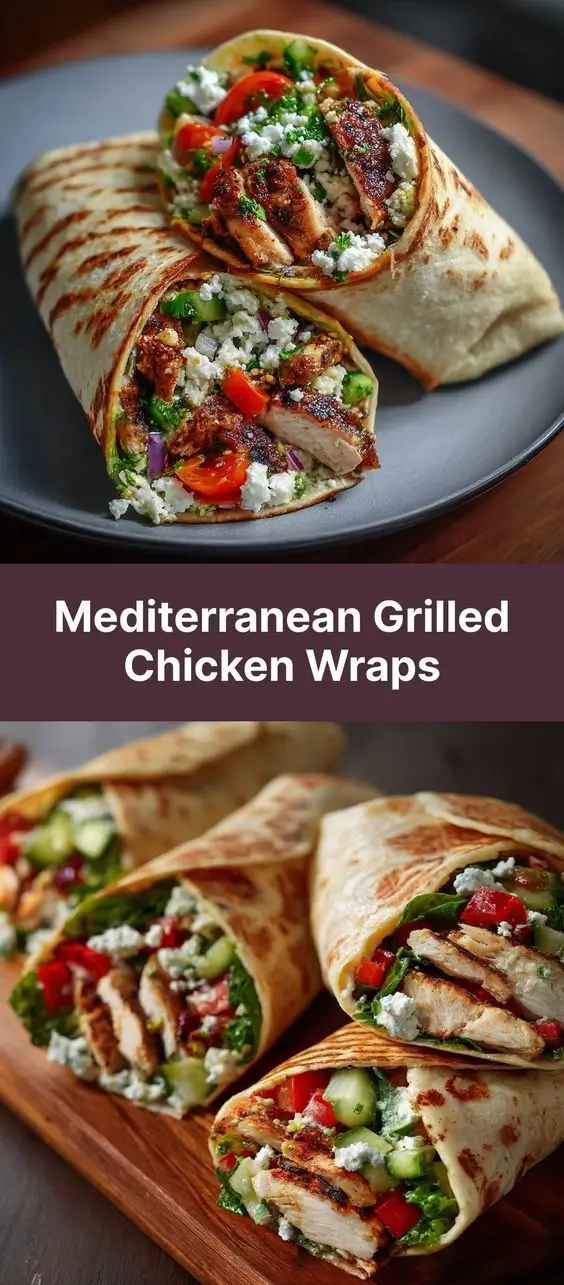
Imagine biting into a warm, tender wrap filled with smoky grilled chicken, crisp vegetables, tangy feta cheese, and a creamy herb-infused sauce—all wrapped in a soft whole wheat tortilla. The Mediterranean Grilled Chicken Wrap is more than just a meal; it’s a celebration of vibrant flavors, wholesome ingredients, and the timeless culinary traditions of the Mediterranean region. Perfect for lunch, dinner, or even a hearty snack, this wrap brings together bold tastes and nutritious components in one handheld delight.
The History
The concept of wraps as we know them today emerged in the United States during the late 20th century, particularly gaining popularity in the 1980s and 1990s as a convenient and portable alternative to traditional sandwiches. However, the roots of combining meats, vegetables, cheeses, and sauces within flatbreads go back centuries across various cultures. In the Mediterranean basin, civilizations from Greece to Lebanon have long enjoyed dishes like gyros, shawarma, and pita sandwiches—essentially early forms of wraps—where grilled meats are nestled in leavened or unleavened bread with fresh accompaniments.
The modern Mediterranean Grilled Chicken Wrap blends these ancient traditions with contemporary health-conscious eating. As global palates began embracing plant-forward diets rich in olive oil, herbs, legumes, and lean proteins, chefs and home cooks alike adapted classic recipes to create lighter, more balanced meals. This particular wrap draws inspiration from Greek cuisine—featuring hallmarks such as oregano, lemon, olives, cucumbers, tomatoes, and feta—while incorporating the versatility of American-style flour tortillas for ease of handling and portability.
Today, the Mediterranean Grilled Chicken Wrap stands as a symbol of culinary fusion: honoring ancestral foodways while meeting the needs of modern lifestyles that value flavor, nutrition, and convenience. It reflects not only the richness of Mediterranean gastronomy but also the universal appeal of meals that are both satisfying and nourishing.
Ingredients Breakdown
To craft an authentic and flavorful Mediterranean Grilled Chicken Wrap, each ingredient plays a vital role in contributing to the overall taste, texture, and nutritional profile. Let’s explore them in detail:
- Chicken Breast (Boneless, Skinless): Lean and high in protein, chicken breast serves as the foundation of this wrap. Its mild flavor absorbs marinades beautifully, making it ideal for grilling with Mediterranean spices.
- Olive Oil (Extra Virgin): A cornerstone of Mediterranean cooking, extra virgin olive oil adds richness, aids in browning during grilling, and carries fat-soluble vitamins. It also helps emulsify the marinade and dressing.
- Lemon Juice (Freshly Squeezed): Provides bright acidity that tenderizes the chicken and balances the savory elements. Lemon is abundant in vitamin C and enhances iron absorption from plant-based ingredients.
- Garlic (Minced): Adds pungency and depth. Garlic contains allicin, a compound known for its antioxidant and anti-inflammatory properties.
- Dried Oregano: A quintessential Mediterranean herb, oregano imparts earthy, slightly bitter notes and pairs exceptionally well with grilled foods.
- Smoked Paprika: Offers a subtle smokiness and mild heat, enhancing the grilled character without overwhelming spice.
- Salt and Black Pepper: Essential seasonings that enhance all other flavors and bring balance to the dish.
- Whole Wheat Tortillas: Provide a fiber-rich, nutty base that holds up well when filled. Whole grains contribute complex carbohydrates and sustained energy.
- Cucumber (English or Persian): Adds cool crunch and hydration. Peeled if desired, though leaving some skin on boosts fiber content.
- Roma Tomatoes (Seeded and Diced): Less watery than other varieties, Roma tomatoes offer concentrated flavor and firm texture, preventing sogginess in the wrap.
- Red Onion (Thinly Sliced): Brings sharpness and color. Soaking in cold water for 5–10 minutes can mellow its bite if preferred.
- Feta Cheese (Crumbled): Salty, tangy, and creamy, feta made from sheep or goat milk is a staple in Greek cuisine. Opt for block feta over pre-crumbled for better texture and less sodium.
- Kalamata Olives (Pitted and Halved): Rich in healthy monounsaturated fats and distinctive briny flavor, these olives elevate the Mediterranean essence.
- Fresh Herbs (Parsley and/or Mint): Brighten the filling with aromatic freshness. Mint adds a cooling contrast, especially welcome alongside grilled items.
- Plain Greek Yogurt: Used as a base for the sauce, it offers creaminess with significantly less fat than mayonnaise and provides probiotics and protein.
- Lemon Zest: Intensifies citrus aroma in the sauce without adding extra liquid.
- Honey (Optional): A touch balances acidity in the sauce, rounding out sharp flavors.
Step-by-Step Recipe
- Prepare the Marinade: In a medium bowl, whisk together ¼ cup extra virgin olive oil, juice of 1 lemon (about 3 tablespoons), 3 minced garlic cloves, 1 tablespoon dried oregano, 1 teaspoon smoked paprika, 1 teaspoon salt, and ½ teaspoon freshly ground black pepper.
- Marinate the Chicken: Place 2 large boneless, skinless chicken breasts in a resealable plastic bag or shallow dish. Pour the marinade over the chicken, ensuring even coverage. Seal or cover and refrigerate for at least 30 minutes, preferably 2–4 hours for maximum flavor infusion.
- Make the Tzatziki-Inspired Sauce: While the chicken marinates, combine 1 cup plain Greek yogurt, 1 finely grated cucumber (peeled and squeezed dry), 1 minced garlic clove, 1 tablespoon lemon juice, 1 tablespoon chopped fresh dill (or parsley/mint), 1 teaspoon lemon zest, ½ teaspoon salt, and a drizzle of honey (optional). Chill until ready to use.
- Grill the Chicken: Preheat grill or grill pan over medium-high heat. Remove chicken from marinade, letting excess drip off. Grill for 6–7 minutes per side, or until internal temperature reaches 165°F (74°C) and juices run clear. Transfer to a cutting board and let rest for 5 minutes before slicing thinly against the grain.
- Prepare the Vegetables: Dice 1–2 Roma tomatoes, slice ½ cup red onion thinly, halve ¼ cup Kalamata olives, chop ½ English cucumber into matchsticks, and gather ¼ cup crumbled feta cheese and ⅓ cup chopped fresh parsley or mint.
- Warm the Tortillas: Heat each whole wheat tortilla (10-inch size recommended) in a dry skillet over medium heat for about 20 seconds per side, or wrap in foil and warm in oven at 350°F for 5–7 minutes. This makes them pliable and prevents cracking when rolled.
- Assemble the Wraps: Lay a tortilla flat on a clean surface. Spread 2–3 tablespoons of the yogurt sauce down the center. Layer with sliced grilled chicken, followed by cucumbers, tomatoes, onions, olives, feta, and fresh herbs.
- Roll Tightly: Fold the sides of the tortilla inward slightly, then roll from the bottom upward, tucking ingredients in as you go. Press gently to secure shape. Repeat with remaining tortillas.
- Serve Immediately: Cut wraps in half diagonally for easier eating, and serve with extra sauce on the side, a simple green salad, or roasted vegetables.
Tips
- Don’t Over-Marinate the Chicken: While marinating enhances flavor, acidic components like lemon juice can begin to “cook” the outer layer of the chicken if left too long (beyond 8 hours), leading to a mushy texture.
- Use Room Temperature Tortillas: Cold tortillas straight from the fridge are brittle and prone to tearing. Allow them to come to room temperature or warm them properly before assembling.
- Squeeze Moisture from Cucumbers: Especially important for both the sauce and raw slices inside the wrap. Excess water can make the tortilla soggy. After grating or dicing, place cucumbers in a clean towel and squeeze firmly.
- Rest the Chicken Before Slicing: Allowing grilled chicken to rest ensures juices redistribute, resulting in moist, tender slices rather than dry strips.
- Avoid Overfilling: Too many ingredients make rolling difficult and increase the chance of breakage. Stick to generous but manageable portions.
- Secure with Parchment or Foil: For picnics or meal prep, wrap the finished product in parchment paper or foil to hold its shape and catch any drips.
- Grill Marks Matter: Achieve restaurant-quality appearance by placing chicken on the grill at a 45-degree angle and not moving it for the first few minutes to develop attractive sear lines.
- Batch-Cook for Meal Prep: Marinate and grill multiple chicken breasts at once. Store cooked chicken and prepared veggies separately in airtight containers; assemble wraps fresh daily for best texture.
Variations and Customizations
The beauty of the Mediterranean Grilled Chicken Wrap lies in its adaptability. Whether catering to dietary preferences, seasonal availability, or personal taste, here are numerous ways to customize your creation:
- Vegetarian Version: Replace chicken with grilled halloumi cheese, marinated chickpeas, or roasted eggplant and zucchini slices for a satisfying meat-free option.
- Vegan Option: Use plant-based “chicken” strips or falafel, swap feta for dairy-free alternative, and use vegan yogurt in the sauce. Ensure tortillas are egg- and dairy-free.
- Gluten-Free Adaptation: Choose certified gluten-free tortillas made from almond flour, cassava, or brown rice blends. Alternatively, serve the filling as a bowl over quinoa or greens.
- Low-Carb/Keto Twist: Skip the tortilla entirely and serve the ingredients as a salad, or use large lettuce leaves (like romaine or butter lettuce) as low-carb wrappers.
- Spicy Kick: Add sliced jalapeños, harissa paste to the sauce, or include crushed red pepper flakes in the marinade for those who enjoy heat.
- Different Proteins: Try grilled shrimp, turkey breast, or lamb skewers instead of chicken for a unique flavor profile.
- Alternative Sauces: Swap tzatziki for tahini-lemon sauce, hummus thinned with water, or a roasted red pepper spread.
- Add More Veggies: Include roasted red peppers, artichoke hearts, spinach, arugula, shredded carrots, or pickled turnips for added color, nutrients, and texture.
- Herb Swaps: Basil, cilantro, or dill can replace or complement parsley and mint depending on what’s available or preferred.
- Tortilla Varieties: Experiment with spinach tortillas, sun-dried tomato wraps, or sourdough flatbreads for visual appeal and subtle flavor differences.
- Breakfast-Inspired: Add a fried or scrambled egg and omit olives and feta for a morning-friendly version served with hash browns.
- International Fusion: Incorporate ingredients like mango salsa, avocado slices, or sriracha mayo for a Mediterranean-Mexican or Mediterranean-Asian hybrid.
Health Considerations and Nutritional Value
The Mediterranean Grilled Chicken Wrap aligns closely with the principles of the renowned Mediterranean Diet—one of the most studied and celebrated eating patterns for long-term health and disease prevention. Here’s how this dish contributes to overall wellness:
- High-Quality Protein: Chicken breast provides approximately 26 grams of protein per 3-ounce serving, supporting muscle maintenance, satiety, and metabolic function.
- Heart-Healthy Fats: Extra virgin olive oil, olives, and feta supply monounsaturated fats linked to reduced inflammation and improved cholesterol levels.
- Fiber-Rich Components: Whole wheat tortillas, vegetables, and herbs deliver dietary fiber (estimated 5–7g per wrap), promoting digestive health and stable blood sugar.
- Antioxidant Powerhouse: Tomatoes contain lycopene, cucumbers offer flavonoids, and herbs like oregano are rich in polyphenols—all combating oxidative stress.
- Probiotics and Gut Health: Fermented ingredients like Greek yogurt introduce beneficial bacteria that support gut microbiome balance.
- Low in Added Sugars: When prepared without sweetened sauces or processed condiments, this wrap remains naturally low in refined sugars.
- Sodium Awareness: Feta cheese and olives are naturally salty. To reduce sodium, opt for reduced-sodium versions, rinse olives briefly, or decrease portion sizes. Using homemade sauce allows control over salt content.
- Balanced Macronutrients: A typical wrap contains roughly 40% carbohydrates, 35% protein, and 25% fat—ideal for sustained energy and fullness.
- Vitamins and Minerals: Abundant in vitamin C (from lemon and tomatoes), vitamin K (leafy herbs), calcium (feta and yogurt), potassium (vegetables), and B-vitamins (chicken).
- Weight Management Friendly: With approximately 350–450 calories per wrap (depending on size and ingredients), it offers substantial nutrition without excess caloric density.
- Inflammation Reduction: The combination of omega-3s (from olive oil), antioxidants, and anti-inflammatory herbs supports chronic disease prevention, including cardiovascular conditions and type 2 diabetes.
For individuals managing specific health concerns:
- Diabetics: Monitor tortilla portions and pair with non-starchy vegetables. Consider low-glycemic alternatives like coconut or almond flour wraps.
- Hypertension: Limit added salt, choose low-sodium feta, and emphasize potassium-rich vegetables like cucumbers and tomatoes.
- Osteoporosis Prevention: The calcium from dairy products supports bone health, especially when combined with weight-bearing activity.
- Pregnancy Nutrition: Safe and nutritious, provided chicken is fully cooked and ingredients are fresh and handled properly.
Ingredients
- 2 large boneless, skinless chicken breasts
- ¼ cup extra virgin olive oil
- Juice of 1 lemon (about 3 tbsp)
- 4 garlic cloves, divided (3 minced for marinade, 1 minced for sauce)
- 1 tbsp dried oregano
- 1 tsp smoked paprika
- 1¼ tsp salt, divided
- ½ tsp freshly ground black pepper
- 4 large whole wheat tortillas (10-inch)
- 1 cup plain Greek yogurt (2% or full-fat recommended)
- 1 small cucumber, peeled and grated
- 1 tbsp lemon zest
- 1 tbsp chopped fresh dill or parsley
- 1 tsp honey (optional)
- 1 medium English cucumber, sliced into thin sticks
- 2 Roma tomatoes, seeded and diced
- ½ red onion, thinly sliced
- ½ cup crumbled feta cheese
- ¼ cup pitted Kalamata olives, halved
- ⅓ cup chopped fresh parsley or mint
Directions
- In a mixing bowl, whisk together olive oil, lemon juice, 3 minced garlic cloves, oregano, smoked paprika, 1 tsp salt, and black pepper to create the marinade.
- Place chicken breasts in a zip-top bag or shallow dish. Pour marinade over them, seal or cover, and refrigerate for 30 minutes to 4 hours.
- While chicken marinates, prepare the sauce: In another bowl, combine Greek yogurt, grated cucumber (squeezed dry), remaining minced garlic, lemon zest, dill or parsley, ¼ tsp salt, and honey (if using). Mix well, cover, and chill.
- Warm tortillas in a dry skillet or oven until pliable.
- Assemble each wrap: Spread 2–3 tbsp sauce down the center of a tortilla. Top with chicken slices, cucumbers, tomatoes, onions, olives, feta, and fresh herbs.
- Fold in the sides and roll tightly from the bottom, pressing gently to seal.
- Cut in half diagonally and serve immediately with extra sauce on the side.
<4>Preheat grill or grill pan to medium-high heat. Remove chicken from marinade and grill for 6–7 minutes per side, until internal temperature reaches 165°F. Let rest 5 minutes, then slice thinly.
FAQ
- Can I make these wraps ahead of time?
- Yes, but for best results, store components separately and assemble just before eating to prevent sogginess. Cooked chicken keeps for 3–4 days in the fridge; veggies and sauce last 2–3 days.
- Can I bake the chicken instead of grilling?
- Absolutely. Preheat oven to 400°F, place marinated chicken on a lined baking sheet, and bake for 20–25 minutes, flipping halfway through, until fully cooked.
- Are there dairy-free options?
- Yes. Substitute feta with dairy-free cheese and use coconut or almond-based yogurt in the sauce.
- How do I prevent the wrap from falling apart?
- Don’t overfill, warm the tortilla first, and roll tightly using the folding technique. Wrapping in parchment paper helps maintain structure.
- Can I freeze Mediterranean Grilled Chicken Wraps?
- Freezing assembled wraps is not recommended due to texture changes in vegetables and tortillas. However, grilled chicken freezes well for up to 3 months.
- What can I serve with these wraps?
- Pair with a Greek salad, tabbouleh, roasted potatoes, lentil soup, or fresh fruit for a complete Mediterranean-inspired meal.
- Is this recipe kid-friendly?
- Many children enjoy the flavors, especially if you reduce strong ingredients like raw onion or olives. You can also let kids build their own wraps for fun and engagement.
- Can I use store-bought tzatziki?
- Sure! But check labels for added sugars, preservatives, or artificial ingredients. Homemade gives you full control over quality and taste.
Summary
The Mediterranean Grilled Chicken Wrap is a delicious fusion of lean protein, fresh vegetables, creamy sauces, and aromatic herbs, all wrapped in a wholesome tortilla—offering a balanced, flavorful meal inspired by the heart-healthy traditions of the Mediterranean diet.
Packed with nutrition, endlessly customizable, and perfect for any occasion, this wrap brings the vibrant tastes of Greece, Turkey, and the Levant right to your kitchen with minimal effort and maximum satisfaction.