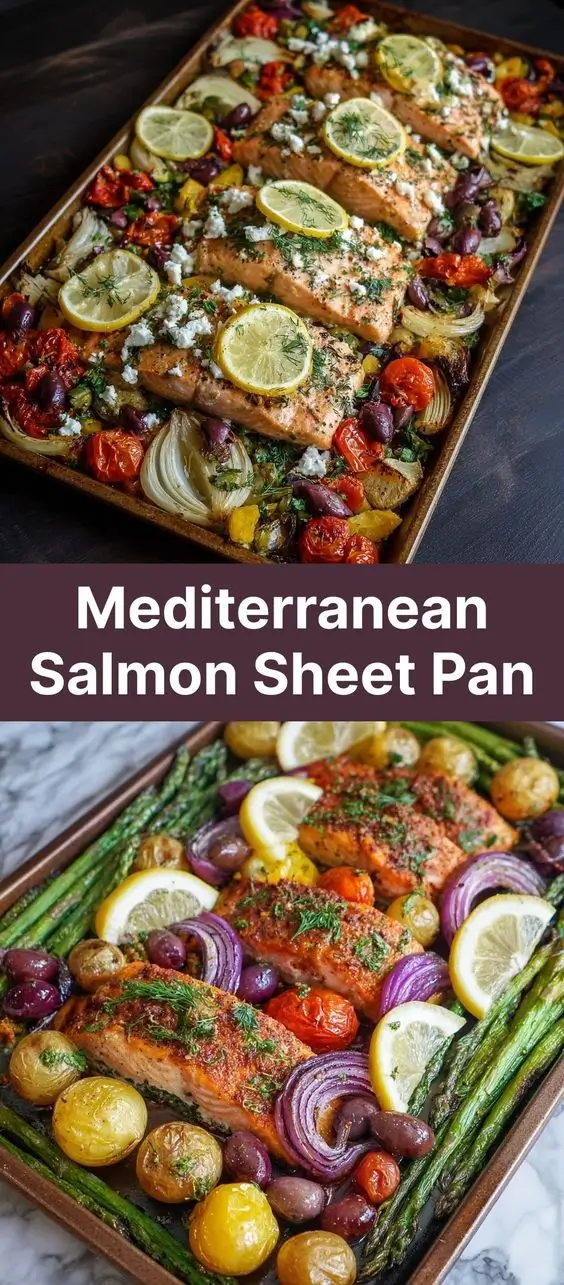
Mediterranean Salmon Sheet Pan: A Flavorful, Healthy, and Effortless One-Pan Wonder
The History of Mediterranean-Inspired Cooking
The Mediterranean diet is rooted in the traditional eating habits of countries bordering the Mediterranean Sea—such as Greece, Italy, Spain, southern France, and parts of the Middle East. For centuries, these regions have thrived on a culinary philosophy emphasizing fresh vegetables, whole grains, legumes, olive oil, fish, and moderate amounts of dairy and wine. This way of eating was not initially designed as a “diet” but evolved naturally from the agricultural abundance and coastal access to seafood.
In the 1950s, American scientist Ancel Keys conducted the famous Seven Countries Study, which highlighted that populations following a Mediterranean-style diet had significantly lower rates of heart disease and increased longevity. Since then, this dietary pattern has been widely studied and celebrated for its health benefits. The Mediterranean salmon sheet pan recipe draws inspiration from these time-honored traditions, combining nutrient-rich salmon with vibrant vegetables, aromatic herbs, and heart-healthy fats—all roasted together for maximum flavor and minimal cleanup.
Ingredients Breakdown: Why Each Component Matters
- Salmon Fillets: Rich in omega-3 fatty acids, high-quality protein, and essential vitamins like B12 and D, salmon is a cornerstone of heart-healthy diets. Wild-caught salmon is preferred for its superior nutrient profile and sustainability.
- Cherry Tomatoes: Bursting with antioxidants like lycopene and vitamin C, these sweet-tart tomatoes add color, acidity, and juiciness to the dish as they roast and caramelize slightly.
- Zucchini: Low in calories and high in water content, zucchini provides fiber and adds a tender texture when roasted. It readily absorbs the flavors of olive oil and herbs.
- Red Bell Pepper: Packed with vitamin C (even more than oranges!), red peppers bring sweetness, crunch, and a pop of bright color to the tray.
- Red Onion: Adds sharpness when raw, but mellows into a jammy, sweet component when roasted. Contains quercetin, a flavonoid with anti-inflammatory properties.
- Kalamata Olives: These briny Greek olives contribute healthy monounsaturated fats, a bold Mediterranean flavor, and a satisfying bite.
- Lemon: Fresh lemon juice and zest brighten the entire dish, cutting through richness and enhancing other flavors without adding salt.
- Extra Virgin Olive Oil: The foundation of the Mediterranean diet, EVOO offers heart-protective polyphenols and helps crisp the salmon skin while preventing sticking.
- Fresh Herbs (Dill and Parsley): Dill brings a delicate anise-like freshness that pairs perfectly with salmon, while parsley adds earthy brightness and visual appeal.
- Garlic: A staple in Mediterranean cooking, garlic imparts depth and has well-documented immune-boosting and anti-inflammatory effects.
- Sea Salt & Black Pepper: Natural seasonings that enhance flavor without overpowering the fresh ingredients.
Step-by-Step Recipe: How to Make Mediterranean Salmon Sheet Pan
- Preheat the Oven: Set your oven to 400°F (200°C). This temperature ensures the vegetables roast evenly and the salmon cooks through without drying out.
- Prepare the Baking Sheet: Line a large rimmed baking sheet with parchment paper or lightly grease it with olive oil to prevent sticking and simplify cleanup.
- Chop the Vegetables: Wash and dry all produce. Slice zucchini into half-moons about ½ inch thick. Cut red bell pepper into 1-inch chunks. Halve the red onion into wedges. Keep cherry tomatoes whole.
- Toss the Vegetables: In a large bowl, combine the chopped zucchini, red bell pepper, red onion, and cherry tomatoes. Drizzle with 3 tablespoons of extra virgin olive oil, the juice of half a lemon, 2 minced garlic cloves, 1 teaspoon dried oregano (or 1 tablespoon fresh), salt, and freshly ground black pepper. Toss well to coat every piece evenly.
- Arrange on Pan: Spread the vegetable mixture in a single layer across the baking sheet, ensuring space between pieces so they roast instead of steam.
- Season the Salmon: Pat the salmon fillets dry with paper towels. Place them skin-side down (if skin-on) on top of or nestled among the vegetables. Drizzle each fillet with a little olive oil, then sprinkle with salt, pepper, lemon zest, and a pinch of oregano. Add lemon slices on top of each fillet for extra aroma and moisture.
- Add Olives: Scatter Kalamata olives around the pan. They don’t need tossing—just place them gently among the veggies and fish.
- Roast: Place the sheet pan in the preheated oven and roast for 18–22 minutes, depending on the thickness of your salmon. The salmon should flake easily with a fork and reach an internal temperature of 145°F (63°C).
- Finish with Fresh Herbs: Remove the pan from the oven and immediately sprinkle with chopped fresh dill and parsley. Squeeze additional lemon juice over everything if desired.
- Serve: Serve directly from the pan or transfer portions to plates. Optionally, drizzle with a touch more olive oil or a balsamic glaze for added complexity.
Tips for the Perfect Mediterranean Salmon Sheet Pan
- Uniform Cutting: Cut vegetables to similar sizes so they cook evenly. Smaller pieces may burn; larger ones might stay undercooked.
- Don’t Overcrowd: Use two pans if necessary. Overlapping ingredients lead to steaming rather than roasting, resulting in soggy textures.
- Skin-On vs. Skin-Off Salmon: Skin-on salmon retains more moisture during roasting and crisps up beautifully. If using skinless, reduce cooking time by 2–3 minutes.
- Check Early: Ovens vary. Start checking at 16 minutes to avoid overcooking the salmon, which can become dry.
- Use High-Quality Olive Oil: Since it’s used both in cooking and finishing, choose a good extra virgin olive oil with a fruity, peppery note.
- Acid Balance: Taste before serving. A splash more lemon juice can lift the entire dish if it tastes flat.
- Let It Rest: Allow the salmon to rest for 2–3 minutes after removing from the oven. This helps redistribute juices for a moist bite.
- Crispy Edges? For caramelized vegetables, broil for the last 2 minutes—but watch closely to prevent burning.
Variations and Customizations
This recipe is highly adaptable based on seasonal availability, dietary preferences, or pantry staples. Here are some delicious twists:
- Vegetable Swaps: Try eggplant, yellow squash, artichoke hearts, fennel, or asparagus instead of zucchini or peppers.
- Add Potatoes: For a heartier meal, include baby potatoes or sweet potato cubes. Parboil them first for even cooking.
- Protein Alternatives: Substitute salmon with trout, cod, chicken breasts, or even chickpeas for a vegetarian version.
- Citrus Variations: Use orange slices or blood orange juice for a sweeter, floral note.
- Herb Changes: Swap dill for basil, mint, or thyme depending on your flavor preference.
- Spice It Up: Add red pepper flakes, smoked paprika, or harissa paste for heat and depth.
- Cheese Addition: Sprinkle with crumbled feta cheese just before serving for a creamy, tangy finish—classic in Greek cuisine.
- Grain Pairing: Serve over couscous, quinoa, farro, or brown rice to make it a complete grain bowl.
- Marinated Version: Marinate salmon in lemon, olive oil, garlic, and herbs for 30 minutes before roasting for intensified flavor.
- Make-Ahead Prep: Chop vegetables and store them in containers up to 2 days ahead. Assemble and roast when ready.
Health Considerations and Nutritional Value
The Mediterranean salmon sheet pan isn’t just delicious—it’s a powerhouse of nutrition aligned with science-backed health benefits.
- Heart Health: Omega-3 fatty acids in salmon reduce triglycerides, lower blood pressure, and decrease the risk of arrhythmias. Combined with olive oil and antioxidant-rich vegetables, this dish supports cardiovascular wellness.
- Anti-Inflammatory Properties: Ingredients like garlic, olive oil, tomatoes (lycopene), and fatty fish help combat chronic inflammation linked to arthritis, diabetes, and certain cancers.
- Weight Management: High in protein and fiber, this meal promotes satiety, helping control appetite and reduce snacking.
- Brain Function: DHA, a type of omega-3 in salmon, is essential for brain development and cognitive maintenance, potentially reducing the risk of dementia.
- Diabetes-Friendly: Low in refined carbs and rich in healthy fats and fiber, this dish has a low glycemic load, making it suitable for blood sugar management.
- Digestive Health: The variety of vegetables supplies prebiotic fibers that feed beneficial gut bacteria, supporting microbiome balance.
- Nutrient Density: Every ingredient contributes vitamins and minerals—vitamin C from peppers, potassium from zucchini, iron from greens, calcium from bones (in canned salmon), and more.
Nutritional Estimate (per serving, serves 4):
| Nutrient | Amount |
|---|---|
| Calories | ~420 kcal |
| Protein | 34g |
| Fat | 26g (mostly unsaturated) |
| Carbohydrates | 12g |
| Fiber | 4g |
| Sugar | 7g (natural) |
| Sodium | ~450mg (varies with olives and added salt) |
| Omega-3 Fatty Acids | ~2,000mg |
Note: Values are approximate and depend on ingredient sizes and brands. Reduce sodium by rinsing olives or using low-salt versions.
Ingredients
- 4 wild-caught salmon fillets (6 oz each), skin-on preferred
- 1 pint cherry tomatoes, halved if large
- 2 medium zucchinis, sliced into half-moons
- 1 large red bell pepper, chopped
- 1 medium red onion, cut into wedges
- ½ cup Kalamata olives, pitted
- 3 tablespoons extra virgin olive oil (plus more for drizzling)
- Juice and zest of 1 large lemon
- 3 cloves garlic, minced
- 1 teaspoon dried oregano (or 1 tbsp fresh)
- 1 teaspoon sea salt (adjust to taste)
- Freshly ground black pepper, to taste
- ¼ cup fresh dill, chopped
- ¼ cup fresh parsley, chopped
- 4 thin lemon slices (for topping)
Directions
- Preheat oven to 400°F (200°C). Line a large sheet pan with parchment paper.
- In a large mixing bowl, combine cherry tomatoes, zucchini, red bell pepper, and red onion.
- Add olive oil, lemon juice, minced garlic, oregano, salt, and pepper. Toss until vegetables are evenly coated.
- Spread the vegetable mixture in a single layer on the prepared sheet pan.
- Pat salmon fillets dry and place them on the pan, spacing them evenly among the vegetables. Place skin-side down if applicable.
- Drizzle salmon with olive oil, then season with salt, pepper, lemon zest, and a pinch of oregano. Top each fillet with a lemon slice.
- Scatter Kalamata olives around the pan.
- Roast in the preheated oven for 18–22 minutes, or until salmon is opaque and flakes easily with a fork.
- Remove from oven and let rest for 2–3 minutes.
- Sprinkle generously with fresh dill and parsley. Squeeze additional lemon juice over the top if desired.
- Serve warm, straight from the pan or plated individually.
FAQ
- Can I use frozen salmon?
- Yes, but thaw it completely in the refrigerator overnight before cooking. Cooking frozen salmon may result in uneven texture and excess moisture.
- Is it safe to cook fish and vegetables on the same pan?
- Absolutely! As long as everything reaches proper internal temperatures and you avoid cross-contamination during prep, it’s perfectly safe and common in Mediterranean cooking.
- How do I store leftovers?
- Cool within 2 hours and store in an airtight container in the refrigerator for up to 3 days. Reheat gently in the oven or eat cold in salads.
- Can I freeze this dish?
- While possible, reheated roasted vegetables may become mushy. It’s best enjoyed fresh or refrigerated short-term.
- What sides go well with this?
- Try crusty whole-grain bread, hummus, tabbouleh, tzatziki, or a simple arugula salad with lemon vinaigrette.
- Can I cook this at a different temperature?
- You can roast at 375°F for 25 minutes for slower, even cooking, or 425°F for 15–18 minutes for crispier edges—monitor closely.
- Are there sustainability concerns with salmon?
- Yes. Opt for wild-caught Alaskan salmon or responsibly farmed options certified by organizations like MSC or Aquaculture Stewardship Council (ASC).
- Can I make this keto-friendly?
- It already is! With only 12g net carbs per serving, this recipe fits perfectly into a ketogenic or low-carb lifestyle.
- Why did my vegetables turn soggy?
- Likely causes: overcrowding the pan, not using enough oil, or using a pan without a rim. Always spread ingredients in a single layer.
- Can I add other seafood?
- Shrimp can be added during the last 8–10 minutes of cooking. Mussels or scallops also work but require careful timing.
Summary
The Mediterranean Salmon Sheet Pan is a vibrant, nutritious, and easy-to-make meal that brings the sun-soaked flavors of the Mediterranean coast right into your kitchen—perfect for busy weeknights or elegant weekend dinners.
Packed with heart-healthy salmon, colorful seasonal vegetables, and aromatic herbs, all roasted on one pan for effortless preparation and cleanup, this dish embodies the essence of wholesome, delicious living.