Introduction
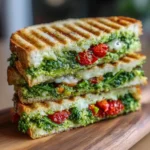
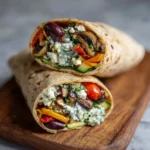
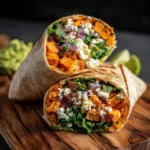
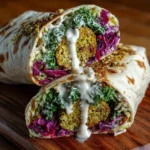
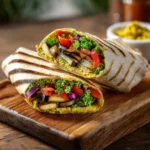
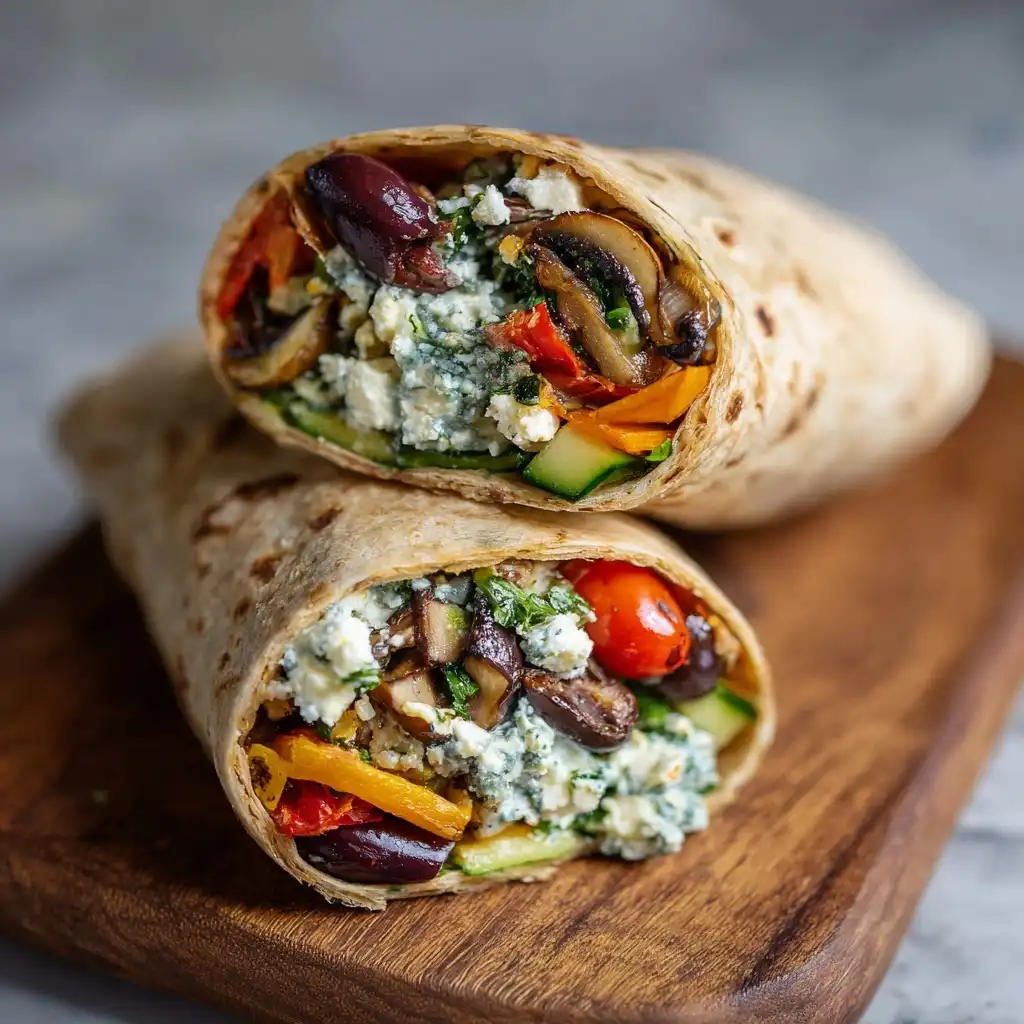
The Mediterranean Veggie Wrap is a vibrant, nutrient-dense, and flavor-forward handheld meal that captures the essence of sun-drenched coastal cuisines—from Greece and Lebanon to Morocco and Southern Italy. More than just a convenient lunch option, it’s a celebration of fresh produce, aromatic herbs, wholesome grains, and heart-healthy fats. Light yet satisfying, plant-forward yet deeply flavorful, this wrap embodies the principles of the acclaimed Mediterranean Diet: balance, seasonality, simplicity, and joy in eating. Whether you’re seeking a quick weekday lunch, a post-workout refuel, a picnic staple, or a vegan-friendly crowd-pleaser for gatherings, this versatile wrap delivers on taste, texture, nutrition, and visual appeal—all wrapped neatly in a soft, pliable flatbread.
The History
While the modern “wrap” as a portable food format gained global popularity in the late 20th century—particularly with the rise of Middle Eastern-inspired fast-casual chains—the roots of the Mediterranean Veggie Wrap stretch back centuries across multiple culinary traditions. In the Levant, warak enab (stuffed grape leaves) and fatayer (herb- or spinach-filled pastries) demonstrate early ingenuity in encasing vegetables in edible wrappers. Across the Eastern Mediterranean, Greeks have long served horiatiki (village salad) alongside warm pita, often folding both together informally—a direct precursor to today’s structured veggie wrap. In North Africa, Moroccan msakhan and Tunisian brik highlight layered vegetable fillings with olive oil, lemon, and spices, while Turkish lahmacun and Lebanese manakish showcase flatbreads as edible canvases for fresh toppings. The contemporary Mediterranean Veggie Wrap emerged organically in the 1990s–2000s as health-conscious chefs, dietitians, and home cooks began adapting these time-honored elements—tzatziki, hummus, tabbouleh, roasted eggplant, marinated artichokes—into accessible, customizable, and portable formats aligned with evolving dietary science. Its ascent parallels growing global recognition of the Mediterranean Diet as a gold standard for longevity and chronic disease prevention, endorsed by the WHO, Harvard T.H. Chan School of Public Health, and the American Heart Association.
Ingredients Breakdown
Every ingredient in this wrap is intentionally selected—not only for its contribution to taste and texture but also for its functional role in building a nutritionally synergistic meal:
- Whole-Grain or Sprouted Flatbread: Provides complex carbohydrates, fiber (3–5g per serving), B vitamins, and phytonutrients. Opting for sprouted varieties enhances bioavailability of iron, zinc, and magnesium.
- Hummus (Classic or Roasted Red Pepper): A creamy, protein-rich base (7–10g protein per ¼ cup) made from chickpeas, tahini, lemon, and garlic—delivering plant-based protein, healthy monounsaturated fats, fiber, and calcium from sesame.
- Cucumber (English or Persian, thinly sliced): Adds crisp hydration (96% water), vitamin K, silica for skin elasticity, and natural enzymes that aid digestion.
- Cherry Tomatoes (halved or quartered): Burst with lycopene—a potent antioxidant enhanced by olive oil—and vitamin C, potassium, and folate.
- Red Onion (thinly sliced & soaked): Soaking in cold water or vinegar mellows sharpness while preserving quercetin (a flavonoid with anti-inflammatory and antihistamine properties).
- Kalamata Olives (pitted & halved): A signature Mediterranean fat source rich in oleic acid, polyphenols like hydroxytyrosol (linked to improved endothelial function), and sodium in balanced, mineral-rich proportions.
- Roasted Red Peppers (jarred or homemade): Sweet, smoky, and tender—loaded with vitamin A (as beta-carotene), vitamin C (even more than oranges, gram-for-gram), and capsaicinoids that support metabolic health.
- Spring Mix or Baby Spinach: Offers chlorophyll, nitrates (shown to improve blood flow and exercise efficiency), and a broad spectrum of carotenoids including lutein and zeaxanthin for eye health.
- Feta Cheese (crumbled, optional but traditional): Adds tangy depth, calcium, and conjugated linoleic acid (CLA)—a naturally occurring trans-fat associated with improved body composition and reduced inflammation when consumed in moderation.
- Fresh Herbs (dill, mint, parsley, or basil): Not mere garnish—these are functional powerhouses. Mint aids digestion; parsley is exceptionally high in vitamin K and apigenin (a neuroprotective flavone); dill contains antimicrobial terpenes; basil delivers eugenol, a COX-2 inhibitor similar to ibuprofen’s mechanism.
- Lemon-Tahini Drizzle: A bright, emulsified finish combining lemon juice (vitamin C + citric acid for iron absorption), tahini (sesame paste rich in copper, zinc, and lignans), extra-virgin olive oil (polyphenol-rich), and a touch of maple syrup or date syrup for balance.
- Optional Add-Ins: Marinated artichoke hearts (prebiotic fiber + cynarin for liver support), grilled zucchini ribbons (low-calorie volume + lutein), crumbled toasted walnuts (omega-3 ALA + ellagic acid), or pickled red cabbage (probiotics + anthocyanins).
Step-by-Step Recipe
- Prepare the Base Layer: Warm your flatbread gently in a dry skillet over medium-low heat for 20–30 seconds per side—just until pliable and slightly puffed. Avoid overheating, which can cause cracking. Transfer to a clean work surface.
- Spread the Hummus: Using an offset spatula or the back of a spoon, evenly spread ⅓–½ cup of hummus in a 4-inch-wide strip down the center of the wrap—leaving a 1-inch border at the bottom (for folding) and 2 inches at the top (to prevent spillage).
- Layer the Greens: Place a generous handful (about 1 cup) of spring mix or baby spinach directly over the hummus, spreading it evenly from edge to edge but keeping it centered.
- Add the Vegetables Systematically: Starting from the bottom upward: arrange cucumber slices in a single layer, then cherry tomatoes, followed by roasted red peppers, red onion, and Kalamata olives. Distribute ingredients evenly—not heaped—to ensure structural integrity.
- Incorporate Cheese & Herbs: If using feta, scatter 2–3 tablespoons evenly over the vegetables. Then sprinkle generously with fresh herbs—aim for color contrast and aromatic lift (e.g., mint + parsley for brightness, or dill + basil for earthiness).
- Drizzle Thoughtfully: Lightly dress the filling with 1–2 teaspoons of lemon-tahini drizzle—enough to enhance flavor without saturating the bread. Reserve extra for dipping or finishing.
- Fold with Precision: First, fold the bottom edge up over the filling (about 1.5 inches). Next, fold both left and right sides inward toward the center, overlapping slightly. Finally, roll tightly upward from the bottom, applying gentle, even pressure to compact layers without squeezing out ingredients.
- Secure & Rest: Place the wrap seam-side down on a plate. Optional but recommended: wrap snugly in parchment paper, then foil or reusable beeswax wrap—and let rest for 5 minutes. This allows flavors to meld, starches to set, and prevents unraveling during slicing or transport.
- Serve Intentionally: Slice diagonally with a serrated knife for elegant presentation. Serve immediately—or pack chilled for up to 8 hours. Accompany with extra lemon wedges, a small bowl of tzatziki or harissa-yogurt sauce, and a side of mixed olives or whole-grain pita chips.
Tips
- Flatbread Selection Matters: Choose pliable, flexible wraps—look for “spinach,” “tomato,” or “multigrain” varieties with minimal gums or preservatives. Avoid overly thick or brittle tortillas. For gluten-free options, try brown rice or cassava-based wraps—but note they may require light steaming before use.
- Prevent Sogginess Like a Pro: Always pat dry watery ingredients—especially tomatoes, cucumbers, and roasted peppers—with paper towels before assembling. Consider placing greens *under* hummus for extra barrier protection, or add them last-minute if prepping ahead.
- Warm, Don’t Toast: Brief warming makes flatbreads supple—but toasting dries them out and increases breakage risk. Use low heat and never microwave unless absolutely necessary (and then only for 5–8 seconds).
- Build Low & Centered: Keep fillings below the midpoint of the wrap and avoid overloading near the edges. A well-balanced weight distribution ensures clean rolls and no leakage.
- Herb Timing Is Key: Add delicate herbs like basil or mint *after* rolling—or just before serving—to preserve freshness and volatile oils. Heartier herbs like parsley or oregano can be layered earlier.
- Make-Ahead Strategy: Prep components separately up to 3 days in advance: wash/dry greens, slice veggies, make hummus & drizzle, crumble cheese. Assemble within 1 hour of eating for optimal texture—or follow the parchment+foil wrap + chill method for best results.
- Rolling Technique Refinement: Practice the “tuck-and-roll”: after folding the bottom flap, use your fingers to tuck the filling tightly inward as you begin the first full rotation—this creates a secure core that supports subsequent turns.
- Double-Wrap for Durability: For meal prep or picnics, wrap the finished veggie wrap first in parchment, then in aluminum foil or a reusable silicone sleeve. This locks in moisture, prevents sticking, and adds structural reinforcement.
- Acidity Balances Everything: A final micro-grate of lemon zest or a few drops of sherry vinegar just before serving lifts all flavors and cuts through richness—don’t skip this brightening step.
- Temperature Contrast Enhances Experience: Serve fillings at cool room temperature—not fridge-cold—to preserve texture and aroma. Cold ingredients can mute herbal notes and stiffen hummus.
Variations and Customizations
Dietary Adaptations
- Vegan: Omit feta or substitute with almond- or tofu-based “feta” (marinated in lemon, capers, and nutritional yeast). Ensure hummus is tahini- and oil-based (no dairy whey or honey).
- Gluten-Free: Use certified GF flatbreads (brown rice, coconut, or cassava) and verify all packaged ingredients (e.g., some jarred roasted peppers contain wheat-derived vinegar).
- Low-FODMAP: Swap hummus for white bean dip (canned cannellini beans, rinsed thoroughly), omit onion/garlic, use chives instead of red onion, and limit cherry tomatoes to 5 halves per wrap.
- Keto/Low-Carb: Replace flatbread with large butter lettuce cups (romaine or Bibb) or grilled eggplant rounds. Boost healthy fats with avocado slices, extra olives, and olive oil–based dressings.
- Higher-Protein: Add ¼ cup cooked quinoa, 2 tbsp hemp hearts, 3 oz grilled halloumi, or ½ cup crumbled tempeh marinated in za’atar and lemon.
Regional Twists
- Greek-Inspired: Use whole-wheat pita, add diced cucumber + tomato + red onion (classic horiatiki style), swap feta for sheep’s milk feta, and finish with dried oregano + lemon zest.
- Lebanese-Inspired: Feature za’atar-spiced hummus, add pickled turnips, sumac-dusted red onions, and a drizzle of pomegranate molasses.
- Moroccan-Inspired: Incorporate preserved lemon peel, harissa-infused hummus, spiced roasted carrots & chickpeas, and a garnish of toasted slivered almonds + cilantro.
- Italian-Inspired: Use sun-dried tomato flatbread, layer in marinated artichokes, roasted zucchini, basil pesto (instead of hummus), and shaved pecorino Romano.
- Turkish-Inspired: Add lightly sautéed spinach with pine nuts, yogurt-tahini sauce, and a sprinkle of pul biber (Aleppo pepper) for gentle heat.
Seasonal Rotations
- Spring: Asparagus ribbons, pea shoots, radish microgreens, lemon-herb white bean spread, fresh mint & chives.
- Summer: Heirloom tomato fans, grilled corn kernels, heirloom cucumber ribbons, basil oil drizzle, watermelon-feta bites on the side.
- Fall: Roasted delicata squash, caramelized red onion, arugula, walnut-rosemary hummus, pomegranate arils.
- Winter: Roasted beet ribbons, braised kale, orange segments, tahini-orange dressing, toasted pumpkin seeds.
Flavor-Boosting Swaps
- Hummus Alternatives: Whipped fava bean dip, roasted carrot & ginger spread, green olive & caper tapenade, or silken tofu–based “tzatziki.”
- Green Alternatives: Massaged kale (for chew + nutrients), shredded Napa cabbage (for crunch + prebiotics), or chopped romaine (for mild sweetness).
- Brine & Pickle Accents: Pickled red onions, jalapeños, giardiniera, or fermented carrots add acidity, probiotics, and complexity.
- Crunch Elements: Toasted pine nuts, crushed pistachios, crispy roasted chickpeas, or julienned jicama.
- Umami Lifters: A few drops of tamari or coconut aminos, sun-dried tomato powder, or nutritional yeast “cheese” sprinkles.
Health Considerations and Nutritional Value
A thoughtfully assembled Mediterranean Veggie Wrap is not just delicious—it’s a clinically supported cornerstone of preventive nutrition. Based on a standard 10-inch whole-grain flatbread version with ½ cup hummus, 1 cup mixed greens, ½ cup assorted vegetables, 2 tbsp feta, 10 kalamata olives, 2 tsp lemon-tahini drizzle, and fresh herbs, here’s a detailed nutritional profile per serving (approx. 520–580 kcal):
- Macronutrient Balance: ~22–26g plant-based protein (from chickpeas, tahini, feta, greens), ~28–32g heart-healthy monounsaturated and polyunsaturated fats (primarily from olives, olive oil, tahini, and nuts/seeds), and ~55–65g complex carbohydrates—including 12–16g of dietary fiber (meeting ~45–65% of daily needs). This ratio supports sustained energy, satiety, and stable blood glucose.
- Fiber Diversity: Soluble fiber (from chickpeas, oats in some flatbreads, and roasted peppers) helps modulate cholesterol and feed beneficial gut bacteria; insoluble fiber (from whole grains, cucumber skins, leafy greens) promotes regularity and digestive resilience.
- Phytonutrient Density: Contains over 30 unique polyphenols—including oleuropein (olives), lycopene (tomatoes), apigenin (parsley), luteolin (celery seed in some hummus), and curcuminoids (if turmeric-spiced)—working synergistically to reduce oxidative stress and inhibit NF-kB inflammatory pathways.
- Vitamin & Mineral Synergy: Vitamin C (tomatoes, lemon, peppers) enhances non-heme iron absorption from spinach and chickpeas; vitamin K (greens, herbs) supports bone matrix formation and arterial health; magnesium (spinach, tahini, whole grains) aids muscle relaxation and insulin sensitivity; calcium (feta, tahini, fortified flatbreads) pairs with vitamin D (from sunlight exposure, not food) for skeletal integrity.
- Cardio-Metabolic Support: Clinical trials (e.g., PREDIMED study) confirm that diets rich in EVOO, nuts, legumes, vegetables, and moderate dairy significantly reduce incidence of major cardiovascular events by up to 30%. The wrap’s low sodium (<550mg, if unsalted olives/feta used), zero added sugar, and absence of refined grains align perfectly with AHA/ACC guidelines.
- Gut Microbiome Benefits: Prebiotic fibers (inulin from artichokes, resistant starch from cooled chickpeas, pectin from tomatoes) nourish Bifidobacterium and Lactobacillus; polyphenols act as selective antimicrobials; fermented elements (if pickled onions or kimchi-style additions used) contribute live microbes.
- Considerations for Specific Populations:
- For Hypertension: Limit feta to 1 tbsp and choose low-sodium olives; boost potassium with extra spinach, tomato, and avocado.
- For Diabetes: Prioritize high-fiber flatbread, add vinegar-based dressings (slows gastric emptying), and pair with a side of apple cider vinegar–marinated cucumber for improved postprandial glucose response.
- For Pregnancy: Include folate-rich spinach and lentil-based hummus; ensure feta is pasteurized; add chia or flax seeds for omega-3 ALA conversion support.
- For Kidney Health: Reduce olives and feta; increase low-potassium veggies like zucchini, cabbage, and green beans; use lemon juice instead of salt for flavor.
- Anti-Inflammatory Alignment: This wrap avoids pro-inflammatory triggers—refined sugars, industrial seed oils, ultra-processed ingredients, and excess saturated fat—while emphasizing compounds clinically shown to lower CRP, IL-6, and TNF-alpha: oleocanthal (EVOO), resveratrol (grapes in some roasted peppers), and sulforaphane (if broccoli sprouts added).
Importantly, the Mediterranean Veggie Wrap exemplifies *nutrient density per calorie*—delivering maximal vitamins, minerals, antioxidants, and fiber without caloric excess. It is inherently adaptable to therapeutic diets (MIND, DASH, Portfolio) and reflects the latest understanding of food as medicine: not isolated nutrients, but whole-food matrices interacting dynamically within the human ecosystem.
Ingredients
- 1 (10-inch) whole-grain or sprouted grain flatbread (certified gluten-free if needed)
- ⅓–½ cup plain or roasted red pepper hummus (homemade or high-quality store-bought, no added sugar)
- 1 cup mixed spring greens or baby spinach, washed and thoroughly dried
- ½ English cucumber, very thinly sliced (or ¾ cup Persian cucumber ribbons)
- ¾ cup cherry tomatoes, halved or quartered
- ¼ cup thinly sliced red onion, soaked in ice water for 5 minutes and drained
- ⅓ cup roasted red peppers (jarred, packed in water or EVOO—drained and patted dry)
- 10–12 pitted Kalamata olives, halved
- 2–3 tablespoons crumbled pasteurized feta cheese (optional but traditional)
- 2 tablespoons fresh chopped herbs (a blend of parsley, mint, and/or dill)
- 1–2 teaspoons Lemon-Tahini Drizzle (see Directions)
- Extra virgin olive oil, flaky sea salt, and freshly ground black pepper for finishing (optional)
Lemon-Tahini Drizzle:
Combine in a small bowl: 1 tablespoon well-stirred tahini, 1 tablespoon fresh lemon juice, 1 teaspoon extra virgin olive oil, ½ teaspoon pure maple syrup or date syrup, a pinch of garlic powder (or ¼ clove minced), and a pinch of salt. Whisk until smooth, adding 1–2 tsp warm water as needed to reach pourable consistency.
Directions
- Prepare the Lemon-Tahini Drizzle: In a small mixing bowl, combine tahini, lemon juice, olive oil, maple syrup, garlic powder, and salt. Whisk vigorously until creamy and smooth. Gradually add warm water, ½ teaspoon at a time, until the mixture reaches a silky, pourable consistency—similar to heavy cream. Set aside.
- Warm the Flatbread: Heat a dry cast-iron or nonstick skillet over medium-low heat. Place flatbread in skillet and warm for 20–30 seconds per side—just until soft and pliable, with faint golden spots. Do not brown or crisp. Transfer to a clean, dry work surface.
- Spread the Hummus: Using a small offset spatula or the back of a spoon, spread hummus evenly in a horizontal band across the center of the flatbread—approximately 4 inches wide and ½ inch thick—leaving a 1-inch margin at the bottom edge and 2 inches at the top.
- Add Greens: Place the entire 1 cup of dried spring mix or spinach directly over the hummus, spreading gently to cover the hummus layer completely while keeping it centered.
- Layer Vegetables in Order: Arrange ingredients sequentially from bottom to top (closest to you): cucumber slices → cherry tomatoes → red onion → roasted red peppers → Kalamata olives. Distribute evenly—do not pile high at any one point.
- Incorporate Cheese & Herbs: Scatter feta evenly over vegetables. Then generously sprinkle fresh herbs across the entire surface—ensuring aromatic distribution in every bite.
- Drizzle with Flavor: Gently spoon or squeeze 1–2 teaspoons of Lemon-Tahini Drizzle over the topmost layer. Avoid oversaturating—less is more for structural integrity.
- Fold with Care: Fold the bottom 1.5-inch edge up and over the filling. Then fold the left and right sides inward toward the center—overlapping slightly. Begin rolling tightly upward from the bottom fold, using gentle but firm pressure to compress layers as you go. Roll all the way to the top edge.
- Rest & Set: Place the completed wrap seam-side down on a plate. Wrap loosely but snugly in parchment paper, then fold over with aluminum foil or encase in a reusable wrap. Let rest at cool room temperature for 5 minutes—or refrigerate for up to 1 hour if prepping ahead. This allows starches to stabilize and flavors to harmonize.
- Serve: Unwrap and slice diagonally with a serrated knife. Serve immediately with lemon wedges, extra drizzle on the side, and a small bowl of tzatziki, Greek yogurt, or harissa-spiced yogurt for dipping.
FAQ
- Can I make this wrap ahead of time?
- Yes—with smart technique. Assemble up to 8 hours in advance using the parchment + foil wrapping method and refrigerate. For best texture, add delicate herbs and final drizzle just before serving. Hummus and roasted peppers hold well; avoid adding tomatoes or cucumbers more than 1 hour ahead unless thoroughly patted dry.
- What’s the best flatbread to prevent cracking?
- Sprouted grain, spinach, or tomato-flavored whole-wheat wraps tend to be most pliable. Look for brands with minimal gums (xanthan, guar) and no hydrogenated oils. If using standard flour tortillas, warm them longer (up to 45 sec/side) and consider brushing lightly with olive oil before warming.
- Is store-bought hummus okay—or should I make my own?
- High-quality store-bought hummus works beautifully—just read labels carefully. Avoid those with added sugar (often disguised as cane juice or maltodextrin), excessive sodium (>200mg per ¼ cup), or preservatives like potassium sorbate. Brands like Cedar’s, Roots, or Hope Foods offer clean-label options. Homemade allows full control over garlic intensity and tahini quality—ideal for sensitive palates.
- How do I keep the wrap from getting soggy?
- Sogginess stems from moisture migration. Counteract it by: (1) Patting *all* vegetables bone-dry; (2) Using hummus as a moisture barrier *under* greens; (3) Adding juicy items (tomatoes, peppers) *after* greens; (4) Never skipping the 5-minute rest—this sets the structure; (5) Serving chilled, not cold from the fridge.
- Can I freeze Mediterranean Veggie Wraps?
- Not recommended. Freezing degrades the texture of fresh vegetables, greens, and dairy-based cheeses, leading to mushiness and separation upon thawing. However, individual components—hummus, roasted peppers, herb blends, and even pre-portioned flatbreads—freeze exceptionally well for up to 3 months.
<