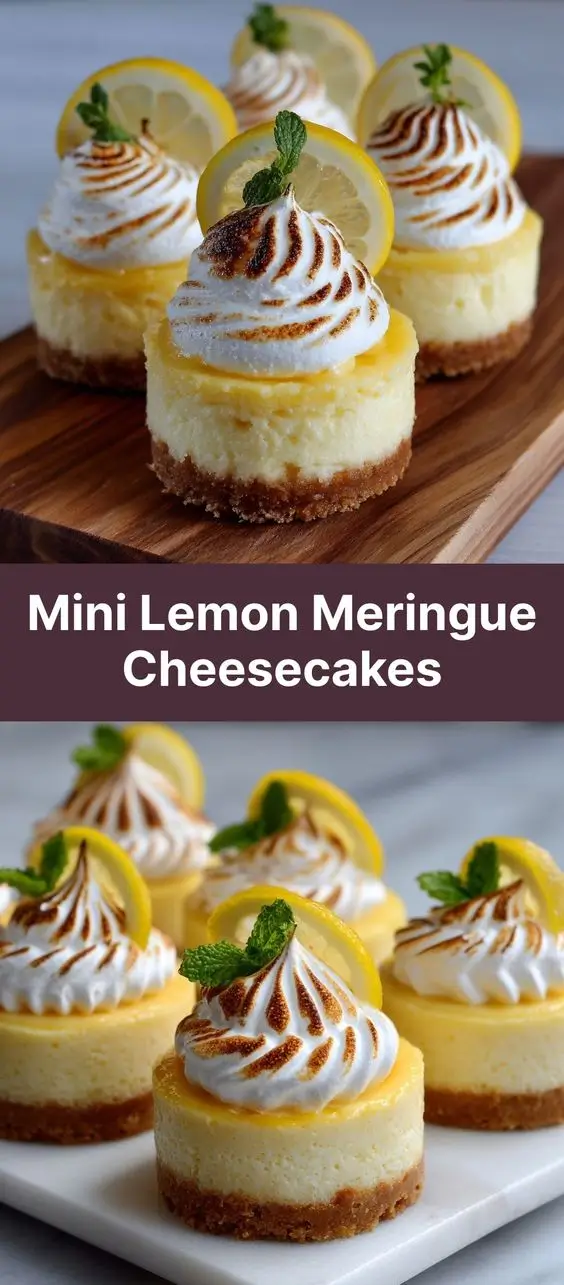
Mini Lemon Meringue Cheesecakes: A Zesty Delight in Every Bite
The History of Mini Lemon Meringue Cheesecakes
The story of mini lemon meringue cheesecakes is a delicious fusion of three beloved desserts—cheesecake, lemon meringue pie, and bite-sized indulgence. While cheesecake itself dates back to ancient Greece, where it was served to athletes during the first Olympic games, the modern version evolved through European and American culinary traditions. The classic New York-style cheesecake emerged in the late 19th century, known for its rich, creamy texture and graham cracker crust.
Lemon meringue pie, on the other hand, has roots in 19th-century Europe, particularly in France and Switzerland, where pastry chefs began experimenting with citrus curds and airy meringues. The marriage of these two iconic desserts—cheesecake and lemon meringue—was almost inevitable. By the mid-20th century, American home bakers began combining elements of both, seeking lighter, more refreshing alternatives to traditional heavy cheesecakes.
The miniaturization trend, which gained popularity in the 1980s and 1990s, brought about elegant individual desserts perfect for parties, brunches, and fine dining experiences. Mini lemon meringue cheesecakes emerged as a sophisticated treat that balanced tangy citrus, velvety cream cheese, and cloud-like meringue. Today, they are a staple at spring celebrations, bridal showers, and summer gatherings, symbolizing freshness, elegance, and homemade charm.
Ingredients Breakdown
Creating perfect mini lemon meringue cheesecakes requires careful selection and understanding of each ingredient. Here’s a detailed breakdown:
For the Crust:
- Graham Cracker Crumbs (1 ½ cups): These form the base, offering a slightly sweet, nutty foundation. You can substitute with digestive biscuits or vanilla wafers for a different flavor profile.
- Unsalted Butter (6 tablespoons, melted): Adds richness and helps bind the crumbs together. Use high-quality butter for the best taste and texture.
- Granulated Sugar (2 tablespoons): Enhances sweetness and promotes slight browning when baked.
For the Cheesecake Filling:
- Cream Cheese (16 oz, full-fat, room temperature): The star ingredient. Full-fat ensures a luxuriously smooth texture. Avoid low-fat versions, as they can make the filling grainy or watery.
- Granulated Sugar (⅓ cup): Sweetens the filling without overpowering the lemon’s brightness.
- Large Eggs (2): Provide structure and help the filling set properly. Room temperature eggs blend more smoothly into the mixture.
- Freshly Squeezed Lemon Juice (¼ cup): Delivers vibrant acidity and authentic citrus flavor. Bottled juice can be used but lacks the fresh zestiness.
- Lemon Zest (from 2 lemons): Intensifies the lemon aroma and adds depth. Be sure to wash lemons thoroughly before zesting.
- Vanilla Extract (1 teaspoon): Complements the lemon with warm, floral notes.
- Sour Cream (¼ cup): Adds tang and moisture, contributing to a silkier texture.
For the Meringue Topping:
- Egg Whites (4 large, room temperature): Must be free of yolk and any fat residue to whip properly.
- Cream of Tartar (¼ teaspoon): Stabilizes the egg whites and increases volume.
- Granulated Sugar (½ cup): Gradually incorporated to create a glossy, firm meringue.
- Vanilla Extract (¼ teaspoon, optional): Enhances flavor and masks any eggy smell.
Step-by-Step Recipe
Follow these detailed instructions to create flawless mini lemon meringue cheesecakes:
- Preheat and Prepare: Preheat your oven to 325°F (160°C). Line a 12-cup standard muffin tin with parchment paper liners or lightly grease regular cupcake liners to prevent sticking.
- Make the Crust: In a medium bowl, combine graham cracker crumbs, 2 tablespoons sugar, and melted butter. Mix until the texture resembles wet sand. Press about 1–2 tablespoons of the mixture firmly into the bottom of each liner using a small glass or measuring spoon. Bake for 8 minutes, then let cool while preparing the filling.
- Prepare the Cheesecake Batter: In a large mixing bowl, beat the softened cream cheese on medium speed until smooth and creamy (about 2 minutes). Scrape down the sides. Add sugar and beat until fully incorporated. Add eggs one at a time, beating just until combined after each addition—do not overmix. Stir in sour cream, lemon juice, lemon zest, and vanilla extract. Mix until smooth and uniform in color.
- Fill the Cups: Carefully pour the batter over the cooled crusts, filling each about ¾ full to allow room for the meringue. Tap the pan gently on the counter to release air bubbles.
- Bake the Cheesecakes: Place in the preheated oven and bake for 18–22 minutes, or until the edges are set but the centers still have a slight jiggle. Turn off the oven, crack the door open, and let the cheesecakes cool inside for 1 hour to prevent cracking.
- Cool Completely: Remove from oven and let cool completely at room temperature. Then refrigerate for at least 3 hours (or overnight) to fully set.
- Make the Meringue: Just before serving, prepare the meringue. In a clean, grease-free bowl, beat egg whites and cream of tartar on medium speed until soft peaks form. Gradually add sugar, one tablespoon at a time, increasing speed to high. Beat until stiff, glossy peaks form and the sugar is fully dissolved (test by rubbing between fingers—it should feel smooth).
- Add Meringue: Spoon or pipe the meringue onto each chilled cheesecake, making sure to seal the edges to prevent shrinking. Use a kitchen torch to brown the meringue lightly, creating golden peaks. Alternatively, place under a broiler for 1–2 minutes, watching closely to avoid burning.
- Serve: Serve immediately after torching or broiling for the best texture contrast.
Tips for Perfect Mini Lemon Meringue Cheesecakes
- Room Temperature Ingredients: Ensure cream cheese, eggs, and sour cream are at room temperature to prevent lumps and ensure a silky batter.
- Avoid Overmixing: Once eggs are added, mix only until incorporated. Overbeating introduces too much air, which can cause cracks.
- Use Fresh Lemons: Always use freshly squeezed lemon juice and finely grated zest for maximum flavor and brightness.
- Chill Before Topping: Never add meringue to warm or even room-temperature cheesecakes. They must be cold to support the meringue structure.
- Clean Bowl for Meringue: Any trace of fat or yolk will prevent egg whites from whipping properly. Wipe the bowl with vinegar or lemon juice before use.
- Seal the Edges: When applying meringue, touch it to the crust to “seal” it, preventing shrinkage during baking or torching.
- Torch with Care: Use a kitchen torch on a low setting and move constantly to avoid blackening. If using a broiler, keep the rack in the upper third of the oven.
- Serve Immediately: Meringue softens over time. For best results, assemble and brown the meringue just before serving.
Variations and Customizations
These mini delights are highly adaptable to suit different tastes and dietary needs:
- Lime or Orange Version: Substitute lemon juice and zest with lime or orange for a tropical twist.
- Gluten-Free Option: Use gluten-free graham crackers or almond flour for the crust.
- Dairy-Free Cheesecake: Replace cream cheese with cashew cream or vegan cream cheese, and use coconut oil instead of butter in the crust.
- Low-Sugar Version: Use a sugar substitute like erythritol or monk fruit in both the filling and meringue (ensure it’s heat-stable).
- Berry Swirl: Add a swirl of raspberry or blueberry compote to the filling before baking for a fruity contrast.
- Herb-Infused: Add a pinch of finely chopped basil or thyme to the filling for an herbal complexity.
- Chocolate Crust: Use chocolate graham crackers or add cocoa powder to the crust for a richer base.
- Mini Mason Jar Style: Layer ingredients in small mason jars for a no-bake, portable version (skip baking the filling and use whipped topping instead of meringue).
Health Considerations and Nutritional Value
While undeniably decadent, mini lemon meringue cheesecakes can be enjoyed in moderation as part of a balanced diet. Here’s a general nutritional breakdown per serving (1 mini cheesecake):
- Calories: ~220–250
- Total Fat: 15–18g (mostly from cream cheese and butter)
- Saturated Fat: 9–11g
- Cholesterol: 60–70mg
- Sodium: 180–220mg
- Total Carbohydrates: 20–24g
- Sugars: 15–18g (primarily from added sugars in crust and meringue)
- Protein: 4–5g
- Vitamin C: From lemon juice (~10% DV)
Considerations:
- High in saturated fat and sugar, so best enjoyed occasionally.
- Contains eggs and dairy; not suitable for those with allergies unless modified.
- Lemon juice provides antioxidants and vitamin C, supporting immune function.
- To reduce calorie content, consider smaller portions or light substitutions (though texture may vary).
Ingredients
Crust:
- 1 ½ cups graham cracker crumbs
- 6 tablespoons unsalted butter, melted
- 2 tablespoons granulated sugar
Filling:
- 16 oz (2 packages) full-fat cream cheese, room temperature
- ⅓ cup granulated sugar
- 2 large eggs, room temperature
- ¼ cup freshly squeezed lemon juice
- Zest of 2 lemons
- 1 teaspoon vanilla extract
- ¼ cup sour cream
Meringue:
- 4 large egg whites, room temperature
- ¼ teaspoon cream of tartar
- ½ cup granulated sugar
- ¼ teaspoon vanilla extract (optional)
Directions
- Preheat oven to 325°F (160°C). Line a 12-cup muffin tin with parchment or foil cupcake liners.
- In a bowl, mix graham cracker crumbs, 2 tbsp sugar, and melted butter. Press 1–2 tbsp into each liner. Bake for 8 minutes, then cool.
- Beat cream cheese until smooth. Add sugar and beat well. Add eggs one at a time, mixing just until blended. Stir in sour cream, lemon juice, zest, and vanilla.
- Pour filling over cooled crusts, filling ¾ full. Bake 18–22 minutes until edges are set and center jiggles slightly.
- Turn off oven, crack door, and let cool inside for 1 hour. Cool completely at room temperature, then refrigerate at least 3 hours.
- When ready to serve, beat egg whites and cream of tartar until soft peaks form. Gradually add sugar and beat until stiff, glossy peaks form. Add vanilla if using.
- Spoon or pipe meringue onto each cheesecake, sealing edges. Torch or broil until golden brown.
- Serve immediately.
FAQ
Can I make these ahead of time?
Yes! Bake and chill the cheesecakes up to 2 days in advance. Keep uncovered in the fridge. Add meringue and torch just before serving.
Why did my meringue weep or become soggy?
This usually happens if the meringue is added to a warm filling or if it sits too long before serving. Always use cold cheesecakes and serve immediately after browning.
Can I freeze mini lemon meringue cheesecakes?
It’s best to freeze them without meringue. Freeze the baked and chilled cheesecakes (without topping) for up to 1 month. Thaw in the fridge and add meringue fresh.
Can I use store-bought lemon juice?
Freshly squeezed is strongly recommended for superior flavor. Bottled juice often contains preservatives and lacks brightness.
How do I prevent cracked cheesecakes?
Avoid overmixing, bake at the correct temperature, and cool gradually in the turned-off oven. Water baths are less effective for mini versions due to size.
Can I make a vegan version?
Yes! Use plant-based cream cheese, flax eggs (though texture may differ), and aquafaba (chickpea brine) for the meringue. Whip aquafaba with sugar until stiff peaks form.
Summary
Mini lemon meringue cheesecakes combine the creamy richness of cheesecake, the bright tang of lemon curd, and the ethereal lightness of toasted meringue into one unforgettable bite-sized dessert.
Perfect for entertaining or treating yourself, these elegant treats bring sunshine to any table with their vibrant flavor and stunning presentation.