Introduction
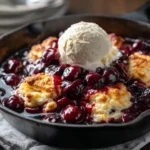
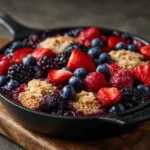
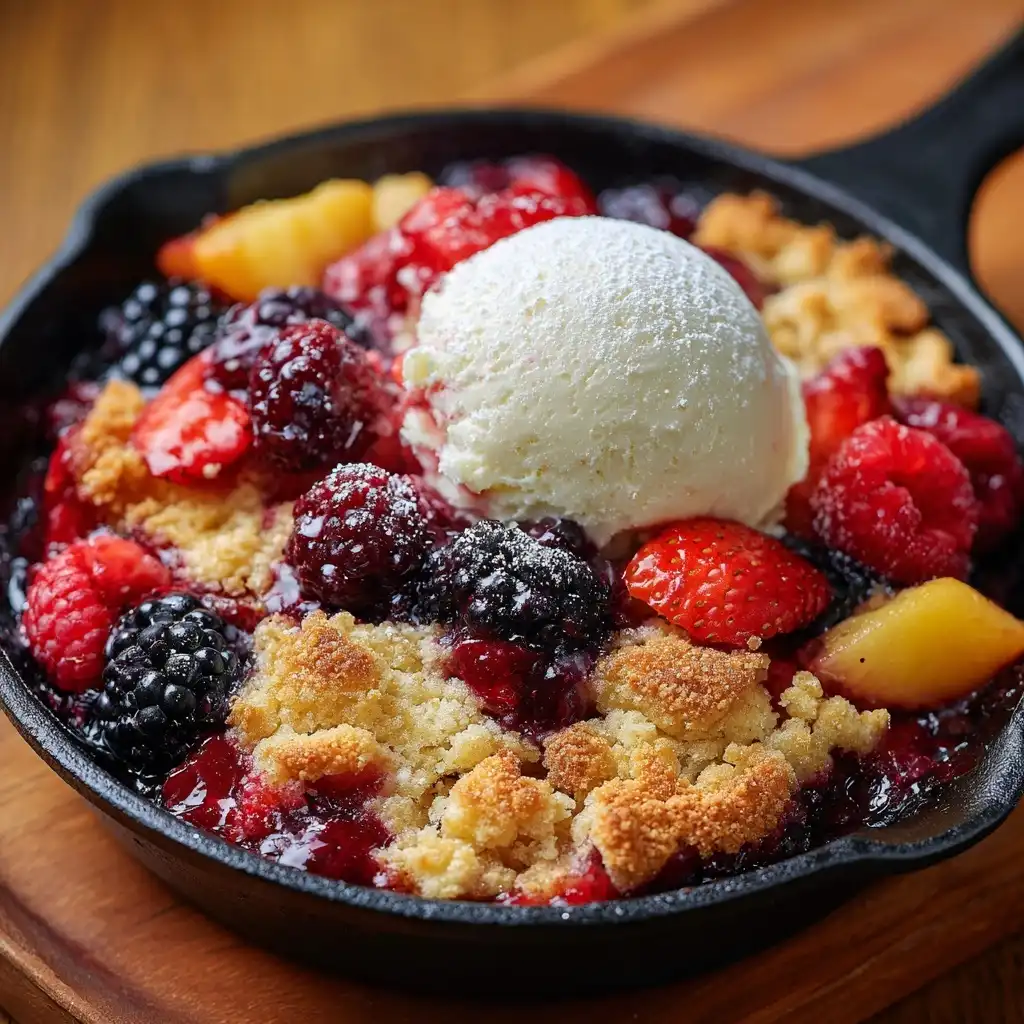
Welcome to the sun-drenched, vibrant world of the Mixed Fruit Summer Cobbler — a timeless American dessert that celebrates the peak abundance of seasonal produce with rustic charm, golden-brown crust, and bubbling, jewel-toned fruit beneath. More than just a treat, this cobbler is an edible ode to summer’s generosity: think plump strawberries bursting with acidity, juicy peaches lending floral sweetness, tart raspberries adding depth, and tender blueberries contributing earthy nuance — all harmonized under a tender, buttery, biscuit-like topping that bakes up crisp at the edges and soft within. Unlike pies or crisps, cobblers boast an unfussy, homestyle character — no rolling pins required, no lattice weaving needed — making them the perfect weekend project for novice bakers and seasoned cooks alike. Whether served warm with a scoop of vanilla bean ice cream melting into its syrupy base, or enjoyed slightly chilled with a dollop of crème fraîche, this Mixed Fruit Summer Cobbler delivers comfort, nostalgia, and pure, unadulterated fruit-forward joy in every spoonful.
The History
The origins of the cobbler stretch back centuries — long before electric ovens or supermarket produce aisles — rooted deeply in resourcefulness and regional adaptation. While its precise birthplace remains debated among food historians, most agree the cobbler emerged in early 18th-century England as a “cobbled-together” dessert — literally, a rough-hewn pastry “cobbled” over stewed fruit. When English settlers brought the concept to colonial America, it evolved rapidly: lacking refined white flour and consistent leavening agents, early American cooks substituted cornmeal, oats, or simple biscuit doughs, often cooking their creations in cast-iron skillets over open hearths. By the mid-19th century, the term “cobbler” had become distinctly American — signaling not just technique, but ethos: simplicity, adaptability, and respect for local, seasonal ingredients. Regional variations flourished — the peach cobbler of the Southern Appalachians, the blackberry version of the Ozarks, the apple-cranberry hybrids of New England — but the mixed fruit cobbler gained particular resonance during the Great Depression and WWII, when families combined whatever fruits were available (often from home gardens or roadside stands) to stretch limited pantry staples. Today, the Mixed Fruit Summer Cobbler honors that legacy — embracing diversity, celebrating imperfection, and transforming humble, overlapping harvests into something profoundly comforting and culturally resonant.
Ingredients Breakdown
Understanding each ingredient’s role unlocks both flavor balance and structural integrity in this cobbler. Below is a detailed functional breakdown:
- Fresh Mixed Berries & Stone Fruits (6–7 cups total): The soul of the dessert. A balanced blend typically includes 1½ cups sliced ripe peaches (peeled for smooth texture), 1½ cups hulled and quartered strawberries, 1 cup fresh blueberries, 1 cup fresh raspberries, and ½ cup blackberries. Peaches add body and natural pectin; strawberries contribute bright acidity and aroma; blueberries lend subtle tannic depth and thickening power; raspberries and blackberries provide complexity and jammy richness. Using fully ripe, in-season fruit ensures maximum sweetness and minimal added sugar.
- Granulated Sugar (¾–1 cup): Not merely for sweetness — sugar draws out fruit juices (via osmosis), aids caramelization during baking, and helps activate pectin for proper syrup consistency. Adjust downward if fruits are exceptionally sweet; increase slightly for tarter blends (e.g., more raspberries/blackberries).
- Light Brown Sugar (¼ cup, packed): Adds molasses-infused warmth, moisture retention, and nuanced caramel notes that complement stone fruits beautifully. Its slight acidity also balances the overall sweetness profile.
- Lemon Juice (2 tbsp fresh): A non-negotiable brightener. Citric acid enhances fruit flavors, prevents browning (especially in apples/peaches), and cuts through the richness of the biscuit topping. Bottled juice lacks aromatic complexity and can introduce off-notes.
- Lemon Zest (1 tsp finely grated): Introduces volatile citrus oils that lift the entire aroma profile — especially important when multiple fruits might otherwise mute one another.
- Cornstarch (3 tbsp): The primary thickener. Chosen over flour for its clarity (no cloudiness), high thickening power at lower temperatures, and neutral flavor. Too little leads to runny filling; too much yields gummy, starchy syrup.
- Ground Cinnamon (½ tsp) & Nutmeg (¼ tsp, freshly grated preferred): Warm, aromatic spices that bind disparate fruits without dominating. Cinnamon bridges berry and stone fruit profiles; nutmeg adds subtle savory depth and rounds out sharp edges.
- Salt (¼ tsp fine sea salt): The silent conductor — heightens all other flavors, reduces perceived bitterness, and balances sweetness. Never omit, even in desserts.
- All-Purpose Flour (1¾ cups): Provides gluten structure for the biscuit topping. Unbleached flour offers better flavor and protein consistency than bleached varieties.
- Baking Powder (2 tsp) & Baking Soda (¼ tsp): Dual-leavening system. Baking powder provides reliable lift; baking soda (activated by buttermilk’s acidity) adds tenderness and a delicate tang. Together, they ensure a light, airy, yet sturdy biscuit.
- Unsalted Butter (6 tbsp, cold and cubed): Critical for flakiness and richness. Cold fat creates steam pockets during baking, yielding tender layers. European-style butter (82–84% fat) enhances flavor and browning.
- Granulated Sugar (2 tbsp, for topping): Adds sparkle, crunch, and surface caramelization — distinct from the filling sugar’s function.
- Buttermilk (¾ cup, well-shaken): Provides acidity (to activate leaveners), tenderness (via lactic acid breaking down gluten), and subtle tang. Full-fat buttermilk yields superior flavor and moisture retention vs. low-fat versions.
- Vanilla Extract (1 tsp pure, not imitation): Deepens fruit notes and adds warmth. Madagascar Bourbon vanilla is ideal for its creamy, woody complexity.
- Optional Garnishes: Fresh mint leaves, edible flowers (violas, pansies), additional lemon zest, or a drizzle of local honey or lavender-infused simple syrup for elevated presentation.
Step-by-Step Recipe
- Preheat & Prep: Position oven rack in the lower third. Preheat oven to 375°F (190°C). Generously grease a 9×13-inch ceramic or glass baking dish (or two 8×8-inch dishes for even baking). Line a large baking sheet with parchment paper to catch potential drips.
- Prepare the Fruit Filling: In a large, non-reactive bowl (stainless steel or glass), combine all mixed fruits. Gently toss with lemon juice and zest. In a separate small bowl, whisk together granulated sugar, brown sugar, cornstarch, cinnamon, nutmeg, and salt until no lumps remain. Sprinkle this dry mixture evenly over the fruit and gently fold using a silicone spatula — just until coated. Avoid overmixing to prevent crushing delicate berries. Let sit at room temperature for 20 minutes to macerate, allowing juices to release and starch to disperse.
- Make the Biscuit Topping: In a food processor fitted with a steel blade (or large mixing bowl), pulse flour, baking powder, baking soda, and 2 tbsp granulated sugar until combined. Add cold, cubed butter. Pulse (or cut in with a pastry cutter) until mixture resembles coarse meal with pea-sized butter pieces visible — about 12–15 pulses. Transfer to a large bowl. Make a well in center and pour in buttermilk and vanilla. Using a fork or spatula, stir *just* until a shaggy, slightly sticky dough forms — about 12–15 strokes. Do not overmix; streaks of flour are acceptable. Dough should hold together when pinched but not be wet or shiny.
- Assemble the Cobbler: Pour the macerated fruit mixture (including all accumulated juices) into the prepared baking dish, spreading evenly. Using a ¼-cup measuring scoop or two spoons, drop 8–10 generous mounds of biscuit dough over the fruit, spacing them evenly. Gently press each mound slightly to flatten *just enough* to cover ~75% of the surface — do not spread into a continuous layer; gaps allow steam to escape and promote even baking. Sprinkle tops lightly with flaky sea salt and optional turbinado sugar for crunch.
- Bake to Perfection: Place dish on prepped baking sheet (for stability and drip protection). Bake for 50–60 minutes, rotating halfway through. Cobbler is done when the fruit filling is bubbling vigorously *around the edges* (not just in center), the biscuit topping is deep golden brown with crisp, caramelized edges, and a toothpick inserted into the thickest part of a biscuit comes out clean (no wet batter). Internal fruit temperature should read 205–210°F on an instant-read thermometer — ensuring proper starch gelatinization and thickening.
- Cool & Set: Remove from oven and place on a wire rack. Resist cutting! Let cool for *at least 45 minutes* — ideally 1 hour. This crucial resting period allows the syrup to thicken fully via starch retrogradation and prevents a soupy mess upon serving. The cobbler will continue to set as it cools.
- Serve & Savor: Scoop generously with a large spoon, ensuring each portion includes both tender biscuit and glossy, jammy fruit. Serve warm, at room temperature, or even chilled — texture and flavor evolve beautifully across temperatures.
Tips
- Fruit Selection is Everything: Prioritize peak-season, locally grown fruits. Taste each variety individually before mixing — adjust ratios if one dominates (e.g., reduce strawberries if overly tart; add extra blueberries if peaches are bland). Avoid underripe or mealy fruit; overripe berries may disintegrate.
- Peel Peaches Properly: Use the blanch-and-shock method: score an “X” on the bottom, submerge in boiling water for 30–45 seconds, then transfer immediately to ice water. Skins will slip off effortlessly. Skip peeling nectarines unless skin is tough.
- Maceration Matters: Don’t skip the 20-minute rest! It jumpstarts syrup formation, ensures even sugar distribution, and prevents raw starch pockets in the final bake.
- Butter Temperature is Non-Negotiable: Cold butter = flaky, tender biscuits. If your kitchen exceeds 72°F, chill the cubed butter for 10 minutes before cutting in — or freeze for 5 minutes. Warm butter melts prematurely, creating greasy, dense topping.
- Don’t Overmix the Dough: Gluten development is the enemy of tenderness. Stir only until shaggy clumps form. Lumps of flour are preferable to a smooth, elastic dough.
- Resist the Urge to Cover: Never tent with foil during baking — it traps steam, leading to soggy biscuits and uneven browning. If topping browns too quickly in last 10 minutes, loosely tent *only the very top* with foil, not the sides.
- Measure Cornstarch Accurately: Spoon starch into measuring cup and level with a straight edge. Scooping directly packs it down, risking excess and gummy filling.
- Use a Heavy-Duty Dish: Ceramic or stoneware retains heat evenly and promotes gentle, consistent baking. Thin metal pans may cause scorching on the bottom.
- Check for Doneness Correctly: Bubbling *at the edges* is key — center bubbling alone means the outer fruit isn’t hot enough to fully thicken. If unsure, insert an instant-read thermometer into the fruit layer near the side — 205°F confirms proper gelatinization.
- Cooling is Part of the Recipe: Cutting too soon releases trapped steam and hot syrup, resulting in a watery, separated dessert. Patience transforms texture.
- Storage Wisdom: Cool completely before covering. Store covered at room temperature for up to 2 days (best texture), or refrigerate for up to 5 days. Reheat individual portions in a 350°F oven for 12–15 minutes (covered with foil first 10 mins, then uncovered) or in the microwave at 50% power in 30-second intervals.
Variations and Customizations
This cobbler is gloriously adaptable — a canvas for creativity, dietary needs, and seasonal shifts. Explore these inspired twists:
- Gluten-Free Version: Substitute 1¾ cups certified gluten-free all-purpose flour blend (like King Arthur Measure for Measure or Bob’s Red Mill 1-to-1) + ½ tsp xanthan gum. Ensure cornstarch is GF-certified. Add 1 extra tbsp cold butter to compensate for reduced binding.
- Vegan Adaptation: Replace butter with cold, solid coconut oil (refined for neutral taste) or vegan butter sticks. Swap buttermilk for ¾ cup unsweetened almond milk + 1 tbsp apple cider vinegar (let sit 5 mins). Use maple syrup instead of brown sugar (reduce granulated sugar by 1 tbsp). Top with coarse coconut sugar for crunch.
- Low-Sugar / Refined-Sugar-Free: Reduce total sugar to ½ cup granulated + 2 tbsp maple syrup. Increase cornstarch to 3½ tbsp to compensate for reduced thickening power. Boost flavor with 1 tsp orange zest, ¼ tsp cardamom, and a splash of vanilla bean paste.
- Tropical Twist: Replace 1 cup berries with 1 cup diced fresh mango and ½ cup drained crushed pineapple (pat dry). Add ¼ tsp ground ginger and 1 tbsp toasted coconut flakes to the biscuit dough.
- Herb-Infused Elegance: Stir 1 tbsp finely chopped fresh basil or mint into the fruit mixture after maceration. Add ½ tsp lemon verbena or lavender buds (food-grade) to the dry biscuit ingredients.
- Nutty Crunch Topping: Fold ⅓ cup toasted pecans, walnuts, or slivered almonds into the biscuit dough. Sprinkle additional nuts over dough mounds before baking.
- Spiced Chai Variation: Replace cinnamon/nutmeg with 1 tsp chai spice blend (cardamom, ginger, cloves, black pepper, cinnamon). Add 1 star anise pod to the fruit while macerating (remove before baking).
- Individual Servings: Bake in six 6-ounce ramekins (reduce time to 35–40 mins). Perfect for dinner parties or portion control.
- Freezer-Friendly Batch: Assemble unbaked cobbler (fruit in dish, dough mounds placed on top), cover tightly with plastic wrap + foil, and freeze up to 3 months. Bake frozen — add 15–20 minutes to total time, tenting with foil if topping browns too fast.
- Leftover Magic: Stale biscuit topping? Crumble and toast with butter for a fruit crisp topping. Extra fruit syrup? Simmer down into a glaze for pancakes or yogurt swirl.
Health Considerations and Nutritional Value
While undeniably indulgent, this Mixed Fruit Summer Cobbler offers meaningful nutritional benefits when viewed through a holistic, ingredient-focused lens — especially compared to highly processed desserts. A standard serving (1/12th of the full recipe, approx. 1 cup) contains roughly 320–360 calories, with the majority derived from complex carbohydrates and natural fruit sugars. Key health highlights include:
- Antioxidant Powerhouse: Berries (blueberries, raspberries, blackberries) rank among the highest foods for ORAC (Oxygen Radical Absorbance Capacity) values. They deliver anthocyanins (anti-inflammatory), ellagic acid (cellular protection), and vitamin C — all preserved remarkably well during gentle baking.
- Fiber-Rich Foundation: With ~5–6g dietary fiber per serving (primarily from skins and seeds of whole fruits), this cobbler supports digestive health, promotes satiety, and helps modulate blood sugar response — especially when paired with the moderate protein/fat from the biscuit topping.
- Vitamin & Mineral Synergy: Peaches supply vitamin A (beta-carotene) for eye health; strawberries offer folate for cellular repair; blueberries contribute manganese for bone metabolism; lemon zest adds bioflavonoids that enhance vitamin C absorption.
- Minimal Added Sugar Profile: At ¾ cup total sugar for 12 servings, this recipe uses ~15g added sugar per portion — well below the AHA’s recommended max of 25g/day for women and 36g for men. Natural fruit sugars (fructose/glucose) come packaged with fiber and phytonutrients, resulting in a lower glycemic impact than sucrose-laden alternatives.
- No Artificial Additives: Free from preservatives, artificial colors, hydrogenated oils, or high-fructose corn syrup — supporting clean-label eating preferences.
- Considerations for Specific Diets: Naturally cholesterol-free and low in sodium (<150mg/serving). Contains gluten and dairy; easily modified for GF/vegan needs (see Variations). Those managing diabetes should monitor portions and consider pairing with a protein source (e.g., Greek yogurt) to further stabilize glucose response.
- Portion Mindfulness: Enjoy as part of a balanced diet — not daily, but meaningfully. Its nutrient density makes it a far superior choice to empty-calorie desserts like cakes or cookies loaded with refined flour and trans fats.
Ultimately, this cobbler embodies the principle of “food as medicine”: honoring whole, recognizable ingredients, minimizing processing, and maximizing nature’s inherent goodness — proving that pleasure and nourishment need never be mutually exclusive.
Ingredients
- 6–7 cups mixed fresh summer fruits (e.g., 1½ cups peeled, sliced ripe peaches; 1½ cups hulled, quartered strawberries; 1 cup fresh blueberries; 1 cup fresh raspberries; ½ cup blackberries)
- ¾ cup granulated sugar (plus 2 tbsp for topping)
- ¼ cup light brown sugar, packed
- 2 tablespoons fresh lemon juice
- 1 teaspoon finely grated lemon zest
- 3 tablespoons cornstarch
- ½ teaspoon ground cinnamon
- ¼ teaspoon freshly grated nutmeg
- ¼ teaspoon fine sea salt
- 1¾ cups all-purpose flour (unbleached preferred)
- 2 teaspoons baking powder
- ¼ teaspoon baking soda
- 6 tablespoons unsalted butter, cold and cubed
- ¾ cup full-fat buttermilk, well-shaken
- 1 teaspoon pure vanilla extract
- Flaky sea salt and/or turbinado sugar for finishing (optional)
Directions
- Preheat oven to 375°F (190°C). Position rack in lower third. Grease a 9×13-inch baking dish and place on a parchment-lined baking sheet.
- In a large bowl, gently combine mixed fruits, lemon juice, and lemon zest. In a small bowl, whisk granulated sugar, brown sugar, cornstarch, cinnamon, nutmeg, and salt. Sprinkle over fruit and fold gently until evenly coated. Let macerate 20 minutes at room temperature.
- In a food processor or large bowl, combine flour, baking powder, baking soda, and 2 tbsp granulated sugar. Add cold cubed butter and pulse (or cut in) until mixture resembles coarse crumbs with pea-sized butter pieces.
- Pour buttermilk and vanilla into flour mixture. Stir with a fork or spatula *just* until a shaggy, slightly sticky dough forms — about 12–15 strokes. Do not overmix.
- Pour macerated fruit (with all juices) into prepared dish. Drop dough by ¼-cup scoops evenly over fruit. Gently press each mound to slightly flatten, leaving gaps. Sprinkle tops with flaky salt and/or turbinado sugar.
- Bake 50–60 minutes, rotating pan halfway, until fruit is bubbling vigorously at edges and biscuit topping is deep golden brown. A toothpick in biscuit should come out clean; internal fruit temp should read 205–210°F.
- Transfer to wire rack. Cool for at least 45 minutes (ideally 1 hour) before serving to allow filling to set.
- Serve warm or at room temperature, topped with vanilla ice cream, whipped cream, or crème fraîche.
FAQ
- Can I use frozen fruit?
- Yes — but with adjustments. Thaw completely, then drain *excess liquid* (reserve ¼ cup for flavor) and increase cornstarch to 4 tbsp. Frozen fruit releases more water and may yield a softer texture, but remains delicious.
- Why did my cobbler turn out runny?
- Common causes: insufficient cornstarch, underbaking (fruit didn’t reach 205°F), cutting too soon before cooling, or using underripe fruit with low natural pectin. Next time, extend bake time by 5–10 minutes and verify internal temp.
- Can I make the biscuit dough ahead?
- Absolutely. Prepare dough, shape into a disc, wrap tightly in plastic, and refrigerate up to 2 days. Let soften 10 minutes before scooping. Do not freeze unbaked dough — butter may oxidize.
- What’s the best fruit ratio for balance?
- Our tested blend (peaches:strawberries:blueberries:raspberries:blackberries = 3:3:2:2:1) maximizes sweetness, acidity, texture, and color. Adjust based on preference — more berries = tarter; more stone fruit = sweeter and thicker.
- Can I substitute another milk for buttermilk?
- For best results, use the “DIY buttermilk” method: ¾ cup milk + 1 tbsp vinegar or lemon juice, let sit 5 minutes. Avoid plain milk — lack of acidity prevents optimal leavening and tenderness.
- My topping sank into the fruit. Why?
- Overmixing the dough (developing gluten), using warm butter, or placing dough on cold (not room-temp) fruit can cause sinking. Ensure butter is cold, dough is minimally mixed, and fruit is at room temp before assembly.
- How do I store leftovers?
- Cool completely. Cover tightly with plastic wrap or airtight lid. Store at room temperature up to 2 days (best texture), or refrigerate up to 5 days. Reheat in oven (350°F, 12–15 mins, covered then uncovered) or microwave (50% power, 30-sec intervals).
- Can I double the recipe?
- Yes — use two 9×13-inch dishes. Bake time remains similar (check at 50 mins), but avoid overcrowding oven. Rotate pans front-to-back and top-to-bottom halfway through.
- Is there a way to make it less sweet?
- Reduce granulated sugar to ½ cup and omit brown sugar. Compensate with 1 tbsp honey or maple syrup + extra ½ tsp cornstarch. Boost flavor with extra lemon zest, cinnamon, or a pinch of black pepper.
- What’s the difference between cobbler, crisp, and crumble?
- A cobbler features a biscuit or dumpling-style topping dropped or spooned over fruit. A crisp uses an oat-based, buttery streusel with flour, sugar, oats, and butter. A crumble is similar to a crisp but traditionally omits oats, relying on flour, sugar, and butter for a sandy texture.
Summary
The Mixed Fruit Summer Cobbler is a celebration of seasonal abundance, marrying peak-ripeness berries and stone fruits in a glossy, spiced syrup beneath a tender, golden-brown biscuit topping — rustic, forgiving, and deeply satisfying.
Rooted in American ingenuity and endlessly customizable, it transforms simple, whole ingredients into a nourishing, antioxidant-rich dessert that delights the senses while honoring tradition, flexibility, and the pure, sun-warmed joy of summer’s finest harvest.