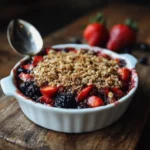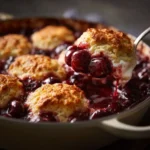
Introduction
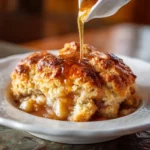
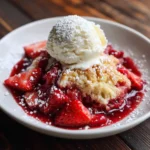
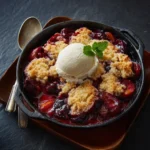
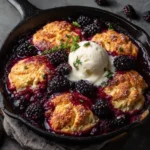
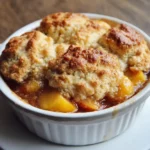
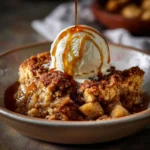
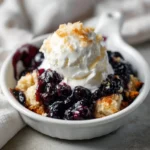
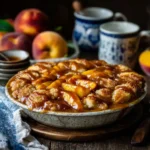
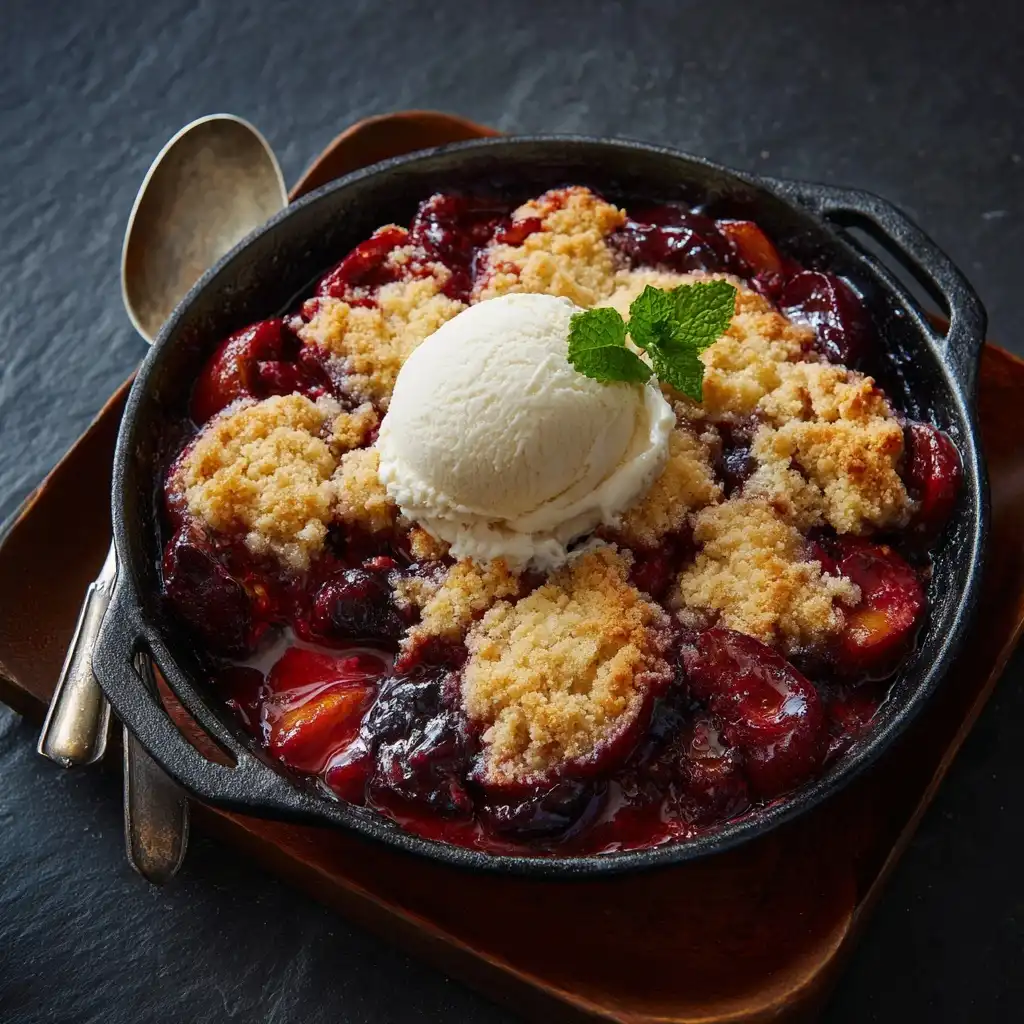
Mixed Stone Fruit Cobbler is a timeless, soul-warming American dessert that celebrates the vibrant flavors and natural sweetness of summer’s most luscious fruits—peaches, plums, nectarines, apricots, and cherries—all united beneath a golden, tender-crisp biscuit or batter-based topping. Unlike pies (which rely on a bottom crust) or crisps (which feature an oat-and-butter streusel), cobblers are defined by their rustic, home-style charm: a bubbling, syrupy fruit filling crowned with spooned dough, drop biscuits, or a light cake-like batter that bakes up airy, slightly crisp-edged, and luxuriously soft underneath. This version embraces the full spectrum of stone fruits—not just for variety in taste and texture, but for depth of flavor, nuanced acidity, and layered aromatics that evolve beautifully during baking. Whether served warm with a scoop of vanilla bean ice cream, drizzled with crème fraîche, or enjoyed plain at room temperature the next morning, Mixed Stone Fruit Cobbler is more than dessert—it’s nostalgia made edible, a seasonal ritual, and a generous invitation to slow down and savor the fleeting abundance of late summer.
The History
The origins of cobbler stretch back centuries, with roots tangled across English, Scottish, and early American culinary traditions. The word “cobbler” likely derives from the archaic verb *coble*, meaning “to make uneven or lumpy”—a fitting description for the intentionally rustic, mound-like appearance of early versions. In 14th-century England, cobblers were savory dishes: meat and vegetables baked under a thick, coarse pastry crust resembling cobblestones—hence the name. By the 17th century, sweet iterations emerged, often using whatever fruits were on hand and topped with dumplings or “clouts” (cloth-wrapped doughs boiled in broth). When English settlers arrived in North America, they adapted the concept dramatically: lacking reliable ovens, limited flour, and scarce sugar, they turned to native fruits and simplified methods—cooking fruit in cast-iron skillets over open fires and covering them with simple doughs made from cornmeal, biscuit scraps, or even fried bread. By the mid-1800s in the American South and Midwest, cobblers had become synonymous with resourcefulness and hospitality—served at church suppers, harvest gatherings, and family Sunday dinners. The use of mixed stone fruits reflects both regional orchard diversity and practicality: combining slightly underripe plums for tartness, overripe peaches for jamminess, and firm nectarines for structure created balanced fillings without waste. Today, the Mixed Stone Fruit Cobbler stands as a living heirloom—a dish that honors tradition while joyfully embracing seasonality, imperfection, and the quiet magic of fruit transformed by heat, time, and care.
Ingredients Breakdown
Every exceptional Mixed Stone Fruit Cobbler begins not with a list—but with intention. Below is a detailed, chef-level breakdown of each component, explaining *why* it matters, how it functions, and what substitutions truly preserve integrity:
Fruit Component (The Heart)
- Peaches (2 cups, peeled & diced): Choose freestone varieties like Red Haven or O’Henry for ease of pitting and superior juiciness. Their floral honey notes and gentle acidity anchor the blend. Underripe peaches add pectin; overripe ones lend body and sweetness.
- Plums (1½ cups, pitted & quartered): Use a mix—red Santa Rosa for bright tartness and deep violet perfume, black Friar for dense, winey richness, and yellow Golden Drop for mellow sweetness. Skin-on adds color, fiber, and subtle tannic complexity.
- Nectarines (1½ cups, pitted & sliced): Their smooth skin eliminates prep time and contributes firmness that prevents mushiness. White nectarines offer delicate floral sweetness; yellow types add robust apricot-like depth.
- Apricots (1 cup, pitted & halved): Tart, aromatic, and high in natural pectin, they act as a natural thickener and flavor amplifier. Look for fragrant, yield-to-pressure fruit—avoid mealy or overly hard specimens.
- Sour Cherries (¾ cup, pitted): The secret weapon. Their pronounced acidity cuts through sweetness, balances richness, and prevents cloying. Frozen unsweetened sour cherries work perfectly year-round—and their juice deepens the syrup’s ruby hue.
Sweetener & Thickener System (The Structure)
- Granulated Sugar (¾ cup): Base sweetener—enough to enhance fruit but not overwhelm. Adjust ±¼ cup depending on fruit ripeness and personal preference.
- Light Brown Sugar (¼ cup, packed): Adds molasses depth, moisture retention, and caramelized notes that harmonize with stone fruit skins and roasting.
- Arrowroot Powder (3 tbsp): Preferred over cornstarch for its neutral taste, clarity, and freeze-thaw stability. It activates at lower temperatures and creates a glossy, velvety syrup—not gluey or cloudy. Tapioca starch is a viable alternative; cornstarch requires longer simmering to lose raw taste.
- Lemon Juice (2 tbsp fresh): Essential for brightness and pH balance—enhances fruit aroma, prevents browning, and helps arrowroot set properly.
- Lemon Zest (1 tsp, finely grated): Captures volatile citrus oils that lift and perfume the entire dish—non-negotiable for aromatic dimension.
Topping Component (The Crown)
- All-Purpose Flour (1¼ cups): Provides structure. For tenderness, substitute up to ¼ cup with cake flour or finely ground almond flour.
- Baking Powder (2 tsp) + Baking Soda (¼ tsp): Dual leavening ensures lift *and* tenderness. Soda reacts with acidic lemon juice and brown sugar for extra fluff.
- Granulated Sugar (⅓ cup): Sweetens the topping and promotes browning.
- Salted Butter (6 tbsp, cold & cubed): Cold fat creates steam pockets = flaky, layered texture. European-style butter (82–84% fat) yields richer flavor and superior browning.
- Heavy Cream (½ cup) + 1 Large Egg (cold): Cream adds fat and tenderness; egg provides binding, lift, and golden color. Buttermilk may replace part of the cream for tang and tenderness.
- Vanilla Extract (1 tsp pure): Warm, creamy backbone—use Madagascar Bourbon for best results.
- Coarse Turbinado Sugar (2 tbsp): Sprinkled pre-bake for crunch, sparkle, and caramelized edges.
Optional Enhancements (The Soul)
- Spices: A pinch of freshly grated nutmeg or cardamom (⅛ tsp) complements stone fruit without dominating.
- Herbs: 1 tsp finely chopped fresh thyme or lavender blossoms (culinary grade) adds haunting, sophisticated nuance.
- Liqueurs: 1 tbsp Amaretto (almond), Framboise (raspberry), or Cherry Heering deepens fruit complexity—add to filling pre-bake.
- Nuts: Toasted slivered almonds or chopped pistachios folded into topping batter add textural contrast and richness.
Step-by-Step Recipe
This meticulously tested method prioritizes control, consistency, and maximum flavor development—no shortcuts, no guesswork. Total active time: 45 minutes. Baking time: 45–55 minutes. Serves 8–10.
Prep Work (Essential Foundation)
- Preheat & Prep Pan: Position oven rack in lower third. Preheat oven to 375°F (190°C). Generously butter a 9×13-inch ceramic or glass baking dish (or two 8-inch square dishes for faster, crisper edges). Line bottom with parchment paper for effortless release.
- Prepare Fruit: Wash, pit, peel (peaches/apricots only—leave plum/nectarine/cherry skins for color and nutrients), and cut all fruit into uniform ¾-inch pieces. Place in a large nonreactive bowl (stainless steel or glass).
- Bloom Thickener: In a small bowl, whisk arrowroot powder with 2 tbsp granulated sugar—this prevents clumping when added to juices.
Building the Filling (Layered Flavor)
- Sugar & Acid Balance: Add remaining granulated sugar (½ cup), brown sugar (¼ cup), lemon juice, lemon zest, and a pinch of fine sea salt to fruit. Gently toss with hands or silicone spatula—just until evenly coated. Let sit 10 minutes to draw out juices.
- Incorporate Thickener: Pour bloomed arrowroot mixture over macerated fruit. Add sour cherries (fresh or thawed/frozen). Fold gently but thoroughly—every piece should glisten. Avoid overmixing to prevent bruising. Let rest 5 more minutes.
- Final Rest & Transfer: While resting, pour fruit mixture into prepared dish. Smooth top with spatula. Do not press down—preserve air pockets for even bubbling. Optional: dot surface with 1 tbsp cold butter for extra richness.
Preparing the Topping (Tender & Golden)
- Dry Whisk: In a medium bowl, whisk flour, baking powder, baking soda, and remaining ⅓ cup sugar. Grate frozen butter directly into dry mix (or pulse cold cubed butter in food processor 4–5 times until pea-sized crumbs form).
- Wet Mix: In separate bowl, whisk heavy cream, cold egg, vanilla, and 1 tsp cold water until just combined—do not overbeat.
- Combine Gently: Pour wet mixture over dry. Using a fork or spatula, stir *just until no dry flour remains*—batter will be shaggy and lumpy. Overmixing = tough topping. Fold in optional nuts or herbs now.
Baking & Finishing (Precision Matters)
- Spoon & Spread: Drop batter by heaping ¼-cup portions over fruit surface. Use offset spatula or back of spoon to gently spread into even layer—leave some fruit peeking through for visual appeal and caramelization.
- Sugar Finish: Sprinkle entire surface evenly with turbinado sugar. This creates a delicate, crackly, caramelized crust.
- Bake Strategically: Place dish on center oven rack. Bake 20 minutes at 375°F. Then, reduce heat to 350°F and continue baking 25–35 minutes—until topping is deeply golden brown, edges are crisp, and center springs back lightly when touched. Internal fruit temperature should reach 205–210°F (bubbling vigorously around edges).
- Cool Crucially: Remove from oven. Place dish on wire rack. Let cool *at least 45 minutes* before serving. This allows syrup to fully thicken and layers to set—cutting too soon yields soup, not cobbler.
Tips
- Fruit Ripeness is Non-Negotiable: Use a 60/40 ripe-to-firm ratio. Overly soft fruit collapses; rock-hard fruit stays crunchy and releases no juice. Test ripeness: fruit should yield gently to palm pressure—not fingertip—and smell intensely fragrant at stem end.
- Peel Peaches & Apricots Correctly: Blanch in boiling water 30 seconds, then plunge into ice water. Skins slip off effortlessly. Skip peeling nectarines/plums—skin adds texture and antioxidants.
- Chill Your Batter: After mixing topping, refrigerate 10 minutes. Cold batter hits hot fruit slowly—creating steam lift and preventing soggy bottoms.
- Rotate for Even Baking: At 20-minute mark, rotate dish 180°—ovens have hot spots. If topping browns too fast, tent loosely with foil.
- Thickener Timing: Never add arrowroot to cold fruit and bake immediately—it won’t activate. Maceration + bloom = reliable thickening.
- Butter Temperature is Key: Too warm = greasy, dense topping. Too cold = difficult to incorporate. Cube butter, freeze 10 minutes, then grate or pulse.
- Don’t Skip the Salt: ¼ tsp fine sea salt in filling and ⅛ tsp in topping enhances every flavor molecule—even sweetness.
- Measure Flour Properly: Spoon flour into measuring cup and level—don’t scoop! 1 cup AP flour = 120–125g. Too much flour = dry, crumbly topping.
- Use a Heavy Dish: Glass or ceramic retains heat longer than metal, ensuring even fruit cooking and topping browning. Avoid thin aluminum pans.
- Leftover Magic: Refrigerate covered for up to 4 days. Reheat individual portions in toaster oven (not microwave) to restore crisp topping.
Variations and Customizations
While the classic recipe shines, these thoughtfully developed variations honor dietary needs, seasonal shifts, and global inspirations—without sacrificing authenticity or texture.
Dietary Adaptations
- Gluten-Free: Replace AP flour with 1:1 GF blend containing xanthan gum (e.g., King Arthur Measure for Measure). Add ½ tsp psyllium husk powder to batter for elasticity. Ensure oats (if used) are certified GF.
- Vegan: Swap butter for chilled coconut oil or vegan butter (Miyoko’s). Replace egg with flax egg (1 tbsp ground flax + 2.5 tbsp water, rested 5 min). Use full-fat canned coconut milk instead of heavy cream.
- Lower-Sugar: Reduce total sugar by ⅓. Compensate with 1 tsp pure monk fruit extract + 1 tbsp apple butter in filling. Increase lemon zest to 2 tsp for brightness.
- Nut-Free: Omit nuts. Add 2 tbsp toasted sunflower or pumpkin seeds to topping for crunch.
Seasonal Twists
- Early Summer: Substitute 1 cup fresh raspberries and ½ cup green strawberries for sour cherries. Add 1 tsp crushed rose petals.
- Fall Transition: Replace 1 cup stone fruit with roasted quince (peeled, cored, baked until tender, then mashed) and ½ cup dried Mission figs (soaked 15 min in warm port).
- Winter Surprise: Use high-quality frozen stone fruit blend (no syrup). Add 1 tbsp brandy and ½ tsp orange blossom water to filling.
Global Inspirations
- Provençal: Add 1 tsp herbes de Provence and 2 tbsp chopped preserved lemon rind to filling. Top with lavender-scented crumble (almond flour, oats, honey, lavender).
- Japanese-Inspired: Replace lemon with yuzu juice/zest. Add 1 tbsp white miso paste to filling for umami depth. Top with kinako (roasted soybean flour) and black sesame sprinkle.
- Mexican-Inspired: Add ½ tsp ground ancho chile and 1 tsp cinnamon to filling. Top with piloncillo-sweetened batter and garnish with crumbled cotija cheese.
Texture & Presentation Variations
- Drop Biscuit Style: Scoop 10–12 golf-ball-sized dough mounds over fruit. Brush with cream, sprinkle with flaky salt + turbinado.
- Skillet Cobbler: Prepare in 10-inch cast iron. Start on stovetop: cook filling 5 min until bubbling, then transfer to oven with biscuit topping.
- Individual Ramekins: Divide filling among six 6-oz ramekins. Top with spooned batter. Bake 30–35 min. Elegant for dinner parties.
- Deconstructed: Serve warm fruit compote alongside separate baked biscuit wedges and whipped crème fraîche.
Health Considerations and Nutritional Value
Mixed Stone Fruit Cobbler isn’t “health food”—but it *is* nutrient-dense, minimally processed, and aligned with whole-food principles when made mindfully. Here’s what makes it nourishing—and how to optimize it:
Nutritional Highlights (Per Standard Serving – 1/9th of Recipe)
- Calories: ~320 kcal (moderate for dessert—less than many store-bought bars or muffins)
- Fiber: 4.2g (from skins, pits, and whole fruit—supports gut health and satiety)
- Vitamin C: 28mg (65% DV—boosts immunity and collagen synthesis)
- Vitamin A (as beta-carotene): 890mcg (99% DV—critical for vision and skin health)
- Potassium: 360mg (10% DV—regulates blood pressure and fluid balance)
- Antioxidants: Anthocyanins (plums/cherries), chlorogenic acid (peaches), catechins (apricots)—combat oxidative stress and inflammation
Smart Swaps for Enhanced Wellness
- Reduce Glycemic Load: Pair with Greek yogurt (protein/fat slows sugar absorption) or serve with a side of leafy greens dressed in apple cider vinegar (acetic acid improves insulin sensitivity).
- Boost Omega-3s: Fold 1 tbsp ground chia or flax into topping batter.
- Maximize Polyphenols: Leave all skins on—plum and nectarine skins contain 3x more antioxidants than flesh.
- Support Digestion: Add 1 tsp grated fresh ginger to filling—stimulates enzymes and soothes GI tract.
- Minimize Added Sugar: Rely on fruit’s natural sweetness. Taste filling pre-bake—if fruit is very ripe, omit brown sugar entirely.
Considerations for Specific Needs
- Diabetes-Friendly: Monitor portion size (⅔ cup max). Prioritize sour cherries and apricots (lower glycemic index). Always pair with protein/fat.
- PCOS/Insulin Resistance: Emphasize fiber (keep skins), limit total carbs per meal, and include cinnamon (shown to improve insulin sensitivity).
- Kid-Friendly Nutrition: Sneak in 2 tbsp finely grated zucchini (undetectable!) to filling—adds moisture, potassium, and vitamin C without altering flavor.
- Aging & Immunity: Stone fruits are rich in carotenoids and vitamin C—key for healthy aging. Adding turmeric (¼ tsp) to topping boosts anti-inflammatory curcumin.
What to Avoid for Health-Conscious Baking
- ❌ Highly refined white flour only—opt for partial whole wheat or oat flour for fiber
- ❌ Excessive added sugars—let fruit shine; use honey or maple syrup sparingly if desired
- ❌ Hydrogenated oils or margarine—choose grass-fed butter or cold-pressed oils
- ❌ Artificial flavors/colors—rely on real fruit, spices, and herbs
- ❌ Overbaking—destroys heat-sensitive vitamins (C, B-complex); aim for just-set center
Ingredients
Makes one 9×13-inch cobbler (8–10 servings)
For the Fruit Filling:
- 2 cups ripe freestone peaches, peeled, pitted, and diced (about 3 medium)
- 1½ cups mixed plums (Santa Rosa, Friar, Golden Drop), pitted and quartered
- 1½ cups nectarines, pitted and sliced
- 1 cup apricots, pitted and halved
- ¾ cup unsweetened pitted sour cherries (fresh or frozen/thawed)
- ¾ cup granulated sugar (adjust ±¼ cup based on fruit sweetness)
- ¼ cup light brown sugar, firmly packed
- 3 tablespoons arrowroot powder
- 2 tablespoons fresh lemon juice (about 1 lemon)
- 1 teaspoon finely grated lemon zest
- ¼ teaspoon fine sea salt
For the Topping:
- 1¼ cups all-purpose flour (155g), spooned & leveled
- 2 teaspoons baking powder
- ¼ teaspoon baking soda
- ⅓ cup granulated sugar
- 6 tablespoons (85g) unsalted butter, cold and cubed (or grated)
- ½ cup (120ml) heavy cream, cold
- 1 large egg, cold
- 1 teaspoon pure vanilla extract
- 2 tablespoons turbinado sugar (for sprinkling)
Optional Enhancements:
- Pinch of freshly grated nutmeg or ground cardamom
- 1 teaspoon finely chopped fresh thyme or culinary lavender
- 1 tablespoon Amaretto or cherry liqueur
- ⅓ cup toasted sliced almonds or chopped pistachios
Directions
- Preheat oven to 375°F (190°C). Generously butter a 9×13-inch ceramic or glass baking dish and line bottom with parchment paper.
- Prepare fruit: In a large bowl, combine peaches, plums, nectarines, apricots, and sour cherries. Add granulated sugar, brown sugar, lemon juice, lemon zest, and salt. Gently toss. Let macerate 10 minutes.
- Thicken filling: In small bowl, whisk arrowroot powder with 2 tbsp of the granulated sugar. Sprinkle over macerated fruit and fold gently until fully incorporated. Let rest 5 more minutes.
- Transfer to dish: Pour fruit mixture into prepared baking dish. Smooth surface with spatula—do not press down.
- Make topping: In medium bowl, whisk flour, baking powder, baking soda, and remaining ⅓ cup sugar. Cut in cold butter using pastry cutter or pulse in food processor until mixture resembles coarse crumbs with some pea-sized pieces.
- Combine wet ingredients: In separate bowl, whisk heavy cream, cold egg, and vanilla until just blended.
- Mix batter: Pour wet mixture over dry. Stir with fork or spatula *just until no dry flour remains*. Batter will be thick and shaggy—do not overmix. Fold in optional nuts or herbs.
- Top the cobbler: Drop batter by ¼-cup portions over fruit. Gently spread with offset spatula into even layer, leaving some fruit visible.
- Finish & bake: Sprinkle evenly with turbinado sugar. Place dish on center oven rack. Bake 20 minutes at 375°F. Reduce heat to 350°F and bake 25–35 minutes more, until topping is deep golden, edges are crisp, and center springs back when lightly pressed. Bubbling should be vigorous around sides.
- Cool completely: Remove from oven. Cool on wire rack for *at least 45 minutes* before serving. This ensures proper setting of the syrup.
- Serve: Scoop warm or at room temperature. Ideal with vanilla ice cream, crème fraîche, or lightly sweetened whipped cream.
FAQ
- Can I use frozen stone fruit?
- Yes—especially for off-season cobblers. Use unsweetened frozen fruit, thawed and drained well in a colander (reserve 2 tbsp liquid to replace lemon juice if needed). Expect slightly softer texture but excellent flavor.
- Why does my cobbler turn out runny?
- Most common causes: insufficient maceration time, under-measured thickener, skipping the bloom step, or cutting into cobbler too soon. Arrowroot needs heat *and* time to gel—cooling is essential. Also verify your arrowroot isn’t expired.
- Can I prepare this ahead?
- Absolutely. Assemble filling and refrigerate up to 24 hours. Prepare topping batter and refrigerate up to 12 hours (cover tightly). Assemble and bake day-of. For full make-ahead: bake, cool completely, refrigerate covered, then reheat at 325°F for 20–25 minutes.
- What’s the best way to reheat leftovers?
- Avoid the microwave—it steams the topping. Instead, place portion in oven-safe ramekin