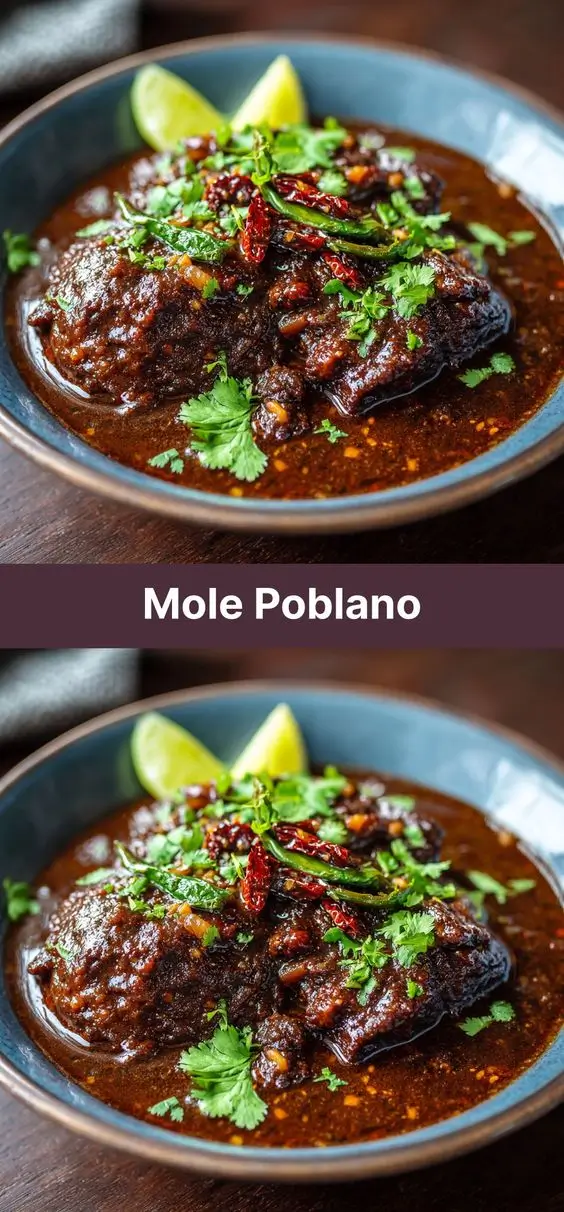
Mole Poblano: A Rich and Complex Mexican Culinary Masterpiece
Mole Poblano is one of Mexico’s most iconic dishes, a luxurious, velvety sauce with deep historical roots, complex flavor layers, and cultural significance. Hailing from the state of Puebla, this dish is more than just a recipe—it’s an edible testament to centuries of culinary fusion, indigenous tradition, and colonial influence. Often served during festive occasions like weddings, holidays, and religious celebrations, Mole Poblano embodies the soul of Mexican cuisine.
The History of Mole Poblano
The origins of Mole Poblano are shrouded in legend and folklore, blending myth with historical fact. One popular story traces its creation to the 17th century at the Convent of Santa Rosa in Puebla. According to the tale, nuns scrambled to prepare a grand meal for a visiting archbishop or dignitary and threw together a sauce using whatever ingredients they had on hand—chilies, chocolate, spices, nuts, and day-old bread. The resulting concoction was so impressive that it became known as “mole,” derived from the Nahuatl word mōlli, meaning “sauce” or “concoction.”
Historically, mole represents the fusion of pre-Hispanic and Spanish cuisines. Indigenous civilizations such as the Aztecs already prepared rich sauces using chilies, tomatoes, seeds, and herbs. After the Spanish conquest, new ingredients like cinnamon, cloves, cumin, almonds, raisins, and Old World techniques were introduced, creating a unique hybrid. Over time, Mole Poblano evolved into a national symbol, especially celebrated during Independence Day festivities.
While many regions in Mexico have their own versions of mole (Oaxaca alone boasts seven traditional moles), Mole Poblano remains the most internationally recognized. It was even declared an Intangible Cultural Heritage by UNESCO as part of traditional Mexican cuisine in 2010.
Ingredients Breakdown: The Symphony of Flavors
What sets Mole Poblano apart is its intricate blend of over 20 ingredients, each contributing to its signature depth and balance. The sauce artfully combines spicy, sweet, smoky, earthy, and slightly bitter notes. Here’s a detailed look at the key components:
- Dried Chilies: Ancho (sweet and fruity), pasilla (earthy and smoky), and mulato (chocolate-like depth) form the chili base. These are toasted and rehydrated to unlock their full flavor.
- Chocolate: Unsweetened Mexican chocolate (such as Ibarra or Abuelita) adds richness and subtle sweetness. It does not make the sauce taste like dessert but instead rounds out the heat and acidity.
- Spices: Cinnamon, cloves, anise, cumin, and black pepper lend warmth and complexity.
- Nuts and Seeds: Almonds, peanuts, sesame seeds, and pumpkin seeds provide body, creaminess, and nutty undertones.
- Fruit Elements: Plantain, raisins, or dried fruit contribute natural sweetness and contrast to the chilies’ heat.
- Bread or Tortillas: Stale corn tortillas or crustless bread act as thickening agents and add a soft texture.
- Garlic, Onion, and Tomato: Form the aromatic base, sautéed to build foundational flavor.
- Chicken Broth: Used to simmer and blend the sauce to the perfect consistency.
- Oil or Lard: Traditionally, lard is used for frying, but vegetable oil works well too.
The magic lies in how these ingredients are individually prepared—roasted, toasted, fried, or boiled—before being blended and simmered into harmony.
Step-by-Step Recipe for Authentic Mole Poblano
Ingredients
- 3 dried ancho chilies
- 3 dried pasilla chilies
- 3 dried mulato chilies
- 1 small white onion, halved
- 3 garlic cloves, peeled
- 1 medium tomato, roasted
- 1 small tomatillo, husked and roasted
- 1 ripe plantain, sliced and fried
- 1/4 cup sesame seeds
- 1/4 cup whole almonds
- 1/4 cup raw peanuts
- 1/4 cup pumpkin seeds (pepitas)
- 1 corn tortilla, torn into pieces
- 1 slice stale white bread, crust removed
- 1 small piece Mexican chocolate (about 1 oz)
- 2 tablespoons raisins
- 1 teaspoon ground cinnamon
- 1/2 teaspoon ground cloves
- 1/2 teaspoon ground anise
- 1/2 teaspoon ground cumin
- Salt to taste
- 4–6 cups chicken broth (low sodium preferred)
- 3 tablespoons vegetable oil or lard
- 2 pounds bone-in chicken thighs or drumsticks
- Cooked white rice, for serving
- Warm tortillas and crumbled queso fresco, optional garnishes
Directions
- Prepare the Chilies: Remove stems and seeds from the dried chilies. Toast them lightly in a dry skillet over medium heat until fragrant (about 30–60 seconds per side). Be careful not to burn. Place in a bowl and cover with hot water; let soak for 20–30 minutes until soft. Drain and set aside.
- Toast the Nuts and Seeds: In the same skillet, toast sesame seeds, almonds, peanuts, and pumpkin seeds separately until golden and aromatic. Set aside to cool.
- Fry the Aromatics: Heat 1 tablespoon oil in a large pot. Sauté onion and garlic until translucent. Add tomato and tomatillo; cook for 5–7 minutes until softened. Remove and set aside.
- Fry the Bread and Plantain: In the same pot, fry the tortilla pieces and bread until golden. Remove. Then fry the plantain slices until caramelized. Reserve all.
- Blend the Sauce Base: In batches, blend the soaked chilies, sautéed aromatics, toasted nuts and seeds, fried bread/tortilla, plantain, raisins, spices, and chocolate with about 2 cups of warm chicken broth. Blend until completely smooth—this may take several minutes. Strain through a fine-mesh sieve for extra silkiness (optional but recommended).
- Cook the Chicken: In a clean pot, heat remaining oil. Brown the chicken pieces on both sides. Remove and set aside.
- Simmer the Mole: Pour the blended sauce into the pot. Stir constantly over medium heat to prevent sticking. Gradually add additional chicken broth (up to 6 cups) until desired thickness is reached—a good mole should coat the back of a spoon. Add salt to taste.
- Add Chicken and Simmer: Return chicken to the pot, submerging it in the sauce. Bring to a gentle simmer, cover, and cook for 45–60 minutes until chicken is tender and flavors are fully integrated.
- Adjust and Serve: Taste and adjust seasoning—add a touch more chocolate for richness, sugar for sweetness, or broth if too thick. Serve hot over white rice, garnished with sesame seeds, crumbled queso fresco, and warm tortillas on the side.
Tips for Perfect Mole Poblano
- Patience is Key: Don’t rush the toasting, frying, or blending steps. Each stage builds flavor.
- Straining Makes a Difference: For a restaurant-quality, silky texture, strain the sauce after blending.
- Balancing Flavors: If the mole tastes too bitter, add a pinch of sugar or more plantain. If too sweet, add a splash of vinegar or lime juice. Too spicy? Add more broth or a bit of cream.
- Make Ahead Friendly: Mole tastes better the next day! Prepare it a day in advance and reheat gently before serving.
- Freezing: Store in airtight containers and freeze for up to 3 months. Thaw overnight in the fridge before reheating.
- Use Fresh Spices: Ground spices lose potency over time. Use freshly ground when possible for maximum aroma.
Variations and Customizations
While traditional Mole Poblano follows a specific formula, regional and personal adaptations abound:
- Vegetarian/Vegan Mole: Substitute chicken with mushrooms, tofu, or roasted vegetables. Use vegetable broth instead of chicken broth and omit lard.
- Turkey Mole (Mole de Guajolote): In Puebla, turkey is the traditional meat, especially for special feasts.
- Lighter Version: Reduce nuts and use less oil or skip frying certain elements for a leaner sauce.
- Modern Twists: Some chefs incorporate espresso, dark chocolate, or even chipotle for a smoky kick. Others serve it over enchiladas, tamales, or as a dip.
- Regional Moles: Explore Oaxacan moles like mole negro, mole amarillo, or mole verde for different profiles.
Health Considerations and Nutritional Value
Mole Poblano is nutrient-dense but also calorie-rich due to its fats and carbohydrates. A typical 1-cup serving (without chicken or rice) contains approximately:
- Calories: 300–400 kcal
- Fat: 20–25g (mostly from nuts and oil/lard)
- Carbohydrates: 25–30g (from chilies, bread, plantain, chocolate)
- Protein: 8–10g (from nuts and seeds)
- Fiber: 6–8g (thanks to chilies, seeds, and vegetables)
- Sodium: Varies depending on broth; aim for low-sodium options.
Despite its richness, Mole Poblano offers health benefits:
- Antioxidants: From dark chocolate, chilies, and spices like cinnamon and cloves.
- Healthy Fats: Nuts and seeds provide monounsaturated and polyunsaturated fats.
- Iron and Magnesium: Found in pumpkin seeds and dark chocolate.
- Low Glycemic Impact: When balanced with protein and fiber, it can be part of a healthy diet.
For those managing weight, diabetes, or heart conditions, portion control and ingredient modifications (e.g., less oil, no bread, sugar-free chocolate) can make it more suitable.
Frequently Asked Questions (FAQ)
Q: Does Mole Poblano contain actual chocolate?
A: Yes, authentic Mole Poblano includes unsweetened Mexican chocolate, which adds depth, not sweetness. It won’t taste like a dessert.
Q: Can I use canned enchilada sauce instead?
A: No—enchilada sauce is simpler and lacks the complexity of mole. They are entirely different sauces.
Q: Why is my mole bitter?
A: Bitterness can come from burnt chilies, over-toasted spices, or too much dark chocolate. Balance with a touch of sugar, honey, or plantain.
Q: How long does mole last in the fridge?
A: Up to 5 days in a sealed container. Always reheat thoroughly.
Q: Can I make mole without nuts?
A: Yes, though texture and flavor will change. Substitute with sunflower seeds or extra sesame seeds.
Q: Is mole gluten-free?
A: Only if you omit bread and use corn tortillas exclusively. Check chocolate labels, as some brands may contain additives.
Q: What meat pairs best with mole?
A: Chicken and turkey are traditional, but pork, beef, or even shrimp work in creative variations.
Summary
Mole Poblano is a masterpiece of Mexican gastronomy—a symphony of chilies, chocolate, spices, and nuts slow-cooked into a velvety, soul-warming sauce. More than a dish, it’s a celebration of history, culture, and culinary artistry.