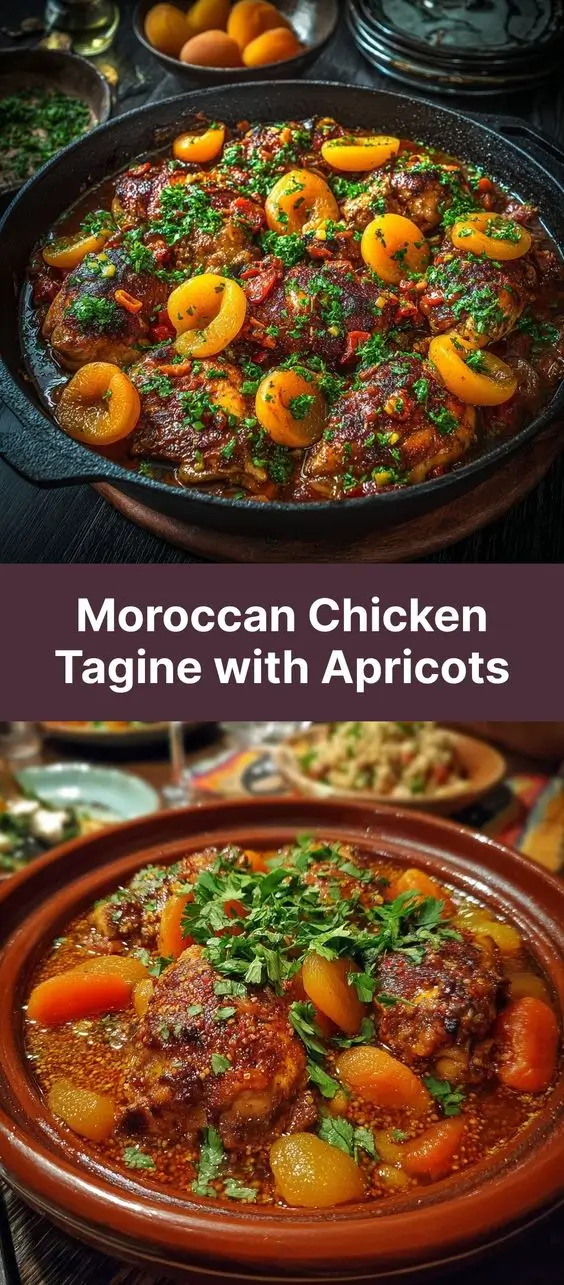
Moroccan Chicken Tagine with Apricots: A Fragrant Journey Through Flavor and Tradition
Introduction
Moroccan cuisine is a rich tapestry of flavors, shaped by centuries of cultural exchange, trade routes, and regional diversity. Among its most celebrated dishes is the chicken tagine with apricots—a harmonious blend of savory, sweet, and aromatic spices that come together in a slow-cooked stew known for its depth and complexity. This dish embodies the essence of Moroccan cooking: balance, warmth, and hospitality.
The word “tagine” refers not only to the dish itself but also to the iconic conical clay pot in which it’s traditionally cooked. The unique design of the tagine allows steam to circulate and condense back into the stew, preserving moisture and intensifying flavor without drying out delicate ingredients like chicken or fruit. While modern kitchens may use Dutch ovens or heavy pots, the spirit of the dish remains unchanged—a celebration of slow food at its finest.
Chicken tagine with apricots stands out as a beloved variation within Moroccan culinary traditions. It combines tender pieces of chicken with dried apricots, creating a luscious contrast between the meat’s richness and the fruit’s natural sweetness. Spices such as saffron, ginger, turmeric, and cinnamon lend warmth and complexity, while fresh herbs add brightness. Served over fluffy couscous or with crusty bread, this meal is both comforting and exotic—an invitation to savor every bite.
The History
To understand the roots of Moroccan chicken tagine with apricots, one must journey through North Africa’s complex history—a crossroads where Berber, Arab, Andalusian, French, and sub-Saharan influences have converged over millennia. The foundation of Moroccan cuisine lies in ancient Amazigh (Berber) practices, which emphasized seasonal ingredients, preservation techniques, and communal dining.
The introduction of Islam in the 7th century brought new dietary laws and culinary ideas from the Middle East, including the use of spices, dried fruits, and slow-cooking methods. Later, during the Islamic Golden Age, trade routes extended from Spain across the Sahara, bringing saffron from Spain, cinnamon from Sri Lanka, ginger from India, and apricots—originally from China—that had traveled westward through Persia and the Mediterranean.
Apricots became particularly popular in Moroccan cooking due to their ability to be dried and stored for long periods, making them ideal for winter stews and festive meals. Their inclusion in savory dishes reflects the Andalusian influence on Moroccan gastronomy, especially after the expulsion of Muslims and Jews from Spain in the 15th century. These refugees brought refined recipes that often paired meat with dried fruit and nuts—a hallmark of aristocratic medieval Iberian cuisine.
The tagine pot itself likely evolved from earlier clay cookware used by indigenous peoples in North Africa. Its low base and tall lid were perfectly suited for cooking over open fires or charcoal braziers common in Moroccan homes. Over time, the technique of slow braising with minimal liquid became central to Moroccan home cooking, allowing tough cuts of meat to become tender and infusing simple ingredients with extraordinary flavor.
Today, chicken tagine with apricots is more than just a recipe—it’s a symbol of Moroccan identity, resilience, and cultural fusion. It appears at family gatherings, religious holidays like Eid, and special occasions such as weddings and Ramadan iftars. In cities like Marrakech, Fez, and Chefchaouen, you’ll find steaming tagines served in riads, street markets, and home kitchens alike, each with slight variations passed down through generations.
Ingredients Breakdown
The magic of Moroccan chicken tagine with apricots lies in its carefully balanced ingredients—each playing a vital role in building layers of flavor, texture, and aroma. Here’s an in-depth look at what goes into this exquisite dish:
- Chicken: Traditionally, bone-in, skin-on chicken thighs and drumsticks are preferred for their rich flavor and ability to stay moist during long cooking. Some recipes include a whole cut-up chicken. The bones contribute gelatin to the sauce, giving it body and silkiness.
- Dried Apricots: Unsulfured dried apricots are best—they offer a deep, honeyed sweetness without artificial preservatives. They plump up during cooking, releasing subtle tartness that balances the spices. Fresh apricots can be used seasonally, but dried ones provide more concentrated flavor and better texture.
- Onions: Yellow or white onions form the aromatic base. Slowly caramelized, they bring sweetness and depth, forming the foundation of the sauce.
- Garlic: Minced garlic adds pungency and complexity, enhancing other spices without overpowering them.
- Fresh Ginger: Grated or finely chopped, fresh ginger delivers a warm, slightly spicy zing that lifts the entire dish.
- Spices – Turmeric: Provides earthy warmth and a vibrant golden hue.
- Spices – Ground Cinnamon: Adds sweetness and fragrance; sometimes a cinnamon stick is added whole for subtler infusion.
- Spices – Ground Cumin: Offers a nutty, smoky undertone that complements the chicken.
- Spices – Paprika: Sweet or smoked paprika enhances color and adds mild heat and depth.
- Saffron: Soaked briefly in warm water, saffron threads impart a luxurious floral note and golden glow. Though expensive, only a pinch is needed.
- Olive Oil: Used for browning and sautéing, high-quality extra virgin olive oil enriches the base flavors.
- Preserved Lemons (optional but traditional): Chopped rind adds a bright, salty-citrus punch unique to North African cuisine. If unavailable, lemon zest can substitute, though the result will differ slightly.
- Fresh Herbs: Cilantro and flat-leaf parsley are commonly used—both stirred in at the end for freshness. Sometimes green olives are added for brininess.
- Stock or Water: Chicken broth is ideal for adding savory depth, though water works when layered with spices.
- Honey or Sugar (optional): A small amount may be added to enhance the apricot’s sweetness, especially if the apricots are less sweet or tartness dominates.
- Almonds (blanched or toasted): Often sprinkled on top before serving for crunch and visual appeal. Slivered or whole, they echo historical Moorish traditions.
Step-by-Step Recipe
Creating an authentic Moroccan chicken tagine with apricots requires patience, attention to detail, and respect for timing. Follow these steps to achieve restaurant-quality results in your own kitchen:
- Prepare the Ingredients: Cut 3–4 lbs of chicken (bone-in, skin-on thighs and legs) into serving pieces. Pat dry with paper towels to ensure proper browning. Slice 2 large onions thinly. Mince 3 cloves of garlic. Grate 1 tablespoon of fresh ginger. Measure out all spices: 1 tsp ground cumin, 1 tsp ground coriander, 1/2 tsp turmeric, 1/2 tsp paprika, 1/2 tsp ground cinnamon, and a generous pinch of saffron threads soaked in 1/4 cup warm water.
- Soak the Apricots: Place 1 cup of dried apricots in a bowl and cover with hot water. Let soak for 15–20 minutes to rehydrate. Drain and set aside.
- Brown the Chicken: Heat 3 tablespoons of olive oil in a large tagine, Dutch oven, or heavy-bottomed pot over medium-high heat. Working in batches, sear the chicken pieces skin-side down until golden brown—about 5–6 minutes per side. Remove and set aside. Do not skip this step; browning builds foundational flavor.
- Sauté the Aromatics: Reduce heat to medium. Add the sliced onions to the same pot and cook slowly, stirring occasionally, until softened and lightly caramelized—about 10–12 minutes. Add the minced garlic and grated ginger, cooking for another minute until fragrant.
- Bloom the Spices: Stir in the cumin, coriander, turmeric, paprika, and cinnamon. Cook for 30 seconds to release essential oils—be careful not to burn them. Immediately pour in the saffron water (including threads), scraping up any browned bits from the bottom of the pot.
- Return Chicken to Pot: Nestle the browned chicken pieces back into the pot, along with any accumulated juices. Arrange them snugly among the onions and spice mixture.
- Add Liquid and Simmer: Pour in enough chicken stock or water to come halfway up the sides of the chicken—about 2 cups. Bring to a gentle simmer, then reduce heat to low. Cover with a tight-fitting lid (or place an inverted plate inside the tagine cone).
- Slow Cook: Let the tagine cook gently for 45 minutes, turning the chicken once halfway through. Avoid boiling—gentle simmering ensures tender meat.
- Add Apricots: After 45 minutes, drain the soaked apricots and stir them into the stew. Continue cooking uncovered for another 15–20 minutes to allow the sauce to thicken slightly and the apricots to soften fully.
- Incorporate Preserved Lemon (if using): Finely chop the pulp-free rind of 1 preserved lemon and add it during the last 10 minutes of cooking.
- Finish with Herbs: Just before serving, sprinkle in 1/2 cup each of chopped fresh cilantro and flat-leaf parsley. Stir gently to combine.
- Garnish and Serve: Transfer to a serving platter or present directly in the tagine. Top with toasted slivered almonds and additional herb sprigs. Serve hot alongside steamed couscous, crusty bread, or roasted vegetables.
Tips
- Use Bone-In Chicken: Bones add collagen and richness to the sauce. Skin helps protect the meat during long cooking.
- Don’t Rush the Onions: Slowly caramelizing the onions brings out natural sugars that balance the spices and apricots.
- Bloom Spices Properly: Always cook ground spices briefly in fat to unlock their full flavor potential.
- Control Heat Carefully: Too high heat can cause burning or tough meat. Keep the flame low and steady.
- Let It Rest: Allow the tagine to sit off the heat for 5–10 minutes before serving—this lets flavors meld further.
- Balance Sweetness: Taste before serving. If too sweet, add a splash of lemon juice. If too tart, drizzle in a bit of honey.
- Make Ahead Advantage: Like many stews, this tagine tastes even better the next day. Reheat gently on the stove.
- Cooking Vessel Matters: If using a real clay tagine, remember to soak it in water for 1–2 hours before first use and always start with cold ingredients to prevent cracking.
- Check Apricot Quality: Choose soft, pliable apricots without added sugar or sulfur dioxide for the best flavor.
- Adjust Salt Gradually: Preserved lemons and stock vary in saltiness—season cautiously and adjust at the end.
Variations and Customizations
Moroccan chicken tagine with apricots is wonderfully adaptable. Regional and household variations abound, reflecting personal taste, seasonal availability, and occasion. Consider these creative twists:
- Vegetarian Version: Replace chicken with chickpeas, carrots, sweet potatoes, and zucchini. Use vegetable broth and increase spices slightly.
- Chicken & Lamb Fusion: Combine chicken with lamb shoulder chunks for a richer, gamier profile.
- Different Fruits: Substitute or mix in prunes, raisins, dates, or figs for varied sweetness and texture.
- Nut Variations: Swap almonds for pistachios or walnuts. Toast them lightly for enhanced flavor.
- Spice Adjustments: Add a pinch of cayenne or ras el hanout (a complex Moroccan spice blend) for more heat and intrigue.
- With Olives: Add a handful of green or purple olives in the last 15 minutes for a savory-salty counterpoint.
- Creamy Finish: Stir in a spoonful of plain yogurt or crème fraîche at the end for a silky finish (non-traditional but delicious).
- Grilled Option: For a modern twist, grill the chicken first, then shred and incorporate into a reheated apricot-spice sauce.
- Instant Pot Adaptation: Brown ingredients using sauté function, then pressure cook on high for 12 minutes with quick release. Add apricots and herbs afterward.
- Oven-Braised Method: After browning, transfer everything to a covered Dutch oven and bake at 325°F (160°C) for 1 hour.
Health Considerations and Nutritional Value
Moroccan chicken tagine with apricots offers a well-rounded nutritional profile when prepared mindfully:
- Protein Source: Chicken provides lean protein essential for muscle repair and satiety.
- Healthy Fats: Olive oil contributes heart-healthy monounsaturated fats and antioxidants.
- Fiber Content: Dried apricots offer dietary fiber, supporting digestion and gut health.
- Vitamins & Minerals: Apricots are rich in vitamin A (beta-carotene), potassium, and iron. Ginger aids digestion and has anti-inflammatory properties.
- Low Glycemic Impact: When unsweetened, this dish has moderate carbohydrate content with slow-releasing energy thanks to fiber and protein.
- Sodium Awareness: Be cautious with preserved lemons and store-bought broths, which can be high in sodium. Opt for low-sodium versions or make your own.
- Balanced Meal Pairing: Serve with whole grain couscous or quinoa instead of refined grains for added fiber and nutrients.
- Allergens: Contains tree nuts (almonds). Omit or replace with seeds like pumpkin or sunflower for nut-free diets.
- Keto-Friendly Options: Not naturally keto due to apricots and onions, but possible modifications include using fewer apricots and replacing with low-carb vegetables like cauliflower.
- Gluten-Free Friendly: Naturally gluten-free as long as no flour-based thickeners are used and certified GF broth is selected.
Ingredients
- 3–4 lbs bone-in, skin-on chicken thighs and drumsticks
- 1 cup dried apricots (unsulfured preferred)
- 3 tbsp extra virgin olive oil
- 2 large yellow onions, thinly sliced
- 3 garlic cloves, minced
- 1 tbsp fresh ginger, grated
- 1 tsp ground cumin
- 1 tsp ground coriander
- 1/2 tsp ground turmeric
- 1/2 tsp sweet paprika
- 1/2 tsp ground cinnamon (or 1 cinnamon stick)
- A generous pinch of saffron threads (about 1/4 tsp), soaked in 1/4 cup warm water
- 2 cups chicken broth (low-sodium recommended)
- 1 preserved lemon, rinsed and rind chopped (optional)
- 1/2 cup fresh cilantro, chopped
- 1/2 cup fresh flat-leaf parsley, chopped
- 1/4 cup slivered almonds, toasted (for garnish)
- Salt and freshly ground black pepper, to taste
Directions
- Pat chicken pieces dry and season lightly with salt and pepper.
- Heat olive oil in a large tagine, Dutch oven, or heavy pot over medium-high heat. Brown chicken in batches, skin-side down, for 5–6 minutes per side. Remove and set aside.
- In the same pot, add onions and cook over medium heat for 10–12 minutes until soft and golden. Add garlic and ginger; cook 1 minute more.
- Stir in cumin, coriander, turmeric, paprika, and cinnamon. Cook 30 seconds until fragrant.
- Pour in saffron water, scraping up browned bits. Return chicken to pot, nestling into onions.
- Add chicken broth to reach halfway up chicken. Bring to a simmer, then reduce heat to low.
- Cover tightly and cook gently for 45 minutes.
- Meanwhile, soak apricots in hot water for 15–20 minutes. Drain and set aside.
- After 45 minutes, add apricots (and preserved lemon rind, if using). Cook uncovered for 15–20 minutes more, until chicken is tender and sauce has thickened slightly.
- Remove from heat. Stir in fresh cilantro and parsley.
- Garnish with toasted almonds and additional herbs. Serve immediately with couscous or bread.
FAQ
Q: Can I use chicken breast instead of thighs?
A: Yes, but breasts cook faster and can dry out. If using, reduce cooking time to 25–30 minutes and consider adding them later in the process.
Q: Where can I find preserved lemons?
A: Available in Middle Eastern grocery stores, gourmet markets, or online. You can also make them at home by packing lemon quarters in salt for 3–4 weeks.
Q: Is saffron necessary?
A: While optional, saffron adds a distinctive aroma and color. If unavailable, increase turmeric slightly, though the flavor won’t be identical.
Q: Can I freeze this tagine?
A: Absolutely. Cool completely, then freeze in airtight containers for up to 3 months. Thaw overnight and reheat gently on the stove.
Q: What should I serve with chicken tagine?
A: Traditional pairings include couscous, khobz (Moroccan bread), or grilled vegetables. A simple cucumber-tomato salad complements the richness well.
Q: How do I clean a clay tagine?
A: Avoid soap. Rinse with warm water, scrub gently with a sponge, and let air dry. Never put it in the dishwasher.
Q: Why did my sauce turn bitter?
A: Likely causes include burned spices or onions, overcooked garlic, or too much preserved lemon. Bloom spices quickly and monitor heat closely.
Q: Can I make this in a slow cooker?
A: Yes. Brown chicken and sauté aromatics first, then transfer to a slow cooker. Cook on low for 6–7 hours or high for 3–4 hours. Add apricots in the last hour.
Summary
Moroccan chicken tagine with apricots is a soul-warming dish that marries tender chicken, plump dried fruit, and a symphony of aromatic spices, slow-cooked to perfection in a method rooted in centuries of tradition. Elegant yet humble, it invites sharing, evokes nostalgia, and delights the senses with every fragrant bite.