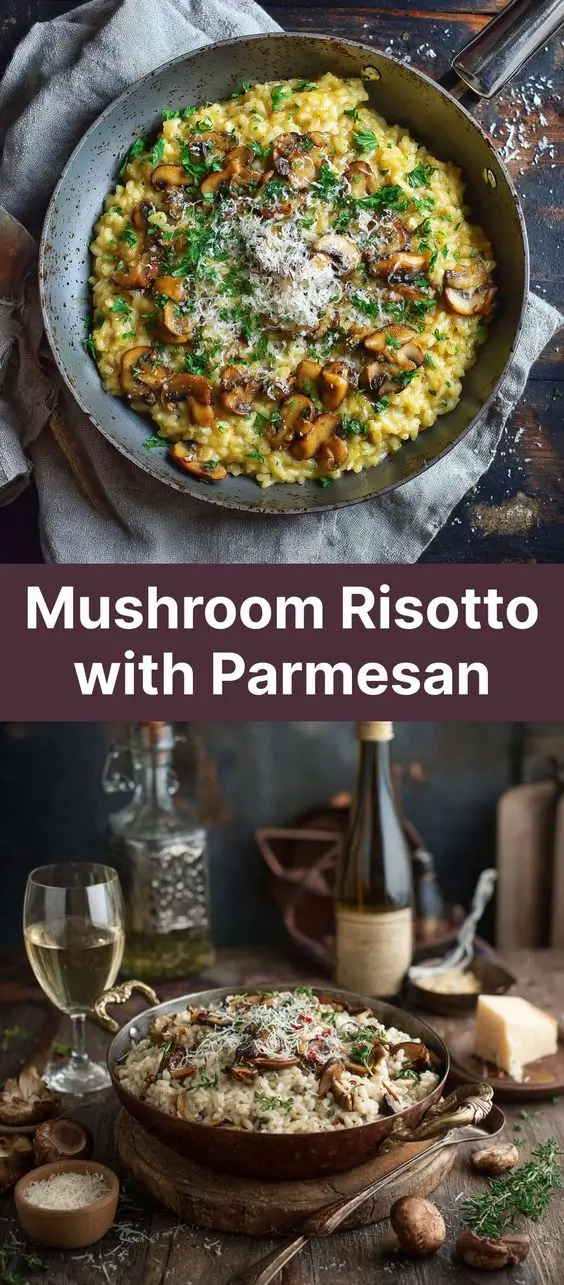
Mushroom Risotto with Parmesan: A Creamy, Comforting Delight
Mushroom risotto with Parmesan is a luxurious Italian dish that combines the earthy depth of mushrooms with the creamy richness of Arborio rice, all elevated by the nutty saltiness of freshly grated Parmesan. Revered in both home kitchens and fine dining establishments, this classic recipe offers comfort and sophistication in every bite. Whether you’re preparing a romantic dinner or impressing guests at a dinner party, mushroom risotto stands out as an elegant yet approachable meal.
The History of Mushroom Risotto
Risotto, a staple of Northern Italian cuisine—particularly from regions like Lombardy, Veneto, and Piedmont—has its roots stretching back to the 14th century. Originally, rice was introduced to Italy through trade routes from Asia, and over time, Italians developed unique methods of cooking it slowly in broth to extract its natural starches, creating a creamy consistency without adding cream.
The addition of mushrooms to risotto likely emerged from the abundant forests of Northern Italy, where wild fungi such as porcini, chanterelles, and cremini grow in abundance. Foraging for mushrooms has long been a cultural tradition in rural Italy, and incorporating them into hearty dishes like risotto made perfect sense. Over generations, mushroom risotto evolved into one of the most beloved variations of this classic dish.
Parmesan cheese, specifically Parmigiano-Reggiano, has been produced in the Parma and Reggio Emilia regions since the Middle Ages. Its role in risotto goes beyond flavor—it adds umami, texture, and a subtle granular richness that enhances the overall mouthfeel. When combined with slow-cooked Arborio rice and sautéed mushrooms, Parmesan transforms a simple grain into something truly decadent.
Ingredients Breakdown: What Makes This Dish Special?
The magic of mushroom risotto lies not just in technique but also in the quality and harmony of ingredients. Each component plays a vital role:
- Arborio Rice: This short-grain rice is high in amylopectin, a type of starch that breaks down during slow cooking, releasing creaminess while maintaining a slight al dente center known as “al core.” Other varieties like Carnaroli or Vialone Nano can be used, but Arborio remains the most accessible.
- Fresh Mushrooms: Cremini, button, shiitake, or wild porcini mushrooms are excellent choices. They offer an earthy, umami-rich base. Dried porcini, when rehydrated, add intense flavor depth and are often mixed with fresh mushrooms for complexity.
- Onion and Garlic: Yellow onion provides sweetness when sautéed, while garlic adds aromatic pungency. Together, they form the flavor foundation (soffritto) of the dish.
- Dry White Wine: A crisp, dry white wine such as Pinot Grigio or Sauvignon Blanc deglazes the pan and introduces acidity that balances the richness of the final dish.
- Vegetable or Chicken Stock: Warm stock is gradually incorporated to cook the rice. Homemade stock is ideal for maximum flavor, but high-quality store-bought versions work well too. The key is keeping it warm throughout the process.
- Butter and Olive Oil: A combination of both fats ensures rich flavor and proper texture. Butter adds creaminess, while olive oil prevents burning during initial sautéing.
- Parmigiano-Reggiano Cheese: Authentic Parmesan brings a salty, nutty finish. Freshly grated is essential—pre-grated versions contain anti-caking agents that don’t melt smoothly.
- Fresh Herbs: Parsley or thyme are commonly used. Thyme pairs especially well with mushrooms, enhancing their woodsy notes.
- Salt and Pepper: Used to season each layer of the dish, ensuring balanced taste throughout.
Step-by-Step Recipe: How to Make Perfect Mushroom Risotto
Follow these detailed steps to achieve restaurant-quality mushroom risotto at home. Patience and attention are key—this isn’t a rushed dish, but the effort pays off.
Ingredients
- 1½ cups (300g) Arborio rice
- 4 cups (950ml) low-sodium vegetable or chicken stock, warmed
- ½ cup (120ml) dry white wine (e.g., Pinot Grigio)
- 8 oz (225g) fresh mushrooms (cremini, shiitake, or a mix), sliced
- ¼ oz (7g) dried porcini mushrooms (optional, for extra depth)
- ½ cup (120ml) hot water (for soaking dried mushrooms)
- 1 medium yellow onion, finely chopped
- 2 cloves garlic, minced
- 3 tbsp unsalted butter, divided
- 2 tbsp olive oil
- ½ cup (50g) freshly grated Parmigiano-Reggiano, plus more for serving
- 1 tsp fresh thyme leaves (or ½ tsp dried)
- Salt and freshly ground black pepper, to taste
- 2 tbsp fresh parsley, chopped (for garnish)
Directions
- Rehydrate Dried Mushrooms (if using): Place dried porcini in a small bowl and cover with ½ cup hot water. Let steep for 15–20 minutes. Strain through a fine-mesh sieve lined with cheesecloth or paper towel, reserving the liquid. Finely chop the softened mushrooms and set aside. Add the strained soaking liquid to your warmed stock—this boosts the umami profile significantly.
- Prepare Stock: In a saucepan, heat the stock (including the porcini soaking liquid) over medium-low heat. Keep it simmering gently throughout cooking. Cold stock will shock the rice and disrupt even cooking.
- Sauté Mushrooms: In a large, heavy-bottomed pot or Dutch oven, heat 1 tbsp olive oil and 1 tbsp butter over medium-high heat. Add the fresh mushrooms (and rehydrated porcini if using). Cook until golden brown and moisture has evaporated, about 6–8 minutes. Season lightly with salt and pepper. Remove mushrooms and set aside.
- Soffritto Base: Reduce heat to medium. Add remaining 1 tbsp olive oil to the same pot. Add chopped onion and sauté until translucent and soft, about 5 minutes. Add garlic and thyme; cook for another 1 minute until fragrant.
- Toast the Rice: Stir in the Arborio rice. Cook for 2–3 minutes, stirring constantly, until the grains become slightly translucent around the edges and smell nutty. This step helps seal the rice and prevents mushiness.
- Deglaze with Wine: Pour in the white wine. Stir continuously until the liquid is fully absorbed, about 2–3 minutes. The alcohol will evaporate, leaving behind bright acidity.
- Add Stock Gradually: Begin adding warm stock one ladle (about ½ cup) at a time. Stir frequently and allow each addition to be mostly absorbed before adding the next. This gradual process releases starch and builds creaminess. Continue for 18–22 minutes. The rice should be tender but still firm to the bite (al dente).
- Incorporate Mushrooms: About halfway through adding the stock (after approximately 10–12 minutes), stir in the sautéed mushrooms. This allows them to warm through and infuse the risotto with flavor.
- Finish the Risotto: Once the rice is cooked, remove the pot from heat. Stir in the remaining 2 tbsp butter and the grated Parmesan. This step, known as mantecatura, creates a glossy, velvety texture. Adjust seasoning with salt and pepper. If the risotto seems too thick, add a splash of warm stock to loosen it.
- Rest and Serve: Let the risotto rest for 1–2 minutes. Spoon into warm bowls, garnish with extra Parmesan, chopped parsley, and a crack of black pepper. Serve immediately—risotto waits for no one!
Tips for Success: Mastering the Art of Risotto
- Use Warm Stock: Adding cold stock slows cooking and can make the rice gummy. Keep it simmering on a nearby burner.
- Stir Frequently—but Not Constantly: Stirring helps release starch, but constant stirring can overwork the rice. Aim for a good balance—every 30 seconds to a minute.
- Don’t Rush It: True risotto takes 20–25 minutes. Rushing leads to uneven texture. Use the time to enjoy a glass of wine or prep sides.
- Taste as You Go: Start tasting the rice after 15 minutes. It should be creamy with a slight bite in the center.
- Finish Off Heat: Adding butter and cheese off the burner prevents separation and ensures a smooth emulsion.
- Serve Immediately: Risotto continues to absorb liquid and thickens as it sits. Plan to serve right after finishing.
- Rescue Overcooked Risotto: If it becomes too thick, stir in a bit of warm stock or butter to revive the texture.
Variations and Customizations
Mushroom risotto is wonderfully adaptable. Here are some creative ways to personalize it:
- Creamy Truffle Risotto: Drizzle with truffle oil or shave fresh black truffle on top for a gourmet twist.
- Wild Mushroom Medley: Use a blend of oyster, maitake, chanterelle, and morel mushrooms for complex forest-floor flavor.
- Vegetarian & Vegan Option: Use vegetable stock, omit butter or substitute with vegan butter, and use nutritional yeast or plant-based Parmesan alternative.
- Protein Boost: Add seared scallops, grilled chicken, or crispy pancetta on top for a heartier meal.
- Herb Variations: Swap thyme for rosemary, sage, or tarragon depending on your mushroom choice.
- Lemon Zest Finish: Add a teaspoon of lemon zest at the end for brightness that cuts through richness.
- Asparagus & Pea Risotto: Fold in blanched asparagus tips and peas during the last few minutes for a spring version.
- Wine-Free Version: Replace wine with additional stock and a splash of apple cider vinegar or lemon juice for acidity.
Health Considerations and Nutritional Value
While rich and satisfying, mushroom risotto can fit into a balanced diet when enjoyed in moderation and prepared thoughtfully.
Nutritional Highlights (per serving, approx. 1.5 cups):
- Calories: ~450–500 kcal
- Carbohydrates: ~60g (mostly from rice)
- Protein: ~12g (from cheese, mushrooms, and rice)
- Fat: ~18g (primarily from butter and cheese)
- Fiber: ~3g (enhanced with whole mushrooms and optional veggies)
- Sodium: ~600–800mg (varies based on stock and cheese)
Health Benefits:
- Mushrooms: Low in calories and fat, mushrooms are rich in B vitamins, selenium, potassium, and antioxidants. They also contain beta-glucans, which may support immune function.
- Whole Ingredients: Using homemade stock, fresh herbs, and real butter avoids preservatives and artificial flavors.
- Complex Carbs: Arborio rice, while not whole grain, provides sustained energy due to its starch structure.
Healthier Modifications:
- Reduce Fat: Cut butter by half and increase olive oil. Use less cheese or opt for reduced-fat Parmesan.
- Boost Fiber: Add diced vegetables like zucchini, spinach, or roasted squash.
- Lower Sodium: Use low-sodium stock and limit added salt, relying on herbs and mushrooms for flavor.
- Gluten-Free: Naturally gluten-free as long as stock and wine are certified GF.
Frequently Asked Questions (FAQ)
Can I make mushroom risotto ahead of time?
Risotto is best served fresh, but you can prepare it partially in advance. Cook the rice to just before the final stage (about 2–3 minutes underdone), spread on a tray to cool, then refrigerate. Reheat gently with warm stock, stirring, and finish with butter and cheese.
Why is my risotto gluey or mushy?
Overcooking or too much liquid can cause this. Ensure you’re using the correct rice-to-liquid ratio and tasting frequently near the end. Also, avoid stirring excessively at the very end.
Can I freeze mushroom risotto?
Freezing is not recommended as the texture of the rice deteriorates, becoming overly soft upon thawing. However, leftover risotto can be refrigerated for up to 3 days and reheated with added stock.
What can I serve with mushroom risotto?
It pairs beautifully with a simple green salad, roasted vegetables, garlic sautéed greens, or a protein like grilled salmon or chicken. A crisp white wine complements the dish perfectly.
Can I use instant or quick-cook rice?
No. Instant rice lacks the necessary starch content and won’t produce the creamy texture essential to risotto. Always use high-starch rice like Arborio, Carnaroli, or Vialone Nano.
Is Parmesan vegetarian?
Traditional Parmigiano-Reggiano uses animal rennet and is not vegetarian. Look for vegetarian-certified Parmesan alternatives if needed.
Can I use other cheeses instead of Parmesan?
Yes—Pecorino Romano, Grana Padano, or Asiago can be substituted, though each will alter the flavor profile. Pecorino is saltier and sharper, while Grana Padano is milder.
Summary
Mushroom risotto with Parmesan is a timeless Italian classic that blends creamy Arborio rice, earthy mushrooms, and rich Parmigiano-Reggiano into a harmonious, comforting dish. With patience and quality ingredients, you can recreate this elegant meal in your own kitchen.