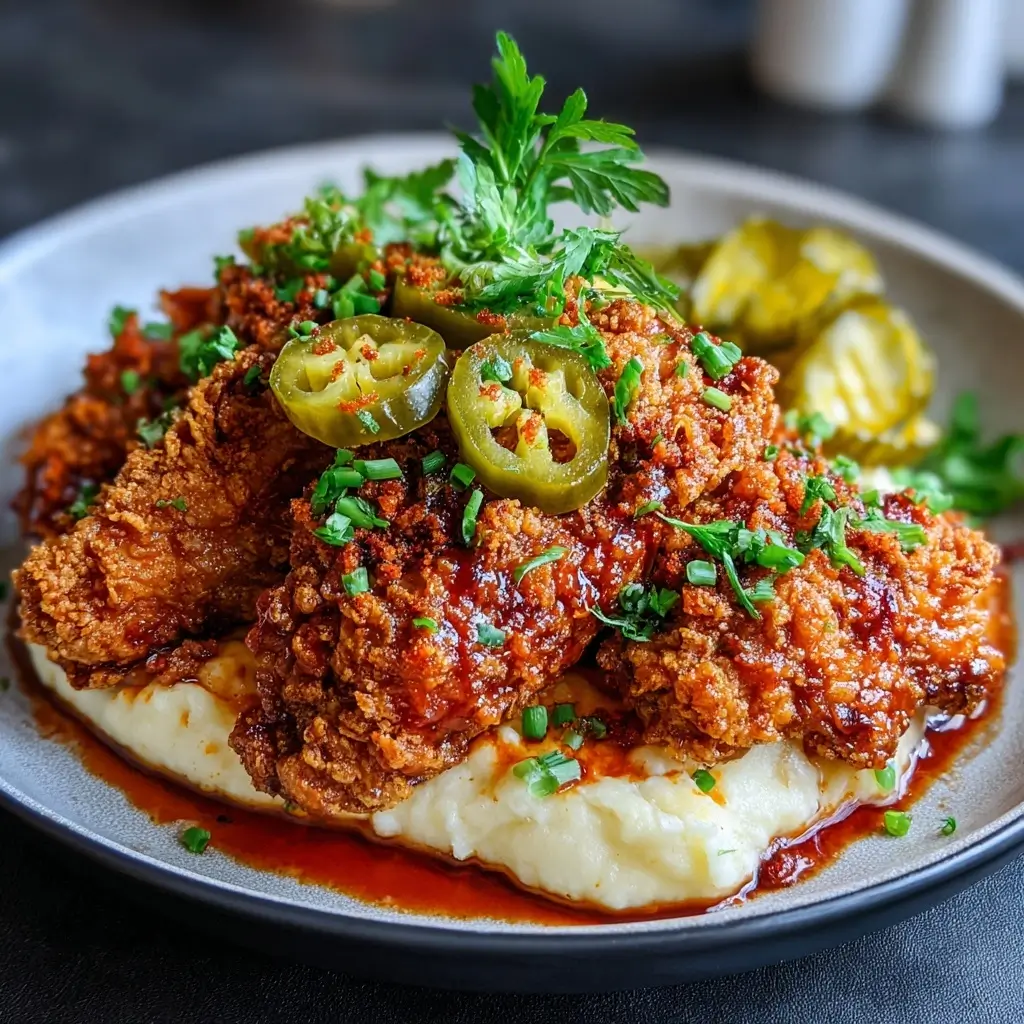
Nashville Hot Chicken: A Spicy Southern Classic
Born in the heart of Tennessee, Nashville Hot Chicken is more than just a meal—it’s a cultural phenomenon. Known for its fiery heat, crispy crust, and bold flavors, this iconic dish has traveled far beyond the borders of Music City, captivating taste buds across the United States and around the world. From its humble origins to its modern-day variations, Nashville Hot Chicken stands as a testament to soulful cooking and culinary innovation.
The History of Nashville Hot Chicken
The story of Nashville Hot Chicken begins in the 1930s with Thornton Prince, a man known for his love of late nights and good food. Legend has it that after staying out all night, Prince’s girlfriend decided to teach him a lesson by spicing up his fried chicken with an overwhelming amount of cayenne pepper—hoping he’d regret his lifestyle choices. Instead, Prince loved the spicy creation and saw potential where others saw punishment. He refined the recipe, eventually turning it into a family business.
What started as a small kitchen experiment evolved into a staple of African American cuisine in Nashville, particularly within the historic North Nashville neighborhood. The first official restaurant dedicated to serving hot chicken, Prince’s Hot Chicken Shack, opened its doors in the 1940s and remains one of the most famous purveyors of the dish today.
For decades, Nashville Hot Chicken was a regional secret, passed down through generations and served primarily at backyard cookouts and local joints. But in the early 2000s, food media began spotlighting the dish, leading to national exposure. Today, it can be found on menus from Brooklyn to Los Angeles, often adapted to suit different palates—but always rooted in its Southern heritage.
Ingredients Breakdown: What Makes It Authentic?
The magic of Nashville Hot Chicken lies not only in its heat but in the balance of spices, the preparation method, and the quality of ingredients. While recipes vary from family to family and restaurant to restaurant, there are core components that define authenticity:
- Chicken: Traditionally, bone-in, skin-on dark meat such as thighs and drumsticks are used. The fat content helps withstand high-heat frying and retains moisture. However, white meat like chicken breasts can also be used, though they tend to dry out faster.
- Fat for Frying: Lard is the traditional frying medium, prized for its high smoke point and rich flavor. Some modern versions use peanut oil or vegetable oil for convenience and dietary preferences.
- Flour Coating: All-purpose flour is standard, sometimes mixed with cornstarch for extra crispiness. This breading forms the base layer that holds the spicy paste.
- Buttermilk: Used for marinating, buttermilk tenderizes the chicken while adding tang and helping the flour coating adhere better.
- Eggs: Often added to the buttermilk mixture to improve adhesion of the breading.
- Spice Blend: The soul of the dish. Cayenne pepper is the dominant ingredient, providing both heat and color. Other common spices include paprika (smoked or sweet), garlic powder, onion powder, black pepper, cumin, and brown sugar for balance.
- Melted Fat + Spice Paste: After frying, a mixture of melted lard or oil blended with additional spices is poured over the chicken, creating the signature fiery glaze.
- White Bread: Served underneath to absorb the spicy drippings—a crucial part of the experience.
- Pickles: Dill pickles are served on top or on the side to cut through the heat and add brightness.
Step-by-Step Recipe: How to Make Nashville Hot Chicken at Home
Ingredients
For the Brine (Optional but Recommended):
- 4 cups buttermilk
- 2 tablespoons hot sauce (such as Frank’s RedHot)
- 1 tablespoon kosher salt
- 1 teaspoon black pepper
- 1 teaspoon garlic powder
- 1 teaspoon onion powder
For the Breading:
- 2 cups all-purpose flour
- 1/4 cup cornstarch
- 1 tablespoon paprika (smoked preferred)
- 2 teaspoons garlic powder
- 2 teaspoons onion powder
- 1 teaspoon cayenne pepper (adjustable)
- 1 teaspoon dried thyme
- 1 teaspoon dried oregano
- 1 tablespoon brown sugar
- 1 tablespoon salt
- 1 teaspoon black pepper
For the Chicken:
- 3–4 pounds bone-in, skin-on chicken pieces (thighs and drumsticks recommended)
- 2 large eggs
For the Hot Oil Glaze:
- 1/2 cup (1 stick) lard or vegetable shortening (lard preferred)
- 3–6 tablespoons cayenne pepper (depending on desired heat level)
- 1 teaspoon paprika
- 1 teaspoon garlic powder
- 1 teaspoon onion powder
- 1/2 teaspoon cumin
- 1/2 teaspoon black pepper
- 1 tablespoon brown sugar
- 1 teaspoon salt
- 1 tablespoon hot sauce (optional, for extra kick)
For Serving:
- Sliced white bread or sandwich buns
- Dill pickle chips or spears
- Cool ranch dressing or coleslaw (optional, for cooling contrast)
Directions
- Brine the Chicken: In a large bowl, whisk together buttermilk, hot sauce, salt, pepper, garlic powder, and onion powder. Add chicken pieces, ensuring they are fully submerged. Cover and refrigerate for at least 4 hours, preferably overnight. This step tenderizes the meat and enhances flavor absorption.
- Prepare the Breading Station: In a shallow dish, mix all breading ingredients thoroughly. In another bowl, beat the eggs. Remove chicken from the brine, letting excess drip off, then dip each piece into the beaten eggs, followed by the seasoned flour mixture. Press firmly to ensure a thick, even crust. Place breaded chicken on a wire rack and let rest for 15–20 minutes—this helps the coating set and prevents it from falling off during frying.
- Heat the Oil: In a heavy-bottomed Dutch oven or deep cast-iron skillet, heat 1–2 inches of lard or oil to 350°F (175°C). Use a thermometer for accuracy. The temperature should remain consistent throughout frying.
- Fry the Chicken: Carefully place chicken pieces in the hot oil, skin-side down, without overcrowding. Fry for about 12–15 minutes per side (depending on size), flipping once, until golden brown and internal temperature reaches 165°F (74°C). Drain on a wire rack or paper towels to keep the skin crisp.
- Make the Hot Glaze: While chicken fries, melt the lard or shortening in a small saucepan over low heat. Whisk in all glaze spices until smooth and aromatic. Adjust cayenne for desired heat—start with 3 tablespoons for medium-hot, 4–6 for inferno levels.
- Apply the Spice Paste: As soon as the chicken comes out of the fryer, brush or spoon the hot spice mixture generously over each piece. Work quickly before the chicken cools. For maximum authenticity, pour the entire mixture over the chicken so it pools slightly on the plate.
- Serve Immediately: Place a slice of white bread on the plate, top with the hot chicken, and garnish with dill pickles. Serve extra pickles and optional sides like coleslaw or mac and cheese on the side.
Tips for Perfect Nashville Hot Chicken
- Don’t Skip the Brine: Buttermilk brining adds moisture, flavor, and tenderness. If you’re short on time, a minimum of 2 hours helps, but overnight is best.
- Use a Wire Rack: After breading and before frying, let the chicken sit on a rack. This allows the coating to hydrate and form a stronger bond with the meat.
- Maintain Oil Temperature: Fluctuating oil temps lead to greasy or undercooked chicken. Keep it steady at 350°F. Use a clip-on thermometer for precision.
- Fry in Batches: Overcrowding lowers oil temperature and steams the chicken instead of frying it. Patience yields crispier results.
- Adjust Heat Gradually: Start with less cayenne in the glaze and increase over time. You can always make it hotter, but you can’t take heat away!
- Serve Immediately: Nashville Hot Chicken is best enjoyed fresh out of the fryer when the crust is crisp and the glaze is glistening.
- Protect Your Hands: When applying the hot oil-spice mixture, consider using a pastry brush or silicone spoon. The mixture is extremely hot—literally and figuratively.
Variations and Customizations
While traditional Nashville Hot Chicken is bold and blazing, modern adaptations have made the dish accessible to a wider audience. Here are some popular twists:
- Heat Levels: Many restaurants offer heat scales ranging from “mild” (just flavorful) to “suicide” (not for the faint of heart). Mild versions reduce cayenne and increase paprika; extreme versions may include ghost pepper or habanero powders.
- Chicken Cuts: While dark meat is classic, boneless thighs, chicken tenders, and even chicken sandwiches (on buns with pickles) have become popular, especially in fast-casual chains.
- Breading Alternatives: Gluten-free flours (like rice or chickpea flour) can replace all-purpose flour. Panko breadcrumbs are occasionally used for extra crunch, though not traditional.
- Vegan Versions: Plant-based alternatives use breaded seitan, tofu, or cauliflower florets, with a spicy oil glaze mimicking the original.
- Sandwich Style: Served on a brioche bun with pickles, lettuce, and mayo, the Nashville Hot Chicken Sandwich has become a menu staple nationwide.
- Breakfast Twist: Try it on a waffle with maple syrup drizzle—a spicy-sweet combo inspired by chicken and waffles.
- Smoked Version: Some chefs smoke the chicken before frying for deeper flavor complexity.
Health Considerations and Nutritional Value
Nashville Hot Chicken is undeniably indulgent. While delicious, it’s important to enjoy it mindfully due to its high calorie, fat, and sodium content. Here’s a general nutritional breakdown per 6-ounce serving (dark meat with skin, fried and glazed):
- Calories: ~650–800
- Total Fat: ~45–55g (including saturated fat from frying and lard)
- Protein: ~35–40g
- Carbohydrates: ~30–40g (mostly from breading)
- Sodium: ~1,200–1,800mg (high due to seasoning and brine)
Health Tips:
- Bake Instead of Fry: For a lighter version, coat the chicken and bake at 400°F on a wire rack until crispy. Finish with a light spray of oil and broil briefly.
- Air Fryer Option: Use an air fryer for reduced oil. Results are less authentic but significantly lower in fat.
- Skinless Chicken: Removing the skin reduces fat but also diminishes texture and spice adherence—so it’s a trade-off.
- Low-Sodium Adjustments: Reduce added salt in brine and breading, relying more on herbs and spices for flavor.
- Balanced Meal: Pair with fresh greens, grilled vegetables, or a light slaw to offset richness.
Despite its indulgence, Nashville Hot Chicken contains beneficial nutrients like protein, iron, and B vitamins from the chicken. Capsaicin in cayenne pepper may boost metabolism and provide anti-inflammatory benefits—though likely not enough to cancel out the fries!
Frequently Asked Questions (FAQ)
Q: What makes Nashville Hot Chicken different from regular spicy fried chicken?
A: The defining feature is the post-fry application of a spicy oil-based paste. While other fried chickens may be seasoned in the breading, Nashville style gets its intense heat and red hue from being brushed or doused with a hot oil and spice mixture right after frying.
Q: Can I make it without lard?
A: Yes—vegetable oil, peanut oil, or shortening can substitute. However, lard contributes a distinct richness and authenticity that’s hard to replicate.
Q: How do I handle the heat if I’m sensitive to spice?
A: Start with 1–2 teaspoons of cayenne in the glaze. You can also serve with cooling sides like ranch, coleslaw, or a milk-based drink. Whole milk or yogurt helps neutralize capsaicin better than water.
Q: Can I prepare it ahead of time?
A: The brine can be done 12–24 hours in advance. Breading can be applied a few hours ahead and refrigerated. However, frying and glazing should be done just before serving for optimal texture.
Q: Why is white bread served underneath?
A: The bread absorbs the spicy, flavorful drippings, preventing the plate from flooding and adding another textural element. It’s edible and delicious—don’t skip it!
Q: Is Nashville Hot Chicken supposed to be extremely hot?
A: Not necessarily. While heat is central, the best versions balance spice with savory, smoky, and slightly sweet notes. “Hot” refers more to the preparation style than mandatory mouth-searing levels.
Q: Can I freeze leftover hot chicken?
A: Yes, but the crust will soften. Reheat in an oven or air fryer to restore crispiness. Avoid microwaving, which makes it soggy.
Summary
Nashville Hot Chicken is a fiery, flavor-packed Southern masterpiece that blends history, culture, and bold seasoning into every bite. From its legendary origins in Tennessee to global fame, it remains a beloved symbol of soulful comfort food.