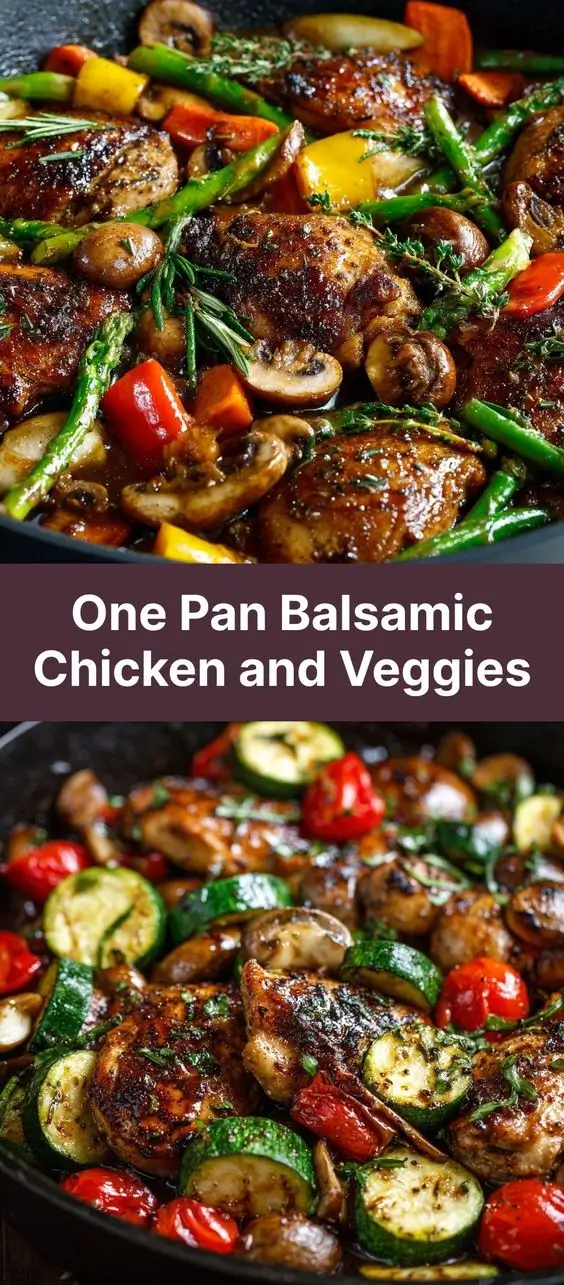
One Pan Balsamic Chicken and Veggies: A Flavorful, Healthy, and Easy Weeknight Dinner
The History of One-Pan Meals and the Rise of Balsamic Elegance
The concept of one-pan meals dates back centuries, rooted in practicality and resourcefulness across cultures. From rustic Mediterranean farmers roasting seasonal produce with meat over open fires to French casseroles and Spanish paellas cooked in communal pans, the tradition of combining proteins and vegetables into a single cooking vessel has long been cherished for its simplicity and depth of flavor. However, the modern iteration of the one-pan meal gained widespread popularity in the 20th century as home cooks sought efficient, low-mess solutions for busy weeknights.
Balsamic vinegar, a cornerstone of Italian cuisine, hails from Modena, Italy, where it has been produced since the Middle Ages. True traditional balsamic vinegar (Aceto Balsamico Tradizionale) undergoes an aging process of at least 12 years, developing a syrupy texture and complex balance of sweet and tart notes. While most home cooks use commercial-grade balsamic vinegar for everyday cooking, its rich umami profile has made it a beloved ingredient in marinades, dressings, and glazes. The fusion of balsamic vinegar with roasted chicken and vegetables is a relatively recent culinary innovation—born from the farm-to-table movement and the growing appreciation for bold, balanced flavors that require minimal effort.
The One Pan Balsamic Chicken and Veggies recipe exemplifies this convergence of convenience and gourmet taste. It emerged prominently in food blogs and healthy lifestyle publications during the 2010s, reflecting the demand for nutritious, visually appealing, and family-friendly dishes that don’t sacrifice flavor for speed. Today, it stands as a staple in modern kitchens—a testament to how timeless techniques can be reimagined for contemporary life.
Ingredients Breakdown: Why Each Component Matters
The beauty of this dish lies not only in its ease but also in the thoughtful synergy between ingredients. Every component contributes to the overall harmony of taste, texture, and nutrition.
- Chicken Breasts or Thighs: Boneless, skinless chicken breasts are lean and widely used for their mild flavor and quick cooking time. Alternatively, chicken thighs offer more moisture and richness due to their higher fat content, making them ideal for those who prefer juicier results.
- Balsamic Vinegar: This dark, tangy-sweet vinegar acts as both a tenderizer and flavor enhancer. Its acidity helps break down proteins in the chicken while caramelizing slightly when roasted, creating a glossy glaze on the veggies and meat.
- Olive Oil: Extra virgin olive oil adds heart-healthy monounsaturated fats and aids in even browning. It also carries flavors throughout the dish and prevents sticking on the pan.
- Fresh Garlic: Minced garlic infuses the entire dish with aromatic warmth. When roasted, it mellows into a sweet, nutty essence that complements the balsamic tang.
- Dijon Mustard: Adds a subtle sharpness and emulsifies the sauce, helping the marinade cling to the chicken and vegetables. It deepens the complexity without overpowering other elements.
- Honey or Maple Syrup: A touch of natural sweetness balances the acidity of the balsamic vinegar, promoting caramelization and rounding out the flavor profile.
- Dried Herbs (Thyme, Rosemary, Oregano): These herbs bring earthiness and fragrance. Thyme pairs exceptionally well with chicken, while rosemary adds pine-like notes that stand up to roasting.
- Salt and Black Pepper: Essential seasonings that enhance all other flavors. Freshly cracked pepper offers a bright bite.
- Variety of Vegetables: Common choices include:
- Broccoli florets – high in fiber and vitamin C, they retain a pleasant crunch.
- Carrots – add natural sweetness and vibrant color; slice evenly for uniform cooking.
- Zucchini and Yellow Squash – tender when roasted, contributing soft textures and mild flavor.
- Red Bell Peppers – provide sweetness, color contrast, and a boost of antioxidants like vitamin A and C.
- Red Onion – brings sharpness when raw but becomes jammy and sweet when roasted.
- Cherry Tomatoes – burst during cooking, adding bursts of juicy acidity.
- Asparagus – elegant and nutrient-dense, best added halfway through if using thin spears.
- Optional Additions:
- Cranberries or dried cherries for holiday flair.
- Pine nuts or slivered almonds for crunch.
- Feta or goat cheese crumbles post-roast for creaminess.
- Lemon zest for brightness.
Step-by-Step Recipe: How to Make One Pan Balsamic Chicken and Veggies
Follow these detailed steps to create a restaurant-quality meal with minimal cleanup.
- Preheat the Oven: Set your oven to 400°F (200°C). This temperature ensures a good sear and roast without drying out the chicken.
- Prepare the Balsamic Marinade: In a small bowl, whisk together:
- ¼ cup balsamic vinegar
- 3 tablespoons olive oil
- 2 tablespoons Dijon mustard
- 1 tablespoon honey (or maple syrup)
- 3 cloves garlic, minced
- 1 teaspoon dried thyme
- ½ teaspoon dried rosemary (crushed)
- ½ teaspoon salt
- ¼ teaspoon black pepper
Taste and adjust—add more honey for sweetness or vinegar for tang as needed.
- Prepare the Chicken: Pat 4 boneless, skinless chicken breasts (about 6 oz each) dry with paper towels. Place them in a large mixing bowl and pour half of the balsamic mixture over them. Toss to coat thoroughly. Let marinate for at least 15 minutes at room temperature, or up to 2 hours in the refrigerator for deeper flavor.
- Chop the Vegetables: While the chicken marinates, wash and cut:
- 2 cups broccoli florets
- 2 medium carrots, sliced diagonally
- 1 medium zucchini, halved lengthwise and sliced
- 1 yellow squash, same cut
- 1 red bell pepper, chopped into 1-inch pieces
- 1 red onion, cut into wedges
- 1 cup cherry tomatoes
Ensure uniform size for even cooking.
- Toss Vegetables in Marinade: In another large bowl, combine all chopped vegetables. Drizzle with the remaining half of the balsamic marinade. Toss well until evenly coated.
- Arrange on Sheet Pan: Use a large rimmed baking sheet (jelly roll pan) lined with parchment paper or lightly greased foil for easy cleanup. Arrange the marinated chicken breasts in the center of the pan. Spread the vegetables around the chicken, leaving some space between items to allow airflow and proper roasting (crowding causes steaming).
- Rosemary Sprig Garnish (Optional): Place a few fresh rosemary sprigs over the chicken for extra aroma during roasting.
- Roast in Oven: Place the pan in the preheated oven and roast for 20–25 minutes. After 15 minutes, gently flip the chicken and stir the vegetables to ensure even browning.
- Check Doneness: The chicken is done when it reaches an internal temperature of 165°F (74°C) at the thickest part. Juices should run clear. If using thighs, aim for 175°F (80°C) for optimal tenderness.
- Baste and Glaze: In the last 5 minutes of cooking, brush the top of the chicken with any leftover marinade or accumulated juices. This enhances the shine and intensifies flavor.
- Rest Before Serving: Remove from oven and let the chicken rest for 5 minutes. This allows juices to redistribute, ensuring moist meat.
- Garnish and Serve: Sprinkle with freshly chopped parsley, basil, or chives. Optionally, crumble feta or goat cheese over the hot veggies. Serve immediately.
Tips for Perfect One Pan Balsamic Chicken and Veggies
- Don’t Overcrowd the Pan: Use two pans if necessary. Overlapping ingredients steam instead of roast, resulting in soggy textures.
- Cut Veggies Uniformly: Consistent sizing ensures everything finishes cooking at the same time.
- Use Room Temperature Chicken: Taking the chicken out of the fridge 15–20 minutes before cooking promotes even roasting.
- Marinate Longer for More Flavor: Overnight marination (up to 8 hours) significantly deepens taste, especially in thicker cuts.
- Add Delicate Veggies Later: Ingredients like cherry tomatoes, spinach, or asparagus can be added halfway through to prevent overcooking.
- Boost Browning: For a golden crust, broil on high for 2–3 minutes at the end—watch closely to avoid burning.
- Make It Crispy: Place chicken on a wire rack set over the baking sheet so heat circulates underneath.
- Reserve Some Marinade: Set aside a portion before adding to raw chicken to use as a finishing sauce (boil first for safety).
- Line Your Pan: Parchment paper or silicone mats make cleanup effortless and prevent sticking.
- Let It Rest: Always allow protein to rest after cooking to preserve juiciness.
Variations and Customizations
This recipe is highly adaptable—perfect for dietary preferences, seasonal produce, or global twists.
Dietary Modifications
- Keto/Low-Carb: Replace carrots and squash with low-carb options like cauliflower, Brussels sprouts, green beans, or eggplant. Skip honey or substitute with erythritol-based syrup.
- Paleo: Use coconut aminos instead of Dijon (which may contain vinegar additives), and opt for raw honey. Ensure all ingredients are whole-food based.
- Vegan Version: Substitute chicken with firm tofu, tempeh, or chickpeas. Press tofu well, marinate, and roast until crispy. Chickpeas can be tossed directly into the veggie mix.
- Gluten-Free: Naturally gluten-free—just confirm that your Dijon mustard and balsamic vinegar are certified GF (some brands contain traces).
Flavor Twists
- Mediterranean Style: Add Kalamata olives, artichoke hearts, and crumbled feta. Use oregano and lemon juice in the marinade.
- Asian Fusion: Swap balsamic for tamari, rice vinegar, sesame oil, ginger, and a touch of miso. Top with sesame seeds and green onions.
- Herb Garden Fresh: Use fresh tarragon, dill, or chives. Finish with lemon slices on top.
- Spicy Kick: Add red pepper flakes, sriracha, or harissa paste to the marinade.
- Fall Harvest: Use butternut squash, apples, sweet potatoes, and pecans. Add cinnamon and nutmeg for warmth.
- Spring Blossom: Include asparagus, peas, radishes, and fresh mint. Lighten the dressing with white wine vinegar.
Protein Swaps
- Salmon Fillets: Roast alongside veggies at 375°F for 15–20 minutes. Pair with a citrus-balsamic glaze.
- Pork Tenderloin: Sear first, then roast. Absorbs balsamic beautifully.
- Shrimp: Add raw shrimp in the last 10–12 minutes of roasting—they cook quickly and absorb flavors fast.
- Sausage: Use chicken or turkey sausage slices for a heartier version.
Health Considerations and Nutritional Value
One Pan Balsamic Chicken and Veggies isn’t just delicious—it’s a nutritionally balanced meal that supports overall wellness.
Nutrient Highlights
- Lean Protein: Chicken breast provides about 30g of protein per 6 oz serving, supporting muscle repair and satiety.
- Healthy Fats: Olive oil delivers anti-inflammatory monounsaturated fats linked to improved heart health.
- Fiber-Rich Vegetables: Broccoli, carrots, and bell peppers contribute dietary fiber, promoting gut health and stable blood sugar.
- Antioxidants: Balsamic vinegar contains polyphenols that combat oxidative stress. Red onions and peppers are rich in quercetin and vitamin C.
- Low Glycemic Impact: When prepared without excess sugar, this dish maintains steady energy levels—ideal for diabetics or weight management.
Calorie Estimate (Per Serving, 4 Servings Total)
| Nutrient | Amount |
|---|---|
| Calories | ~380 kcal |
| Protein | 35g |
| Total Fat | 18g |
| Saturated Fat | 3g |
| Carbohydrates | 22g |
| Dietary Fiber | 6g |
| Sugars | 12g (natural from honey, carrots, tomatoes) |
| Sodium | ~500mg (adjustable by reducing added salt) |
Dietary Benefits
- Heart Health: Thanks to olive oil, fiber, and lack of processed ingredients.
- Weight Management: High protein and fiber promote fullness, reducing snacking.
- Immune Support: Abundant in vitamins A, C, and E from colorful vegetables.
- Bone Health: Vitamin K from broccoli and greens supports bone density.
Cautions
- Sugar Content: Commercial balsamic vinegars sometimes contain added sugars. Read labels carefully or reduce honey in the recipe.
- Sodium Sensitivity: Use low-sodium seasoning and limit added salt if managing hypertension.
- Food Safety: Never reuse marinade that touched raw chicken unless boiled for at least 1 minute.
Ingredients
- 4 boneless, skinless chicken breasts (or thighs), ~6 oz each
- ¼ cup balsamic vinegar (preferably aged)
- 3 tablespoons extra virgin olive oil
- 2 tablespoons Dijon mustard
- 1 tablespoon honey or pure maple syrup
- 3 cloves garlic, minced
- 1 teaspoon dried thyme
- ½ teaspoon dried rosemary, crushed
- ½ teaspoon sea salt
- ¼ teaspoon black pepper
- 2 cups broccoli florets
- 2 medium carrots, sliced
- 1 zucchini, halved and sliced
- 1 yellow squash, same cut
- 1 red bell pepper, chopped
- 1 red onion, cut into wedges
- 1 cup cherry tomatoes
- Fresh parsley or basil, for garnish
- Optional: feta cheese, pine nuts, lemon zest
Directions
- Preheat oven to 400°F (200°C). Line a large baking sheet with parchment paper.
- In a bowl, whisk together balsamic vinegar, olive oil, Dijon mustard, honey, garlic, thyme, rosemary, salt, and pepper.
- Place chicken in a bowl and pour half the marinade over it. Toss to coat and let sit 15+ minutes.
- Chop all vegetables into uniform sizes.
- Toss vegetables with the remaining marinade.
- Arrange marinated chicken in the center of the baking sheet. Surround with vegetables.
- Roast for 20–25 minutes, flipping chicken and stirring veggies halfway.
- Check chicken internal temp (165°F). Broil 2–3 minutes for extra browning if desired.
- Remove from oven, rest 5 minutes, then garnish with herbs and optional toppings.
- Serve warm with quinoa, brown rice, or crusty bread.
FAQ
- Can I use frozen vegetables?
- It’s best to use fresh or thawed frozen vegetables. Frozen veggies release excess water, which can lead to sogginess. If using, pat them very dry before tossing with oil.
- Can I prepare this ahead of time?
- Absolutely! Chop veggies and marinate chicken up to 24 hours in advance. Store separately in airtight containers. Assemble and bake when ready.
- How do I store leftovers?
- Cool completely and store in an airtight container in the refrigerator for up to 4 days. Reheat in oven or microwave.
- Can I freeze this dish?
- Yes, though texture may change slightly. Freeze in portioned containers for up to 3 months. Thaw overnight and reheat gently.
- Why is my chicken dry?
- Overcooking is the main culprit. Use a meat thermometer and remove at 160°F—the residual heat will carry it to 165°F. Thighs are more forgiving.
- Can I grill this instead?
- Yes! Use a grill basket for veggies and place chicken directly on the grate. Baste with marinade while grilling.
- Is balsamic vinegar healthy?
- In moderation, yes. It contains antioxidants and may help regulate blood sugar. Choose brands without caramel coloring or added sugars.
- What sides go well with this?
- Quinoa, farro, wild rice, mashed potatoes, couscous, or a simple arugula salad with lemon vinaigrette.
Summary
One Pan Balsamic Chicken and Veggies is a nutritious, flavorful, and effortlessly elegant meal that combines tender marinated chicken with vibrant roasted vegetables in a rich balsamic glaze—all cooked on a single sheet pan for minimal cleanup.
Perfect for busy weeknights, meal prep, or impressing guests, this dish balances sweet, tangy, and savory notes while offering endless customization for dietary needs and seasonal ingredients.