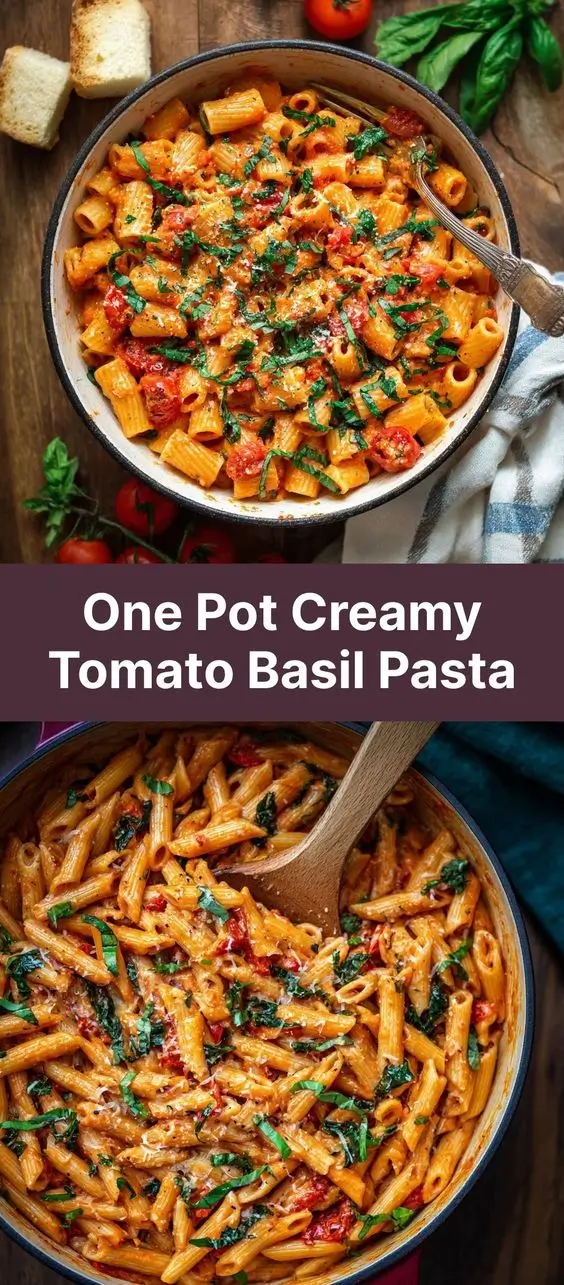
One Pot Creamy Tomato Basil Pasta
The History of One Pot Creamy Tomato Basil Pasta
The origins of pasta dishes can be traced back thousands of years, with ancient civilizations such as the Etruscans and Romans enjoying early forms of noodle-like foods. However, the modern concept of creamy tomato-based pasta emerged much later, particularly during the 20th century when dairy products like cream and butter became more accessible in Italian households. The fusion of tomatoes—introduced to Europe from the Americas in the 16th century—and fresh basil created what we now know as the classic tomato-basil pairing, a cornerstone of Italian cuisine.
The “one pot” method, however, is a relatively recent culinary innovation born out of convenience culture and the growing demand for quick, easy meals without sacrificing flavor. This technique gained widespread popularity through food blogs, YouTube cooking channels, and social media platforms around the early 2010s. Home cooks embraced the idea of minimizing cleanup while maximizing taste, leading to countless variations of one-pot pastas. The creamy tomato basil version quickly rose to fame due to its rich texture, vibrant color, and comforting aroma—a perfect blend of rustic charm and modern practicality.
Today, One Pot Creamy Tomato Basil Pasta stands as a symbol of contemporary home cooking: efficient, flavorful, and deeply satisfying. It bridges traditional Italian flavors with modern lifestyle needs, making it a beloved staple in kitchens across North America, Europe, and beyond.
Ingredients Breakdown
To create the ultimate One Pot Creamy Tomato Basil Pasta, every ingredient plays a vital role in building layers of flavor, texture, and richness. Here’s an in-depth look at each component:
- Pasta (typically penne or rotini): These short, tubular shapes hold onto sauce exceptionally well. Their ridges capture the creamy tomato mixture, ensuring every bite is flavorful. Whole wheat or gluten-free versions can be substituted depending on dietary preferences.
- Olive oil: Used to sauté aromatics, olive oil adds a fruity depth and helps build the flavor foundation. Extra virgin olive oil is preferred for its superior taste and health benefits.
- Garlic: Freshly minced garlic provides pungency and warmth. When cooked gently in oil, it mellows into a sweet, aromatic base that enhances the entire dish.
- Onion (yellow or red): Adds natural sweetness and complexity. Slowly softened onions contribute body and balance to the acidity of the tomatoes.
- Canned crushed tomatoes: The backbone of the sauce, these offer consistent flavor and ideal texture. They are more concentrated than diced tomatoes and integrate smoothly into the creamy mixture.
- Tomato paste: A small amount intensifies the umami and deepens the tomato flavor. It also helps thicken the sauce naturally.
- Vegetable or chicken broth: Replaces traditional water for cooking the pasta, infusing it with savory notes from the start. Low-sodium options allow better control over salt levels.
- Heavy cream or half-and-half: Provides luxurious silkiness and balances the acidity of the tomatoes. For lighter versions, coconut milk or evaporated milk can be used.
- Fresh basil: Added at the end, fresh basil brings a bright, slightly peppery herbaceousness that defines the dish. Dried basil works in a pinch but lacks the vibrancy of fresh leaves.
- Grated Parmesan cheese: Melts into the sauce, adding saltiness, nuttiness, and extra creaminess. Real Parmigiano-Reggiano is highly recommended for authenticity.
- Sugar (optional): A pinch may be added to counteract excessive tartness in some tomato brands, especially if they’re overly acidic.
- Salt and black pepper: Essential seasonings that enhance all other flavors. Freshly cracked pepper adds a subtle heat and aroma.
- Red pepper flakes (optional): Introduce a gentle kick for those who enjoy a hint of spice. Adjustable to taste.
Step-by-Step Recipe
- Gather and prep ingredients: Measure out all ingredients beforehand (mise en place). Mince 3–4 cloves of garlic, dice one medium onion, chop a large handful of fresh basil, and grate about ½ cup of Parmesan cheese. Have your pasta (8 oz), crushed tomatoes (15 oz can), tomato paste (2 tbsp), broth (2 cups), heavy cream (½ cup), and seasonings ready.
- Heat the pot: Place a large deep skillet or Dutch oven over medium heat. Add 2 tablespoons of olive oil. Allow it to shimmer but not smoke—this ensures proper sautéing without burning.
- Sauté aromatics: Add the diced onion and cook for 4–5 minutes until translucent and slightly golden. Stir frequently to prevent sticking. Then add the minced garlic and cook for another 30 seconds to 1 minute, just until fragrant. Be careful not to let garlic brown, as it turns bitter.
- Bloom tomato paste: Push the onions and garlic to one side of the pan. Add 2 tablespoons of tomato paste to the cleared space and let it sizzle for 30 seconds. Stir it into the onion-garlic mix. This step caramelizes the sugars in the paste, enhancing depth of flavor.
- Add crushed tomatoes: Pour in the entire can of crushed tomatoes, including juices. Stir well to combine with the sautéed base. Let simmer for 5 minutes to reduce slightly and meld flavors.
- Incorporate liquids and pasta: Add 2 cups of vegetable or chicken broth and stir. Then add 8 oz of uncooked pasta directly into the liquid. Ensure the pasta is mostly submerged; add a splash more broth or water if needed.
- Season and bring to a boil: Add 1 teaspoon salt, ½ teaspoon black pepper, ¼ teaspoon red pepper flakes (optional), and a pinch of sugar (if using). Stir everything together. Increase heat to high and bring the mixture to a rolling boil.
- Simmer until pasta is al dente: Once boiling, reduce heat to medium-low. Cover the pot with a lid and let it simmer for 12–15 minutes, stirring occasionally to prevent sticking. Check the pasta at 12 minutes—it should be tender with a slight bite (al dente).
- Stir in cream and cheese: When the pasta is cooked and most of the liquid has been absorbed, remove the pot from heat. Stir in ½ cup of heavy cream and ½ cup of grated Parmesan cheese. Mix thoroughly until the sauce becomes smooth and velvety.
- Add fresh basil: Tear or chop about ¼ cup of fresh basil leaves and fold them into the pasta. The residual heat will release their essential oils without wilting them completely.
- Taste and adjust seasoning: Sample the dish. Adjust salt, pepper, or creaminess as desired. If the sauce seems too thick, loosen it with a few tablespoons of warm broth or reserved pasta water.
- Serve immediately: Spoon the creamy tomato basil pasta into bowls. Garnish with additional Parmesan, a drizzle of olive oil, and a few whole basil leaves for presentation.
Pro Tips for Perfect Results
- Use a wide, heavy-bottomed pot: Ensures even heat distribution and prevents scorching, especially important when simmering starchy liquids.
- Don’t skip blooming the tomato paste: This simple step significantly boosts flavor by developing complex compounds through controlled browning.
- Keep broth on hand: Always have extra warm broth nearby. If the liquid reduces too quickly before the pasta is done, add more in ¼-cup increments.
- Stir regularly: Prevents the pasta from clumping and sticking to the bottom, which can lead to uneven cooking and burnt spots.
- Cook pasta to al dente: Overcooking results in mushy noodles. Remember, the pasta continues to absorb liquid off the heat.
- Add dairy off the heat: Adding cream and cheese while the pot is still hot is fine, but removing it from the burner first prevents curdling and ensures a silky texture.
- Fresh herbs last: Delicate herbs like basil lose flavor when overexposed to heat. Adding them at the end preserves their brightness.
- Let it rest: After mixing in the cream and cheese, let the pasta sit covered for 2–3 minutes. This allows the sauce to fully coat the noodles and thicken slightly.
Variations and Customizations
One of the greatest strengths of this recipe is its adaptability. Whether you’re catering to dietary restrictions, seasonal availability, or simply craving something different, here are numerous ways to customize your One Pot Creamy Tomato Basil Pasta:
Protein-Packed Upgrades
- Grilled chicken: Sliced or shredded chicken breast adds lean protein. Season with Italian herbs before grilling for extra flavor.
- Italian sausage: Brown crumbled sweet or spicy sausage before sautéing onions for a heartier, meatier version.
- Shrimp: Add peeled, deveined shrimp during the last 5 minutes of cooking. They cook quickly and pair beautifully with tomatoes and cream.
- Plant-based proteins: Try lentils, chickpeas, or plant-based ground “meat” for vegetarian or vegan adaptations.
Cheese Variations
- Mozzarella: Stir in fresh mozzarella pearls at the end for a gooey, melty surprise.
- Ricotta: Dollop warmed ricotta on top before serving for extra creaminess.
- Goat cheese: Crumble soft goat cheese over individual servings for tangy contrast.
- Vegan cheese: Use cashew-based or almond-based alternatives for a dairy-free experience.
Veggie Boosters
- Spinach or kale: Stir in a couple of handfuls during the last 2 minutes of cooking. They wilt perfectly into the warm sauce.
- Mushrooms: Sauté sliced cremini or shiitake mushrooms with the onions for earthy depth.
- Roasted red peppers: Add jarred or homemade roasted red peppers for sweetness and smokiness.
- Zucchini or eggplant: Dice and sauté before adding tomatoes for a garden-fresh twist.
Dietary Modifications
- Gluten-free: Substitute with high-quality gluten-free pasta (like brown rice or corn-based). Monitor closely as cooking times may vary.
- Dairy-free: Replace heavy cream with full-fat coconut milk and use nutritional yeast or vegan Parmesan instead of dairy cheese.
- Low-carb/Keto: Use spiralized zucchini (zoodles) or shirataki noodles. Cook separately and toss with the prepared sauce to avoid excess moisture.
- Whole grain: Opt for whole wheat or legume-based pastas for added fiber and nutrients.
Flavor Twists
- Lemon zest: Grate in some lemon peel at the end for a citrusy lift that cuts through richness.
- Balsamic glaze: Drizzle over finished plates for a sweet-tart finish.
- Sun-dried tomatoes: Chop and stir in a few pieces for intense tomato flavor and chewy texture.
- Capers or olives: Add briny pops of flavor that complement the creamy base.
Health Considerations and Nutritional Value
While undeniably indulgent, One Pot Creamy Tomato Basil Pasta can be adapted to support various health goals. Understanding its nutritional profile helps make informed choices:
Macronutrient Overview (per serving, approx. 1.5 cups)
- Calories: ~450–550 (depending on cream, cheese, and pasta type)
- Carbohydrates: 60–70g (mostly from pasta; choose whole grain for higher fiber)
- Protein: 12–18g (increases significantly with added meats or legumes)
- Fat: 20–25g (largely from cream and cheese; saturated fat content varies)
Key Nutrients and Benefits
- Lycopene: Found abundantly in cooked tomatoes, this powerful antioxidant is linked to reduced risk of heart disease and certain cancers. Cooking increases lycopene bioavailability.
- Vitamin C: Present in tomatoes and fresh basil, supports immune function and collagen production.
- Calcium and phosphorus: From dairy products, contribute to bone health.
- Healthy fats: Olive oil provides monounsaturated fats, known to support cardiovascular health.
- Fiber: Increases when using whole grain pasta or adding vegetables like spinach and mushrooms.
Considerations for Special Diets
- Heart health: Reduce sodium by using low-sodium broth and limiting added salt. Choose lower-fat dairy options if desired.
- Weight management: Control portion sizes and boost volume with non-starchy vegetables. Serve with a side salad for balanced nutrition.
- Diabetes-friendly: Pair with protein and fiber-rich additions to slow glucose absorption. Monitor carbohydrate intake based on personal needs.
- Digestive sensitivity: Some individuals may react to nightshades (tomatoes) or dairy. Alternatives include white bean cream sauces or carrot-based tomato substitutes.
How to Make It Healthier
- Replace half the cream with Greek yogurt (add off heat to prevent curdling).
- Use 1% milk or evaporated skim milk instead of heavy cream.
- Double the vegetables to increase nutrient density and lower calorie density.
- Choose lentil or chickpea pasta for added protein and fiber.
- Limit cheese to 2 tablespoons per serving or use strong-flavored aged cheeses for maximum impact with less quantity.
Complete Ingredients List
- 2 tbsp olive oil
- 1 medium yellow onion, finely diced
- 3–4 garlic cloves, minced
- 2 tbsp tomato paste
- 1 (15 oz) can crushed tomatoes
- 2 cups low-sodium vegetable or chicken broth
- 8 oz dried penne, rotini, or similar short pasta
- ½ tsp salt (adjust to taste)
- ½ tsp black pepper
- ¼ tsp red pepper flakes (optional)
- Pinch of sugar (optional)
- ½ cup heavy cream (or substitute)
- ½ cup freshly grated Parmesan cheese
- ¼ cup fresh basil, chopped or torn
- Extra Parmesan and basil for garnish
Directions
- In a large pot or deep skillet, heat olive oil over medium heat.
- Add diced onion and cook until soft and translucent, about 4–5 minutes.
- Add minced garlic and cook for 30 seconds until fragrant.
- Push mixture aside, add tomato paste to center, and cook for 30 seconds, stirring into onions and garlic.
- Stir in crushed tomatoes and simmer for 5 minutes.
- Add broth, uncooked pasta, salt, pepper, red pepper flakes, and sugar. Stir well.
- Bring to a boil, then reduce heat to medium-low, cover, and simmer for 12–15 minutes, stirring occasionally, until pasta is al dente and liquid is mostly absorbed.
- Remove from heat. Stir in heavy cream and Parmesan cheese until smooth.
- Fold in fresh basil. Taste and adjust seasoning.
- Let stand for 2–3 minutes to thicken. Serve warm, garnished with extra cheese and basil.
Frequently Asked Questions (FAQ)
Can I make this ahead of time?
Yes, though it’s best served fresh. Store leftovers in an airtight container in the refrigerator for up to 3 days. Reheat gently on the stove with a splash of broth or water to restore creaminess.
Why did my sauce turn out too thick or too thin?
If too thick, the liquid likely evaporated too quickly—add warm broth or water gradually until desired consistency is reached. If too thin, simmer uncovered for a few extra minutes to reduce, or stir in a bit more cheese to thicken.
Can I freeze creamy tomato basil pasta?
Freezing is possible but not ideal due to the dairy content. Cream-based sauces can separate or become grainy upon thawing. If freezing, omit cream and cheese, then add them fresh when reheating.
What pasta works best?
Short, sturdy shapes like penne, rigatoni, ziti, or fusilli work best because they hold sauce well and cook evenly in one pot. Avoid very thin pastas like angel hair, which may overcook.
Is there a vegan version?
Absolutely! Use olive oil, vegetable broth, canned tomatoes, tomato paste, and your favorite plant-based pasta. Substitute heavy cream with full-fat coconut milk and use vegan Parmesan or nutritional yeast.
Can I cook this in an Instant Pot?
Yes! Use the sauté function for onions and garlic, then add all ingredients except cream, cheese, and basil. Cook on manual high pressure for 4 minutes, quick release, then stir in dairy and herbs.
How do I prevent the pasta from sticking?
Stir frequently, especially during simmering. Ensure there’s enough liquid throughout cooking. Using a nonstick or well-seasoned pot also helps.
Can I use fresh tomatoes instead of canned?
You can, but canned tomatoes are more concentrated and consistent. If using fresh, roast 3–4 large tomatoes first, blend into a puree, and reduce on the stove before proceeding.
What can I serve with this pasta?
It pairs wonderfully with garlic bread, a crisp green salad, steamed vegetables, or a glass of white wine like Pinot Grigio or Sauvignon Blanc.
Can kids eat this?
Definitely! It’s mild, creamy, and kid-friendly. Omit red pepper flakes if serving to young children, and consider cutting pasta into smaller pieces for little ones.
Summary
One Pot Creamy Tomato Basil Pasta is a harmonious blend of rich tomato flavor, velvety cream, fresh herbs, and perfectly cooked pasta—all made effortlessly in a single pot for minimal cleanup and maximum satisfaction.
Whether enjoyed as a weeknight staple, customized with proteins and veggies, or adapted for dietary needs, this dish delivers restaurant-quality comfort with home-cooked love in under 30 minutes.