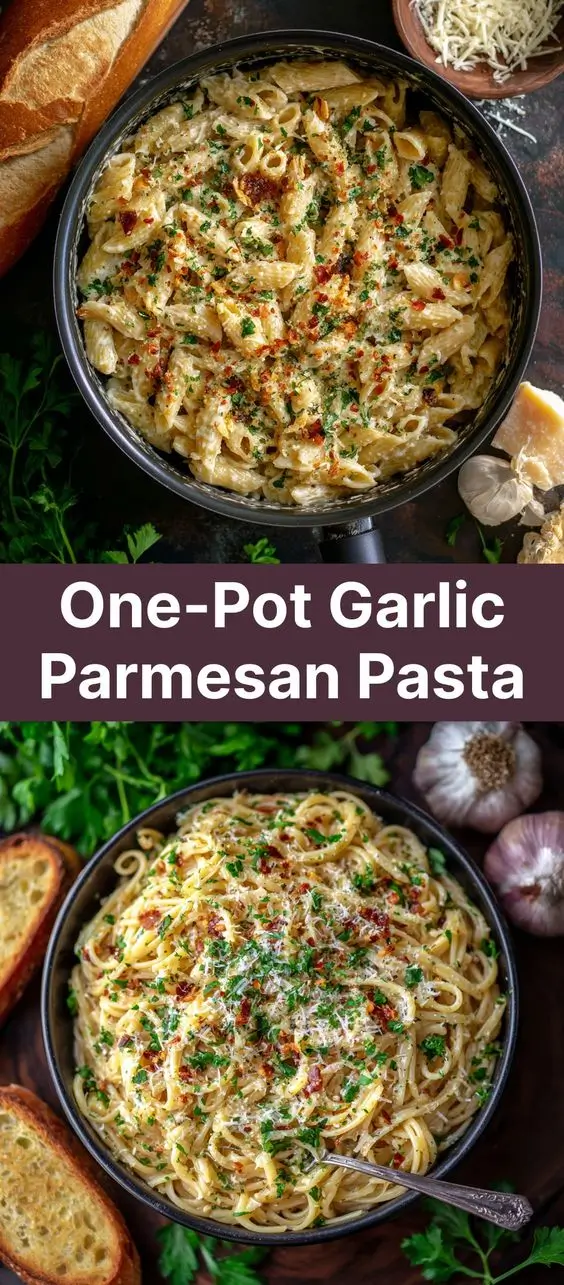
One-Pot Garlic Parmesan Pasta: A Creamy, Comforting Delight
The History of One-Pot Pasta
The concept of one-pot meals has been around for centuries, originating from the practical need to minimize cleanup and maximize flavor in home kitchens across the globe. In Italian culinary tradition, where simplicity and fresh ingredients reign supreme, dishes like pasta al pomodoro or pasta e fagioli were often prepared in a single pot—reflecting the cucina povera (peasant cooking) philosophy that values resourcefulness.
However, the modern version of One-Pot Garlic Parmesan Pasta gained widespread popularity in the 2010s, thanks to food bloggers and social media platforms like Pinterest and Instagram. Its rise was fueled by its promise of minimal effort, maximum taste, and only one pot to wash—an irresistible combo for busy families, college students, and anyone seeking comfort without complexity. The dish draws inspiration from classic Italian Alfredo but simplifies it using pantry staples, eliminating the need for heavy cream or roux while still achieving a luxuriously creamy texture.
Today, this recipe stands as a symbol of modern comfort cooking—a fusion of Italian roots with contemporary lifestyle needs. It’s frequently adapted, reinvented, and shared across continents, making it a staple in digital recipe collections worldwide.
Ingredients Breakdown: What Makes This Dish Shine
The beauty of One-Pot Garlic Parmesan Pasta lies in its humble yet powerful ingredients. Each component plays a vital role in building layers of flavor, texture, and richness—all coming together seamlessly in a single vessel.
- Pasta: Typically, dried fettuccine, penne, or spaghetti is used. These shapes hold sauce well and cook evenly in the broth. Whole wheat or gluten-free versions can be substituted based on dietary preferences.
- Chicken Broth: Acts as the cooking liquid and infuses the pasta with savory depth. Low-sodium broth is recommended to control salt levels, especially since Parmesan adds natural saltiness.
- Heavy Cream: Provides the velvety mouthfeel essential to the sauce. While some opt for half-and-half or milk, heavy cream ensures a rich, stable emulsion that doesn’t curdle easily.
- Fresh Garlic: The star of the show. Sautéed gently in butter, it releases an aromatic base that permeates every bite. Freshly minced garlic offers far superior flavor compared to pre-minced or powdered alternatives.
- Butter: Adds richness and helps bloom the garlic without burning. Unsalted butter is preferred so you can adjust seasoning precisely.
- Grated Parmesan Cheese: Real Parmigiano-Reggiano melts into the hot liquid, creating a silky cheese sauce. Avoid pre-grated supermarket varieties with anti-caking agents, which can make the sauce grainy.
- Fresh Parsley: Adds a pop of color and freshness, balancing the dish’s richness. Flat-leaf parsley is ideal for its robust flavor.
- Salt & Black Pepper: Essential seasonings. Freshly cracked pepper enhances the garlic and cheese notes beautifully.
- Nutritional Yeast (optional): A vegan-friendly addition for extra umami and cheesiness, particularly useful in plant-based adaptations.
Step-by-Step Recipe: How to Make One-Pot Garlic Parmesan Pasta
This foolproof method delivers restaurant-quality results with minimal effort. Follow these detailed steps for perfect pasta every time.
- Gather Your Tools: Use a large, deep skillet or Dutch oven with a tight-fitting lid. A 4–5 quart capacity works best to prevent boiling over.
- Sauté the Garlic: Melt 3 tablespoons of unsalted butter over medium heat. Add 5–6 cloves of freshly minced garlic and sauté for 1–2 minutes until fragrant but not browned. Burnt garlic turns bitter, so keep the heat moderate.
- Add Liquids and Pasta: Pour in 2 cups of chicken broth and 1 cup of heavy cream. Stir in 8 oz (about 2 cups) of uncooked pasta. Ensure the pasta is fully submerged; break longer noodles if needed.
- Simmer Covered: Bring the mixture to a gentle boil, then reduce heat to low. Cover and simmer for 10–12 minutes, stirring occasionally to prevent sticking. The pasta should absorb most of the liquid and reach al dente doneness.
- Check Doneness: Taste-test a piece of pasta. If it’s too firm, add a splash of broth or water and continue cooking uncovered for 1–2 minutes.
- Incorporate Cheese: Remove the pot from heat. Stir in 1 cup of freshly grated Parmesan cheese gradually until fully melted and smooth. The residual heat will melt the cheese without separating the sauce.
- Season Generously: Add salt to taste (start with ½ tsp), freshly ground black pepper (1 tsp), and ¼ cup chopped fresh parsley. Adjust seasoning carefully—remember, Parmesan is salty.
- Rest and Thicken: Let the pasta sit for 2–3 minutes. It will continue to thicken as it cools slightly. For a looser sauce, stir in warm broth or cream a tablespoon at a time.
- Serve Immediately: Spoon into warm bowls. Garnish with extra Parmesan, a drizzle of olive oil, cracked pepper, and a sprig of parsley.
Pro Tips for Perfect Results Every Time
- Use Freshly Grated Cheese: Pre-shredded cheese contains cellulose, which inhibits melting and can leave your sauce gritty. Always grate your own Parmesan for the creamiest texture.
- Don’t Rush the Garlic: Cooking garlic too fast or at high heat burns it. Keep the flame at medium-low and stir constantly during the initial sauté.
- Stir Occasionally: Prevent sticking by stirring every few minutes, especially once the liquid begins to reduce.
- Residual Heat Is Key: Never add cheese while the pot is still on the burner. High heat causes proteins in cheese to seize up, leading to clumping. Remove from heat first.
- Control Sauce Consistency: If the pasta thickens too much upon standing, loosen it with a splash of warm broth, cream, or even pasta water.
- Prevent Boil-Overs: Use a wide pot and avoid cranking the heat too high. A splatter guard can help manage bubbles during simmering.
- Taste As You Go: Season gradually. You can always add more salt or pepper, but you can’t take it away.
Variations and Customizations: Make It Your Own
One of the greatest strengths of this recipe is its versatility. Here are creative ways to personalize your One-Pot Garlic Parmesan Pasta:
Protein Additions
- Grilled Chicken: Add sliced grilled chicken breasts at the end for a hearty main course.
- Shrimp: Toss in peeled shrimp during the last 3–4 minutes of cooking—they cook quickly and absorb garlicky flavors beautifully.
- Pancetta or Bacon: Render diced pancetta before adding butter and garlic for a smoky, savory twist.
- Italian Sausage: Brown crumbled sausage first, remove, then proceed with the recipe. Stir back in with the cheese.
- Chickpeas or White Beans: Great for vegetarian protein boost. Add canned, drained beans in the final minute.
Vegetable Boosters
- Spinach or Kale: Stir in 2–3 cups of fresh spinach during the last 2 minutes. It wilts perfectly into the hot pasta.
- Mushrooms: Sauté sliced cremini or button mushrooms before adding liquids for earthy depth.
- Sun-Dried Tomatoes: Chopped rehydrated tomatoes add tang and color contrast.
- Roasted Red Peppers: Diced jarred peppers bring sweetness and vibrant color.
- Asparagus or Peas: Add frozen peas or chopped asparagus in the last 3 minutes for freshness.
Dietary Adaptations
- Dairy-Free: Substitute butter with olive oil, use coconut cream instead of dairy cream, and opt for nutritional yeast or vegan Parmesan.
- Gluten-Free: Use certified gluten-free pasta (like brown rice or corn-based). Ensure broth is GF-labeled.
- Keto-Friendly: Replace pasta with spiralized zucchini (zoodles) or shirataki noodles. Add them at the very end just to warm through.
- Cream Reduction: For a lighter version, replace half the cream with additional broth and thicken with a slurry of cornstarch and water at the end.
Flavor Twists
- Lemon Zest: Add 1 tsp of lemon zest at the end for brightness that cuts through richness.
- Red Pepper Flakes: A pinch adds subtle heat—perfect for spice lovers.
- Herb Infusion: Stir in fresh thyme, basil, or oregano along with parsley.
- Truffle Oil: Drizzle a few drops on top before serving for gourmet flair.
- White Wine: Deglaze the pan with ¼ cup dry white wine after sautéing garlic, let it reduce by half before adding broth and cream.
Health Considerations and Nutritional Value
While undeniably indulgent, One-Pot Garlic Parmesan Pasta can be enjoyed as part of a balanced diet—with mindful modifications for specific health goals.
Nutritional Profile (Per Serving, Approx. 1.5 cups)
| Nutrient | Amount |
|---|---|
| Calories | 480 kcal |
| Total Fat | 28g |
| Saturated Fat | 16g |
| Cholesterol | 75mg |
| Sodium | 650mg |
| Total Carbohydrates | 42g |
| Dietary Fiber | 2g |
| Sugars | 3g |
| Protein | 14g |
| Calcium | 30% DV |
| Vitamin A | 18% DV |
Key Benefits:
- High in Protein and Calcium: Thanks to Parmesan and dairy, this dish supports bone and muscle health.
- Energy-Boosting Carbs: Ideal for active individuals needing sustained energy from complex carbohydrates.
- Garlic Benefits: Known for its immune-supportive, anti-inflammatory, and cardiovascular properties.
Considerations:
- Saturated Fat Content: Heavy cream and butter contribute to higher saturated fat levels. Those managing heart health may want to limit portions or use lower-fat alternatives.
- Sodium Levels: Can be high due to broth and cheese. Opt for low-sodium broth and reduced-salt cheese when possible.
- Portion Control: Serve with a side salad or steamed vegetables to balance the meal.
- Low-Fiber Base: Refined pasta lacks fiber. Upgrade with whole grain or legume-based pasta for added digestive benefits.
Complete Ingredients List
- 8 oz (225g) dried pasta (fettuccine, penne, or spaghetti)
- 2 cups (480ml) low-sodium chicken broth
- 1 cup (240ml) heavy cream
- 3 tbsp unsalted butter
- 5–6 cloves garlic, finely minced
- 1 cup (90g) freshly grated Parmesan cheese (preferably Parmigiano-Reggiano)
- ¼ cup fresh parsley, finely chopped
- ½ tsp salt (or to taste)
- 1 tsp freshly ground black pepper
- (Optional) ¼ tsp red pepper flakes
- (Optional) 1 tsp lemon zest
Detailed Directions
- In a large, deep skillet or Dutch oven, melt the butter over medium heat.
- Add the minced garlic and sauté for 1–2 minutes, stirring constantly, until golden and aromatic—do not let it brown.
- Pour in the chicken broth and heavy cream. Stir to combine.
- Add the uncooked pasta, ensuring all pieces are submerged in the liquid. Break longer noodles if necessary.
- Bring the mixture to a gentle boil, then reduce the heat to low. Cover the pot with a lid.
- Simmer for 10–12 minutes, stirring occasionally to prevent sticking, until the pasta is tender and most of the liquid is absorbed.
- Remove from heat. Stir in the grated Parmesan cheese, one handful at a time, until completely melted and the sauce is smooth.
- Add the chopped parsley, salt, black pepper, and any optional ingredients (lemon zest, red pepper flakes). Stir well.
- Let the pasta rest, uncovered, for 2–3 minutes. The sauce will thicken further.
- If the consistency is too thick, add warm broth or cream, 1 tablespoon at a time, until desired creaminess is reached.
- Taste and adjust seasoning as needed.
- Serve immediately in warmed bowls, garnished with extra Parmesan, a crack of black pepper, and a sprinkle of parsley.
Frequently Asked Questions (FAQ)
Can I make this ahead of time?
Yes, but it’s best served fresh. Reheated pasta tends to thicken, so store it with a little extra cream or broth and reheat gently on the stove with a splash of liquid to restore creaminess.
Can I freeze One-Pot Garlic Parmesan Pasta?
Freezing is not recommended due to the dairy content. Cream-based sauces can separate and become grainy when thawed. If you must freeze, omit the cream and add it fresh when reheating.
Why is my sauce grainy?
This usually happens when low-quality or pre-grated cheese with additives is used, or when the sauce is overheated after adding cheese. Always remove from heat before stirring in Parmesan.
Can I use milk instead of heavy cream?
You can, but the sauce will be much thinner and less rich. For better results, use half-and-half or evaporated milk. Avoid boiling after adding dairy to prevent curdling.
Is this recipe gluten-free?
Only if you use gluten-free pasta and verify that the broth is certified GF. Most other ingredients are naturally gluten-free.
How do I store leftovers?
Cool completely and store in an airtight container in the refrigerator for up to 3 days. Reheat on the stovetop with a splash of milk or broth to refresh the texture.
Can I make it vegan?
Absolutely! Use olive oil instead of butter, full-fat coconut milk instead of cream, and vegan Parmesan or nutritional yeast. Add a squeeze of lemon for brightness.
What pasta shape works best?
Longer shapes like fettuccine or spaghetti work well, as do tubes like penne or rigatoni that trap sauce. Avoid very small pastas like orzo unless adjusting liquid ratios.
Summary
One-Pot Garlic Parmesan Pasta is a creamy, dreamy comfort dish that comes together in under 20 minutes with just one pot and simple ingredients. Bursting with garlic flavor and rich Parmesan goodness, it’s endlessly customizable and beloved by families and foodies alike.