Introduction
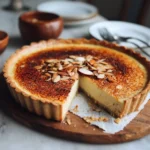
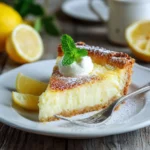
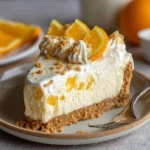
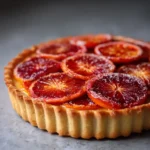
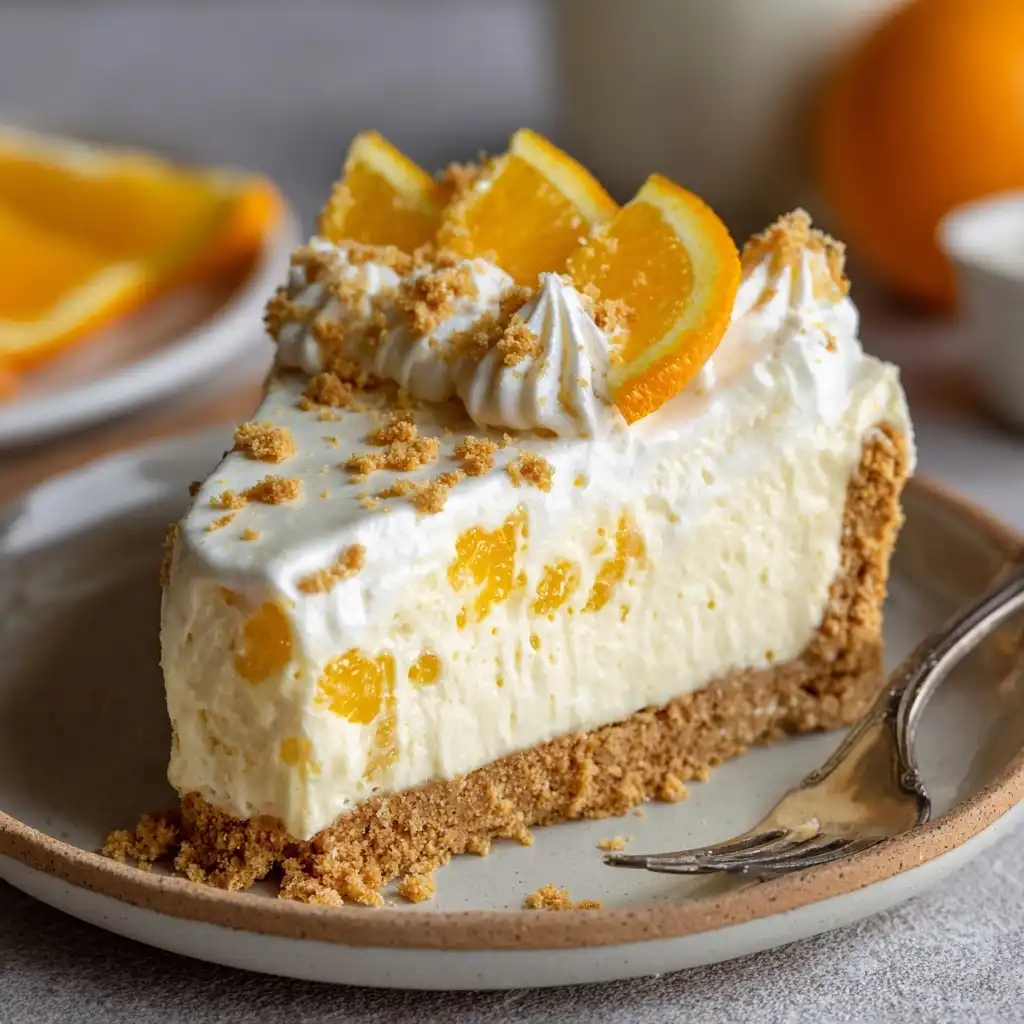
Orange Creamsicle Pie is the ultimate nostalgic dessert—a luscious, no-bake confection that captures the bright, zesty essence of summer sunshine and the creamy sweetness of childhood memories. Inspired by the iconic frozen treat, this pie delivers a perfect harmony of citrus tang and vanilla-rich smoothness in every bite. Whether served at backyard barbecues, holiday gatherings, or as a simple weeknight indulgence, it’s a crowd-pleasing showstopper that requires minimal effort but maximum flavor impact. Its velvety texture, vibrant orange hue, and refreshing finish make it more than just a dessert—it’s a sensory time machine back to carefree days licking melting popsicles under blue skies.
The History
The origins of the Orange Creamsicle Pie trace indirectly—but unmistakably—to the birth of the Creamsicle itself, a beloved American frozen novelty invented in 1923 by Oakland, California native Harry Burt. While Burt is best known for founding the Good Humor brand and pioneering the chocolate-dipped ice cream bar, the concept of combining orange and vanilla in frozen form predates even his innovations—early 20th-century soda fountains frequently served “orange creams” made with orange syrup, cream, and soda water. By the 1940s, regional dairies began producing layered orange-vanilla ice cream bars under names like “Dreamsicle,” “Fudgsicle,” and “Creamsicle,” cementing the flavor duo in the national palate.
As home baking evolved alongside refrigeration technology and the rise of convenient packaged ingredients in the mid-century, creative cooks began translating frozen treats into chilled desserts. The first documented recipes resembling modern Orange Creamsicle Pie appeared in community cookbooks from Florida and Southern California in the late 1950s—often using canned orange segments, instant pudding, and whipped topping due to ingredient accessibility and shelf stability. Over the decades, the recipe matured: gelatin-based versions offered stability; custard-based renditions elevated richness; and contemporary adaptations now emphasize fresh-squeezed juice, organic dairy, and artisanal graham cracker crusts. Today, Orange Creamsicle Pie stands as both a tribute to mid-century Americana and a versatile canvas for culinary innovation—bridging generations through taste, texture, and tradition.
Ingredients Breakdown
Understanding each component of Orange Creamsicle Pie is essential—not only for successful execution but also for intelligent customization and dietary adaptation. Below is an in-depth exploration of every ingredient, including its functional role, optimal selection criteria, and substitution rationale:
- Graham Cracker Crust (Base): Composed of finely crushed graham crackers, melted butter, and a touch of granulated sugar, this crust provides structure, subtle caramelized sweetness, and textural contrast. Whole-grain or honey graham crackers add depth; gluten-free alternatives work seamlessly when paired with certified GF crackers and plant-based butter.
- Unsweetened Orange Juice (Freshly Squeezed Preferred): The backbone of citrus flavor—provides acidity, brightness, and natural fruit sugars. Bottled juice often contains preservatives or added sweeteners that mute vibrancy and interfere with gelatin setting. Fresh juice ensures optimal pH balance and aromatic complexity. Blood orange or tangerine juice can be used for nuanced variations.
- Orange Zest (Finely Grated Peel): Contains volatile citrus oils responsible for much of the aroma and top-note intensity. Always use organic oranges when zesting to avoid pesticide residue. Microplane grating yields the finest, most evenly dispersed zest without bitter pith.
- Granulated Sugar: Balances tartness and enhances mouthfeel. Adjust based on orange variety—Valencia oranges may require less sugar than navel; blood oranges often need slightly more to counter earthy undertones.
- Unflavored Gelatin (or Agar-Agar for Vegan Version): Acts as the primary stabilizer, transforming the liquid filling into a sliceable, jiggly-yet-firm custard. Bloomed properly in cold liquid before heating, it creates a resilient yet delicate matrix that suspends air bubbles for creaminess. Agar-agar (a seaweed-derived gelling agent) requires boiling activation and yields a firmer, slightly more brittle set—ideal for warmer climates or extended serving times.
- Whole Milk (or Half-and-Half for Extra Richness): Provides body, fat content for smooth emulsification, and lactose for subtle sweetness. Skim milk can be used but results in a lighter, less luxurious texture; oat or coconut milk (full-fat, unsweetened) serve well in dairy-free versions when thickened appropriately.
- Vanilla Pudding Mix (Instant, Not Cook-and-Serve): Offers starch-based thickening, vanilla infusion, and sugar reinforcement. Using real vanilla bean paste or extract in addition boosts aromatic authenticity. For clean-label cooking, a homemade cornstarch-based pudding (with real vanilla beans, egg yolks, and whole milk) adds profound depth and silkiness.
- Cool Whip or Homemade Whipped Cream (Stabilized): Adds volume, airy lightness, and temperature contrast. Cool Whip offers convenience and consistent stability; however, freshly whipped heavy cream—stabilized with powdered sugar, a touch of cream cheese, or dissolved gelatin—is vastly superior in flavor and texture. Over-whipping must be avoided to prevent graininess or separation.
- Optional Enhancements: A splash of orange liqueur (Cointreau or Grand Marnier) deepens complexity without excessive alcohol; a pinch of sea salt amplifies all flavors; a drizzle of orange curd swirled into the filling adds luxurious tang and visual appeal.
Step-by-Step Recipe
Follow this meticulously tested, chef-developed method for flawless Orange Creamsicle Pie—designed for reliability, clarity, and repeatable results:
- Prepare the Crust: Preheat oven to 350°F (175°C). In a food processor, pulse 1 ½ cups graham cracker crumbs (about 12 full sheets), 6 tbsp unsalted butter (melted and cooled), and ¼ cup granulated sugar until uniformly moistened. Press firmly and evenly into a 9-inch deep-dish pie plate, covering the bottom and up the sides to a height of ¼ inch. Bake for 8–10 minutes until fragrant and lightly golden. Cool completely on a wire rack—do not skip cooling; residual heat will melt the filling.
- Bloom the Gelatin: In a small heatproof bowl, combine ¼ cup cold orange juice with 2 ¼ tsp (one standard packet) unflavored gelatin. Let sit undisturbed for 5 minutes until fully hydrated and spongy (“bloomed”). This critical step prevents lumps and ensures complete dissolution later.
- Heat the Juice Base: In a medium saucepan, combine remaining orange juice (¾ cup), orange zest (from 2 large oranges), ⅔ cup granulated sugar, and a pinch of salt. Warm over medium-low heat, stirring occasionally, until sugar dissolves completely and mixture reaches 160°F (71°C)—do not boil vigorously, as excessive heat degrades citrus volatiles. Remove from heat and whisk in bloomed gelatin until fully dissolved (about 30 seconds of vigorous whisking).
- Temper the Pudding: In a separate bowl, whisk together 1 (3.4 oz) box instant vanilla pudding mix and 2 cups cold whole milk until smooth and beginning to thicken (~2 minutes). Gradually whisk in the warm orange-gelatin mixture in a slow, steady stream—this tempering prevents clumping and cooks the starch just enough to activate thickening. Continue whisking for another 90 seconds until fully homogeneous and slightly glossy.
- Chill to Partial Set: Pour mixture into a shallow dish (like a 9×13 baking pan) and refrigerate for 45–60 minutes—just until it reaches a soft-set “applesauce” consistency (it should hold a trail when drizzled from a spoon but still be fluid enough to pour). Do not over-chill; fully set pudding cannot be folded with whipped cream.
- Whip the Cream: In a chilled bowl, whip 2 cups heavy cream, ¼ cup powdered sugar, and 1 tsp pure vanilla extract to medium-stiff peaks (about 2–3 minutes with a hand mixer). For enhanced stability (especially in humid environments), fold in 2 tbsp softened cream cheese or 1 tsp dissolved gelatin (bloomed in 1 tbsp cold milk) after whipping.
- Combine & Layer: Using a silicone spatula, gently fold one-third of the whipped cream into the partially set orange mixture to lighten it. Then, carefully fold in the remaining cream in two additions, using broad, sweeping motions from bottom to top—avoid overmixing, which deflates air and causes weeping. Transfer to the cooled crust and smooth the top with an offset spatula. Tap the pie plate sharply on the counter twice to release trapped air bubbles.
- Final Chill & Set: Refrigerate uncovered for at least 6 hours—or preferably overnight (12+ hours)—to allow complete structural development. The pie must reach 40°F (4°C) core temperature for clean slicing. For best texture, do not freeze unless absolutely necessary (e.g., make-ahead for events); if frozen, thaw overnight in the fridge—not at room temperature—to prevent condensation and separation.
- Garnish & Serve: Just before serving, top with additional orange zest, candied orange slices, toasted coconut flakes, or a delicate swirl of orange curd. Use a sharp knife dipped in hot water and wiped dry between cuts for pristine slices.
Tips
- Temperature Is Everything: All dairy components (milk, cream, even butter for crust) should be cold—except where specified (e.g., melted butter). Warm ingredients destabilize emulsions and cause premature setting or graininess.
- Zest Before Juicing: Always zest oranges before squeezing—once juiced, the rind becomes slippery and difficult to grate cleanly, and moisture dilutes zest oils.
- Acid Management: Citrus acidity can weaken gelatin bonds. If using exceptionally tart juice (e.g., from Seville oranges), reduce juice volume by 1–2 tbsp and supplement with orange extract or a neutral juice like apple to maintain volume without compromising set.
- Whipped Cream Stability Hack: For parties or outdoor service, stabilize whipped cream with 1 tsp of clear, unflavored Knox gelatin (bloomed in 1 tbsp cold water, then microwaved 5 seconds to dissolve) folded in after whipping. It resists melting for up to 4 hours at room temperature.
- Crust Reinforcement: For extra crispness and moisture barrier, brush the baked crust with a thin layer of melted white chocolate or apricot jam before chilling. This seals pores and prevents sogginess during prolonged refrigeration.
- Consistency Troubleshooting: If filling separates or appears watery, it was likely chilled too long before folding in cream—or the gelatin wasn’t fully dissolved. Rescue by gently re-warming the mixture to 110°F (43°C) while stirring, then re-chilling to applesauce stage before folding again.
- Serving Wisdom: Let pie sit at cool room temperature (65°F/18°C) for 10 minutes before slicing—too cold makes it brittle; too warm makes it slide off the fork. Serve on chilled plates to preserve integrity.
- Leftover Brilliance: Trimmed crust edges or excess whipped cream? Freeze in portioned cubes for smoothie boosts. Leftover orange mixture (pre-cream) makes exquisite popsicles or glazes for pound cake.
Variations and Customizations
Orange Creamsicle Pie is gloriously adaptable—its framework welcomes seasonal, cultural, dietary, and creative reinterpretations. Here are rigorously tested variations, each preserving the spirit while expanding possibility:
- Sparkling Citrus Swirl: Replace ¼ cup orange juice with chilled Prosecco or sparkling blood orange juice. Fold in just before combining with whipped cream for effervescent lift and elegant sophistication—ideal for celebrations.
- Tropical Creamsicle: Substitute ⅓ of orange juice with fresh passionfruit purée and add ¼ cup toasted macadamia nuts to the crust. Garnish with mango ribbons and lime zest.
- Spiced Creamsicle: Infuse the warm juice mixture with a 1-inch cinnamon stick, 3 whole cloves, and 1 star anise pod (removed before adding gelatin). Finish with a whisper of freshly grated nutmeg in the whipped cream.
- Chocolate-Orange Dream: Add 2 tbsp high-cacao (70%+) cocoa powder to the crust mixture. Swirl ¼ cup cooled, melted dark chocolate into the filling before pouring into crust for elegant marbling.
- Vegan & Gluten-Free Fusion: Use almond milk + 1 tbsp tapioca starch (simmered until thickened), agar-agar instead of gelatin (1 tsp dissolved in ¼ cup juice), coconut cream instead of dairy cream, and GF graham-style crackers + coconut oil crust. Sweeten with maple syrup for nuanced depth.
- Protein-Powered Creamsicle: Blend 1 scoop high-quality vanilla whey or plant-based protein powder into the warm pudding mixture before chilling. Increases satiety without sacrificing texture—best with unflavored or citrus-infused protein.
- Herbal Elegance: Steep 1 tbsp fresh rosemary or lavender buds in warm orange juice for 10 minutes (strain thoroughly). Pair with honey-sweetened crust and lemon verbena whipped cream.
- Mini Mason Jar Edition: Scale down all ingredients by ⅔ and layer in 4-ounce mason jars: crust crumble → orange filling → whipped cream → candied orange curl. Perfect for bridal showers, teacher gifts, or portion-controlled servings.
- Deconstructed Creamsicle Parfait: Alternate layers of crumbled crust, orange gelée cubes (set separately), vanilla panna cotta, and citrus-poached berries in tall glasses. Serve with a shortbread cookie “spoon.”
Health Considerations and Nutritional Value
While Orange Creamsicle Pie is inherently a dessert, mindful preparation transforms it into a thoughtfully balanced treat—one that honors indulgence without compromising wellness principles. Below is a comprehensive nutritional profile (per standard 12-slice recipe) and strategic guidance for health-conscious bakers:
| Nutrient | Per Slice (Approx.) | Notes & Optimization Tips |
|---|---|---|
| Calories | 320–380 kcal | Highly variable based on crust fat, cream type, and sweetener. Substituting Greek yogurt for ½ the whipped cream reduces by ~60 kcal/slice. |
| Total Fat | 14–18 g | Primarily unsaturated from orange juice and dairy. Using grass-fed butter and organic cream increases omega-3s and CLA content. Avocado oil in crust lowers saturated fat by 30%. |
| Saturated Fat | 8–10 g | Lower by replacing half the butter with mashed ripe banana or unsweetened applesauce in crust (adds fiber and natural binding). |
| Carbohydrates | 42–48 g | Mainly from sugars (natural and added). Reduce added sugar by 25%—citrus brightness compensates. Monk fruit or erythritol blends work well in crust and pudding. |
| Dietary Fiber | 0.8–1.2 g | Boost significantly with whole-grain graham crust (+3g/slice) or adding 1 tbsp ground flaxseed or psyllium husk to pudding base. |
| Protein | 4–6 g | Enhance with 1 scoop collagen peptides (unflavored) stirred into warm pudding, or cottage cheese blended into whipped cream. |
| Vitamin C | 65–85 mg (75–95% DV) | One slice meets daily needs—especially potent when using fresh, cold-pressed juice. Avoid boiling to preserve vitamin integrity. |
| Calcium | 120–160 mg (12–16% DV) | Fortified plant milks or adding 1 tsp calcium citrate to pudding base further supports bone health. |
| Sodium | 180–220 mg | Mostly from butter and pudding mix. Opt for low-sodium butter and omit added salt in recipe for sodium-sensitive diets. |
Dietary Accommodations: Naturally free of nuts and soy (when using traditional ingredients), this pie is easily adapted for keto (swap sugar for allulose, use almond flour crust, and increase cream cheese in filling), paleo (coconut milk, dates for sweetener, almond flour crust), or low-FODMAP (lactose-free milk, omit onion/garlic from any optional garnishes). Always verify labels on pudding mixes and whipped toppings for hidden additives like maltodextrin or artificial colors.
Ingredients
- 1 ½ cups graham cracker crumbs (about 12 full sheets)
- 6 tablespoons unsalted butter, melted and cooled
- ¼ cup granulated sugar (for crust)
- 1 cup freshly squeezed orange juice (from approx. 3–4 large navel or Valencia oranges)
- Zest of 2 large oranges (finely grated, no pith)
- ⅔ cup granulated sugar (for filling)
- 2 ¼ teaspoons unflavored gelatin (1 standard ¼-oz packet)
- ¼ cup cold orange juice (for blooming gelatin)
- Pinch of fine sea salt
- 2 cups cold whole milk (or full-fat coconut milk for dairy-free)
- 1 (3.4 oz) box instant vanilla pudding mix (or homemade equivalent: ⅓ cup cornstarch, ¾ cup sugar, 1 tsp salt, 2 cups milk, 2 egg yolks, 2 tsp vanilla)
- 2 cups heavy whipping cream, very cold
- ¼ cup powdered sugar
- 1 teaspoon pure vanilla extract
- Optional: 1 tablespoon orange liqueur (Cointreau), 1 teaspoon cream cheese (for stabilized whipped cream), additional orange zest or candied orange slices for garnish
Directions
- Preheat oven to 350°F (175°C). In a food processor, combine graham cracker crumbs, melted butter, and ¼ cup granulated sugar. Pulse until mixture resembles wet sand. Press firmly into a 9-inch deep-dish pie plate, covering bottom and sides evenly. Bake for 8–10 minutes until fragrant and golden. Cool completely on a wire rack.
- In a small bowl, combine ¼ cup cold orange juice and gelatin. Let bloom for 5 minutes.
- In a medium saucepan, combine remaining 1 cup orange juice, orange zest, ⅔ cup granulated sugar, and pinch of salt. Warm over medium-low heat, stirring until sugar dissolves and mixture reaches 160°F (71°C). Remove from heat and whisk in bloomed gelatin until fully dissolved (30 seconds).
- In a large bowl, whisk pudding mix and cold milk until thickened (~2 minutes). Gradually whisk in warm orange-gelatin mixture until smooth and glossy.
- Pour mixture into a shallow dish and refrigerate 45–60 minutes—until thickened to soft-set “applesauce” consistency.
- In a chilled bowl, whip heavy cream, powdered sugar, and vanilla to medium-stiff peaks (2–3 minutes).
- Fold ⅓ of whipped cream into orange mixture to lighten. Gently fold in remaining cream in two additions until uniform and airy—do not overmix.
- Pour into cooled crust. Smooth top and tap plate sharply twice. Refrigerate uncovered for at least 6 hours—or preferably overnight (12+ hours).
- Just before serving, garnish with extra orange zest, candied orange slices, or a delicate swirl of orange curd. Slice with hot, dry knife for clean presentation.
FAQ
- Can I make this pie ahead of time?
- Absolutely—Orange Creamsicle Pie is ideal for make-ahead preparations. Fully assembled pies keep beautifully for up to 5 days refrigerated. For longer storage, freeze unbaked (wrap tightly in plastic + foil) for up to 6 weeks; thaw overnight in the fridge before serving. Note: Whipped cream may soften slightly upon thawing—refresh with a light re-whip if needed.
- Why did my pie weep or release liquid?
- Weeping (syneresis) usually occurs due to incomplete gelatin dissolution, over-chilling before folding in cream, or using ultra-pasteurized milk (which contains denatured proteins that inhibit proper setting). Ensure gelatin is fully bloomed and dissolved, chill filling only to applesauce stage, and opt for pasteurized—not ultra-pasteurized—dairy.
- Can I use bottled orange juice?
- Technically yes—but flavor, aroma, and setting performance suffer significantly. Bottled juices often contain calcium chloride (a firming agent that interferes with gelatin), added sugars that dull acidity, and diminished volatile oils. For best results, always use freshly squeezed, strained juice. If unavoidable, choose 100% pure, not-from-concentrate, unsweetened varieties—and increase zest by 50% to compensate for lost aroma.
- Is there a way to make this without gelatin?
- Yes—agar-agar is the gold-standard vegan alternative (use 1 tsp powdered agar boiled in ¼ cup juice for 2 minutes, then cooled slightly before mixing in). Other options include chia seeds (2 tbsp soaked in ¼ cup juice for 15 min), silken tofu blended with lemon juice, or commercial pectin—but these yield different textures (firmer, denser, or more pudding-like) and may mute citrus brightness.
- My whipped cream deflated when I folded it in—what went wrong?
- Overmixing is the usual culprit. Fold gently using a silicone spatula in broad, slow strokes—cutting down through center, scraping along bottom, and lifting up and over. Also ensure your orange mixture isn’t too cold (should be applesauce-thick, not firm) and that cream is stiff—but not dry or grainy—before folding.
- Can I use a different crust?
- Entirely! Try a ginger snap crust for spicy warmth, shortbread for buttery elegance, chocolate wafer for decadence, or almond flour + coconut oil for grain-free richness. Adjust sugar in crust based on cookie sweetness—ginger snaps need no added sugar; chocolate wafers may need extra.
- How do I prevent a soggy crust?
- Cool the crust completely before filling. For extra insurance, brush baked crust with melted white chocolate or apricot jam and chill 10 minutes before adding filling. This creates an impermeable moisture barrier.
- What’s the best way to zest an orange without bitterness?
- Use a microplane or fine grater—never a box grater’s coarse side. Wash and dry the orange thoroughly. Hold firmly and rub gently in one direction, rotating frequently. Stop as soon as you see white pith appearing—bitter compounds reside there, not in the vibrant outer peel.
- Can kids help make this pie?
- Yes—this is a fantastic family-friendly recipe! Children can measure ingredients, zest oranges (with supervision), crush graham crackers in a zip-top bag with a rolling pin, stir pudding, and fold in whipped cream. No stovetop or oven work required beyond initial crust baking (adult-supervised).
- What beverages pair best with Orange Creamsicle Pie?
- For non-alcoholic: Sparkling water with lime, chilled hibiscus tea, or orange blossom water spritzers. For wine: Off-dry Riesling, Moscato d’Asti, or sparkling rosé. For cocktails: A blood orange margarita or French 75 variation complements the citrus-vanilla profile exquisitely.
Summary
Orange Creamsicle Pie is a masterclass in joyful simplicity—a no-bake, retro-inspired dessert that marries vibrant, sun-ripened orange flavor with luxuriously smooth vanilla creaminess, all anchored by a buttery graham cracker crust.
With its forgiving technique, endless customization potential, and ability to evoke pure nostalgia, it remains a timeless centerpiece for any occasion—effortless to prepare, unforgettable to serve, and universally adored across generations.