Introduction
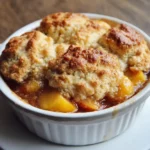
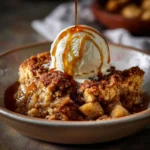
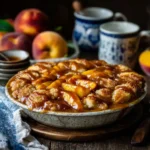
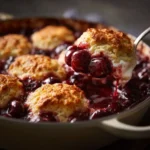
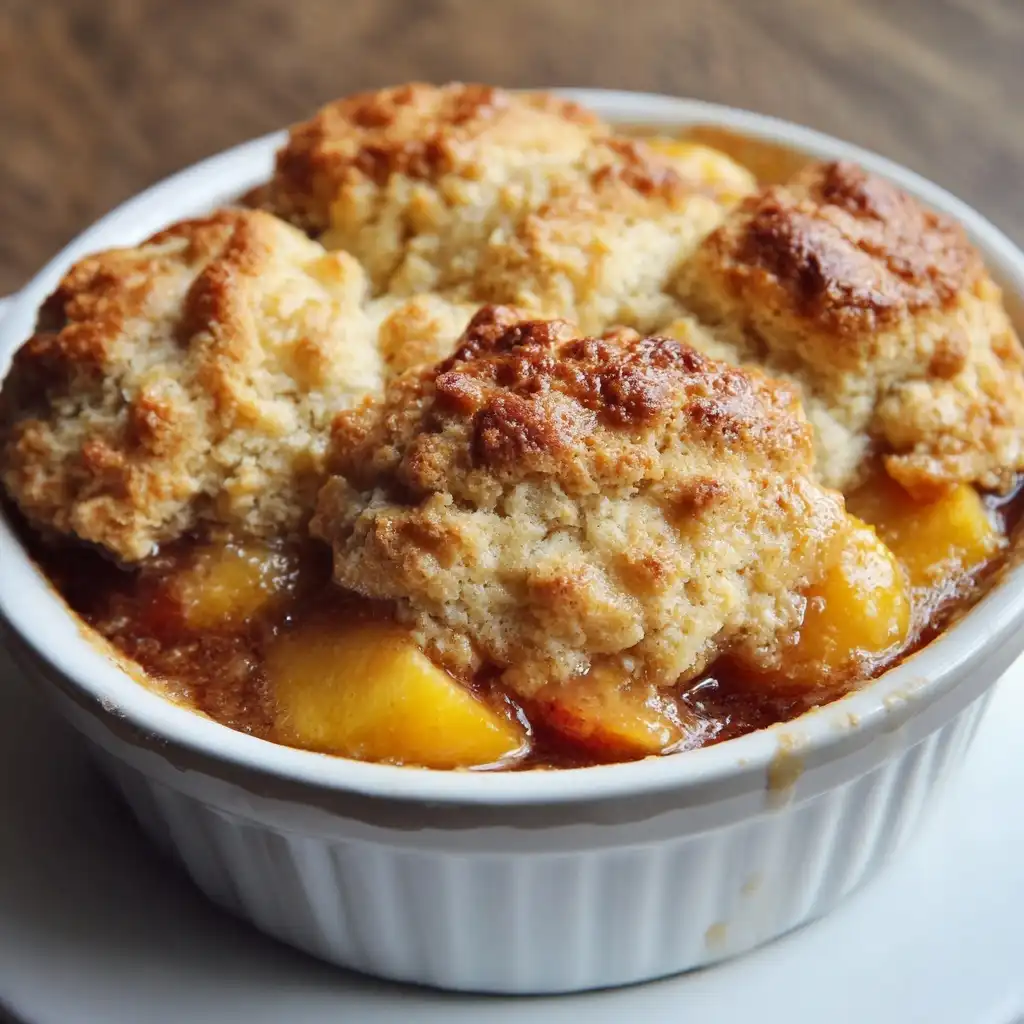
Peach Cobbler with Brown Sugar Biscuit Topping is a soul-warming, time-honored American dessert that marries the luscious sweetness of ripe summer peaches with the rich, caramelized depth of brown sugar and the tender, flaky comfort of homemade biscuit dough. Unlike traditional cobblers that rely on a dropped-batter or cake-like topping, this elevated version features a luxuriously textured biscuit layer—infused with buttery richness, a hint of cinnamon, and generously studded with golden brown sugar crystals that melt into molten pockets of toffee-like goodness as it bakes. It’s more than just dessert—it’s nostalgia in a cast-iron skillet: the scent of bubbling fruit filling the kitchen, the crisp-crackling crust yielding to a soft, steamy interior, and the irresistible contrast between juicy, spiced peaches and a tender, slightly chewy, deeply caramelized biscuit crown. Whether served warm with a scoop of vanilla bean ice cream, drizzled with bourbon-infused whipped cream, or enjoyed plain with a dusting of powdered sugar, this cobbler delivers pure, unadulterated comfort—rustic yet refined, simple yet sophisticated.
The History
The origins of peach cobbler stretch deep into early American culinary history, evolving from practical frontier cooking where resourcefulness dictated dessert-making. While “cobbler” as a term first appeared in English cookbooks in the 18th century—referring broadly to fruit desserts topped with dough—the American version took root in the colonial South and Midwest, where abundant orchards made peaches a staple ingredient by the mid-1800s. Early cobblers were often baked in Dutch ovens over open fires or in wood-burning stoves, with toppings varying regionally: some used pie crust, others employed dumpling-style dough, and still others relied on biscuit or even cornbread batter. The brown sugar biscuit variation, however, emerged later—likely in the early-to-mid 20th century—as brown sugar became more widely available and appreciated for its complex molasses notes. Home cooks began experimenting by swapping granulated sugar for brown in biscuit recipes, discovering that the added moisture and acidity helped yield a softer, more tender crumb—and that the sugars caramelized spectacularly under high heat, forming a shatteringly crisp, amber-glazed surface. This innovation transformed the humble cobbler into a textural masterpiece, bridging the gap between classic Southern tradition and modern baking sensibility. Today, the brown sugar biscuit-topped peach cobbler stands as a beloved hallmark of farm-to-table dessert culture, frequently featured at church suppers, county fairs, and family reunions across the Southeast and beyond.
Ingredients Breakdown
Every exceptional peach cobbler begins not with technique—but with intention behind each ingredient. Below is a meticulous, chef-level breakdown of why each component matters:
- Fresh, Ripe Peaches (6–7 medium, ~2½ lbs peeled & sliced): Opt for freestone varieties like Elberta, Red Haven, or O’Henry—they’re easier to pit and hold their shape better during baking. Peak-season peaches offer optimal sugar-acid balance; underripe fruit lacks sweetness and aroma, while overripe fruit turns mushy. If fresh aren’t available, high-quality frozen unsweetened peaches (thawed and well-drained) are an excellent alternative—never use canned peaches in syrup, as excess liquid dilutes flavor and prevents proper thickening.
- Granulated Sugar (¾ cup): Provides baseline sweetness and aids in syrup formation. Adjust downward if your peaches are exceptionally sweet—or upward if using tart, early-season fruit.
- Brown Sugar (1 cup light or dark, packed): The star of the topping—and a critical contributor to the filling’s depth. Light brown sugar offers delicate molasses nuance; dark brown imparts deeper, almost rum-like richness and increased moisture retention. Its natural acidity also helps activate baking powder in the biscuits and encourages Maillard browning.
- Lemon Juice (2 tbsp) & Zest (1 tsp): Brightens the entire dessert, cutting through sweetness and enhancing peach flavor without tasting “lemony.” Zest adds aromatic citrus oils that survive baking far better than juice alone.
- Cornstarch (¼ cup): A reliable, neutral-thickening agent that creates a glossy, clingy syrup—not gluey or cloudy like flour can become. Always whisk cornstarch with cold water or juice before adding to hot fruit to prevent lumps.
- Ground Cinnamon (1½ tsp), Nutmeg (¼ tsp), and Allspice (⅛ tsp): A warmly balanced spice trio—cinnamon anchors, nutmeg adds floral warmth, and allspice lends subtle clove-and-pepper complexity. Toast whole spices and grind fresh for unparalleled aroma.
- Unsalted Butter (1½ cups / 3 sticks, cold & cubed): Essential for flakiness and richness in the biscuit topping. Cold butter creates steam pockets as it melts, resulting in layers—not density. European-style butter (82–84% fat) yields even more tenderness and flavor.
- All-Purpose Flour (2¼ cups): Use a high-protein (11–12%) brand like King Arthur for structure—or blend 1 cup AP + 1¼ cups pastry flour for ultra-tender biscuits. Sift before measuring for accuracy.
- Baking Powder (2 tsp) & Baking Soda (¼ tsp): Double-acting leaveners ensure lift and airiness. The soda reacts with brown sugar’s acidity for extra rise and browning; freshness is non-negotiable—test baking powder by mixing ½ tsp with hot water—if it doesn’t fizz vigorously, replace it.
- Salt (1 tsp fine sea salt): Not just for seasoning—salt enhances sweetness perception, strengthens gluten just enough for cohesion, and balances the molasses bitterness in brown sugar.
- Heavy Cream (1 cup, very cold): Adds tenderness, moisture, and luxurious mouthfeel. Half-and-half or whole milk will work in a pinch but yield drier, less rich biscuits. For vegan adaptation, use full-fat canned coconut milk (chilled overnight, solid portion only).
- Coarse Turbinado Sugar (2–3 tbsp): Sprinkled atop before baking, it forms crunchy, jewel-like crystals that resist melting and provide textural contrast against the tender biscuit and juicy filling.
Step-by-Step Recipe
- Prep the Fruit Filling (30 minutes ahead): In a large bowl, gently combine sliced peaches, granulated sugar, lemon juice and zest, cornstarch slurry (¼ cup cornstarch + 3 tbsp cold water, whisked smooth), cinnamon, nutmeg, allspice, and a pinch of salt. Fold until evenly coated—avoid crushing the fruit. Let macerate at room temperature for 30 minutes. During this time, juices will release and thicken slightly; stir once halfway through. Transfer to a lightly buttered 9×13-inch baking dish or deep 12-inch cast-iron skillet. Preheat oven to 375°F (190°C).
- Make the Brown Sugar Biscuit Dough: In a chilled food processor (or large bowl with pastry cutter), pulse or cut together flour, brown sugar, baking powder, baking soda, and salt until combined. Add cold, cubed butter. Pulse in 1-second bursts (or cut in by hand) until mixture resembles coarse crumbs with some pea-sized butter pieces remaining—this ensures flakiness. Transfer to a large bowl. Stir in cold heavy cream with a fork just until a shaggy dough forms—do not overmix. Dough should hold together when pinched but remain slightly sticky. If too dry, add 1 tsp cream; if too wet, sprinkle in 1 tsp flour.
- Portion & Place the Biscuits: Turn dough onto a lightly floured surface. Gently pat into a ¾-inch-thick rectangle. Using a 2½-inch round biscuit cutter (dip in flour between cuts), cut out 12–14 biscuits. Re-roll scraps once—avoid over-handling. Arrange biscuits snugly but not overlapping over the peach filling, slightly pressing edges to seal gaps. Brush tops lightly with additional heavy cream for sheen.
- Finish & Bake: Generously sprinkle turbinado sugar over all biscuits. Place baking dish on a parchment-lined baking sheet (to catch potential bubbling overflow). Bake on center rack for 55–65 minutes—until filling is bubbling vigorously around edges, biscuits are deeply golden brown with caramelized, crackled tops, and a toothpick inserted into center biscuit comes out clean (no wet dough). Rotate pan halfway through for even browning.
- Cool & Set (Critical Step): Remove from oven and let rest undisturbed for *at least 30 minutes*. This allows the syrup to fully thicken, prevents scalding bites, and lets biscuits absorb ambient steam for optimal tenderness. Resist cutting in early—the structure needs time to stabilize.
- Serve: Scoop generous portions into bowls. Best enjoyed warm—ideally within 3 hours of baking. Serve with vanilla ice cream, crème fraîche, or a drizzle of reduced peach balsamic glaze.
Tips
- Peel Peaches Effortlessly: Score an “X” on the bottom of each peach. Blanch in boiling water for 30–45 seconds, then plunge into ice water. Skins will slip off smoothly—no knife needed.
- Prevent Soggy Bottoms: After macerating, drain excess liquid from peaches (reserve ¼ cup for slurry) if fruit seems overly juicy—especially important with canned or frozen alternatives.
- Biscuit Texture Secret: For extra-flaky layers, fold dough over itself 2–3 times like laminated pastry before cutting—chill 10 minutes between folds.
- Oven Accuracy Matters: Use an independent oven thermometer. Many home ovens run 25°F hot or cold—underbaking yields gummy biscuits; overheating burns the sugar crust.
- Cast-Iron Advantage: A seasoned 12-inch skillet distributes heat evenly and promotes superior crust development. Preheat it empty in the oven for 5 minutes before adding filling—this jumpstarts caramelization.
- Freeze for Later: Assemble unbaked cobbler (filling + raw biscuits), cover tightly, and freeze up to 3 months. Bake from frozen—add 15–20 minutes to bake time and tent loosely with foil if topping browns too quickly.
- Revive Leftovers: Reheat individual servings in a toaster oven at 325°F for 10–12 minutes—microwaving makes biscuits rubbery. A quick broil for 1–2 minutes restores crispness.
- Test Doneness Correctly: Don’t rely solely on color. Insert an instant-read thermometer into center biscuit—it should read 205–210°F for perfect doneness and starch gelatinization.
Variations and Customizations
This cobbler is a canvas—elegant in its simplicity, yet endlessly adaptable. Here are inspired, chef-tested variations—each preserving structural integrity and flavor harmony:
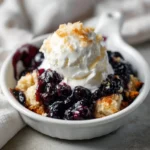
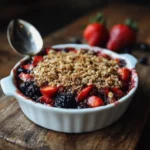
- Peach-Blackberry Fusion: Replace 1½ cups of peaches with ripe blackberries. Their tannic brightness cuts richness and adds jewel-toned contrast. Reduce granulated sugar to ½ cup to balance berry acidity.
- Bourbon-Infused: Add 2 tbsp good-quality bourbon to the fruit filling along with lemon juice. For the biscuits, substitute 2 tbsp heavy cream with bourbon—and add ¼ tsp orange extract for aromatic lift.
- Oatmeal-Brown Sugar Biscuits: Replace ½ cup flour with old-fashioned rolled oats (pulse briefly to coarse meal). Adds nutty depth, chewy texture, and fiber. Soak oats in cream for 5 minutes before mixing.
- Maple-Glazed Version: Swap brown sugar in biscuits for an equal volume of pure maple sugar (not syrup). Drizzle warm cobbler with 2 tbsp warmed maple syrup infused with a pinch of flaky sea salt.
- Spiced Chai Peach: Infuse filling with 1 chai tea bag steeped in ¼ cup hot water (cool before adding), and add ¼ tsp ground cardamom + ⅛ tsp ground ginger to spice blend.
- Vegan Adaptation: Use cold coconut oil (solid) instead of butter, flax “egg” (1 tbsp ground flax + 3 tbsp water) + extra 1 tbsp plant milk in biscuits, and agar-agar (1 tsp dissolved in 2 tbsp water) instead of cornstarch. Top with coconut sugar.
- Gluten-Free Option: Substitute 1:1 gluten-free flour blend (with xanthan gum) + 2 tbsp almond flour for tenderness. Increase baking powder to 2¼ tsp for lift. Chill dough 15 minutes before cutting.
- Mini Individual Cobblers: Portion filling and biscuits into buttered 6-oz ramekins. Bake at 375°F for 35–42 minutes. Perfect for portion control and elegant presentation.
- Savory-Sweet Herb Twist: Stir 1 tsp finely minced fresh thyme or lavender buds into biscuit dough—pairs magically with peach’s floral notes. Reduce cinnamon slightly to avoid clash.
Health Considerations and Nutritional Value
A single generous serving (⅙ of recipe, approx. 1 cup filling + 2 biscuits) contains approximately 420–460 calories, with nuanced nutritional trade-offs worth understanding:
- Carbohydrates (62–68g): Primarily from natural fruit sugars and complex carbs in flour/biscuits. Peaches contribute ~15g natural sugar per serving plus 2g dietary fiber—supporting satiety and gut health. Brown sugar adds ~22g added sugar; consider reducing to ¾ cup total (filling + topping) for a modest 3–4g sugar reduction without sacrificing structure.
- Fat (18–22g): Mostly unsaturated fats from butter (rich in vitamins A, D, E, and K2) and beneficial short-chain fatty acids. While higher in saturated fat, recent research suggests moderate dairy fat intake isn’t linked to cardiovascular risk when part of a balanced diet. Substituting half the butter with cold olive oil yields ~25% less saturated fat and adds polyphenols—but may mute traditional flavor.
- Protein (5–7g): Modest but valuable—mainly from flour and dairy. Boost protein by stirring 1 scoop unflavored collagen peptides into cornstarch slurry (heat-stable) or serving with Greek yogurt instead of ice cream (+10g protein/serving).
- Vitamins & Antioxidants: Peaches deliver vitamin C (15% DV), potassium (8% DV), and beta-carotene (12% DV)—all enhanced by fat in biscuits for better absorption. Cinnamon offers anti-inflammatory cinnamaldehyde; nutmeg contains myristicin with neuroprotective potential.
- Dietary Accommodations: Naturally egg-free and nut-free (unless customized). Low-FODMAP compliant if using lactose-free cream and limiting to ½ cup peaches per serving. Diabetic-friendly when paired with protein/fat (e.g., nuts or cheese) and portion-controlled—glycemic load is moderate (~24) due to fiber and acid from lemon.
- Mindful Enjoyment Tips: Serve smaller portions (⅛ recipe) with ½ cup unsweetened whipped cream instead of ice cream. Use whole wheat pastry flour for 2g extra fiber/serving. Skip turbinado sugar topping to save 6g added sugar. Pair with a leafy green salad dressed in apple cider vinaigrette to balance the meal.
Ingredients
- 6–7 medium ripe freestone peaches (about 2½ lbs), peeled, pitted, and sliced ½-inch thick
- ¾ cup granulated sugar
- 1 cup light or dark brown sugar, firmly packed
- 2 tablespoons fresh lemon juice
- 1 teaspoon lemon zest
- ¼ cup cornstarch
- 3 tablespoons cold water
- 1½ teaspoons ground cinnamon
- ¼ teaspoon freshly grated nutmeg
- ⅛ teaspoon ground allspice
- 1 teaspoon fine sea salt
- 1½ cups (3 sticks) unsalted butter, cold and cubed
- 2¼ cups all-purpose flour, spooned and leveled
- 2 teaspoons aluminum-free baking powder
- ¼ teaspoon baking soda
- 1 cup very cold heavy cream, plus extra for brushing
- 2–3 tablespoons coarse turbinado sugar, for sprinkling
Directions
- Preheat oven to 375°F (190°C). Lightly butter a 9×13-inch baking dish or 12-inch cast-iron skillet.
- In a large bowl, combine peach slices, granulated sugar, lemon juice, lemon zest, cornstarch slurry (cornstarch + cold water, whisked until smooth), cinnamon, nutmeg, allspice, and ¼ teaspoon of the salt. Gently fold until evenly coated. Let sit at room temperature for 30 minutes to macerate.
- While fruit rests, make biscuit dough: In a food processor or large bowl, whisk together flour, brown sugar, baking powder, baking soda, and remaining ¾ teaspoon salt. Add cold cubed butter. Pulse (or cut in with pastry cutter) until mixture resembles coarse crumbs with visible pea-sized butter pieces.
- Add cold heavy cream. Pulse or stir with a fork just until dough begins to clump together—about 10–12 pulses or 20–30 seconds. Do not overmix; dough should be shaggy and slightly sticky.
- Turn dough onto a lightly floured surface. Gently pat into a ¾-inch-thick rectangle. Using a 2½-inch round biscuit cutter dipped in flour, cut out 12–14 biscuits. Gather scraps, gently re-roll once, and cut remaining biscuits.
- Transfer macerated peaches (including all juices) to prepared baking dish. Arrange biscuits snugly over top, slightly overlapping edges. Brush biscuit tops lightly with additional heavy cream.
- Sprinkle generously with turbinado sugar. Place dish on a parchment-lined baking sheet.
- Bake for 55–65 minutes, rotating halfway through, until filling bubbles thickly around edges and biscuits are deep golden brown with crackled, caramelized tops. A toothpick inserted into center biscuit should emerge clean.
- Remove from oven and let cool on wire rack for *at least 30 minutes* before serving. This allows filling to set and biscuits to soften perfectly.
- Serve warm, ideally with vanilla ice cream, crème fraîche, or a drizzle of honey-thyme syrup.
FAQ
- Can I use canned peaches?
- Yes—but only if they’re unsweetened and packed in water or 100% fruit juice (not syrup). Drain thoroughly and reduce granulated sugar in filling to ¼ cup. Expect slightly softer texture.
- Why did my biscuit topping sink or become gummy?
- Most commonly caused by underbaking, overmixing dough, or adding warm cream. Ensure butter and cream stay cold, bake until internal temp reaches 205°F+, and avoid stirring dough after cream is added.
- Can I prepare this cobbler ahead of time?
- Absolutely. Assemble completely (unbaked), cover tightly, and refrigerate up to 18 hours. Let sit at room temperature 20 minutes before baking—add 5–8 minutes to bake time. For longer storage, freeze unbaked (up to 3 months); bake from frozen +15–20 minutes.
- My filling is too runny after baking—what went wrong?
- Cornstarch needs sustained heat to fully activate. Ensure filling bubbles vigorously for at least 5 minutes before removing from oven. Also verify cornstarch wasn’t expired and was fully dissolved before adding.
- Is there a lower-sugar option that still delivers flavor?
- Reduce granulated sugar to ½ cup and brown sugar to ¾ cup. Compensate with 1 tsp pure vanilla extract + 1 tbsp apple butter in filling. The fruit’s natural sweetness shines when acidity (lemon) and spice are amplified.
- Can I make this dairy-free?
- Yes. Replace butter with cold refined coconut oil (for neutral taste) or vegan butter. Use full-fat canned coconut milk (chilled, solid portion only) instead of heavy cream. Thicken filling with arrowroot (same amount as cornstarch) for clarity.
- What’s the best way to reheat leftovers?
- Individual portions: 325°F toaster oven for 10–12 minutes, uncovered. Whole cobbler: Cover loosely with foil, bake at 325°F for 20–25 minutes. Never microwave biscuits—they turn tough and rubbery.
- Can I double this recipe?
- Yes—but bake in two separate pans. Doubling in one pan causes uneven baking, soggy centers, and under-caramelized topping. You’ll need two 9×13 dishes or two 12-inch skillets.
- Why does my brown sugar biscuit taste bitter?
- Over-browning or using burnt brown sugar. Store brown sugar in an airtight container with a terra cotta brown sugar saver to prevent drying and crystallization—which can burn easily. Also confirm baking soda is fresh (not expired).
- Can I add nuts to the topping?
- Absolutely—fold ½ cup chopped toasted pecans or walnuts into biscuit dough before cutting. They add crunch, richness, and healthy fats. Avoid raw nuts—they won’t toast sufficiently in the short bake time.
Summary
Peach Cobbler with Brown Sugar Biscuit Topping is a masterclass in rustic elegance—where vibrant, spiced peach filling bubbles beneath a tender, golden-brown biscuit crown caramelized to perfection with molasses-rich brown sugar and sparkling turbinado crystals. It’s a dessert rooted in heritage yet endlessly adaptable, delivering soul-satisfying warmth, layered textures, and nuanced sweetness that lingers long after the last bite.
Whether you honor tradition with heirloom peaches and slow-churned butter or reimagine it with bourbon, oats, or plant-based swaps, this cobbler remains a timeless celebration of seasonal abundance, thoughtful technique, and the profound comfort found in shared, handmade sweetness.