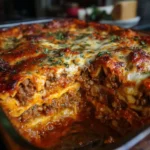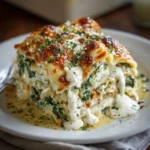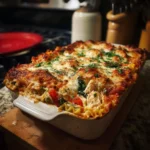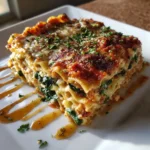
Pesto Chicken Pasta: A Flavorful, Creamy Delight
Introduction
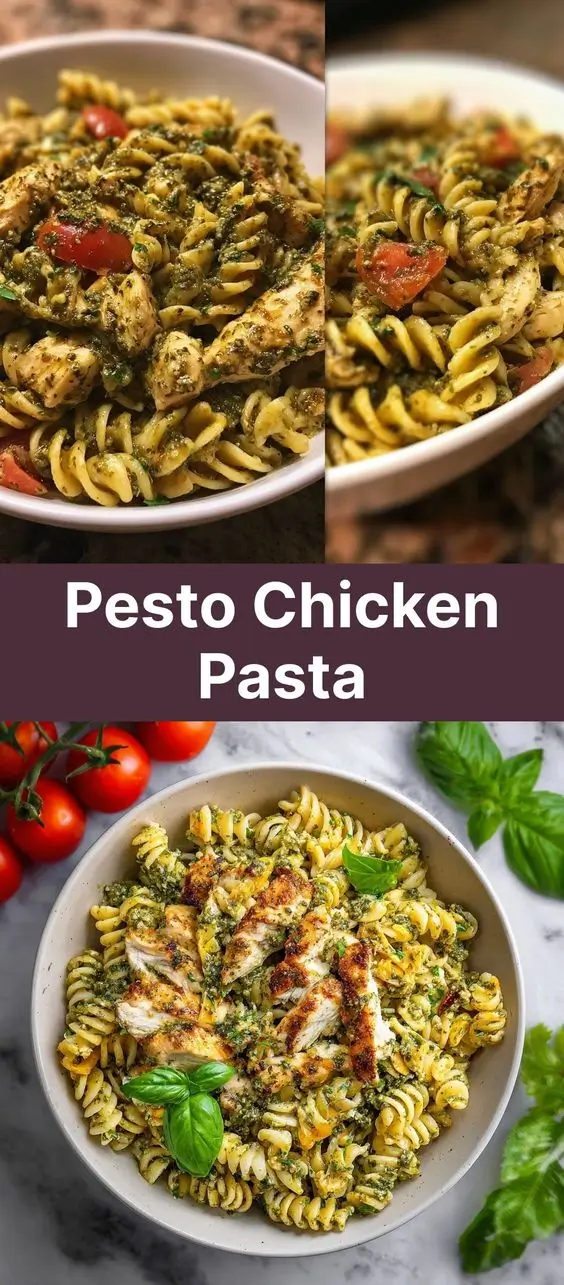
Pesto chicken pasta is a modern culinary masterpiece that brings together the rich, herby essence of pesto with tender, juicy chicken and perfectly cooked pasta. Loved by food enthusiasts around the globe, this dish strikes an exquisite balance between freshness and indulgence. Whether you’re preparing a weeknight dinner or hosting a casual get-together, pesto chicken pasta offers a quick yet elegant solution that never fails to impress. Its vibrant green color, aromatic fragrance, and creamy texture make it not only delicious but also visually appealing on any dining table.
The History
The origins of pesto chicken pasta are rooted in Italian cuisine, though the dish itself is a relatively recent fusion creation. Traditional pesto sauce—known as “pesto alla genovese”—originated in Genoa, Italy, during the late 19th century. The word “pesto” comes from the Italian verb pestare, meaning “to crush,” which refers to how the original sauce was made using a mortar and pestle. Classic Genovese pesto combines fresh basil, pine nuts, garlic, Parmesan cheese, and extra virgin olive oil.
Chicken, while not part of the original pesto recipe, began appearing in variations during the mid-20th century as home cooks experimented with protein additions. As Italian-American cuisine evolved, chefs and families alike started incorporating grilled or sautéed chicken into pasta dishes for added heartiness. Pesto chicken pasta emerged as a popular restaurant staple in the 1980s and 1990s, particularly in North America, where fusion cooking gained momentum. Today, it’s celebrated worldwide as a versatile, satisfying meal that honors its Italian roots while embracing global tastes.
Ingredients Breakdown
To create an authentic and flavorful pesto chicken pasta, selecting high-quality ingredients is essential. Each component contributes uniquely to the taste, texture, and aroma of the final dish:
- Pasta: Traditionally, linguine or fettuccine is used due to their ability to hold sauces well, but penne, farfalle, or even spaghetti work beautifully too. Whole wheat or gluten-free options can be substituted based on dietary needs.
- Chicken Breast: Boneless, skinless chicken breasts are preferred for their lean texture and mild flavor, which absorbs the pesto sauce wonderfully. You may also use chicken thighs for a juicier alternative.
- Fresh Basil: The star of the pesto, fresh basil provides a bright, slightly peppery flavor. Avoid dried basil, as it lacks the vibrancy needed for true pesto.
- Pine Nuts: These add a buttery richness and subtle crunch. Toasting them lightly enhances their nutty flavor. Alternatives like walnuts, almonds, or cashews can be used for cost or allergy reasons.
- Garlic: Fresh garlic gives pesto its signature pungency. Adjust the quantity depending on your preference—some enjoy a bold garlic kick, while others prefer a milder touch.
- Extra Virgin Olive Oil: High-quality oil is crucial—it carries the flavors and creates a silky mouthfeel. Cold-pressed, unfiltered varieties offer the best aroma and taste.
- Parmesan Cheese: Aged Parmigiano-Reggiano adds umami depth and saltiness. Grate it fresh for optimal texture and flavor.
- Salt & Pepper: Essential for seasoning both the chicken and the sauce.
- Lemon Juice (optional): A splash brightens the dish and balances the richness of the cheese and oil.
- Heavy Cream or Milk (optional): For a creamier version, many recipes include a splash of cream or milk to transform the pesto into a luscious sauce.
Step-by-Step Recipe
Ingredients
- 12 oz (340g) pasta (linguine, penne, or fettuccine)
- 2 boneless, skinless chicken breasts (about 1 lb / 450g)
- Salt and freshly ground black pepper, to taste
- 2 tbsp olive oil (for cooking chicken)
- 2 cups fresh basil leaves, packed
- 1/3 cup pine nuts (toasted)
- 3 cloves garlic, peeled
- 1/2 cup freshly grated Parmesan cheese
- 1/2 cup extra virgin olive oil
- 1 tbsp lemon juice (optional)
- 1/4 cup heavy cream or whole milk (optional, for creaminess)
- 1/4 tsp red pepper flakes (optional, for heat)
Directions
- Cook the Pasta: Bring a large pot of salted water to a boil. Add pasta and cook according to package instructions until al dente. Reserve 1/2 cup of pasta water before draining. Set aside.
- Prepare the Chicken: Season chicken breasts on both sides with salt and pepper. Heat olive oil in a large skillet over medium-high heat. Add chicken and cook for 5–6 minutes per side, or until golden brown and internal temperature reaches 165°F (74°C). Transfer to a cutting board and let rest for 5 minutes, then slice into thin strips or bite-sized pieces.
- Make the Pesto Sauce: In a food processor or blender, combine basil, pine nuts, and garlic. Pulse until finely chopped. Add Parmesan cheese and pulse again. With the machine running, slowly drizzle in olive oil until smooth. Add lemon juice and red pepper flakes (if using). Taste and adjust seasoning. If making a creamy version, blend in heavy cream or milk at this stage.
- Combine Everything: In the same skillet (or a large mixing bowl), add the drained pasta. Pour the prepared pesto sauce over the pasta and toss to coat evenly. Add reserved pasta water gradually (2–3 tablespoons at a time) to loosen the sauce if needed. Gently fold in the sliced chicken.
- Serve Immediately: Divide among plates or bowls. Garnish with extra Parmesan, a sprinkle of pine nuts, fresh basil leaves, and a crack of black pepper. Serve warm.
Tips
- Toast Pine Nuts Properly: Toast pine nuts in a dry skillet over medium heat for 3–5 minutes, stirring frequently, until golden and fragrant. Watch closely—they burn easily.
- Don’t Overcook Chicken: To keep chicken moist, avoid overcooking. Use a meat thermometer to ensure it hits exactly 165°F (74°C).
- Reserve Pasta Water: The starchy water helps emulsify the sauce and makes it cling better to the pasta.
- Use Fresh Ingredients: Fresh basil, real Parmesan, and good olive oil make all the difference. Pre-grated cheese often contains anti-caking agents that affect texture.
- Prevent Browning of Pesto: If making pesto ahead, press plastic wrap directly onto the surface to limit oxidation. A thin layer of olive oil on top also helps preserve color.
- Double the Pesto: Make extra pesto and store it in the fridge (up to 1 week) or freeze in ice cube trays (up to 6 months) for future meals.
- Add Veggies: Boost nutrition by adding sun-dried tomatoes, spinach, roasted red peppers, or cherry tomatoes.
Variations and Customizations
Pesto chicken pasta is highly adaptable. Here are some creative twists to suit different palates and diets:
- Vegan Pesto Chicken Pasta: Replace chicken with grilled tofu or chickpeas. Use nutritional yeast instead of Parmesan and omit dairy cream.
- Gluten-Free Version: Use gluten-free pasta made from rice, corn, or quinoa. Ensure all other ingredients are certified gluten-free.
- Dairy-Free Pesto: Skip Parmesan or use a plant-based alternative. Add a bit more nuts or avocado for creaminess.
- Spicy Kick: Add more red pepper flakes, a diced jalapeño, or a dash of hot sauce to the pesto.
- Seafood Twist: Substitute chicken with seared shrimp or scallops for a luxurious seafood pesto pasta.
- Nut-Free Pesto: Replace pine nuts with sunflower seeds or pumpkin seeds—great for schools or allergies.
- Roasted Vegetable Pesto Pasta: Toss in roasted zucchini, eggplant, bell peppers, or asparagus for a hearty vegetarian version.
- Tomato-Basil Fusion: Stir in halved cherry tomatoes or sun-dried tomatoes for a burst of sweetness.
- Creamy Avocado Pesto: Blend ripe avocado into the pesto for a richer, greener sauce with healthy fats.
- Prosciutto or Bacon Addition: Crispy bacon or salty prosciutto adds a smoky, savory contrast to the herbal pesto.
Health Considerations and Nutritional Value
Pesto chicken pasta can be a balanced meal when prepared thoughtfully. Here’s a breakdown of its nutritional profile (approximate per serving, based on 4 servings):
| Nutrient | Amount per Serving |
|---|---|
| Calories | 580–650 kcal |
| Protein | 35–40g |
| Total Fat | 28–35g (mostly healthy fats from olive oil and nuts) |
| Saturated Fat | 6–8g |
| Carbohydrates | 45–50g |
| Dietary Fiber | 3–5g |
| Sugar | 2–3g |
| Sodium | 400–600mg (varies with cheese and seasoning) |
Health Benefits:
- High-Quality Protein: Chicken breast supports muscle repair and satiety.
- Heart-Healthy Fats: Olive oil and pine nuts contain monounsaturated fats and antioxidants linked to reduced inflammation and improved cardiovascular health.
- Vitamins & Minerals: Basil is rich in vitamin K, A, and C; garlic has immune-boosting properties; Parmesan provides calcium and phosphorus.
- Low in Sugar: Naturally low in added sugars, especially when made from scratch.
Considerations:
- Calorie Density: Pesto is high in fat and calories due to olive oil and nuts. Use portion control if managing weight.
- Sodium Content: Store-bought pesto can be very high in salt. Making it at home allows you to regulate sodium levels.
- Allergens: Contains tree nuts (pine nuts), dairy (Parmesan), and gluten (in regular pasta). Be mindful for sensitive individuals.
- Balancing the Meal: Serve with a side salad or steamed vegetables to increase fiber and micronutrient intake.
FAQ
Q: Can I use store-bought pesto?
A: Absolutely! While homemade pesto tastes fresher and lets you control ingredients, a high-quality store-bought version works well for convenience.
Q: How do I store leftovers?
A: Keep in an airtight container in the refrigerator for up to 3 days. Reheat gently on the stove with a splash of water or oil to restore moisture. Avoid microwaving at high power to prevent rubbery chicken.
Q: Can I freeze pesto chicken pasta?
A: It’s best to freeze just the pesto or cooked chicken separately. Pasta tends to become mushy when frozen and reheated. Freeze pesto in ice cube trays for easy single servings.
Q: Why is my pesto turning brown?
A: Exposure to air causes oxidation. To prevent this, store pesto with a thin layer of olive oil on top and minimize air contact. Lemon juice also helps preserve color.
Q: What can I substitute for pine nuts?
A: Walnuts, almonds, cashews, pecans, or sunflower seeds work well. Each imparts a slightly different flavor but still delivers creaminess.
Q: Is pesto chicken pasta suitable for kids?
A: Yes! Many children enjoy the mild, cheesy, nutty flavor. You can reduce garlic and skip chili flakes for a milder version. Try fun pasta shapes like farfalle or rotini to appeal to younger eaters.
Q: Can I make this ahead of time?
A: Yes—cook components separately and assemble just before serving. Cook pasta al dente, chill under cold water, toss with a little oil, and reheat briefly before combining with pesto and chicken.
Summary
Pesto chicken pasta is a harmonious blend of fresh herbs, savory chicken, and al dente pasta, elevated by a creamy, aromatic pesto sauce. Quick to prepare yet elegant enough for guests, it’s a timeless dish that celebrates simplicity and bold flavors.