Pesto Crusted Salmon: A Flavorful Fusion of Fresh Herbs and Tender Fish
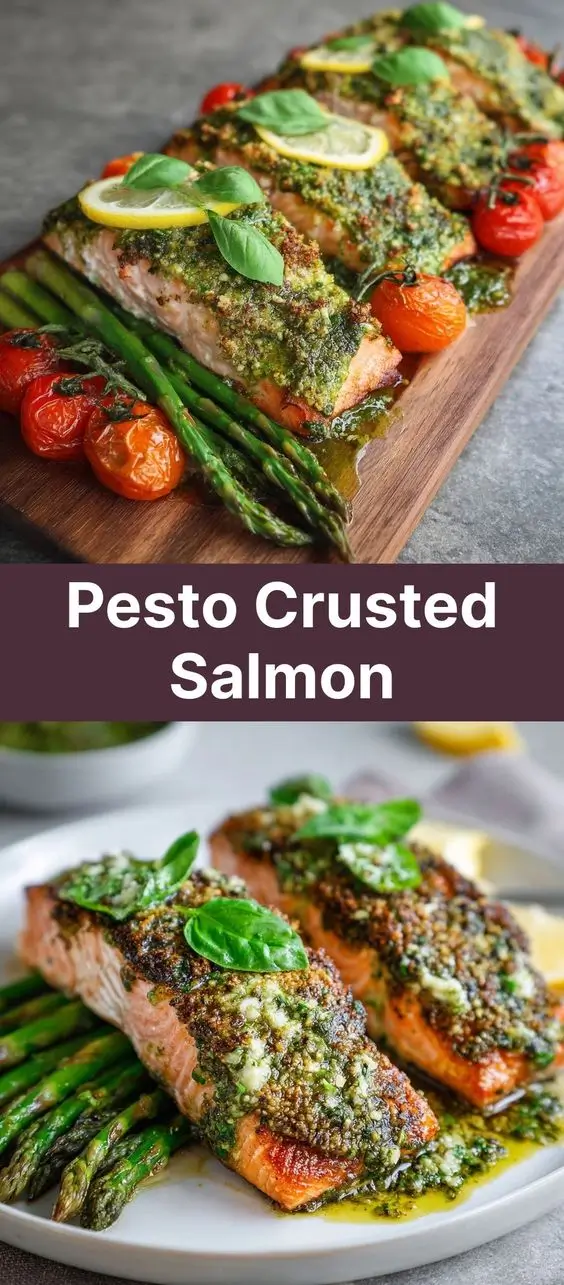
Pesto crusted salmon is a culinary masterpiece that brings together the rich, buttery texture of fresh salmon with the vibrant, aromatic flavors of homemade or store-bought pesto. This dish has become a favorite among home cooks and gourmet chefs alike for its elegant presentation, bold taste, and remarkable ease of preparation. Whether you’re cooking for a weeknight dinner or hosting a special gathering, pesto crusted salmon delivers restaurant-quality results with minimal effort.
The History of Pesto Crusted Salmon
While salmon has long been a staple in Nordic and Pacific Northwest cuisines, the concept of encrusting it with pesto is a more modern innovation rooted in Mediterranean fusion cooking. Pesto itself originated in Genoa, Italy, where the traditional pesto alla genovese was made from fresh basil, garlic, pine nuts, Parmesan cheese, and olive oil, crushed using a mortar and pestle. Over time, as global palates embraced cross-cultural flavor combinations, chefs began experimenting with applying this herbaceous sauce beyond pasta.
By the late 20th century, particularly during the rise of California cuisine—which emphasizes fresh ingredients, simplicity, and bold flavors—pesto found its way onto proteins like chicken, lamb, and notably, salmon. The natural richness of salmon complements the bright, herbal notes of pesto, creating a balance that delighted food enthusiasts. The technique of forming a crust by baking the pesto onto the fish’s surface not only enhanced flavor but also created an appealing golden finish, making pesto crusted salmon a signature dish on many contemporary menus.
Ingredients Breakdown: What Makes It Shine?
The beauty of pesto crusted salmon lies in its simplicity and quality of ingredients. Each component plays a vital role in building layers of flavor and texture:
- Fresh Salmon Fillets: Opt for center-cut fillets with even thickness (6–8 oz each). Wild-caught salmon offers a deeper flavor and firmer texture, while farm-raised tends to be fattier and more tender.
- Pesto Sauce: Can be homemade or high-quality store-bought. Traditional basil pesto includes basil leaves, garlic, pine nuts, olive oil, Parmesan, and lemon juice. For a twist, try sun-dried tomato pesto, kale pesto, or cilantro-lime pesto.
- Olive Oil: Used to lightly coat the salmon before applying pesto, helping the crust form evenly and preventing sticking.
- Lemon: Fresh lemon zest and juice brighten the dish, cutting through the fat and enhancing freshness.
- Salt and Pepper: Essential seasonings to enhance all other flavors.
- Panko Breadcrumbs (optional): Some recipes mix panko into the pesto for added crunch and a thicker crust.
- Extra Add-Ins: Grated Parmesan, minced garlic, capers, or red pepper flakes can deepen the flavor profile.
Step-by-Step Recipe: How to Make Perfect Pesto Crusted Salmon
- Preheat the Oven: Set your oven to 400°F (200°C). Line a baking sheet with parchment paper or foil for easy cleanup.
- Prepare the Salmon: Pat the salmon fillets dry with paper towels. Moisture is the enemy of crust formation, so thorough drying ensures a better sear and crisp exterior.
- Season the Fish: Lightly brush both sides of each fillet with olive oil. Season the flesh side generously with salt, freshly ground black pepper, and a sprinkle of lemon zest.
- Apply the Pesto Crust: Place the fillets skin-side down (if skin-on) on the prepared baking sheet. Spoon a generous amount of pesto (about 2 tablespoons per fillet) over the top of each piece. Use the back of the spoon to spread it evenly across the surface, ensuring full coverage. For extra texture, press a thin layer of panko breadcrumbs into the pesto.
- Add Finishing Touches: Drizzle a little more olive oil over the pesto layer to help it caramelize. Optionally, add a few thin lemon slices on top or around the fillets for visual appeal and aroma.
- Bake Until Done: Roast in the preheated oven for 12–15 minutes, depending on the thickness of the fillets. The salmon is done when it flakes easily with a fork and reaches an internal temperature of 145°F (63°C).
- Optional Broil: For a deeper golden crust, switch the oven to broil for the last 1–2 minutes, watching closely to prevent burning.
- Rest and Serve: Let the salmon rest for 2–3 minutes before serving. This allows juices to redistribute, keeping the fish moist and flavorful.
Tips for the Best Pesto Crusted Salmon Every Time
- Use High-Quality Pesto: If using store-bought, choose a brand with real ingredients and no artificial preservatives. Homemade pesto always yields superior flavor.
- Don’t Overbake: Salmon continues to cook slightly after removal from the oven. Remove it just before it’s fully opaque in the center to avoid dryness.
- Uniform Thickness: Select fillets of similar size and thickness to ensure even cooking.
- Skin-On vs. Skin-Off: Skin-on fillets hold together better during baking and can be crisped up if desired. Skin-off works well too, especially when served immediately.
- Crispy Crust Hack: For an ultra-crispy top, lightly toast panko breadcrumbs in a pan with olive oil before mixing them into the pesto.
- Room Temperature Start: Let the salmon sit at room temperature for 10–15 minutes before baking to promote even cooking.
Variations and Customizations
Pesto crusted salmon is incredibly versatile. Here are some creative ways to customize the recipe:
- Dairy-Free Pesto: Substitute nutritional yeast or cashew cheese for Parmesan to make it vegan-friendly.
- Nut-Free Version: Replace pine nuts with sunflower seeds or omit nuts entirely for those with allergies.
- Herb Variations: Try pesto made with arugula, cilantro, mint, or parsley for different flavor profiles.
- Spicy Kick: Mix in a pinch of red pepper flakes or a dash of sriracha into the pesto.
- Citrus Twist: Add orange or lime zest to the pesto for a tropical flair.
- Smoked Salmon Option: Use smoked salmon pieces as a topping garnish for contrast.
- Gluten-Free: Ensure pesto and breadcrumbs (if used) are certified gluten-free.
- Grilled Version: Instead of baking, grill the pesto-crusted salmon over medium heat for smoky charred notes.
Health Considerations and Nutritional Value
Pesto crusted salmon isn’t just delicious—it’s also packed with health benefits:
- Omega-3 Fatty Acids: Salmon is one of the best sources of heart-healthy omega-3s, which support brain function, reduce inflammation, and improve cardiovascular health.
- High-Quality Protein: Each 6-ounce fillet provides about 34 grams of protein, essential for muscle repair and satiety.
- Antioxidants from Herbs: Basil, garlic, and olive oil in pesto contain antioxidants that combat oxidative stress.
- Healthy Fats: Monounsaturated fats from olive oil and omega-3s contribute to improved cholesterol levels.
- Vitamins and Minerals: Salmon is rich in vitamin D, selenium, B vitamins, and potassium.
That said, be mindful of sodium content—especially in store-bought pesto, which can be high in salt. Making your own pesto allows control over ingredients and portion sizes. Also, while olive oil and nuts add healthy fats, they are calorie-dense, so moderation is key for those managing weight.
A typical serving (6 oz salmon + 2 tbsp pesto) contains approximately:
- Calories: 450–500
- Fat: 30–35g (mostly unsaturated)
- Protein: 34g
- Carbohydrates: 3–5g
- Sodium: 400–700mg (depending on pesto)
Ingredients
- 4 salmon fillets (6 oz each), skin-on or skin-off
- 1/3 cup high-quality basil pesto (homemade or store-bought)
- 2 tablespoons extra virgin olive oil (plus extra for drizzling)
- 1 lemon (zest and juice)
- Salt and freshly ground black pepper to taste
- 2 tablespoons panko breadcrumbs (optional)
- 1 clove garlic, minced (optional)
- 1 tablespoon grated Parmesan cheese (optional)
Directions
- Preheat oven to 400°F (200°C). Line a baking sheet with parchment paper.
- Pat salmon fillets dry with paper towels. Brush both sides lightly with olive oil.
- Season the top of each fillet with salt, pepper, and lemon zest.
- In a small bowl, mix pesto with lemon juice, minced garlic, and Parmesan (if using). Stir in panko for added crunch, if desired.
- Place salmon on the baking sheet, skin-side down. Spread pesto mixture evenly over the top of each fillet.
- Drizzle a little olive oil over the pesto layer to help it caramelize.
- Bake for 12–15 minutes, until salmon is cooked through and flakes easily.
- For a deeper crust, broil on high for 1–2 minutes at the end.
- Let rest for 3 minutes. Garnish with fresh herbs, lemon slices, or microgreens before serving.
FAQ
Can I make pesto crusted salmon ahead of time?
Yes, you can assemble the salmon with pesto up to 6 hours in advance and refrigerate it. However, bring it close to room temperature before baking for even cooking.
Can I use frozen salmon?
Absolutely, but make sure to thaw it completely in the refrigerator overnight and pat it very dry before seasoning and coating.
How do I store leftovers?
Store cooled leftovers in an airtight container in the refrigerator for up to 2 days. Reheat gently in the oven at 300°F to preserve moisture. Avoid microwaving, as it can make the fish rubbery.
Is it safe to eat undercooked salmon?
Salmon should be cooked to an internal temperature of 145°F for safety. However, if you prefer medium-rare, ensure you’re using sushi-grade salmon stored properly and consume immediately.
Can I air fry pesto crusted salmon?
Yes! Air fry at 375°F for 10–12 minutes, depending on thickness. Spray the top lightly with oil for crispiness.
What sides go well with pesto crusted salmon?
Excellent pairings include roasted vegetables (asparagus, zucchini, cherry tomatoes), quinoa, wild rice, mashed potatoes, or a simple arugula salad with balsamic vinaigrette.
Summary
Pesto crusted salmon combines the luxurious texture of salmon with the bold, herby punch of fresh pesto, creating a balanced, nutritious, and visually stunning dish. Simple enough for weeknights, elegant enough for guests—it’s a must-have in every home cook’s repertoire.