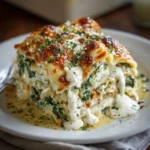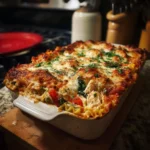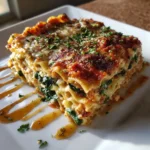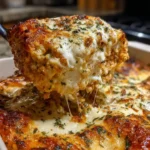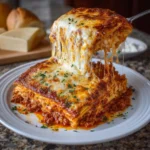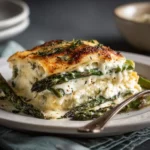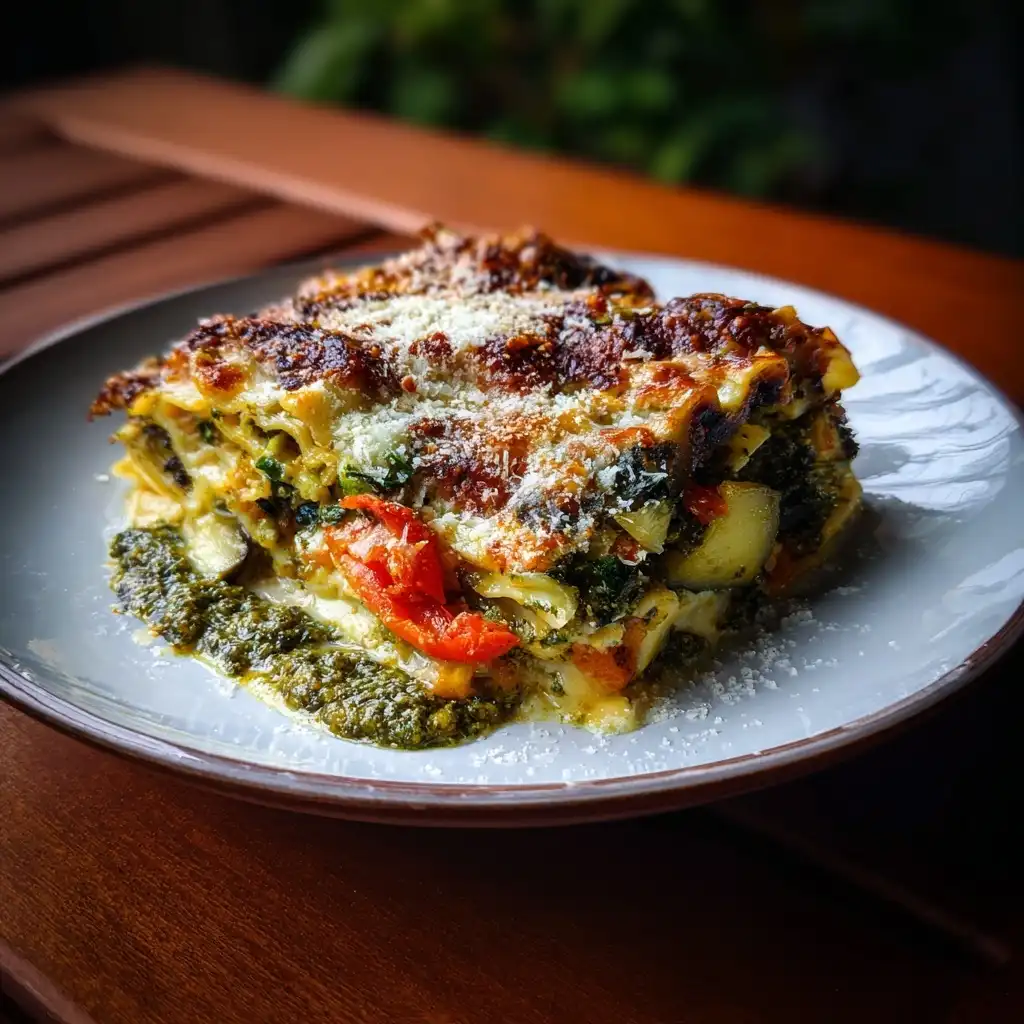
Introduction
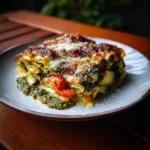
Welcome to a vibrant, garden-fresh twist on a beloved classic—Pesto Veggie Garden Lasagna! This isn’t your traditional meat-and-ricotta-heavy casserole. Instead, it’s a celebration of seasonal abundance, bursting with sun-ripened vegetables, fragrant basil pesto, creamy plant-based or dairy-rich cheeses, and tender layers of no-boil lasagna noodles (or gluten-free alternatives). Designed for home cooks who value flavor, nutrition, and sustainability, this lasagna honors the spirit of the backyard garden while delivering restaurant-quality depth and comfort in every forkful. Whether you’re feeding a family, hosting a summer gathering, or simply craving a nourishing weeknight dinner that feels indulgent yet wholesome, this recipe delivers—with flexibility, soul, and serious taste.
The History
Lasagna’s roots stretch back over 700 years—to 13th-century Italy, where early versions appeared in the medieval cookbook Liber de Coquina, featuring layered pasta sheets with grated cheese and spices. The modern tomato-based iteration didn’t emerge until after tomatoes arrived from the Americas in the 16th century—and even then, it took centuries for the iconic “red sauce + ricotta + mozzarella” formula to solidify in Southern Italy and later in Italian-American communities. Pesto, meanwhile, hails from Genoa in Liguria, where the famed pesto alla genovese was traditionally pounded by hand using a marble mortar and pestle—a labor of love blending fresh basil, pine nuts, garlic, extra-virgin olive oil, and aged Pecorino. The fusion of pesto and lasagna is a relatively modern innovation, gaining traction in the late 20th century as chefs and home cooks sought lighter, herb-forward alternatives to heavy meat ragùs. The “Veggie Garden” evolution reflects broader culinary shifts: farm-to-table awareness, plant-forward eating trends, and the rise of vegetable-centric comfort food. Today’s Pesto Veggie Garden Lasagna stands at the intersection of tradition and transformation—honoring Italian technique while embracing global produce diversity, vegetarian ethics, and mindful, joyful cooking.
Ingredients Breakdown
Every element in this lasagna serves a purpose—textural contrast, moisture balance, umami depth, herbal brightness, or structural integrity. Let’s explore why each ingredient matters:
- No-Boil Lasagna Noodles (12–15 sheets): Engineered to absorb liquid and soften during baking, these eliminate prep time and prevent mushiness when layered correctly. Opt for whole-wheat, legume-based (e.g., lentil or chickpea), or certified gluten-free varieties depending on dietary needs.
- Fresh Basil Leaves (2–3 packed cups): The aromatic heart of the pesto—sweet, slightly peppery, and intensely green. Use only fresh; dried basil lacks volatile oils essential for authentic flavor and color.
- Pine Nuts (½ cup, lightly toasted): Provide buttery richness and subtle crunch. Toasting unlocks nutty depth and prevents bitterness. Substitutes like walnuts, slivered almonds, or sunflower seeds offer budget-friendly or allergen-conscious alternatives with nuanced flavor profiles.
- Garlic (3–4 cloves, raw): Adds pungent warmth and antimicrobial benefits. Raw garlic in pesto delivers sharper, brighter notes than roasted—ideal for cutting through rich cheeses.
- Extra-Virgin Olive Oil (⅔–¾ cup): Not just a binder—it carries fat-soluble flavors, lends silkiness, and contributes polyphenols and antioxidants. Choose a robust, fruity, cold-pressed variety for maximum impact.
- Grated Parmigiano-Reggiano (¾ cup, freshly grated): Salty, nutty, and crystalline—adds umami backbone and helps bind layers. Pre-grated versions contain anti-caking agents that hinder melting and flavor release.
- Fresh Mozzarella (8 oz, low-moisture or fresh): Offers gentle creaminess and mild tang. Low-moisture shreds evenly; fresh mozzarella (torn or sliced) adds luxurious pockets of melt—but drain well to avoid excess water.
- Ricotta Cheese (2 cups, whole-milk, well-drained): The creamy, cloud-like layer that balances pesto’s intensity. Draining removes whey for richer texture and prevents sogginess. For vegan versions, use cashew-based or tofu ricotta infused with lemon zest and nutritional yeast.
- Zucchini (2 medium, ~1 lb, sliced ¼” thick): Mild, tender, and high in water—lightly salted and pressed to remove excess moisture before layering, ensuring structural integrity.
- Yellow Squash (2 medium, ~1 lb): Complements zucchini visually and texturally; its slightly sweeter profile adds dimension.
- Eggplant (1 small–medium, ~12 oz, peeled and sliced ¼” thick): Offers meaty density and absorbs flavors beautifully. Salting and sweating draws out bitterness and prevents oil absorption during roasting.
- Cherry Tomatoes (1 pint, halved): Burst with acidity and sweetness when roasted—acting as natural “sauce” pockets that caramelize and concentrate flavor.
- Red Bell Pepper (1 large, diced): Adds crispness, vitamin C, and vibrant color. Roasting deepens its sweetness and softens its bite.
- Fresh Spinach (4–5 cups, baby or mature, roughly chopped): Wilts into the layers with minimal added moisture; rich in iron, folate, and lutein. No need to pre-cook—its water content helps steam noodles.
- Red Onion (1 medium, thinly sliced): Provides aromatic sharpness and subtle sweetness when roasted—essential for balancing richness.
- Fresh Oregano & Thyme (1 tbsp each, finely chopped): Earthy, floral notes that complement basil without competing—especially lovely when sprinkled between layers or garnished on top.
- Sea Salt & Freshly Ground Black Pepper (to taste): Critical for seasoning each component—not just the final dish. Underseasoned vegetables = bland lasagna.
- Optional Garnishes: Microgreens, basil ribbons, lemon zest, toasted pine nuts, flaky sea salt, drizzle of high-quality olive oil
Step-by-Step Recipe
This method prioritizes control, consistency, and flavor layering—no shortcuts that compromise structure or taste.
- Prep the Vegetables (45 minutes, includes resting time): Slice zucchini, yellow squash, eggplant, red bell pepper, and red onion. Place eggplant slices in a colander, sprinkle generously with kosher salt, and let sit 30 minutes. Rinse thoroughly and pat *very* dry with clean towels. Toss all vegetables (except cherry tomatoes and spinach) with 3 tbsp olive oil, 1 tsp sea salt, ½ tsp black pepper, and 1 tsp dried oregano. Spread in a single layer on two parchment-lined baking sheets. Roast at 425°F (220°C) for 22–28 minutes, flipping halfway, until tender and caramelized at edges but not mushy. Remove and cool slightly. Halve cherry tomatoes, toss with 1 tbsp olive oil and pinch of salt, and roast separately for 12–15 minutes until blistered and juicy. Set aside to cool. Roughly chop spinach—no wilting needed.
- Make the Fresh Basil Pesto (10 minutes): In a food processor, combine basil leaves, toasted pine nuts, garlic, ½ cup grated Parmigiano-Reggiano, ¼ tsp sea salt, and a few grinds of black pepper. Pulse until coarsely chopped. With motor running, slowly stream in ⅔ cup extra-virgin olive oil until smooth and emulsified—scrape down sides as needed. Taste and adjust: more salt for balance, lemon juice (½ tsp) for brightness, or a splash of water if too thick. Transfer to a bowl and stir in 2 tbsp reserved whole basil leaves for texture. Set aside ¾ cup for layering; reserve remaining for garnish.
- Prepare the Ricotta Mixture (5 minutes): In a medium bowl, combine drained ricotta, ¼ cup grated Parmigiano-Reggiano, 1 large egg (optional binder for firmer set), 1 tsp lemon zest, 1 tbsp chopped fresh oregano, 1 tbsp chopped fresh thyme, ½ tsp sea salt, and ¼ tsp black pepper. Stir vigorously with a whisk or wooden spoon until completely smooth and airy—this incorporates air for lightness and prevents graininess.
- Assemble the Lasagna (20 minutes): Preheat oven to 375°F (190°C). Lightly grease a 9×13-inch deep-dish baking dish (at least 3″ deep). Spoon ¾ cup of pesto into dish and spread evenly with an offset spatula. Layer 4 no-boil noodles (slightly overlapping if needed). Spread ⅓ of ricotta mixture (about ¾ cup) evenly over noodles. Scatter ⅓ of roasted vegetables (excluding tomatoes), then ⅓ of roasted cherry tomatoes, and ⅓ of chopped spinach. Drizzle with ¼ cup reserved pesto. Repeat layers twice more: noodles → ricotta → veggies → tomatoes → spinach → pesto. Top final noodle layer with remaining ¼ cup pesto, then dollop with remaining ricotta mixture. Evenly distribute shredded mozzarella and remaining ¼ cup Parmigiano-Reggiano over top. Optional: tuck thin slices of fresh mozzarella between cheese for visual appeal.
- Bake with Precision (65–75 minutes): Cover tightly with greased aluminum foil (prevents drying and cheese scorching). Bake for 45 minutes. Carefully remove foil and continue baking uncovered for 20–30 minutes, until top is deeply golden, edges are bubbling vigorously, and internal temperature reaches 185°F (85°C) when measured with an instant-read thermometer in the center. If top browns too quickly, tent loosely with new foil.
- Rest—The Non-Negotiable Step (35–45 minutes): Remove from oven and place on a wire rack. Let rest *undisturbed* for at least 35 minutes—ideally 45. This allows starches to set, layers to fuse, and residual heat to finish cooking the noodles. Cutting too soon yields soupy, separated layers. Resist the urge!
- Finish & Serve (5 minutes): Run a thin knife around edges to loosen. Cut into 12 generous squares with a sharp chef’s knife wiped clean between cuts. Garnish each portion with basil ribbons, microgreens, lemon zest, toasted pine nuts, flaky salt, and a final drizzle of olive oil. Serve warm—not piping hot—for optimal texture and flavor harmony.
Tips
- Vegetable Moisture Is the #1 Enemy: Always salt and sweat eggplant. Always pat roasted veggies *completely dry* with paper towels before layering—even 1 tsp of excess water per layer can flood the lasagna. Trust us: this 5-minute step saves the entire dish.
- Pesto Consistency Matters: Too thin? It’ll bleed into layers and dilute flavor. Too thick? It won’t spread smoothly. Aim for the texture of soft-serve ice cream—fluid enough to glide, thick enough to hold ribbons.
- No-Boil Noodle Hack: If your noodles seem stiff or under-hydrated after baking, add 2–3 tbsp of vegetable broth or unsalted tomato passata to the bottom of the pan before first noodle layer—it creates steam and jumpstarts hydration.
- Layer Order Logic: Ricotta goes *under* veggies—not over—to prevent sliding and ensure even distribution. Pesto is applied both as base and mid-layer to anchor flavors without overwhelming.
- Oven Thermometer Essential: Built-in oven thermostats are often inaccurate. An inexpensive oven thermometer ensures precise baking temps—critical for proper noodle tenderness and cheese browning.
- Cheese Temperature: Bring ricotta, mozzarella, and Parmigiano to room temperature before mixing and layering. Cold cheese resists blending and creates uneven pockets.
- Resting Isn’t Optional—It’s Alchemy: During rest, gluten networks relax, starches retrograde, and fats re-emulsify. Skipping this transforms a cohesive, sliceable masterpiece into a beautiful, flavorful soup.
- Make-Ahead Magic: Assemble up to 24 hours ahead—cover tightly and refrigerate unbaked. Add 10–15 minutes to covered bake time. Or freeze unbaked (up to 3 months): thaw overnight in fridge before baking.
- Leftover Lifesaver: Refrigerate leftovers in airtight container up to 5 days. Reheat individual portions in toaster oven (best for texture) or covered in microwave at 50% power to prevent rubbery cheese.
- Blender vs. Food Processor: A high-speed blender makes silkier pesto but can overheat basil—turning it bitter. Processors preserve herb integrity better. Chill blades and bowl beforehand for best results.
Variations and Customizations
This recipe is a canvas—not a cage. Adapt freely based on seasonality, pantry staples, dietary needs, or cravings:
- Vegan Version: Swap ricotta for cashew-herb ricotta (soaked cashews + lemon + garlic + nutritional yeast + miso paste); use vegan mozzarella shreds (Miyoko’s or Daiya) and omit egg; replace Parmigiano with almond-based “parm” or hemp seed “cheese”; ensure noodles are egg-free and certified vegan.
- Gluten-Free: Use certified GF no-boil lasagna noodles (Tinkyada, Barilla GF, or Jovial). Confirm all cheeses and pesto ingredients are GF-certified (some Parmigiano contains wheat-based enzymes—opt for brands like BelGioioso or igourmet).
- Protein-Packed: Add 1 cup cooked lentils (green or brown), ½ cup crumbled marinated tempeh, or 1 cup finely chopped sautéed mushrooms to the roasted veggie mix for earthy umami and satiety.
- Low-Carb/Keto: Replace noodles with thinly sliced zucchini or eggplant “noodles” (salted, pressed, and baked until pliable). Reduce tomatoes (higher sugar) and increase low-carb veggies like asparagus tips, broccoli rabe, or fennel.
- Herb Swaps: Try cilantro-jalapeño pesto for Mexican-inspired flair; arugula-walnut pesto for peppery depth; or carrot-top pesto (yes—those leafy greens!) for zero-waste brilliance.
- Seasonal Rotations: Spring—substitute asparagus, peas, and ramps; Summer—add heirloom tomato slices and fresh corn kernels; Fall—roast delicata squash, caramelized onions, and sage; Winter—use roasted root vegetables (parsnips, carrots, beets) and wilted kale.
- Global Twists: Mediterranean—add kalamata olives, artichoke hearts, and feta; Indian-inspired—blend cilantro-mint chutney into pesto and layer with spiced cauliflower; Thai—swap basil for Thai basil, add lime zest, and garnish with crushed peanuts and cilantro.
- Breakfast Lasagna: Layer with scrambled eggs, roasted potatoes, sautéed greens, and pesto—bake until set for a savory brunch showstopper.
- Individual Portions: Assemble in 6–8 oven-safe ramekins or mason jars (layer pesto → noodle → ricotta → veggies → cheese). Bake covered 35–40 min, uncovered 10–12 min. Perfect for meal prep or gifting.
- Soup-to-Noodle Conversion: Leftover roasted veggies + pesto + broth = vibrant minestrone. Stir in cooked GF pasta or farro at the end.
Health Considerations and Nutritional Value
A single serving (1/12 of recipe) delivers exceptional macro- and micronutrient synergy—without sacrifice:
- Calories & Macros: Approx. 380–420 kcal per serving, with 18–22g protein (from dairy, nuts, and vegetables), 20–24g healthy fats (mostly monounsaturated from olive oil and nuts), and 32–36g complex carbohydrates (fiber-rich from whole-grain noodles and diverse veggies).
- Fiber Powerhouse: Provides 10–12g dietary fiber—over 40% of daily needs—supporting gut microbiome diversity, satiety, blood sugar regulation, and cholesterol management. Zucchini, eggplant, spinach, and squash are especially rich in soluble and insoluble fiber.
- Phytonutrient Density: Basil delivers eugenol (anti-inflammatory), lutein, and beta-carotene; tomatoes offer lycopene (enhanced by roasting + olive oil); bell peppers supply vitamin C (boosts iron absorption from spinach); garlic provides allicin (cardio-protective); olive oil contributes oleocanthal (natural COX inhibitor).
- Dairy Considerations: Traditional version uses full-fat cheeses—providing conjugated linoleic acid (CLA), calcium, vitamin K2 (in aged Parmigiano), and bioavailable protein. For lactose sensitivity, ricotta and mozzarella are naturally lower in lactose; aged Parmigiano is virtually lactose-free.
- Sodium Awareness: Total sodium ~480–550mg/serving—moderate and mostly from natural sources (cheese, vegetables). Control salt by omitting added salt in pesto or ricotta, using low-sodium cheeses, and emphasizing herb seasoning.
- Allergen Notes: Contains tree nuts (pine nuts), dairy, and gluten (unless substituted). Easily adapted for top-9 allergen-free diets with careful sourcing.
- Anti-Inflammatory Profile: Rich in omega-3 precursors (walnuts), polyphenols (olive oil, basil), antioxidants (vitamins A, C, E), and nitric oxide-boosting nitrates (spinach)—making it a scientifically supported choice for chronic inflammation reduction.
- Glycemic Impact: Low-to-moderate glycemic load (<15) due to high fiber, healthy fats, and protein slowing carb absorption—ideal for metabolic health and sustained energy.
- Hydration Support: High water content from zucchini, squash, tomatoes, and spinach contributes meaningfully to daily fluid intake—especially valuable in warmer months.
- Mindful Eating Alignment: Vibrant colors, varied textures, and layered aromas engage all senses—promoting slower eating, improved digestion, and greater satisfaction per bite.
Ingredients
- 12–15 no-boil lasagna noodles (whole-wheat, gluten-free, or legume-based)
- 2–3 cups fresh basil leaves, packed (stems removed)
- ½ cup pine nuts, toasted
- 3–4 garlic cloves, peeled
- ⅔–¾ cup extra-virgin olive oil (plus 4 tbsp for roasting)
- ¾ cup freshly grated Parmigiano-Reggiano (plus ¼ cup for topping)
- 8 oz low-moisture mozzarella, shredded (or 1 ball fresh mozzarella, drained and torn)
- 2 cups whole-milk ricotta cheese, well-drained
- 1 large egg (optional, for binding)
- 1 tsp lemon zest
- 1 tbsp chopped fresh oregano
- 1 tbsp chopped fresh thyme
- 1½ tsp sea salt (divided)
- 1 tsp freshly ground black pepper (divided)
- 2 medium zucchini (~1 lb), sliced ¼” thick
- 2 medium yellow squash (~1 lb), sliced ¼” thick
- 1 small–medium eggplant (~12 oz), peeled and sliced ¼” thick
- 1 pint cherry tomatoes, halved
- 1 large red bell pepper, diced
- 1 medium red onion, thinly sliced
- 4–5 cups fresh spinach, roughly chopped
- Flaky sea salt, microgreens, lemon zest, toasted pine nuts, and extra-virgin olive oil for garnish
Directions
- Preheat oven to 425°F (220°C). Line two large baking sheets with parchment paper.
- Arrange eggplant slices in a single layer in a colander. Sprinkle generously with 1 tsp kosher salt. Let sit 30 minutes. Rinse thoroughly under cold water and pat *extremely* dry with clean kitchen towels.
- In a large bowl, combine zucchini, yellow squash, eggplant, red bell pepper, and red onion. Toss with 3 tbsp olive oil, 1 tsp sea salt, ½ tsp black pepper, and 1 tsp dried oregano. Spread evenly across prepared baking sheets. Roast 22–28 minutes, flipping halfway, until tender and caramelized. Cool 10 minutes.
- In another small bowl, toss cherry tomatoes with 1 tbsp olive oil and ¼ tsp sea salt. Roast on a separate sheet for 12–15 minutes until blistered. Cool.
- Make pesto: In a food processor, combine basil, pine nuts, garlic, ½ cup Parmigiano, ¼ tsp salt, and ¼ tsp black pepper. Pulse until coarse. With motor running, slowly drizzle in ⅔ cup olive oil until smooth. Stir in 2 tbsp whole basil leaves. Reserve ¾ cup for layering; refrigerate remainder.
- In a medium bowl, whisk together ricotta, ¼ cup Parmigiano, egg (if using), lemon zest, oregano, thyme, ½ tsp salt, and ¼ tsp black pepper until ultra-smooth and airy.
- Reduce oven to 375°F (190°C). Grease a 9×13-inch, 3″-deep baking dish.
- Spoon ¾ cup pesto into dish and spread evenly. Layer 4 noodles (slightly overlapping). Spread ⅓ ricotta mixture. Top with ⅓ roasted vegetables (excluding tomatoes), ⅓ roasted tomatoes, and ⅓ spinach. Drizzle with ¼ cup pesto. Repeat twice more.
- Top final noodle layer with remaining pesto, remaining ricotta mixture, mozzarella, and remaining ¼ cup Parmigiano.
- Cover tightly with greased foil. Bake 45 minutes.
- Remove foil. Bake uncovered 20–30 minutes until golden, bubbly, and internal temp reaches 185°F (85°C).
- Let rest 35–45 minutes undisturbed.
- Cut into 12 squares. Garnish and serve.
FAQ
- Can I use regular lasagna noodles instead of no-boil?
- Yes—but boil them 1 minute less than package directs (they’ll finish cooking in the oven), rinse under cold water, and lay flat on parchment to prevent sticking. Expect slightly softer layers.
- Why does my lasagna turn watery?
- Most commonly: insufficient draining of eggplant, un-dried roasted veggies, excess spinach water, or under-baking. Also check if pesto is too thin or ricotta wasn’t drained.
- Can I make this ahead and freeze it?
- Absolutely. Assemble unbaked, cover tightly with plastic wrap + foil, and freeze up to 3 months. Thaw overnight in fridge before baking. Add 15–20 minutes to covered bake time.
- What’s the best way to reheat leftovers?
- Toaster oven at 350°F (175°C) for 12–15 minutes, covered with foil, then uncovered 3–5 minutes for crisp top. Microwave reheating works but may yield chewier cheese—use 50% power and cover with damp paper towel.
- Can I skip the egg in the ricotta?
- Yes—the egg acts as binder for firmer set, but isn’t essential. The ricotta mixture will be slightly looser but still delicious and cohesive, especially with ample resting time.
- Is this recipe safe for pregnant people?
- Yes—uses pasteurized cheeses and fully cooked ingredients. Ensure ricotta and mozzarella are labeled “pasteurized.” Avoid raw sprouts or unpasteurized cheeses if substituting.
- How do I know when it’s done baking?
- Visual cues: golden, bubbling edges and a firm-but-yielding center. Internal temp should read 185°F (85°C) at the deepest point. Noodles should be tender with no chalky resistance.
- Can I use store-bought pesto?
- You can—but most commercial versions contain preservatives, stabilizers, and less basil, yielding muted flavor and greener hue. Homemade takes 10 minutes and transforms the dish.
- My pesto turned brown—what happened?
- Oxidation from exposure to air and metal. Prevent by adding lemon juice (acid slows browning), covering surface directly with plastic wrap, or storing with a thin layer of olive oil on top.
- What wine pairs best with this lasagna?
- An Italian Pinot Grigio (Conegliano-Valdobbiadene) or