Introduction
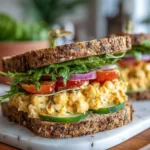
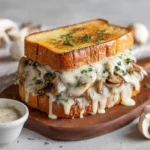
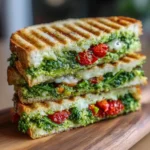
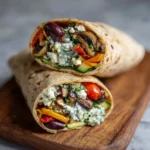
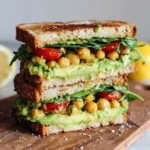
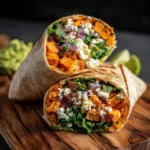
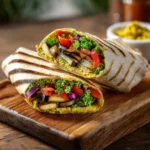
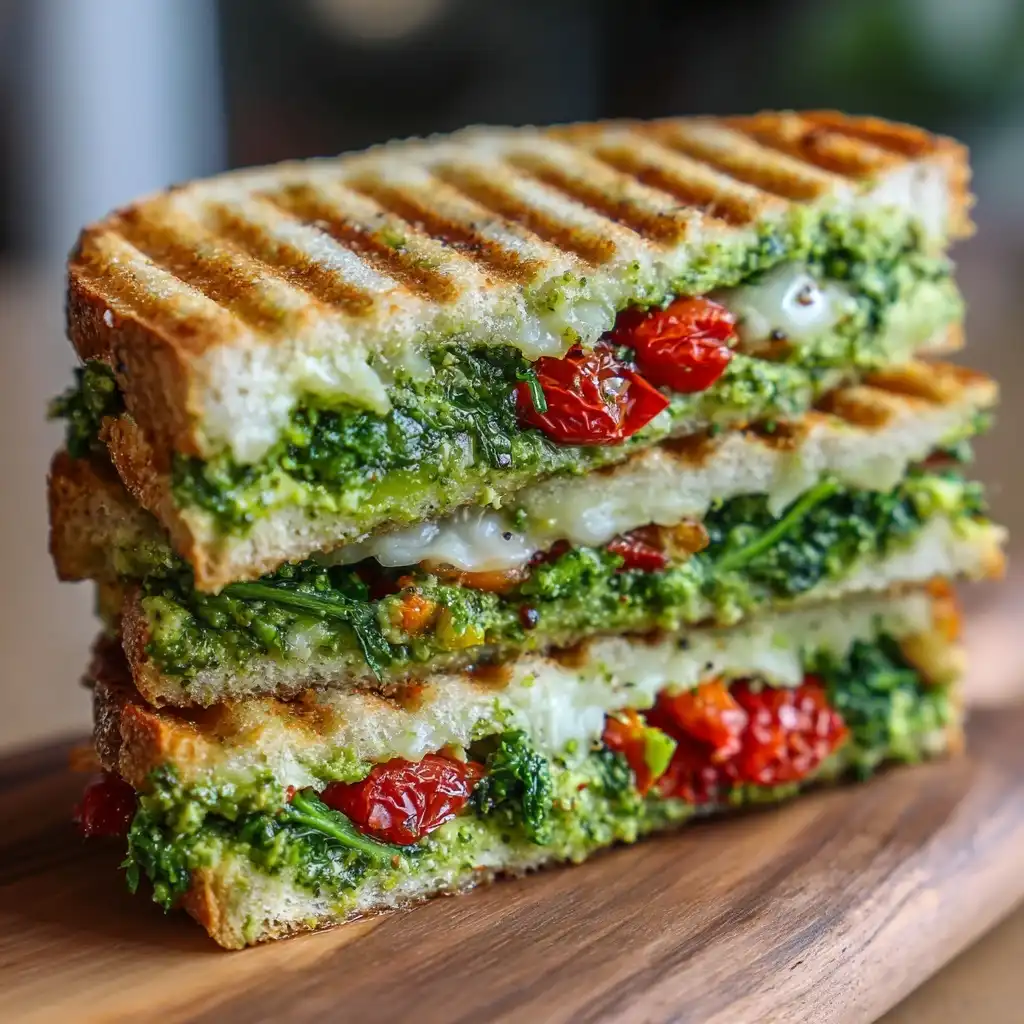
The Pesto Veggie Panini is a vibrant, flavorful, and nutritionally balanced grilled sandwich that celebrates the freshness of seasonal vegetables, the aromatic richness of homemade (or high-quality store-bought) basil pesto, and the satisfying crispness of perfectly toasted artisan bread. More than just a quick lunch option, it’s a culinary canvas—elegant enough for a weekend brunch, hearty enough for a post-workout meal, and adaptable enough to suit vegan, gluten-free, dairy-free, or low-carb dietary preferences. Unlike traditional paninis loaded with heavy cheeses and processed meats, this version centers plant-powered ingredients without sacrificing depth, texture, or umami satisfaction. Its appeal lies in its simplicity, speed, and versatility—requiring under 20 minutes from prep to plate—and its ability to transform humble produce into something extraordinary through thoughtful layering, heat application, and herb-forward seasoning.
The History
The origins of the panini trace back centuries to Italy, where “panino” (plural: panini) simply meant “a small bread roll” or “sandwich” — traditionally filled with cured meats, cheeses, and local greens, then pressed on a griddle or piastra to enhance texture and meld flavors. While modern American interpretations often conflate panini with any grilled, pressed sandwich, authentic Italian panini were rustic, regional, and ingredient-driven—reflecting terroir and seasonality. Pesto, meanwhile, hails from Genoa in Liguria, where it was first documented in the 19th century as “pestu” (from the Genoese word for “to pound”), originally made by crushing basil, pine nuts, garlic, coarse salt, and extra-virgin olive oil in a marble mortar with a wooden pestle. The addition of grated hard cheese like Parmigiano-Reggiano or Pecorino came later—though traditional pesto alla genovese strictly includes cheese, many contemporary chefs and home cooks now prepare vegan or nut-free versions to broaden accessibility. The fusion of pesto and panini emerged globally in the late 20th century, popularized by California-style cafés and farm-to-table bistros seeking lighter, vegetarian-forward fare. The Pesto Veggie Panini, as we know it today, is thus a delicious transatlantic evolution—a tribute to Italian tradition reimagined through a modern, health-conscious, and vegetable-centric lens.
Ingredients Breakdown
Every element of the Pesto Veggie Panini serves a distinct sensory and functional purpose—contributing to flavor, texture, moisture balance, structural integrity, and nutritional synergy:
- Artisan Bread: A sturdy, slightly porous loaf such as ciabatta, sourdough boule, or whole-grain focaccia provides the essential foundation. Its open crumb absorbs pesto without disintegrating, while its crust caramelizes beautifully under pressure and heat—delivering crunch contrast and subtle fermentation notes.
- Fresh Basil Pesto: The soul of the sandwich. Authentic pesto contributes volatile aromatic compounds (linalool, eugenol), healthy monounsaturated fats (from olive oil and nuts/seeds), and polyphenols with antioxidant properties. Its acidity (from lemon juice, if used) brightens heavier components and balances richness.
- Roasted Vegetables: Eggplant, zucchini, red bell pepper, and cherry tomatoes are ideal—not only for their sweetness when caramelized but also for their complementary water content. Roasting concentrates sugars, deepens umami, and removes excess moisture that could otherwise make the sandwich soggy.
- Leafy Greens: Baby spinach or arugula added *after* pressing ensures peppery freshness, crisp texture, and a nutrient-dense finish rich in folate, vitamin K, and nitrates linked to cardiovascular support.
- Plant-Based Cheese (Optional but Recommended): A mild, meltable variety like cashew mozzarella, almond ricotta, or aged vegan provolone adds creaminess, binding power, and savory depth. Traditional mozzarella di bufala may be used for non-vegan versions—its high moisture content creates delicate stringiness when heated, enhancing mouthfeel.
- Seasonal Enhancements: Sliced heirloom tomatoes (in peak summer), marinated artichoke hearts, kalamata olives, or roasted red peppers lend complexity, acidity, brininess, and visual appeal. Fresh herbs—basil ribbons, chives, or lemon thyme—added post-grill elevate aroma and presentation.
- Finishing Oil & Acid: A light drizzle of high-quality extra-virgin olive oil and a whisper of lemon zest or balsamic glaze just before serving amplifies brightness, carries fat-soluble flavors, and adds a glossy, restaurant-worthy finish.
Step-by-Step Recipe
- Preheat & Prep: Heat a panini press, cast-iron grill pan, or skillet over medium-low heat (325°F / 160°C). Lightly brush both sides of each bread slice with olive oil or melted vegan butter—this promotes even browning and prevents sticking.
- Roast the Vegetables: Toss 1 cup diced eggplant, 1 cup sliced zucchini, ½ cup julienned red bell pepper, and ¼ cup halved cherry tomatoes with 1 tbsp olive oil, ½ tsp dried oregano, ¼ tsp smoked paprika, sea salt, and freshly ground black pepper. Spread on a parchment-lined baking sheet and roast at 425°F (220°C) for 22–25 minutes, flipping halfway, until tender-crisp and lightly charred at edges. Let cool slightly—this step can be done up to 2 days ahead and refrigerated.
- Toast the Bread: Place bread slices on the preheated press or pan. Close gently and toast for 2–3 minutes until golden and faintly crisp—but not fully hardened—as they’ll undergo a second press with fillings. Remove and set aside.
- Layer Strategically: On the bottom slice, spread 2 generous tablespoons of pesto (reserving ½ tsp for garnish). Evenly distribute half the roasted vegetables, followed by 2–3 thin slices of plant-based cheese (if using), a small handful of baby spinach or arugula, and a few marinated artichoke hearts (optional). Top with the second bread slice, pesto-side down.
- Press with Purpose: Return the assembled sandwich to the warm press or pan. Apply gentle, even pressure—do not force the handle down aggressively, especially with softer breads. Grill for 4–5 minutes total, rotating 180° halfway through for uniform browning and melting. The ideal result: deeply scored, mahogany-golden crust with steam escaping at the edges and visible cheese melt (if applicable).
- Rest & Slice: Transfer the panini to a wire rack and let rest for 90 seconds—this allows internal steam to redistribute, prevents filling slippage, and lets residual heat gently finish melting and melding. Use a serrated knife to cut diagonally; serve immediately while hot and aromatic.
Tips
- Moisture Management Is Key: Always pat roasted vegetables dry with paper towels before assembling. Excess liquid = soggy bread and sliding fillings. Similarly, if using fresh tomatoes, seed and lightly salt them 10 minutes ahead, then blot thoroughly.
- Pesto Consistency Matters: Too thick? It won’t spread evenly and may clump. Too thin? It’ll seep into bread pores and cause breakage. Ideal texture resembles soft hummus—smooth but holdable. Thin with a few drops of warm olive oil or lemon juice if needed.
- Bread Selection Wisdom: Avoid overly soft sandwich loaves (e.g., standard white or brioche)—they compress too easily and lack structural resilience. Opt for ½-inch-thick slices of dense, chewy bread with a robust crust. For gluten-free versions, choose certified GF sourdough or seeded multigrain with xanthan gum for elasticity.
- Temperature Control: Never rush the grill. Low-and-slow heat ensures even toasting, complete cheese melt (if using), and prevents burnt exteriors with cold interiors. If using a skillet, place a foil-wrapped brick or smaller pan on top for consistent, restaurant-grade compression.
- Flavor Layering Beyond Pesto: Elevate depth by brushing the *inside* of each bread slice with a mixture of 1 tsp nutritional yeast + ½ tsp garlic powder + pinch of onion powder before spreading pesto. This adds savory, cheesy nuance without dairy.
- Make-Ahead Efficiency: Roast vegetables and blend pesto up to 5 days in advance. Store pesto topped with a thin layer of olive oil in an airtight jar in the fridge (or freeze in ice cube trays for up to 3 months). Assemble sandwiches only 5–10 minutes before grilling for optimal texture.
- Crispness Preservation: Serve on a pre-warmed ceramic plate—not cold stainless steel or wood, which draws heat rapidly. For picnics or packed lunches, wrap loosely in parchment paper (not foil or plastic), then insulate in a thermal sleeve—this retains steam without condensation buildup.
Variations and Customizations
The Pesto Veggie Panini is inherently modular—designed for creativity, pantry improvisation, and dietary alignment. Below are thoughtfully curated variations tested for flavor harmony, textural contrast, and ease of execution:
- Vegan Mediterranean: Swap traditional pesto for sun-dried tomato–walnut pesto; add crumbled tofu feta, roasted red peppers, and kalamata olives; finish with lemon-tahini drizzle.
- Low-Carb/Keto-Friendly: Replace bread with large, grilled portobello mushroom caps or thick slices of roasted eggplant “buns”; use avocado oil–based pesto and omit starchy veggies—focus on asparagus, broccoli rabe, and grilled red onion.
- Protein-Powered: Add 2 oz marinated tempeh strips, smashed white beans seasoned with rosemary and lemon, or shredded chickpea “tuna” salad mixed with dill and capers.
- Herb-Forward Spring Edition: Feature blanched asparagus, sugar snap peas, fava beans, and pea shoots; use tarragon-lemon pesto (substitute tarragon for half the basil) and sprinkle with edible flowers (nasturtiums, pansies) post-grill.
- Smoky Southwest: Replace basil pesto with cilantro-jalapeño–cashew pesto; layer with chipotle-roasted sweet potato, black beans, pickled red onion, and avocado slices; garnish with cotija-style vegan cheese and lime zest.
- Autumn Harvest: Incorporate roasted delicata squash, caramelized shallots, sautéed kale, and applewood-smoked vegan gouda; use sage-walnut pesto and finish with maple-balsamic reduction.
- Gluten-Free Gourmet: Use certified GF ciabatta or buckwheat sourdough; ensure all pesto ingredients (especially cheese alternatives and nutritional yeast) are GF-certified; add toasted pumpkin seeds for crunch and zinc.
- Kid-Friendly Mild: Omit garlic from pesto or use roasted garlic; substitute mild yellow squash for zucchini; include fun shapes (use cookie cutters for veggie “stars”) and serve with side of roasted beet hummus for dipping.
- Deconstructed “Panini Board”: For gatherings: arrange grilled bread slices, warmed pesto in a ramekin, roasted veggie medley, cheese cubes, greens, and garnishes separately—let guests assemble their own mini paninis or open-faced bites.
Health Considerations and Nutritional Value
A well-constructed Pesto Veggie Panini is a nutrient-dense powerhouse aligned with Mediterranean, DASH, and plant-forward dietary patterns. Based on a standard serving (2 slices artisan sourdough, ¼ cup roasted vegetables, 3 tbsp basil pesto, 1 cup spinach, 1 oz vegan mozzarella), approximate macro/micro-nutrient highlights include:
- Calories & Macronutrients: ~480–540 kcal | 22–28g total fat (mostly heart-healthy MUFA/PUFA from olive oil, nuts, seeds) | 14–18g plant-based protein | 42–50g complex carbohydrates (fiber-rich, low glycemic impact) | 8–11g dietary fiber (35–45% DV)
- Vitamins & Minerals: Exceptionally high in Vitamin K (>200% DV from spinach + basil), Vitamin A (from red peppers & spinach), Folate (from leafy greens & legumes), Vitamin C (from tomatoes, lemon in pesto), and Magnesium (from nuts, greens, whole grains). Also rich in polyphenols (luteolin, apigenin), flavonoids, and chlorophyll—all linked to reduced oxidative stress and anti-inflammatory activity.
- Dietary Adaptability: Naturally low in sodium (when prepared without added salt or high-sodium cheeses), free of refined sugars, cholesterol-free, and easily modified for common restrictions: soy-free (use sunflower seed butter instead of pine nuts), nut-free (sub pumpkin or hemp seeds), nightshade-free (omit tomatoes, peppers, eggplant—use roasted cauliflower, carrots, and zucchini), and low-FODMAP (use garlic-infused oil instead of raw garlic, limit portion sizes of onions/garlic and legumes).
- Gut Health Support: Fermented sourdough bread enhances mineral bioavailability and contains prebiotic fibers; basil and garlic offer antimicrobial and digestive-supportive compounds; roasted vegetables retain resistant starches upon cooling—beneficial for colonic fermentation.
- Cardiometabolic Benefits: The combination of monounsaturated fats, potassium (from tomatoes, spinach, zucchini), nitrates (leafy greens), and antioxidants supports healthy blood pressure, endothelial function, and LDL oxidation resistance. Clinical studies associate regular consumption of Mediterranean-style vegetable sandwiches with improved lipid profiles and reduced incidence of metabolic syndrome.
- Mindful Eating Notes: The sandwich’s inherent textural variety (crispy crust, creamy pesto, tender-crisp vegetables, peppery greens) encourages slower chewing and heightened sensory awareness—supporting satiety signaling and reducing risk of overeating. Its vibrant color spectrum (green, red, purple, gold) reflects diverse phytonutrient coverage, reinforcing dietary diversity principles.
Ingredients
- 2 servings (4 total slices) artisan sourdough, ciabatta, or whole-grain focaccia bread (½-inch thick, crust-on)
- ⅓ cup high-quality basil pesto (homemade or verified clean-label store-bought; see note on vegan/dairy options)
- 1 cup mixed roasted vegetables: ½ cup cubed eggplant, ¼ cup sliced zucchini, ¼ cup julienned red bell pepper, 2 tbsp halved cherry tomatoes
- 1 tbsp extra-virgin olive oil (plus more for brushing bread)
- ½ tsp dried oregano
- ¼ tsp smoked paprika
- ¼ tsp fine sea salt (plus more to taste)
- Freshly ground black pepper
- 1 cup baby spinach or wild arugula (packed)
- 2 oz (¼ cup crumbled or 4 thin slices) plant-based mozzarella, almond ricotta, or traditional mozzarella di bufala (optional but recommended)
- 2 tbsp marinated artichoke hearts, drained and halved (optional)
- Lemon zest (from ½ lemon) and flaky sea salt for finishing
- Extra-virgin olive oil or balsamic glaze for drizzling (optional)
Directions
- Preheat Equipment: Turn on your panini press or preheat a heavy-bottomed cast-iron skillet or grill pan over medium-low heat (325°F / 160°C) for at least 5 minutes to ensure even, consistent heat distribution.
- Prepare Roasted Vegetables: In a medium bowl, combine eggplant, zucchini, bell pepper, and cherry tomatoes. Drizzle with 1 tbsp olive oil, then add oregano, smoked paprika, ¼ tsp sea salt, and several grinds of black pepper. Toss thoroughly to coat. Spread evenly on a parchment-lined baking sheet. Roast in a preheated 425°F (220°C) oven for 22–25 minutes, stirring and flipping halfway, until vegetables are tender with lightly charred, caramelized edges. Remove from oven and let cool 5 minutes. Blot gently with paper towel to remove surface moisture.
- Toast Bread Lightly: Brush both sides of each bread slice with olive oil. Place two slices in the preheated press or pan. Toast uncovered for 2–3 minutes until golden and just beginning to crisp—do not allow to brown deeply, as they will be pressed again with fillings. Transfer to a cooling rack and repeat with remaining slices.
- Assemble Thoughtfully: Lay one toasted bread slice on a clean work surface. Spread 1½ tbsp pesto evenly across the surface, leaving a ¼-inch border. Layer half the roasted vegetables, followed by half the cheese (if using), a small handful of spinach or arugula, 1 tbsp artichoke hearts (if using), and a light grind of black pepper. Top with second bread slice, pesto-side down. Press gently to adhere.
- Grill to Perfection: Place assembled sandwich in the warm press or pan. Close lid and apply gentle, steady pressure. Grill for 4–5 minutes total—peek after 2 minutes to check browning. Rotate 180° at the 2½-minute mark for even grill marks and heating. Sandwich is ready when crust is deep amber with defined ridges, cheese is visibly molten (if used), and steam escapes steadily from the edges.
- Rest & Finish: Carefully transfer panini to a wire rack. Let rest undisturbed for 90 seconds—this allows internal temperature to equalize and prevents messy spillage when cutting. Using a sharp serrated knife, cut diagonally into two generous triangles. Garnish with lemon zest, a pinch of flaky sea salt, reserved ½ tsp pesto, and optional drizzle of olive oil or balsamic glaze. Serve immediately.
FAQ
- Can I make this panini without a panini press?
- Absolutely. A cast-iron skillet paired with a smaller, heat-safe pan or foil-wrapped brick provides excellent compression. Preheat the skillet, add the sandwich, cover with the weight, and cook over medium-low heat—flip halfway through for even browning.
- Is traditional pesto vegetarian? Vegan?
- Classical Genovese pesto contains Parmigiano-Reggiano or Pecorino, both made with animal rennet—so it’s vegetarian but not vegan. For strict vegan versions, use nutritional yeast or vegan hard cheeses, and verify pine nuts are ethically sourced (some brands use mechanical harvesting to avoid squirrel displacement).
- Why do you roast the vegetables instead of using them raw?
- Roasting concentrates natural sugars, deepens umami, reduces water content (preventing sogginess), and improves digestibility—especially for eggplant and zucchini, whose raw forms contain higher levels of oxalates and can be harder to break down.
- Can I use store-bought pesto?
- Yes—but read labels carefully. Many commercial pestos contain added sugar, preservatives (sodium benzoate), low-quality oils (soybean or canola), or excessive salt. Opt for refrigerated, short-ingredient varieties with basil, olive oil, nuts, garlic, lemon, and salt as the only components.
- How do I prevent the panini from sticking to the press?
- Always lightly oil the bread—not the press plates. For stubborn sticking, wipe plates with a folded paper towel dipped in oil *before* preheating. Never use cooking spray—it leaves a gummy residue that builds up over time.
- Can I prepare this ahead for meal prep?
- You can fully prep components 3–4 days ahead: roast veggies, make pesto, wash/spin greens, slice cheese. Assemble and grill only when ready to eat—otherwise, the bread becomes saturated and loses structural integrity. For true make-ahead, freeze ungrilled assembled sandwiches (wrap tightly in parchment + foil); thaw overnight in fridge, then grill directly from chilled.
- What wine or beverage pairs best with this panini?
- A crisp, herbaceous Italian white like Vermentino or Friulano complements the basil and olive oil beautifully. For non-alcoholic options: sparkling water with lemon and fresh mint, chilled green tea with ginger, or a turmeric-ginger “golden latte” made with oat milk.
- My pesto turned brown—can I still use it?
- Oxidation causes basil’s chlorophyll to break down, turning pesto dull green or brown—but it’s still safe and flavorful! To prevent: always top stored pesto with a ⅛-inch layer of olive oil; store in an airtight container with minimal air exposure; or freeze in portioned ice cube trays. Adding a small amount of lemon juice also helps preserve color.
- Is this sandwich suitable for kids or picky eaters?
- Yes—with simple tweaks: omit garlic or use roasted garlic for milder flavor; swap arugula for butter lettuce; cut into fun shapes; serve with a side of roasted beet or sun-dried tomato hummus for dipping; involve kids in assembling their own mini versions—empowerment increases acceptance!
- Can I air-fry this panini?
- Yes—with caveats. Lightly oil bread, assemble, then place in air fryer basket (single layer, no overlap). Air fry at 375°F (190°C) for 6–7 minutes, flipping halfway. Result is less crispy than press-grilled but still delicious—ideal for small batches or when avoiding stovetop use.
Summary
The Pesto Veggie Panini is a masterclass in intentional plant-based cooking—where vibrant, roasted vegetables, fragrant herb-forward pesto, and artisanal toasted bread unite into a harmonious, nutrient-dense, and deeply satisfying grilled sandwich.
Infinitely customizable, grounded in culinary tradition yet vibrantly modern, it delivers gourmet flavor and texture in under 20 minutes—making it a timeless staple for mindful meals, effortless entertaining, and everyday nourishment.