Pineapple Chicken: A Sweet and Savory Delight from the Tropics
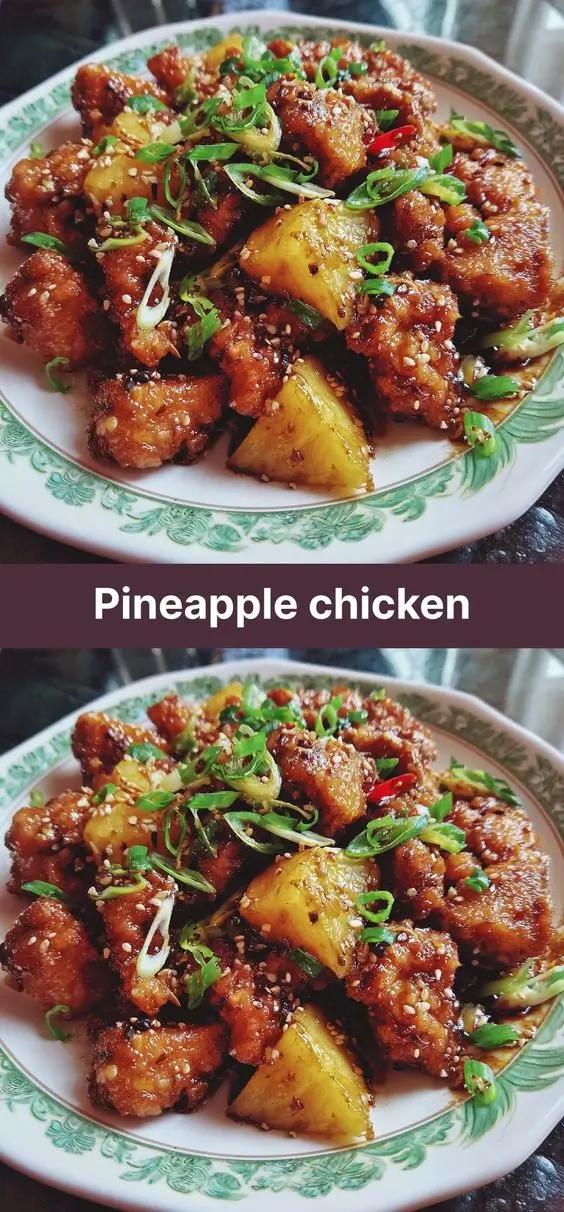
Pineapple chicken is a vibrant, flavorful dish that marries the tangy sweetness of ripe pineapple with tender pieces of chicken in a glossy, aromatic sauce. Loved around the world, especially in Asian-inspired cuisines, this dish brings together contrasting flavors—sweet, sour, salty, and savory—that dance on the palate with every bite. Whether served over steaming white rice, quinoa, or noodles, pineapple chicken offers a tropical escape in every forkful. In this comprehensive guide, we’ll explore everything you need to know about pineapple chicken—from its cultural roots and key ingredients to step-by-step cooking instructions, health benefits, variations, and expert tips to perfect your recipe at home.
The History of Pineapple Chicken
The origins of pineapple chicken are somewhat debated, but most culinary historians agree it emerged as part of Hawaiian-Chinese fusion cuisine, popularized in the mid-20th century. While not traditionally found in ancient Chinese cookbooks, the dish gained widespread popularity through American-Chinese restaurants, particularly during the rise of tiki culture in the 1950s and 60s. This era celebrated exotic island themes, leading chefs to experiment with tropical ingredients like pineapple, coconut, and citrus in savory dishes.
Although Hawaii isn’t the birthplace of pineapple chicken per se, its association with Hawaiian pizza (which also features pineapple and ham) has reinforced the idea of sweet fruit pairing with meat. The actual inspiration likely stems from southern Chinese cooking techniques—especially Cantonese stir-frying—where sauces made from soy, vinegar, sugar, and fruit purees have long been used to glaze meats. Over time, immigrant chefs in North America adapted these methods using locally available ingredients, giving rise to modern versions of pineapple chicken.
Today, the dish is commonly found on menus across the United States, Canada, and parts of Southeast Asia, where it’s often called “sweet and sour chicken” when served with pineapple. In countries like Thailand and the Philippines, similar recipes use local pineapples and fish sauce for added umami depth. Regardless of its precise origin, pineapple chicken remains a beloved comfort food that bridges cultures and palates.
Ingredients Breakdown: What Makes Pineapple Chicken Shine?
The magic of pineapple chicken lies in its balance of textures and flavors. Each ingredient plays a crucial role in building layers of taste and aroma. Below is an in-depth look at the core components:
- Chicken Breast or Thighs: Boneless, skinless chicken breasts are most commonly used for their lean texture and mild flavor, which absorbs the sauce beautifully. However, chicken thighs can be substituted for a juicier, more succulent result due to their higher fat content.
- Fresh Pineapple: Fresh pineapple chunks are preferred over canned for superior flavor and firmer texture. They provide natural sweetness and contain bromelain—an enzyme that helps tenderize the chicken slightly while adding brightness.
- Bell Peppers: Typically red and green bell peppers add color, crunch, and subtle sweetness. Some variations include yellow or orange peppers for visual appeal.
- Onion: Yellow or white onion contributes savory depth and balances the sweetness of the pineapple.
- Garlic and Ginger: These aromatics form the flavor foundation. Minced garlic adds pungency, while fresh grated ginger introduces a warm, zesty note that enhances the overall complexity.
- Soy Sauce: Provides saltiness and umami. Low-sodium soy sauce allows better control over salt levels.
- Rice Vinegar or Apple Cider Vinegar: Adds acidity to cut through the sweetness and brighten the sauce.
- Ketchup or Tomato Paste: Gives the sauce body, color, and a hint of tangy sweetness. Ketchup is more common in Western adaptations.
- Brown Sugar or Honey: Balances the tartness and creates a sticky glaze. Brown sugar adds molasses undertones; honey brings floral notes.
- Cornstarch: Used both to coat the chicken before frying (for crispiness) and to thicken the sauce into a glossy finish.
- Vegetable Oil: Neutral oil such as canola or avocado oil is ideal for high-heat cooking without overpowering flavors.
- Water or Chicken Broth: Forms the base of the sauce, helping dissolve sugars and blend all elements smoothly.
- Sesame Oil (optional): A few drops added at the end enhance fragrance and give an authentic Asian flair.
- Green Onions and Sesame Seeds (garnish): For freshness and visual contrast.
Step-by-Step Recipe: How to Make Perfect Pineapple Chicken at Home
Follow this detailed method to create restaurant-quality pineapple chicken in your own kitchen. With careful attention to timing and technique, you’ll achieve tender chicken, perfectly cooked vegetables, and a luscious, well-balanced sauce.
Ingredients
- 1.5 lbs (680 g) boneless, skinless chicken breasts, cut into 1-inch cubes
- 2 cups fresh pineapple chunks (about 1/2 medium pineapple)
- 1 red bell pepper, sliced into strips
- 1 green bell pepper, sliced into strips
- 1/2 medium yellow onion, sliced
- 3 cloves garlic, minced
- 1 tbsp fresh ginger, grated
- 3 tbsp cornstarch, divided
- 1/4 tsp salt
- 1/4 tsp black pepper
- 3 tbsp vegetable oil, divided
- 1/2 cup water or low-sodium chicken broth
- 1/4 cup ketchup
- 3 tbsp brown sugar (or honey)
- 2 tbsp soy sauce (low sodium preferred)
- 1 tbsp rice vinegar
- 1 tsp sesame oil (optional)
- Green onions and toasted sesame seeds for garnish
- Cooked white rice, brown rice, or noodles for serving
Directions
- Prepare the Chicken: Pat the chicken pieces dry with paper towels. In a bowl, toss the chicken with 2 tablespoons of cornstarch, salt, and pepper until evenly coated. This will help create a light crust when seared and thicken the final sauce.
- Sear the Chicken: Heat 2 tablespoons of vegetable oil in a large skillet or wok over medium-high heat. Once hot, add the chicken in a single layer (work in batches if needed to avoid overcrowding). Cook for 5–6 minutes, turning occasionally, until golden brown and cooked through. Remove chicken and set aside on a plate.
- Sauté the Vegetables: In the same pan, add the remaining 1 tablespoon of oil. Add onions, bell peppers, garlic, and ginger. Stir-fry for 3–4 minutes until the vegetables are crisp-tender and fragrant. Avoid overcooking to retain texture.
- Make the Sauce: While the veggies cook, prepare the sauce. In a small bowl, whisk together water (or broth), ketchup, brown sugar, soy sauce, rice vinegar, and the remaining 1 tablespoon of cornstarch. Mix thoroughly to prevent clumping.
- Combine Everything: Pour the sauce mixture into the skillet with the vegetables. Stir constantly and bring to a gentle simmer. Cook for 2–3 minutes until the sauce thickens and turns glossy.
- Add Chicken and Pineapple: Return the cooked chicken to the pan. Add the fresh pineapple chunks. Gently stir to coat everything in the sauce. Let it simmer for another 2–3 minutes to heat through and allow flavors to meld. Do not boil vigorously to preserve pineapple texture.
- Finish and Serve: Remove from heat. Drizzle with sesame oil (if using) and stir gently. Taste and adjust seasoning—add more sugar for sweetness, vinegar for tang, or soy sauce for saltiness.
- Garnish and Plate: Transfer to a serving dish. Top with sliced green onions and a sprinkle of toasted sesame seeds. Serve immediately over warm rice or noodles.
Tips for the Best Pineapple Chicken
- Use Fresh Pineapple: Canned pineapple works in a pinch, but drain and rinse well to remove excess syrup. Fresh pineapple contains active enzymes and less added sugar, resulting in a brighter, cleaner taste.
- Don’t Overcook the Pineapple: Add it near the end of cooking to maintain firmness and prevent mushiness.
- Double-Cook the Chicken (Optional): For extra crispiness, try deep-frying the cornstarch-coated chicken briefly (about 2–3 minutes at 350°F/175°C), then proceed with the recipe. This mimics takeout-style texture.
- Control Sauce Thickness: If the sauce becomes too thick, thin it with a splash of water or broth. If too thin, mix 1 tsp cornstarch with 1 tbsp cold water and stir into the simmering sauce.
- Marinate for Extra Flavor: Marinate raw chicken in 1 tbsp soy sauce and 1 tsp cornstarch for 20–30 minutes before coating and cooking to boost tenderness and taste.
- High Heat is Key: Stir-frying requires high heat to quickly sear ingredients while preserving moisture and color. Use a wok or heavy-bottomed skillet for even heating.
- Prep Ahead: Chop all ingredients before starting (“mise en place”) since the cooking process moves quickly once you begin.
Variations and Customizations
Pineapple chicken is highly adaptable. Here are some creative twists to suit different tastes and dietary preferences:
- Spicy Pineapple Chicken: Add red pepper flakes, sriracha, or diced jalapeños to the sauce. You can also include chili garlic sauce for extra kick.
- Teriyaki Pineapple Chicken: Replace ketchup with teriyaki sauce and reduce sugar. Garnish with extra sesame seeds and serve with bok choy.
- Pineapple Chicken Stir-Fry with Cashews: Add 1/2 cup roasted unsalted cashews during the final mixing step for nutty crunch.
- Low-Sugar Version: Substitute brown sugar with monk fruit sweetener or erythritol. Use tomato paste instead of ketchup to reduce sugar further.
- Gluten-Free Pineapple Chicken: Use tamari or gluten-free soy sauce and ensure cornstarch is certified GF. Check labels on ketchup if sensitive.
- Vegan/Vegetarian Option: Swap chicken with tofu, tempeh, or seitan. Press and cube tofu, coat with cornstarch, and pan-fry until crispy before adding to the sauce.
- Coconut Milk Twist: Add 1/4 cup full-fat coconut milk to the sauce for a creamy, tropical variation reminiscent of Thai curries.
- Grilled Pineapple Chicken Skewers: Alternate marinated chicken and pineapple chunks on skewers. Grill over medium heat for 8–10 minutes, basting with reserved sauce.
- Oven-Baked Version: Bake breaded chicken tenders separately, then toss with prepared sauce just before serving to keep them crispy.
- Instant Pot/Slow Cooker Method: Sear chicken first, then add all ingredients except cornstarch slurry. Cook on high pressure for 8 minutes (Instant Pot) or low for 4 hours (slow cooker). Thicken sauce afterward on sauté mode.
Health Considerations and Nutritional Value
Pineapple chicken can be a nutritious meal when prepared mindfully. Here’s a breakdown of its health aspects:
Nutritional Highlights (Per Serving, Approximate – serves 4)
- Calories: ~380 kcal
- Protein: 30g – Supports muscle repair and satiety
- Carbohydrates: 35g – Primarily from natural sugars and starch
- Sugars: 22g – Mostly from pineapple and added sweeteners
- Fat: 12g – Mainly from healthy oils; low in saturated fat
- Sodium: ~600mg – Can vary based on soy sauce and ketchup choice
- Vitamin C: High – Thanks to pineapple and bell peppers
- Manganese: Excellent source – Pineapple is rich in this trace mineral important for metabolism
- Bromelain: Natural anti-inflammatory enzyme found in pineapple, especially in the stem and juice
Health Benefits
- Digestive Support: Bromelain aids protein digestion and may reduce bloating.
- Immune Boost: High vitamin C content supports immune function and skin health.
- Antioxidant-Rich: Bell peppers and pineapple contain antioxidants that combat oxidative stress.
- Balanced Macronutrients: Offers a good mix of protein, carbs, and fats when paired with whole grains.
Considerations
- Sugar Content: The sauce can be high in sugar depending on ingredients. Opt for natural sweeteners and limit ketchup to reduce glycemic load.
- Sodium Levels: Choose low-sodium soy sauce and no-added-salt ketchup to manage blood pressure concerns.
- Cornstarch Impact: While minimal, excessive cornstarch increases refined carbs. Alternatives like arrowroot powder work similarly.
- Bromelain Sensitivity: Rarely, some people may experience mouth irritation from raw pineapple due to enzyme activity. Cooking reduces this effect.
FAQ: Frequently Asked Questions About Pineapple Chicken
Q: Can I use frozen pineapple?
A: Yes, but thaw and drain completely before use. Frozen pineapple tends to be softer and release more liquid, so add it later in cooking to avoid sogginess.
Q: Is pineapple chicken healthy?
A: It can be! When made with minimal added sugar, lean chicken, and plenty of veggies, it’s a balanced meal. Watch portion sizes and pair with brown rice or cauliflower rice for extra fiber.
Q: Why did my sauce turn out too sweet/tart?
A: Balance is key. Always taste as you go. If too sweet, add a splash of vinegar or lime juice. If too sour, stir in a bit more honey or sugar.
Q: Can I make pineapple chicken ahead of time?
A: Yes. Store in an airtight container in the fridge for up to 3 days. Reheat gently on the stove with a splash of water to loosen the sauce. Texture may soften slightly upon reheating.
Q: Can I freeze pineapple chicken?
A: Freezing is possible, but the pineapple may become mushy after thawing. Best consumed fresh or refrigerated short-term.
Q: What can I substitute for ketchup?
A: Try tomato paste diluted with water, homemade sweet chili sauce, or a blend of tomato sauce with a touch of sugar and vinegar.
Q: Can I use canned chicken?
A: Not recommended. Canned chicken lacks texture and flavor compared to fresh. Stick with raw chicken for best results.
Q: Is there alcohol in pineapple chicken?
A: No, unless you choose to deglaze the pan with rice wine or mirin. Traditional recipes don’t require alcohol.
Summary
Pineapple chicken is a delicious fusion dish that combines juicy chicken, fresh pineapple, colorful vegetables, and a sweet-and-savory sauce for a satisfying meal loved by adults and kids alike.
Easy to customize, packed with flavor, and rich in nutrients, this tropical-inspired recipe brings the taste of the islands straight to your dinner table—all in under 30 minutes.