Introduction
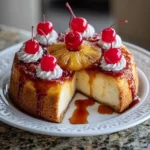
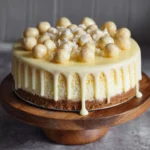
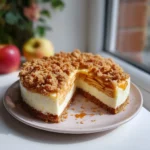
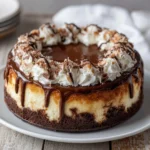
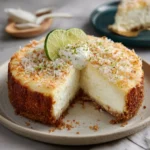
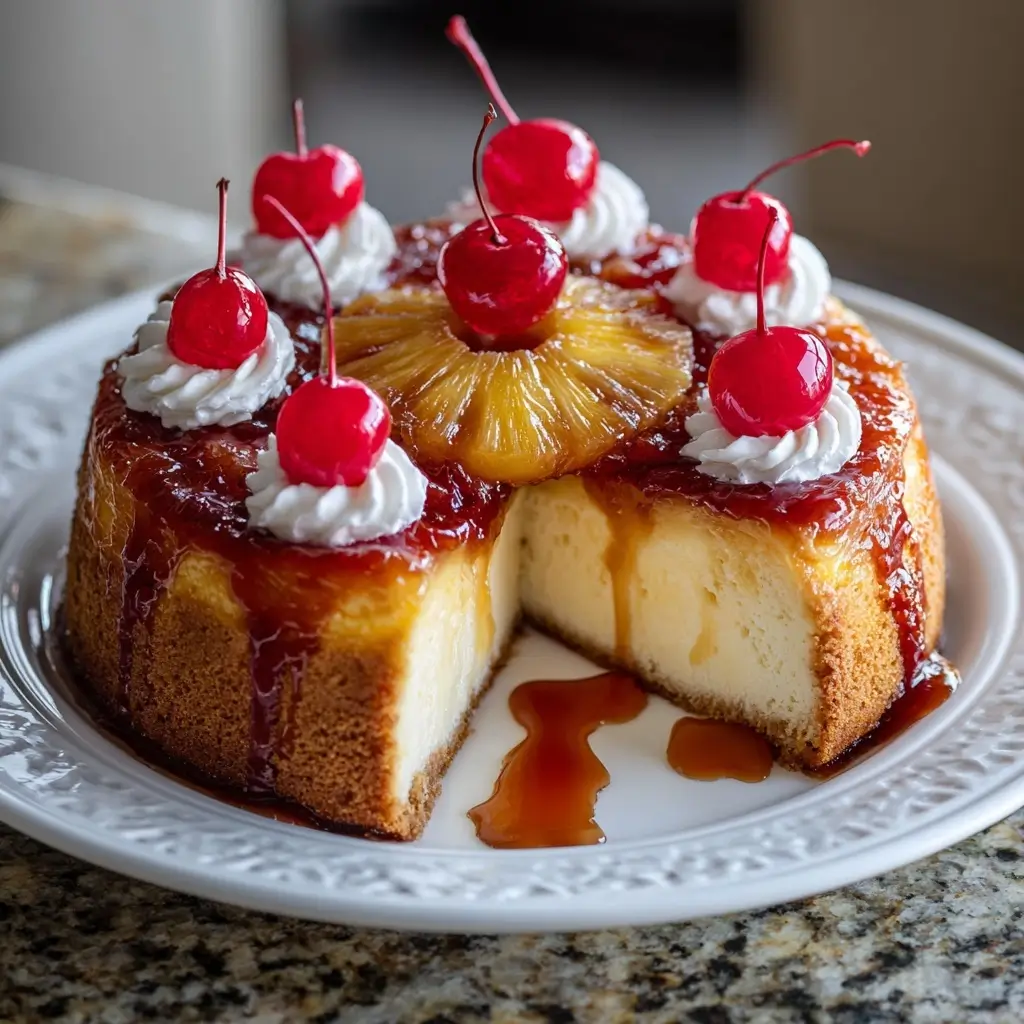
Welcome to the ultimate fusion dessert experience: Pineapple Upside-Down Cheesecake — a showstopping marriage of two beloved classics. This decadent, visually stunning confection combines the caramelized tropical charm of a traditional pineapple upside-down cake with the luxuriously creamy, tangy depth of New York–style cheesecake. Imagine golden brown, buttery-sweet pineapple rings and maraschino cherries nestled atop a rich, velvety layer of baked cheesecake, all resting on a graham cracker crust that’s been kissed with brown sugar and toasted coconut for extra dimension. Whether you’re hosting a summer soirée, celebrating a milestone birthday, or simply treating yourself to something extraordinary, this dessert delivers drama, nostalgia, and unforgettable flavor in every forkful.
The History
The roots of this inventive hybrid stretch across decades and culinary traditions. The classic pineapple upside-down cake surged to national fame in the 1920s after the Dole Pineapple Company launched a nationwide recipe contest in 1925 — awarding $50 to the best way to use canned pineapple. The winning entry (featuring brown sugar, butter, pineapple, and cherries) became an instant icon of mid-century American baking, symbolizing accessibility, ingenuity, and tropical escapism during times of economic constraint.
Meanwhile, cheesecake boasts ancient origins — dating back to Ancient Greece, where it was served to athletes at the first Olympic Games in 776 BC — before evolving through Roman, Medieval European, and ultimately 20th-century New York iterations. The modern American baked cheesecake, with its dense yet tender crumb and signature crack-free surface, solidified its status as a dessert cornerstone by the 1950s.
The Pineapple Upside-Down Cheesecake emerged organically in the late 1980s and early 1990s as home bakers and test kitchens began experimenting with structural innovation — flipping the script (literally) by reversing the layer order: instead of fruit *on top* of cake batter, they placed the fruit *beneath* the cheesecake filling, so that upon unmolding, the glossy, caramelized topping becomes the dazzling crown. Food magazines like Bon Appétit and Martha Stewart Living featured early variations in the mid-’90s, and the dessert gained viral momentum in the 2010s via Pinterest and food blogs — praised not only for its photogenic appeal but also for its textural contrast and balanced sweetness-acidity profile.
Ingredients Breakdown
Every element in this dessert plays a precise role — from structure and stability to moisture control, flavor harmony, and visual allure. Below is a detailed functional analysis:
- Graham Cracker Crust Base: Provides structural integrity, absorbs excess moisture, and offers a subtly sweet, toasty counterpoint. The addition of melted butter ensures cohesion and richness, while a touch of ground cinnamon enhances warmth without overpowering.
- Brown Sugar Butter Layer: The secret engine of caramelization. When heated, the brown sugar melts into a viscous, molasses-rich syrup that bubbles around the pineapple, transforming into a glossy, amber glaze during baking. Unsalted butter contributes fat for tenderness and aids in even heat transfer.
- Fresh Pineapple Rings (or High-Quality Canned): Fresh pineapple contains bromelain — an enzyme that can interfere with gelatin set, but since this is a *baked* cheesecake (not no-bake), enzymatic activity is fully denatured by heat. Canned pineapple in juice (not syrup) is often preferred for consistent texture and controlled sweetness; its gentle acidity balances the richness beautifully.
- Maraschino Cherries: More than just nostalgic garnish — their bright red hue creates visual pop, and their mild almond-like flavor (from maraschino liqueur infusion) adds aromatic complexity. Draining and patting them dry prevents excess liquid from disrupting the caramel layer.
- Cream Cheese (Full-Fat, Room Temperature): The heart of the filling. Must be truly softened (65–70°F) to ensure lump-free blending and proper emulsification. Low-fat versions yield grainy, fragile textures and increased risk of cracking.
- Sour Cream & Heavy Cream: Sour cream adds subtle tang and moisture retention; heavy cream contributes unctuous mouthfeel and helps regulate protein coagulation for smoother setting. Together, they prevent the cheesecake from becoming overly dense or rubbery.
- Granulated Sugar: Not only sweetens but also aids in aeration during mixing and stabilizes the egg proteins. Fine granulated (caster) sugar integrates more seamlessly than coarse varieties.
- Eggs (Large, Room Temperature): Act as both binder and leavening agent. Their proteins coagulate gradually during slow baking, providing lift and structure. Cold eggs risk curdling the warm cream cheese mixture.
- Vanilla Extract & Pure Almond Extract: Vanilla grounds the flavor profile with warmth and depth; almond extract — used sparingly — echoes the maraschino cherry notes and elevates the tropical character without tasting artificial.
- Sea Salt (Flaky or Fine): A critical balancing agent that heightens sweetness, suppresses bitterness, and enhances all other flavors. Even ¼ tsp makes a perceptible difference in overall sophistication.
- Lemon Juice & Zest: Bright acidity cuts through fat, prevents cloyingness, and amplifies the pineapple’s natural brightness. Freshly grated zest adds volatile citrus oils — an aromatic lift that transforms the entire sensory experience.
Step-by-Step Recipe
- Prep & Preheat: Position oven rack in center position. Preheat oven to 325°F (163°C). Generously grease the bottom and sides of a 9-inch springform pan with unsalted butter, then line the bottom with parchment paper (cut to fit perfectly) and lightly butter the parchment.
- Make the Crust: In a medium bowl, combine 1 ½ cups finely crushed graham crackers (about 12 full sheets), ¼ cup light brown sugar, ¼ tsp fine sea salt, and 1 tbsp toasted, finely shredded coconut (optional but recommended). Pour in 6 tbsp (85g) melted unsalted butter and stir until all dry ingredients are evenly moistened and the mixture resembles wet sand. Press firmly and evenly into the bottom of the prepared pan using the back of a flat measuring cup or small glass. Chill uncovered for at least 20 minutes (or up to 2 hours) to set.
- Prepare the Caramel Layer: In a small saucepan over medium-low heat, combine ½ cup (100g) packed light brown sugar and 4 tbsp (57g) unsalted butter. Stir constantly until butter melts and sugar dissolves completely (about 3–4 minutes). Remove from heat and stir in 1 tsp pure vanilla extract and a pinch of flaky sea salt. Let cool slightly (2–3 minutes) — it should remain fluid but no longer scalding hot.
- Arrange the Fruit: Pat 4–6 pineapple rings (¾-inch thick, ~2.5 inches in diameter) and 4–6 maraschino cherries completely dry with paper towels. Pour the warm caramel mixture into the chilled crust and tilt pan gently to spread evenly. Arrange pineapple rings in a circular pattern over the caramel, slightly overlapping at edges if needed. Nestle one cherry into the center of each ring. Refrigerate for 10 minutes to partially set caramel and secure fruit.
- Prepare Cheesecake Batter: Using a stand mixer fitted with paddle attachment (or hand mixer with large bowl), beat cream cheese on medium speed until completely smooth and creamy (2–3 minutes), scraping bowl thoroughly. Add granulated sugar and beat 2 minutes more until fluffy. Add sour cream, heavy cream, lemon zest, lemon juice, vanilla, and almond extract; beat on medium until fully incorporated (~1 minute). One at a time, add eggs, beating on low speed just until yolk disappears (about 15 seconds per egg), scraping bowl after each addition. Overmixing at this stage introduces air bubbles that cause cracks. Finally, sift in 2 tbsp all-purpose flour and ¼ tsp fine sea salt; fold gently with spatula just until no streaks remain.
- Pour & Bake: Carefully pour batter over chilled fruit layer, spreading evenly with offset spatula. Tap pan firmly on counter 3–4 times to release trapped air bubbles. Place springform pan inside a larger roasting pan. Fill roasting pan with 1–1.5 inches of hot (not boiling) water — creating a gentle, even steam bath (bain-marie) that prevents cracking and ensures silky texture. Carefully slide into preheated oven.
- Bake with Precision: Bake for 1 hour 15 minutes — the edges should be set and lightly puffed, while the center remains softly jiggly (like firm Jell-O) when gently nudged. Turn off oven, crack door open 1 inch with a wooden spoon handle, and let cheesecake rest in oven for 1 hour. This gradual cooling prevents thermal shock and surface fissures.
- Chill Thoroughly: Remove from water bath, run thin knife around inner edge to loosen, then cool completely at room temperature (~1 hour). Cover loosely with plastic wrap and refrigerate for *minimum 12 hours*, preferably 24–48 hours. This extended chill allows flavors to meld, texture to fully set, and caramel layer to achieve optimal glossy, sliceable consistency.
- Unmold with Confidence: Run thin, flexible metal spatula under crust to fully detach from pan bottom. Loosen outer latch and carefully remove springform ring. Place serving plate on top of cake, then invert swiftly and confidently. Lift pan off — the caramelized pineapple and cherries should now gleam gloriously on top. If any caramel clings to pan bottom, gently scrape onto cake with offset spatula. For clean slices, dip sharp knife in hot water and wipe dry between each cut.
Tips
- Room Temperature Is Non-Negotiable: All dairy and eggs must be at true room temperature (65–70°F). Take cream cheese out 3–4 hours ahead; eggs 1 hour ahead. Microwaving cream cheese is risky — uneven softening leads to lumps and graininess.
- Crust Consistency Matters: Your graham cracker crumbs should be fine as flour — coarse pieces won’t bind well. Pulse in food processor in short bursts; avoid overheating crumbs.
- Caramel Timing is Critical: Do not pour caramel while piping hot — it may melt the crust or cause premature bubbling. Slightly cooled (but still pourable) is ideal. If it begins to harden before arranging fruit, re-warm over low heat for 10–15 seconds.
- No Rush on Chilling: Skipping or shortening the overnight chill yields a fragile, crumbly slice and duller flavor development. For best results, bake on Day 1 and serve on Day 3.
- Water Bath Mastery: Use hot (not boiling) water to avoid sudden steam surges. Wrap the *outside* of your springform pan tightly in two layers of heavy-duty aluminum foil — going up the sides at least 3 inches — to prevent leaks. Double-check for pinholes before placing in roasting pan.
- Avoid Overmixing: Once eggs are added, mix only until combined. Excess agitation incorporates too much air, causing the cheesecake to rise dramatically and then collapse — resulting in cracks and sunken centers.
- Steam Release Strategy: After oven-off cooling, let cake sit at room temp *before* refrigerating — otherwise condensation forms under plastic and blurs the caramel sheen.
- Slicing Like a Pro: Use a long, thin-bladed chef’s knife or dedicated cheesecake wire cutter. Wipe blade clean with hot, damp cloth after every slice — never saw back and forth.
- Freezing for Future Joy: Fully chilled, uncut cheesecake (still in springform base, wrapped in plastic + foil) freezes beautifully for up to 3 months. Thaw overnight in fridge before unmolding and serving.
Variations and Customizations
This versatile canvas invites endless creativity — whether adapting to dietary needs, seasonal produce, or global flavor inspirations:
- Tropical Twist: Replace maraschino cherries with fresh candied ginger slices and toasted macadamia nuts. Add 1 tbsp toasted coconut flakes to crust and 1 tsp coconut extract to batter.
- Spiced Rum Infusion: Soak pineapple rings in 2 tbsp dark rum + 1 tsp brown sugar for 20 minutes before arranging. Add ½ tsp ground cinnamon + ¼ tsp ground nutmeg to crust.
- Berry-Bright Version: Swap half the pineapple for thinly sliced fresh mango or kiwi (pat extremely dry). Top finished cake with a glossy passionfruit coulis or raspberry reduction.
- Gluten-Free Adaptation: Use certified GF graham-style crackers or gluten-free vanilla wafers for crust. Substitute GF oat flour or almond flour blend (1:1 ratio) for the 2 tbsp all-purpose flour in batter.
- Vegan Reinvention: Crust: GF oats + almond butter + maple syrup. Caramel: date paste + coconut oil + coconut sugar. Filling: soaked cashews + silken tofu + coconut cream + lemon + agar-agar (set chilled, not baked). Fruit layer unchanged.
- Mini Mason Jar Edition: Scale down for individual servings — use 4 oz wide-mouth mason jars. Layer caramel, mini pineapple chunks, and single cherry per jar, then fill ¾ full with batter. Bake in water bath at 325°F for 30–35 minutes. Chill 8+ hours.
- Smoked Brown Sugar Crust: Use smoked brown sugar in both caramel and crust for deep, campfire-inspired nuance — pairs exquisitely with grilled pineapple.
- Matcha-Mango Swirl: Reserve ½ cup batter, stir in 1 tsp culinary-grade matcha + 1 tsp honey. Dollop over poured batter and marble gently with toothpick before baking.
- Brunch-Forward: Add 1 tsp orange zest + 1 tbsp Grand Marnier to batter. Top with candied orange peel and edible orchid blossoms.
Health Considerations and Nutritional Value
While undeniably indulgent, thoughtful ingredient choices and portion awareness allow Pineapple Upside-Down Cheesecake to fit meaningfully into a balanced lifestyle:
- Nutrient Highlights: Pineapple contributes vitamin C (immune support), manganese (bone health and antioxidant enzymes), and bromelain (digestive aid — though diminished by heat, residual compounds may retain mild anti-inflammatory properties). Greek yogurt can substitute for part of the sour cream to boost protein and probiotics.
- Sugar Intelligence: The recipe uses significantly less added sugar than traditional versions — relying on pineapple’s natural fructose and brown sugar’s molasses minerals rather than refined white sugar overload. Total added sugar per standard slice (1/12th): ~24g — comparable to many bakery cupcakes.
- Fat Profile: Primarily unsaturated fats from real butter and cream, plus small amounts of conjugated linoleic acid (CLA) — associated in studies with metabolic benefits. Optional additions like toasted coconut provide lauric acid, known for antimicrobial properties.
- Portion Mindfulness: A generous 1/12 slice (~220g) contains approximately: 420–460 calories, 28–32g total fat (17–19g saturated), 42–46g carbohydrates (30–34g sugars), 6–8g protein, and 220–260mg sodium. Pairing with fresh berries or a light citrus salad adds fiber and phytonutrients without extra calories.
- Dietary Modifications: Lower-sugar options include erythritol-blend sweeteners in crust/caramel (note: may reduce caramel gloss) and monk fruit in filling. For reduced saturated fat, substitute ¼ cup of heavy cream with unsweetened almond milk — though texture will be lighter and less luxurious.
- Allergen Notes: Contains dairy, eggs, wheat (in graham crackers), and tree nuts (if using coconut or almond extract — check labels). Always verify maraschino cherry ingredients for corn syrup, sulfites, or artificial dyes if sensitive.
- Mindful Enjoyment Principle: Research consistently shows that restrictive eating increases cravings, whereas savoring a high-quality, intentionally crafted treat — slowly and without guilt — promotes greater long-term satisfaction and metabolic harmony.
Ingredients
For the Crust:
- 1 ½ cups (150g) finely crushed graham cracker crumbs (about 12 full sheets)
- ¼ cup (50g) light brown sugar, packed
- ¼ tsp fine sea salt
- 1 tbsp toasted, finely shredded unsweetened coconut (optional but recommended)
- 6 tbsp (85g) unsalted butter, melted
For the Caramel Layer:
- ½ cup (100g) light brown sugar, packed
- 4 tbsp (57g) unsalted butter
- 1 tsp pure vanilla extract
- Pinch of flaky sea salt
For the Fruit Topping:
- 4–6 fresh pineapple rings (¾-inch thick, ~2.5 inches in diameter) OR high-quality canned pineapple rings in juice, well-drained and patted bone-dry
- 4–6 maraschino cherries, well-drained and patted bone-dry
For the Cheesecake Filling:
- 24 oz (680g) full-fat brick-style cream cheese, room temperature
- 1 cup (200g) granulated sugar
- 1 cup (240g) full-fat sour cream, room temperature
- ½ cup (120ml) heavy cream (36–40% fat), room temperature
- 3 large eggs, room temperature
- 2 tbsp (15g) all-purpose flour
- 1 tbsp (6g) finely grated lemon zest (from 2–3 organic lemons)
- 2 tbsp (30ml) fresh lemon juice
- 1 ½ tsp pure vanilla extract
- ¼ tsp pure almond extract
- ¼ tsp fine sea salt
Directions
- Preheat oven to 325°F (163°C). Grease a 9-inch springform pan generously with unsalted butter; line bottom with parchment paper and butter parchment.
- In a medium bowl, combine graham cracker crumbs, brown sugar, salt, and coconut (if using). Stir in melted butter until mixture resembles wet sand. Press evenly into pan bottom. Chill 20 minutes.
- Make caramel: In small saucepan over medium-low heat, combine brown sugar and butter. Stir constantly until dissolved and smooth (~3–4 min). Remove from heat; stir in vanilla and pinch of salt. Cool 2–3 minutes.
- Pour caramel into chilled crust. Arrange pineapple rings and cherries on top. Refrigerate 10 minutes.
- Beat cream cheese until smooth (2–3 min). Add sugar; beat 2 min more until fluffy. Add sour cream, heavy cream, lemon zest, lemon juice, vanilla, almond extract, and salt; beat 1 min. Add eggs one at a time, beating just until incorporated (15 sec each), scraping bowl. Sift in flour; fold gently until no streaks remain.
- Pour batter over fruit. Tap pan firmly. Place in roasting pan; add 1–1.5 inches hot water. Bake 1 hr 15 min — edges set, center softly jiggly.
- Turn oven off. Crack door open 1 inch with spoon handle. Rest 1 hour.
- Cool completely on wire rack (~1 hr). Cover loosely; refrigerate minimum 12 hrs, ideally 24–48 hrs.
- To unmold: Run thin spatula under crust. Loosen springform latch. Invert onto serving plate. Lift pan. Serve chilled with optional garnishes.
FAQ
- Can I make this without a water bath?
- Technically yes — but strongly discouraged. Skipping the water bath dramatically increases risk of cracks, dry edges, and uneven baking. If absolutely necessary, place a shallow pan of hot water on the lowest oven rack while baking, and reduce oven temp to 300°F — but expect less creamy texture and higher fragility.
- Why did my caramel layer sink or disappear?
- This usually happens if the caramel was too hot when poured (melting the crust) or if the fruit wasn’t thoroughly dried — excess moisture dilutes the syrup. Ensure caramel is warm but not scalding, and always pat fruit completely dry.
- Can I use frozen pineapple?
- Frozen pineapple releases significant water when thawed, which breaks the caramel emulsion and causes sogginess. Always use fresh or canned in juice — never syrup (too sweet) or frozen.
- My cheesecake cracked on top — what went wrong?
- Most common causes: overmixing after adding eggs, cooling too quickly (skip the oven-off rest!), opening oven door too soon, or insufficient flour (which stabilizes proteins). Also check oven calibration — even 25°F variance affects outcome.
- How do I store leftovers?
- Cover tightly with plastic wrap or place in airtight container. Refrigerate up to 5 days. For longer storage, freeze whole or sliced (wrap individually in plastic + foil) up to 3 months. Thaw overnight in fridge.
- Can I prepare components ahead?
- Absolutely! Crust can be baked and chilled up to 2 days ahead. Caramel can be made and refrigerated up to 5 days — gently rewarm before using. Fruit can be arranged and refrigerated up to 4 hours before batter is added.
- What’s the best way to transport this to a party?
- Keep fully chilled until departure. Transport upright in insulated cooler with ice packs. Unmold *only* at destination — it’s far sturdier in the pan. Bring a long knife, hot towel, and small bowl of hot water for clean slicing on-site.
- Is there a lower-fat version that still tastes great?
- You can substitute low-fat cream cheese and reduced-fat sour cream — but expect a grainier texture and less luxurious mouthfeel. For better results, try replacing only ¼ cup heavy cream with unsweetened almond milk and keep all other dairy full-fat.
- Can I add a streusel or nut topping?
- Not recommended — the delicate balance relies on the clean separation between caramel, fruit, and cheesecake. A streusel would absorb moisture and obscure the signature upside-down reveal. Instead, garnish *after* unmolding with toasted coconut, chopped pecans, or crystallized ginger.
- What wine or beverage pairs best?
- A chilled off-dry Riesling balances sweetness and acidity beautifully. For non-alcoholic options: sparkling lemon-ginger water, cold hibiscus iced tea, or coconut water with lime.
Summary
Pineapple Upside-Down Cheesecake is a masterclass in layered luxury — where golden caramelized pineapple and vibrant cherries crown a cloud-soft, tangy-sweet cheesecake built on a spiced graham cracker-coconut crust, all elevated by slow-baked precision and patient chilling.
It honors tradition while daring to innovate — delivering nostalgia, spectacle, and soul-satisfying flavor in equal measure, making it not just a dessert, but a cherished centerpiece worthy of celebration, memory-making, and repeat baking.