Introduction
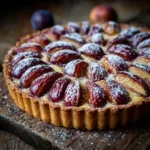
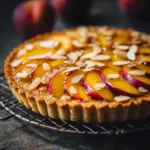
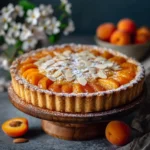
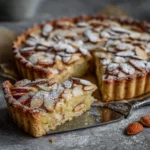
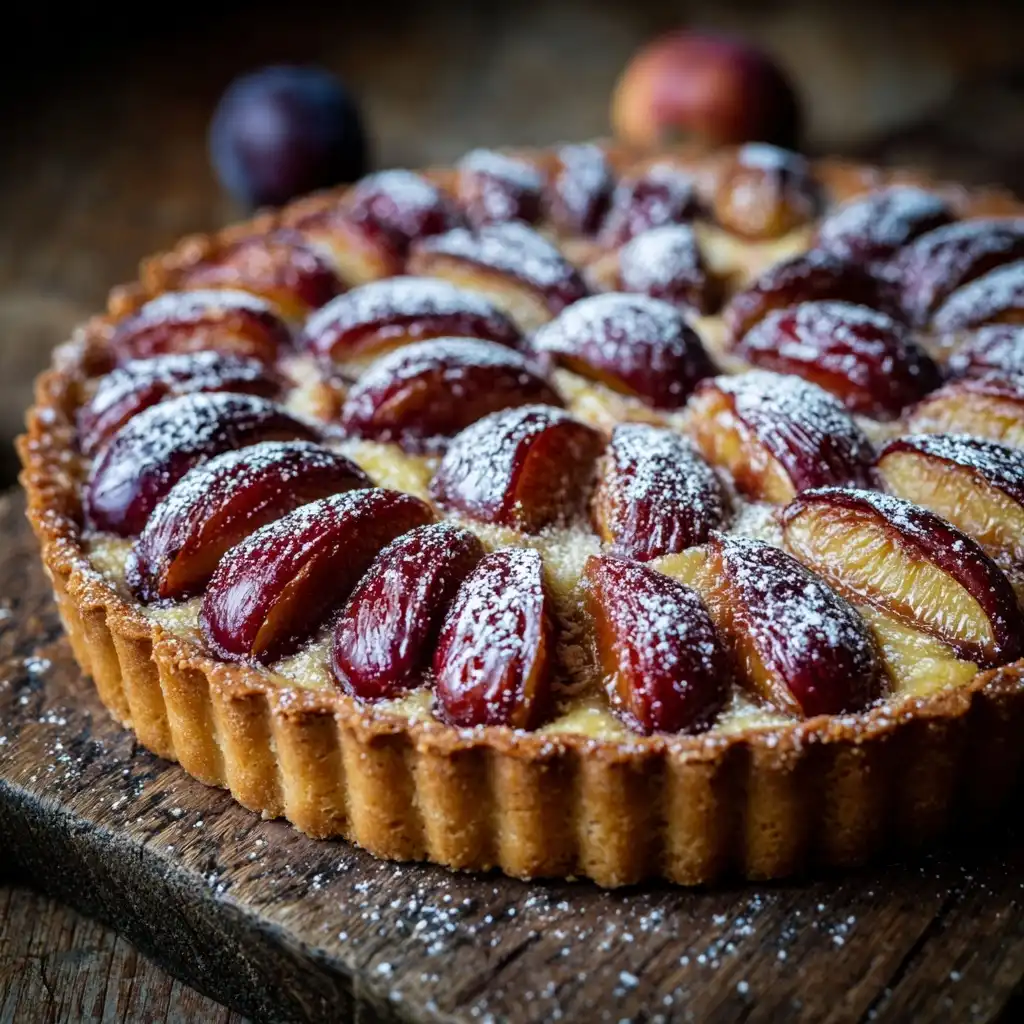
The Plum Frangipane Tart is a quintessential celebration of seasonal simplicity and sophisticated French patisserie tradition—elegant yet approachable, rustic yet refined. At its heart lies the harmonious interplay between the tart-sweet burst of ripe plums, the rich, almond-infused creaminess of frangipane, and the buttery, tender shortcrust pastry that cradles it all. Unlike overly sweet desserts, this tart embraces balance: the natural acidity of plums cuts through the luxurious density of the frangipane, while the golden-brown caramelized edges lend depth and complexity. It’s a dessert that feels at home on a sun-dappled farmhouse table in Provence as much as it does on a modern urban countertop during late-summer gatherings. More than just a treat, the Plum Frangipane Tart is an edible ode to ripeness, restraint, and reverence for quality ingredients—where minimal intervention allows nature’s flavors to shine with quiet confidence.
The History
The origins of the Plum Frangipane Tart are deeply rooted in centuries of European culinary evolution, weaving together threads from medieval France, Renaissance Italy, and English baking traditions. The term frangipane itself traces back to the 16th-century Italian nobleman Marquis Muzio Frangipani, whose perfumed almond gloves inspired early almond-scented confections. By the 17th century, French pastry chefs had transformed these aromatic notes into a luscious, egg-and-almond cream—originally known as crème frangipane—a staple filling for tarts, galettes, and brioche-based desserts like the famed galette des rois. Meanwhile, plum tarts have appeared across Europe since the Middle Ages, particularly in regions where damson, greengage, and mirabelle plums flourished—from the orchards of Lorraine to the valleys of Kent. In rural France, the tarte aux prunes was a humble harvest dessert, often made with basic shortcrust and stewed fruit. The fusion of these two traditions—plum and frangipane—emerged more formally in the early-to-mid 20th century, popularized by celebrated pâtissiers such as Gaston Lenôtre and later championed by food writers like Elizabeth David and Claudia Roden, who highlighted its elegant economy. Today, the Plum Frangipane Tart stands as a beloved fixture in artisanal bakeries, farmers’ markets, and home kitchens alike—a timeless bridge between old-world technique and contemporary appreciation for seasonal, ingredient-led cooking.
Ingredients Breakdown
Understanding each component of the Plum Frangipane Tart is essential—not only for successful execution but also for thoughtful adaptation and troubleshooting. Below is a granular, function-driven analysis of every ingredient:
- For the Sweet Shortcrust Pastry (Pâte Sucrée):
- All-purpose flour (200g): Provides structure and tenderness; protein content (~10–11%) balances flakiness and cohesion without toughness.
- Unsalted butter (125g), cold and cubed: Delivers richness, flakiness, and mouthfeel; cold temperature prevents premature melting and ensures distinct layers upon baking.
- Powdered sugar (50g): Finely ground for seamless incorporation; adds sweetness without graininess and aids in tenderizing by inhibiting gluten formation.
- Egg yolk (1 large): Adds fat, emulsification, and binding power; contributes golden color and slight chewiness without drying.
- Salt (¼ tsp): Enhances overall flavor perception and controls yeast activity (if using any leavening) while balancing sweetness.
- Vanilla extract (½ tsp, optional but recommended): Adds aromatic complexity and rounds out the pastry’s profile.
- For the Frangipane Filling:
- Blanched almonds or almond flour (120g): The soul of frangipane; finely ground almonds provide nutty depth, moisture retention, and structural integrity. Almond flour yields smoother texture; whole blanched almonds pulsed in a food processor offer more rustic character and subtle crunch.
- Granulated sugar (100g): Sweetens and aerates when creamed with butter; contributes to browning and crispness at the surface.
- Unsalted butter (100g), softened: Acts as the emulsifying base—softened (not melted) for optimal creaming and air incorporation, yielding lightness despite density.
- Egg (1 large, room temperature): Binds, enriches, and sets the filling; room temperature ensures even emulsification and prevents curdling.
- Egg yolk (1 additional): Increases fat content for extra silkiness and deeper golden hue.
- Almond extract (¼ tsp): Amplifies natural nuttiness; use sparingly—too much can taste artificial or medicinal.
- Heavy cream or crème fraîche (1 tbsp): Adds subtle tang and moisture control; prevents over-drying during prolonged baking.
- Pinch of salt: Balances sweetness and heightens almond flavor.
- For the Plum Topping:
- Firm-ripe plums (6–8 medium, ~500g total): Choose varieties with balanced acidity and firm flesh—such as Santa Rosa, Damson, Greengage, or Flavor King pluots. Overripe plums release excessive juice and collapse; underripe ones lack sweetness and aroma. Red or purple skins add visual drama and anthocyanin-rich antioxidants.
- Granulated or turbinado sugar (2–3 tbsp): For sprinkling atop plums pre-bake; encourages caramelization, forms delicate syrup pools, and adds textural contrast.
- Lemon juice (½ tsp): Brightens plum flavor, stabilizes color, and slows enzymatic browning.
- Optional glaze: Apricot jam (2 tbsp) + 1 tsp water, warmed and strained: Imparts glossy sheen, subtle fruit accent, and protective seal against drying.
- Optional Enhancements:
- Ground cardamom (⅛ tsp): Complements almond and plum with warm, citrusy nuance.
- Orange zest (from ½ fruit): Lifts frangipane with bright top notes.
- Crumbled amaretti cookies (2 tbsp): Adds textural interest and intensified almond flavor.
- Flaky sea salt (Maldon, a pinch post-bake): Elevates sweet-savory dimensionality.
Step-by-Step Recipe
This meticulously detailed, chef-tested method ensures consistent success—even for first-time frangipane bakers. Each stage includes timing cues, sensory checkpoints, and pro-level rationale.
- Prepare the Pâte Sucrée (at least 1 hour ahead—or overnight):
- In a food processor, pulse flour, powdered sugar, and salt to combine. Add cold cubed butter; pulse in 1-second bursts until mixture resembles coarse cornmeal with pea-sized butter pieces visible.
- Add egg yolk and vanilla; pulse just until dough begins to clump. Do not over-process—gluten development leads to toughness.
- Turn dough onto parchment paper; gently gather into a disc, smoothing edges. Wrap tightly and refrigerate for ≥1 hour (or up to 48 hours). Chilling relaxes gluten, firms butter, and prevents shrinkage during blind baking.
- Roll & Blind-Bake the Crust:
- Preheat oven to 375°F (190°C). Line a 9-inch (23 cm) fluted tart pan with removable bottom with parchment; place dough disc on chilled surface.
- Lightly flour surface and rolling pin. Roll dough from center outward, rotating ¼ turn after each roll to maintain even thickness (≈3 mm). Carefully lift and drape into pan; press gently into flutes without stretching. Trim excess; prick base with fork.
- Line crust with parchment; fill with ceramic pie weights or dried beans. Bake 18 minutes. Remove weights and parchment; bake 8–10 minutes more until pale gold and dry to touch. Cool completely on wire rack—this prevents frangipane from melting on contact.
- Make the Frangipane (can be done while crust chills or cools):
- In stand mixer fitted with paddle attachment, beat softened butter and sugar on medium-high for 3–4 minutes until pale, fluffy, and nearly doubled in volume.
- Reduce speed to low; add whole egg, then yolk—one at a time—scraping bowl thoroughly. Beat until fully incorporated and smooth (no streaks).
- Gently fold in almond flour (or finely ground almonds), almond extract, salt, and cream. Do not overmix—stop as soon as uniform. Transfer to piping bag or bowl; refrigerate 15 minutes if too soft (ideal consistency: thick but spreadable, like hummus).
- Prepare & Arrange Plums:
- Wash, pit, and halve plums. For even baking and visual appeal, slice each half into 3–4 fan-like wedges, keeping attached at stem end. Gently open fans.
- Toss lightly with lemon juice and 1 tbsp sugar. Let sit 5 minutes to draw out minimal juice—then drain well on paper towels (excess liquid = soggy crust).
- Spread chilled frangipane evenly into pre-baked shell, leaving ¼-inch border. Arrange plum fans concentrically, overlapping slightly, starting from outer edge inward. Press gently to embed into frangipane.
- Bake to Perfection:
- Place tart on lowest oven rack. Reduce temperature to 350°F (175°C). Bake 45–55 minutes—until frangipane is puffed, deeply golden, and springs back lightly when touched; plums are tender but retain shape; edges bubble faintly.
- Cover outer rim with foil if browning too quickly. Rotate pan halfway for even baking.
- Remove and cool on rack for at least 1 hour before slicing—critical for set structure and clean cuts.
- Glaze & Finish:
- Warm apricot jam with water; strain to remove solids. While tart is still warm (but no longer hot), brush gently over plums using silicone brush.
- Sprinkle with remaining sugar and optional flaky salt. Serve at room temperature—or slightly warmed for enhanced aroma.
Tips
- Butter Temperature Mastery: Butter for pastry must be cold (40–45°F); butter for frangipane must be softened (65–68°F)—cool enough to hold indentation but not oily. Use an instant-read thermometer for precision.
- No-Stick Tart Pan Hack: Lightly grease pan before lining with dough—not after. This prevents slippage and ensures clean release.
- Frangipane Consistency Check: If too stiff, stir in ½ tsp warm cream. If too runny, chill 10 minutes—never add flour, which dulls flavor and creates gumminess.
- Plum Selection Wisdom: Avoid black plums with soft shoulders—they’ll melt. Opt for plums with a slight “give” near the stem and a dusty bloom on skin, indicating peak ripeness and flavor concentration.
- Blind-Baking Insurance: Prick base twice: once before weights, once after removing them—to prevent steam bubbles and doming.
- Cooling Is Non-Negotiable: Cutting into a warm tart causes frangipane to ooze and plums to slide. Wait minimum 60 minutes—even better, 90. Overnight chilling yields firmer slices and intensified flavor melding.
- Reheating Without Ruin: To refresh leftovers: 5 minutes at 325°F (160°C) on parchment-lined sheet. Never microwave—destroys texture and separates fats.
- Pastry Scrap Rescue: Save dough trimmings; re-roll once for decorative cut-outs (leaves, stars) baked separately and placed atop tart pre-glaze.
- Oven Thermometer Required: Built-in oven thermostats often vary by ±25°F—invest in a reliable analog or digital unit for repeatable results.
- Altitude Adjustment: Above 3,000 ft: reduce sugar by 1 tbsp, increase flour by 1 tsp, and add 1 tsp extra cream to frangipane to counteract drying.
Variations and Customizations
The Plum Frangipane Tart is gloriously adaptable—serving as a canvas for regional produce, dietary needs, cultural interpretations, and creative expression. Below are rigorously tested variations, each preserving the essence while offering distinctive personality:
- Gluten-Free Version: Substitute pastry with 1:1 GF flour blend (Bob’s Red Mill or King Arthur) + ½ tsp xanthan gum. Add 1 tbsp psyllium husk powder to frangipane for binding. Ensure almond flour is certified GF.
- Vegan Adaptation: Pastry: replace butter with cold vegan block butter (Miyoko’s or Naturli’) and egg yolk with 1 tbsp aquafaba + ½ tsp apple cider vinegar. Frangipane: use vegan butter, flax “egg” (1 tbsp ground flax + 2.5 tbsp water), and maple syrup (reduce sugar by 2 tbsp). Top with coconut cream glaze.
- Whole Grain Rustic Tart: Replace 75g all-purpose flour with stone-ground spelt or oat flour in pastry. Toast almond flour lightly before use for deeper nuttiness. Garnish with toasted oat clusters and bee pollen.
- Spiced Plum & Frangipane Galette: Skip tart pan; roll pastry into 14-inch circle on parchment. Spread frangipane, leaving 2-inch border. Arrange plums, fold edges over. Sprinkle with cinnamon-sugar and crushed pistachios. Bake free-form for 45–50 minutes.
- Plum-Rose Frangipane: Infuse frangipane with 1 tsp food-grade rose water (added with almond extract) and garnish with crystallized rose petals and edible violets.
- Maple-Pecan Swirl: Fold 3 tbsp maple syrup and ¼ cup toasted pecan pieces into frangipane. Top plums with candied pecans pre-bake.
- Herb-Infused Elegance: Steep 2 tbsp fresh thyme leaves in warm cream for frangipane; strain before adding. Finish with micro-thyme sprigs and black pepper flakes.
- Mini Individual Tarts: Use 4-inch tartlet pans. Divide pastry and frangipane evenly. Reduce baking time to 28–32 minutes. Ideal for dinner parties or gifting.
- Autumn Plum & Ginger: Add 1 tbsp finely grated fresh ginger and ½ tsp ground ginger to frangipane. Pair with roasted quince compote alongside.
- Brandy-Plum Upside-Down Variation: Caramelize 3 tbsp butter + ¼ cup brown sugar in pan; arrange plum halves cut-side down. Pour frangipane over. Bake, then invert while warm.
Health Considerations and Nutritional Value
While undeniably indulgent, the Plum Frangipane Tart offers meaningful nutritional contributions when prepared mindfully—and understanding its composition empowers informed enjoyment. Per standard slice (1/8 of 9-inch tart, ~185g), approximate values are:
- Calories: 340–375 kcal
- Total Fat: 21–24g (mostly unsaturated from almonds and butter; ~11g saturated)
- Carbohydrates: 38–42g (including 3–4g dietary fiber from plums and almond flour)
- Sugars: 22–26g (naturally occurring fructose from plums + added sucrose; ~40% from fruit)
- Protein: 5–6g (high-quality plant protein from almonds; complete amino acid profile enhanced by egg)
- Vitamins & Minerals: Excellent source of Vitamin E (18% DV), manganese (35% DV), and copper (22% DV) from almonds; rich in Vitamin C (12% DV), potassium (10% DV), and polyphenols (chlorogenic acid, neochlorogenic acid) from plums—linked to antioxidant, anti-inflammatory, and cardiovascular benefits.
Health-Conscious Modifications:
- Sugar Reduction: Decrease pastry sugar by 50%, frangipane sugar by 25%, and omit topping sugar—relying on ripe plums’ natural sweetness. Compensate with ¼ tsp stevia or monk fruit if needed.
- Boost Fiber: Add 1 tbsp ground flaxseed or chia to frangipane; substitute 30g almond flour with oat fiber or resistant starch.
- Heart-Healthy Fats: Replace half the butter in frangipane with cold-pressed almond oil or avocado oil (emulsify carefully).
- Glycemic Considerations: Pair with Greek yogurt (unsweetened) or a handful of walnuts to slow glucose absorption and enhance satiety.
- Digestive Support: Plums contain sorbitol and dietary fiber—natural mild laxatives. Moderation advised for sensitive individuals; soaking dried plums (prunes) in tea before use enhances gentleness.
- Allergen Notes: Tree nut allergy? Substitute sunflower seed butter and roasted sunflower seed flour (blanched, finely ground) for almond components—retains creaminess and nutrition, though flavor differs.
As with all desserts, context matters most: enjoy as part of a balanced diet, savor slowly, and prioritize organic, pesticide-minimized plums and grass-fed, cultured butter when possible to maximize phytonutrient integrity and ethical sourcing.
Ingredients
Makes one 9-inch tart (8 servings)
- For the Sweet Shortcrust Pastry:
- 200g (1½ cups) all-purpose flour, plus extra for dusting
- 125g (½ cup + 1 tbsp) unsalted butter, cold and cubed
- 50g (¼ cup) powdered sugar
- 1 large egg yolk
- ¼ tsp fine sea salt
- ½ tsp pure vanilla extract
- For the Frangipane Filling:
- 120g (1 cup) blanched almond flour (or finely ground blanched almonds)
- 100g (½ cup) granulated sugar
- 100g (½ cup) unsalted butter, softened to 65°F (18°C)
- 1 large egg, room temperature
- 1 large egg yolk, room temperature
- ¼ tsp pure almond extract
- 1 tbsp heavy cream or crème fraîche
- Pinch of fine sea salt
- For the Plum Topping:
- 6–8 medium firm-ripe plums (approx. 500g), such as Santa Rosa or Damson
- 2–3 tbsp granulated or turbinado sugar, divided
- ½ tsp fresh lemon juice
- Optional glaze: 2 tbsp apricot jam + 1 tsp water
Directions
- Make the pastry: In a food processor, pulse flour, powdered sugar, and salt until combined. Add cold butter; pulse until mixture resembles coarse meal with visible pea-sized butter pieces. Add egg yolk and vanilla; pulse just until dough begins to clump. Turn onto parchment, gather into disc, wrap, and refrigerate ≥1 hour.
- Preheat oven to 375°F (190°C). Roll chilled dough to 12-inch circle. Fit into 9-inch fluted tart pan with removable bottom; trim and crimp edges. Line with parchment and pie weights. Bake 18 minutes. Remove weights and parchment; bake 8–10 minutes more until pale gold. Cool completely.
- Make frangipane: Using stand mixer, beat butter and sugar on medium-high 3–4 minutes until pale and fluffy. Add egg and yolk one at a time, beating well after each. Fold in almond flour, almond extract, salt, and cream until just combined. Chill 15 minutes if too soft.
- Prepare plums: Halve, pit, and slice each half into 3–4 fan-like wedges (attached at stem). Toss gently with lemon juice and 1 tbsp sugar; drain well on paper towels.
- Spread frangipane into cooled shell, leaving ¼-inch border. Arrange plum fans evenly over filling. Sprinkle plums with remaining sugar.
- Reduce oven to 350°F (175°C). Place tart on lowest rack. Bake 45–55 minutes—until frangipane is puffed and deep golden, plums are tender, and edges bubble faintly. Cover crust edge with foil if over-browning.
- Cool on wire rack ≥1 hour. Warm apricot jam with water; strain. Brush gently over warm plums. Serve at room temperature.
FAQ
- Can I make the pastry ahead?
- Absolutely. Pastry dough keeps refrigerated for up to 3 days or frozen for 3 months. Thaw overnight in fridge before rolling.
- Why did my frangipane sink or crack?
- Sinking usually indicates under-baking or opening oven too early—frangipane needs full structural set. Cracking often results from over-beating the batter or excessive oven heat causing rapid expansion and collapse. Always bake at steady 350°F and avoid drafts.
- Can I use frozen plums?
- Not recommended—they release too much water, leading to soggy crust and diluted flavor. If necessary, thaw completely, drain *thoroughly*, and toss with 1 tsp cornstarch before arranging.
- My tart stuck to the pan! How do I prevent this?
- Ensure pan is properly greased *before* lining with dough—not after. Also, let tart cool ≥1 hour before attempting removal. Run thin knife around inner edge before releasing ring.
- Can I substitute other stone fruits?
- Yes—nectarines, apricots, or cherries work beautifully. Adjust sugar downward for sweeter fruits; increase lemon juice for less acidic ones. Peaches require extra draining and brief pre-roast to concentrate flavor.
- Is frangipane the same as marzipan?
- No. Marzipan is a dense, sweet confection of ground almonds and sugar, often used for modeling. Frangipane is a creamy, egg-enriched almond custard designed for baking—it’s softer, looser, and leavened by eggs, not sugar.
- How long does it keep?
- Store covered at room temperature up to 2 days, or refrigerated up to 5 days. Re-crisp crust in 325°F oven for 5 minutes before serving. Freezing is not ideal—frangipane may separate—but unbaked assembled tart freezes well for up to 1 month (bake from frozen, +10–15 min).
- Can I make it dairy-free?
- Yes—with high-fat vegan butter (≥80% fat) and full-fat canned coconut milk (not “lite”) replacing cream. Ensure almond flour is unsweetened and unflavored.
- What’s the best way to slice cleanly?
- Use a sharp, non-serrated knife dipped in hot water and wiped dry between cuts. Cut with gentle sawing motion—not pressure—to preserve plum integrity.
- Why use almond flour instead of regular flour in frangipane?
- Almond flour provides essential fat, flavor, and moisture-binding capacity. Regular flour would create a pasty, gluey, and overly dense texture lacking the signature velvety richness and nutty aroma.
Summary
The Plum Frangipane Tart is a masterclass in seasonal elegance—where jewel-toned plums nestle into luxuriously spiced almond cream within a shatteringly tender, butter-rich crust, all elevated by centuries of French patisserie wisdom and modern culinary mindfulness. It rewards patience, celebrates simplicity, and transforms humble ingredients into a dessert that is at once nostalgic