Introduction
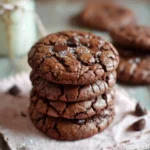
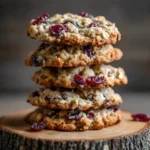
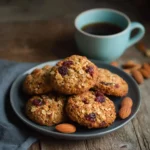
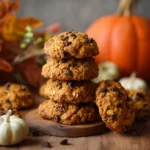
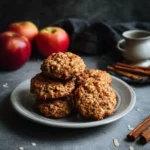
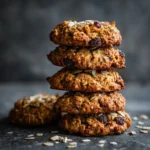
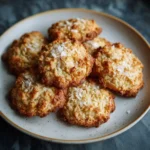
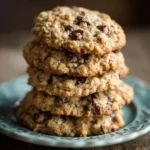
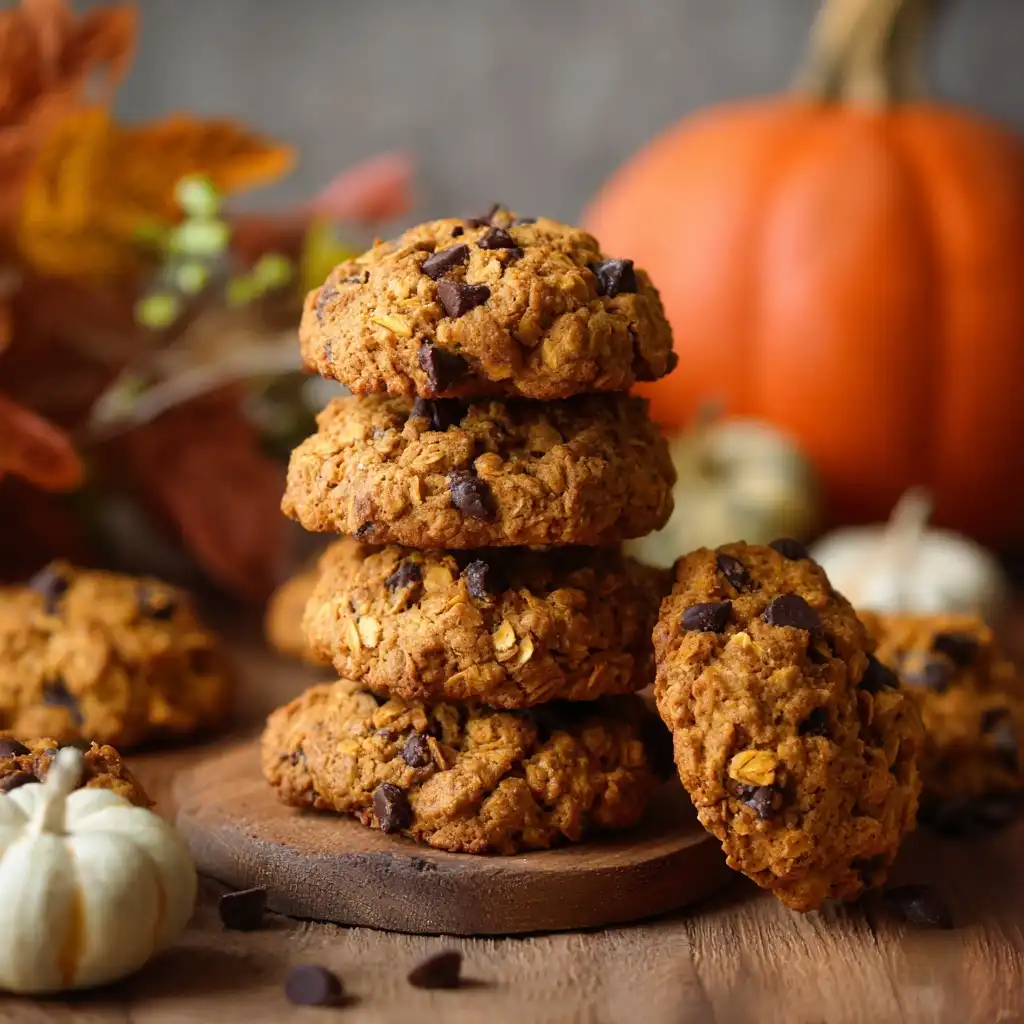
Pumpkin oatmeal cookies are the quintessential autumnal treat—warm, spiced, chewy, and deeply comforting. Blending the earthy sweetness of pure pumpkin purée with the hearty, nutty richness of old-fashioned oats, these cookies strike a perfect balance between wholesome nourishment and indulgent dessert. Whether enjoyed fresh from the oven with a glass of cold milk, packed into lunchboxes, or gifted in festive tins during the holiday season, pumpkin oatmeal cookies evoke nostalgia, home-baked warmth, and seasonal celebration. Their versatility makes them beloved across generations—not only for their irresistible flavor and texture but also for their adaptability to dietary preferences, pantry constraints, and creative experimentation.
The History
The origins of pumpkin oatmeal cookies trace back to the broader evolution of American cookie culture in the early-to-mid 20th century. While oatmeal cookies themselves date to the late 19th century—popularized by companies like Quaker Oats as part of health-conscious marketing campaigns—the incorporation of pumpkin emerged alongside the growing popularity of canned pumpkin purée, first commercially introduced by Libby’s in 1929. By the 1940s and 1950s, home economists and women’s magazines (such as Good Housekeeping and Ladies’ Home Journal) began publishing “harvest-inspired” recipes that combined seasonal produce with pantry staples—pumpkin, cinnamon, ginger, and oats were natural partners in both flavor and function. The Great Depression and WWII rationing further cemented this union: pumpkin added moisture and body without requiring scarce eggs or butter, while oats provided affordable fiber and substance. Over time, the recipe evolved from humble wartime baking into a beloved fall tradition—featured in church cookbooks, school bake sales, and modern food blogs alike. Today, pumpkin oatmeal cookies symbolize more than just seasonal flavor; they represent resourcefulness, comfort, and the enduring appeal of simple, ingredient-driven baking.
Ingredients Breakdown
Every exceptional pumpkin oatmeal cookie begins with intentionality—from sourcing to synergy. Below is an in-depth analysis of each core component, including its functional role, ideal form, and substitution rationale:
- Pumpkin Purée (not pie filling): 1 cup (240g) of 100% pure pumpkin purée provides moisture, natural sweetness, dense structure, and rich beta-carotene. It acts as both binder and tenderizer—reducing gluten development while enhancing shelf life. Avoid sweetened pumpkin pie filling, which contains added sugars, spices, and thickeners that disrupt balance.
- Old-Fashioned Rolled Oats: 3 cups (270g) are non-negotiable for optimal texture. These whole-grain oats retain thickness and chew after baking, unlike quick oats (which turn mushy) or steel-cut oats (which remain too gritty). Gluten-free certified oats are essential for those with celiac disease or sensitivity—note that “gluten-free” labeling is not implied by “oat” alone due to cross-contamination risks.
- All-Purpose Flour (or Whole Wheat Pastry Flour): 1¼ cups (160g) provides necessary gluten structure for lift and cohesion. Substituting up to ½ cup with whole wheat pastry flour adds nuttiness and fiber without compromising tenderness; bread flour would overdevelop gluten and yield toughness, while cake flour lacks sufficient protein for stability.
- Unsalted Butter (Brown Butter Option): ¾ cup (170g), softened to cool room temperature (65–68°F), ensures even creaming and emulsification. Browned butter—simmered until golden-brown solids form—introduces deep caramel and toasted nut notes that elevate complexity without masking spice profiles.
- Brown Sugar (Dark Preferred): 1 cup (220g) delivers molasses-rich moisture, acidity (to activate baking soda), and chew-inducing hygroscopic properties. Dark brown sugar contains more molasses than light, yielding softer, more flavorful cookies with enhanced aroma.
- Granulated Sugar: ½ cup (100g) balances sweetness, promotes spreading, and contributes to crisp edges—a critical contrast to the soft center.
- Eggs (Large, Room Temperature): 2 large eggs supply structure, leavening assistance, and emulsification. Cold eggs can cause batter to curdle; room-temp eggs integrate smoothly and improve volume.
- Pumpkin Pie Spice (Homemade Recommended): 2 tsp freshly blended mix (1 tbsp ground cinnamon, 2 tsp ground ginger, 1 tsp ground nutmeg, ½ tsp ground allspice, ¼ tsp ground cloves) guarantees vibrancy and avoids stale, oxidized pre-ground blends. Individual spices can be adjusted to taste—e.g., extra ginger for brightness, more nutmeg for warmth.
- Baking Soda & Baking Powder: 1 tsp each creates dual-action leavening—soda reacts immediately with acidic pumpkin and brown sugar for initial rise; powder provides secondary lift in the oven for height and openness.
- Salt (Fine Sea Salt): 1 tsp enhances all flavors, balances sweetness, and strengthens gluten bonds. Kosher salt requires volume adjustment (1½ tsp); iodized table salt may impart bitterness.
- Vanilla Extract (Pure, Not Imitation): 2 tsp adds aromatic depth and rounds out spice notes. Bourbon-vanilla or Madagascar bean extract yields superior complexity.
- Optional Add-Ins: 1–1½ cups total of roasted pepitas, chopped walnuts/pecans, dark chocolate chunks (70% cacao), dried cranberries (unsweetened), or crystallized ginger. Toast nuts beforehand to amplify flavor and prevent oil separation.
Step-by-Step Recipe
This meticulously tested method prioritizes texture control, flavor layering, and foolproof execution—even for novice bakers. Yield: ~36 standard cookies (3-inch diameter).
- Prep & Preheat: Line two large baking sheets with parchment paper or silicone baking mats. Position racks in upper and lower thirds of oven. Preheat to 350°F (177°C). Chill dough before scooping—this prevents overspreading and encourages chewy centers.
- Brown the Butter (Optional but Highly Recommended): In a light-colored saucepan, melt butter over medium-low heat. Swirl constantly until foaming subsides and golden-brown specks form at bottom (5–7 minutes). Immediately pour into a heatproof bowl, scraping all browned bits. Cool to room temperature (≈30 minutes)—do not refrigerate to solidify; it must remain fluid enough to cream.
- Cream Wet Ingredients: In a stand mixer fitted with paddle attachment (or large bowl + hand mixer), beat cooled browned butter (or softened regular butter), brown sugar, and granulated sugar on medium-high for 3–4 minutes until fluffy, pale, and aerated. Scrape bowl thoroughly. Add eggs one at a time, beating 1 minute after each addition until fully incorporated and glossy. Mix in vanilla.
- Whisk Dry Ingredients: In a separate large bowl, whisk together flour, oats, pumpkin pie spice, baking soda, baking powder, and salt until fully homogenized and no streaks remain. A fine-mesh sieve helps eliminate clumps and aerates the blend.
- Combine Gradually: With mixer on low, slowly add dry ingredients to wet in three additions, mixing only until *just* combined after each. Overmixing develops gluten → toughness. Use a spatula for final folds to ensure no pockets of flour remain at bottom.
- Fold in Add-Ins: Gently fold in chosen mix-ins (e.g., chocolate and pepitas) by hand using a flexible spatula—this preserves chunk integrity and prevents overworking.
- Chill Dough Thoroughly: Cover bowl tightly and refrigerate for *minimum 2 hours*, ideally 4–24 hours. This hydrates oats, firms butter, relaxes gluten, and concentrates flavors. Dough will be thick, scoopable, and slightly tacky—not sticky.
- Scoop & Space: Using a 2-tablespoon ice cream scoop (or #30 scoop), portion chilled dough into rounded mounds. Place 3 inches apart on prepared sheets—cookies spread significantly. Optional: Gently flatten tops with palm for even baking and classic shape.
- Bake Strategically: Bake one sheet at a time in preheated 350°F oven for 12–14 minutes. Rotate sheet front-to-back halfway through. Cookies are done when edges are set and lightly golden, centers appear puffed and *just* losing sheen (not wet-looking), and tops feel springy—not jiggly—when gently pressed. Underbaking by 30 seconds yields supreme chew; overbaking leads to dryness.
- Cool Completely on Sheets: Let cookies rest on baking sheets for 10 full minutes—this allows carryover cooking and structural setting. Then transfer to wire racks to cool completely (≈30 minutes) before storing or serving. They firm up dramatically as they cool.
Tips
- Oat Quality Matters: Use certified gluten-free rolled oats if needed—and always check expiration dates. Stale oats absorb liquid poorly and yield crumbly, dry cookies.
- Measure Flour Correctly: Spoon flour into measuring cup and level with straight edge—never scoop directly from bag (causes 20–25% over-measurement and dense results).
- Pumpkin Purée Consistency Check: Drain excess liquid from canned pumpkin in a fine-mesh strainer for 10 minutes if it appears watery—excess moisture causes greasiness and poor spread control.
- Room-Temperature Discipline: Eggs, butter, and even pumpkin purée (if refrigerated) should be at consistent cool room temperature (65–68°F) for uniform emulsification.
- Chilling Is Non-Negotiable: Skipping chill time leads to flat, thin, greasy cookies with weak flavor. Overnight chilling improves both texture and taste exponentially.
- Sheet Rotation & Oven Accuracy: Use an oven thermometer—many ovens run hot or cold. Rotating sheets ensures even browning, especially in conventional (non-convection) ovens.
- Don’t Rush Cooling: Removing cookies too soon breaks their delicate structure. That 10-minute sheet rest is foundational to chewy centers and defined edges.
- Batch Baking Efficiency: Scoop dough onto parchment-lined sheets *before* chilling—then freeze unbaked portions for up to 3 months. Bake straight from freezer, adding 1–2 minutes to bake time.
- Flavor Blooming: For next-level depth, toast whole spices (cinnamon sticks, ginger slices, nutmeg) in dry skillet before grinding—then bloom ground spices in warm browned butter for 30 seconds before creaming.
- Uniform Sizing = Uniform Baking: Use a digital scale for precise 45g portions—especially critical for gift baking or professional presentation.
Variations and Customizations
These cookies serve as a canvas for boundless creativity—whether adapting to dietary needs, celebrating global flavors, or honoring personal taste. Each variation maintains structural integrity while offering distinct sensory experiences:
- Vegan Pumpkin Oatmeal Cookies: Replace butter with refined coconut oil (¼ cup melted + ½ cup vegan butter stick), eggs with flax eggs (2 tbsp ground flax + 6 tbsp water, rested 10 min), and use maple syrup (reduce granulated sugar by ¼ cup) for nuanced sweetness. Ensure oats and chocolate are certified vegan.
- Protein-Powered Version: Add 2 scoops (60g) unflavored or vanilla plant-based protein powder + 2 tbsp extra pumpkin purée to compensate for absorption. Reduce flour by ¼ cup. Increases satiety without sacrificing chew.
- Spiced Chai Infusion: Steep 2 chai tea bags in ¼ cup hot milk for 5 minutes; cool completely. Substitute for part of the pumpkin purée (¼ cup) and add ½ tsp ground cardamom + pinch black pepper to spice blend.
- Mediterranean Twist: Swap pumpkin for roasted sweet potato purée; replace cinnamon with 1 tsp ground cumin + ½ tsp smoked paprika; fold in chopped dried figs and toasted pine nuts.
- Maple-Pecan Harvest: Replace granulated sugar with pure maple syrup (reduce pumpkin by 2 tbsp); use toasted pecans and maple-glazed pepitas; finish with flaky sea salt crystals.
- Gluten-Free Adaptation: Use 1:1 gluten-free flour blend (with xanthan gum) + 2 tsp psyllium husk powder (for elasticity); increase oats to 3¼ cups; chill dough 3+ hours for optimal hold.
- Low-Sugar/Keto-Friendly: Substitute erythritol-blend sweetener (1:1 ratio), almond flour (replace ½ cup AP flour), and collagen peptides (2 tbsp) for binding. Add 1 tsp apple cider vinegar to activate soda.
- Mini Cookie Bites: Scoop 1-teaspoon portions for bite-sized versions—bake 8–9 minutes. Ideal for parties, portion control, or toddler snacks.
- Stuffed Surprise: Roll dough around small squares of brie, dulce de leche, or cinnamon-sugar cream cheese—creates decadent molten centers.
- Overnight Oatmeal Cookie Bars: Press dough into parchment-lined 9×13 pan. Bake at 325°F for 28–32 minutes until center springs back. Cool completely, then cut into bars—chewier, easier to transport.
Health Considerations and Nutritional Value
A single standard pumpkin oatmeal cookie (approx. 45g, made with traditional ingredients and dark chocolate) delivers approximately:
- Calories: 165–185 kcal
- Total Fat: 8–9g (mostly unsaturated from oats, nuts, and pumpkin)
- Carbohydrates: 22–25g (including 2–3g dietary fiber from oats + pumpkin)
- Sugars: 11–13g (naturally occurring from pumpkin + added sugars)
- Protein: 2.5–3.5g (enhanced with nuts, seeds, or protein powder)
- Vitamins & Minerals: Excellent source of Vitamin A (from beta-carotene in pumpkin), manganese (oats), magnesium (pumpkin seeds), and antioxidants (cinnamon, cloves, ginger).
Functional Benefits:
- Fiber-Rich Satiety: Beta-glucan in oats slows gastric emptying, stabilizing blood sugar and promoting fullness—ideal for mindful snacking.
- Anti-Inflammatory Spices: Gingerols (ginger), eugenol (cloves), and cinnamaldehyde (cinnamon) possess documented anti-inflammatory and antioxidant activity.
- Nutrient-Dense Swaps: Replacing half the butter with unsweetened applesauce or mashed banana reduces saturated fat while boosting potassium and phytonutrients.
- Glycemic Considerations: Despite natural sugars, the high-fiber, high-fat matrix lowers glycemic load versus refined-sugar cookies—making them more suitable for balanced glucose response.
- Dietary Flexibility: Naturally egg-free variations exist (flax/chia eggs), and dairy-free options maintain richness via coconut oil or cashew butter.
Considerations: Those monitoring sodium should reduce added salt to ½ tsp and choose low-sodium baking powder. Individuals with irritable bowel syndrome (IBS) may benefit from certified low-FODMAP oats and limiting high-FODMAP add-ins (e.g., apples, honey, large quantities of walnuts).
Ingredients
- ¾ cup (170g) unsalted butter, softened—or browned and cooled to room temperature
- 1 cup (220g) packed dark brown sugar
- ½ cup (100g) granulated sugar
- 2 large eggs, room temperature
- 2 tsp pure vanilla extract
- 1 cup (240g) 100% pure pumpkin purée (not pie filling)
- 1¼ cups (160g) all-purpose flour (or gluten-free 1:1 blend)
- 3 cups (270g) old-fashioned rolled oats (certified gluten-free if needed)
- 2 tsp homemade pumpkin pie spice (see breakdown above)
- 1 tsp baking soda
- 1 tsp baking powder
- 1 tsp fine sea salt
- 1–1½ cups add-ins of choice: semi-sweet chocolate chunks, roasted pepitas, chopped pecans, dried cranberries, etc.
Directions
- Line two large baking sheets with parchment paper or silicone baking mats. Preheat oven to 350°F (177°C) with racks in upper and lower thirds.
- (Optional but recommended) Brown butter: Melt butter in light saucepan over medium-low heat, swirling constantly until golden-brown specks form (5–7 min). Pour into heatproof bowl, scraping all browned bits. Cool to room temperature (~30 min).
- In stand mixer with paddle attachment, beat cooled browned butter (or softened butter), brown sugar, and granulated sugar on medium-high 3–4 min until light, fluffy, and pale. Scrape bowl. Add eggs one at a time, beating 1 min after each until fully incorporated and glossy. Mix in vanilla.
- In separate bowl, whisk together flour, oats, pumpkin pie spice, baking soda, baking powder, and salt until no streaks remain.
- With mixer on low, gradually add dry ingredients to wet in three additions, mixing only until *just* combined. Finish folding by hand with spatula to ensure no flour pockets remain.
- Gently fold in desired add-ins by hand.
- Cover bowl tightly and refrigerate dough minimum 2 hours, ideally 4–24 hours.
- Scoop 2-tbsp portions (45g each) onto prepared sheets, spaced 3″ apart. Flatten slightly with palm if desired.
- Bake one sheet at a time 12–14 min, rotating halfway, until edges are set and golden, centers puffed and matte—not shiny.
- Let cool on sheets 10 min, then transfer to wire racks to cool completely before storing.
FAQ
- Can I use canned pumpkin pie filling instead of pure pumpkin?
- No—pie filling contains added sugar, spices, thickeners (like modified food starch), and preservatives that alter moisture, sweetness, and chemistry. It will cause cookies to spread excessively, burn at edges, and taste artificially spiced.
- Why did my cookies spread too much?
- Most common causes: butter too warm, insufficient chilling time, expired leaveners, or mis-measured flour (too little). Also check oven temperature—many run hot, causing premature spread before structure sets.
- Can I freeze the baked cookies?
- Yes! Cool completely, then layer between parchment in airtight container. Freeze up to 3 months. Thaw at room temperature 30 minutes or reheat in 325°F oven 3–4 minutes for fresh-baked texture.
- How do I make them softer or chewier?
- Increase brown sugar by ¼ cup, add 1 tbsp molasses, chill dough longer (24 hrs), underbake by 30 sec, and store in airtight container with slice of bread (replaced daily) to retain moisture.
- Are these safe for nut allergies?
- Yes—if you omit nut-based add-ins and verify all ingredients (e.g., oats, chocolate) are processed in nut-free facilities. Pepitas, sunflower seed butter, or toasted coconut make excellent nut-free alternatives.
- Can I make them ahead for Thanksgiving?
- Absolutely. Baked cookies stay fresh 1 week at room temp (in airtight container), 2 weeks refrigerated, or 3 months frozen. Dough balls freeze beautifully for spontaneous baking.
- What’s the best way to reheat day-old cookies?
- Wrap individually in damp paper towel and microwave 8–10 seconds—or place on parchment in 325°F oven for 4–5 minutes. Restores chew and aroma better than microwaving alone.
- Can I substitute quick oats?
- Not recommended—they break down and create pasty, cakey texture. If necessary, pulse old-fashioned oats in food processor 3–4 pulses to mimic thickness—never use instant oats.
- My dough is too dry/crumbly. What do I do?
- Add 1 tsp pumpkin purée or milk at a time until cohesive—but avoid over-hydration. More likely cause is over-measured flour or over-chilled dough; let sit at room temp 10 min before scooping.
- Can I make these without eggs?
- Yes. Replace each egg with 1 flax egg (1 tbsp ground flaxseed + 2.5 tbsp water, rested 10 min) or ¼ cup unsweetened applesauce. Texture will be slightly denser but still delicious.
Summary
Pumpkin oatmeal cookies are a masterclass in seasonal harmony—melding nutrient-dense pumpkin, fiber-rich oats, warmly aromatic spices, and buttery depth into irresistibly chewy, fragrant treats that satisfy both nostalgia and nutrition.
With meticulous attention to ingredient quality, temperature control, proper chilling, and strategic customization, this timeless recipe transforms humble pantry staples into an endlessly adaptable, deeply comforting, and universally cherished autumn tradition.