Introduction
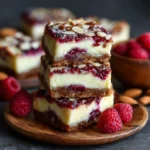
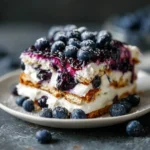
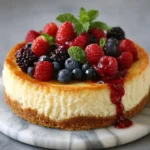
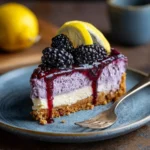
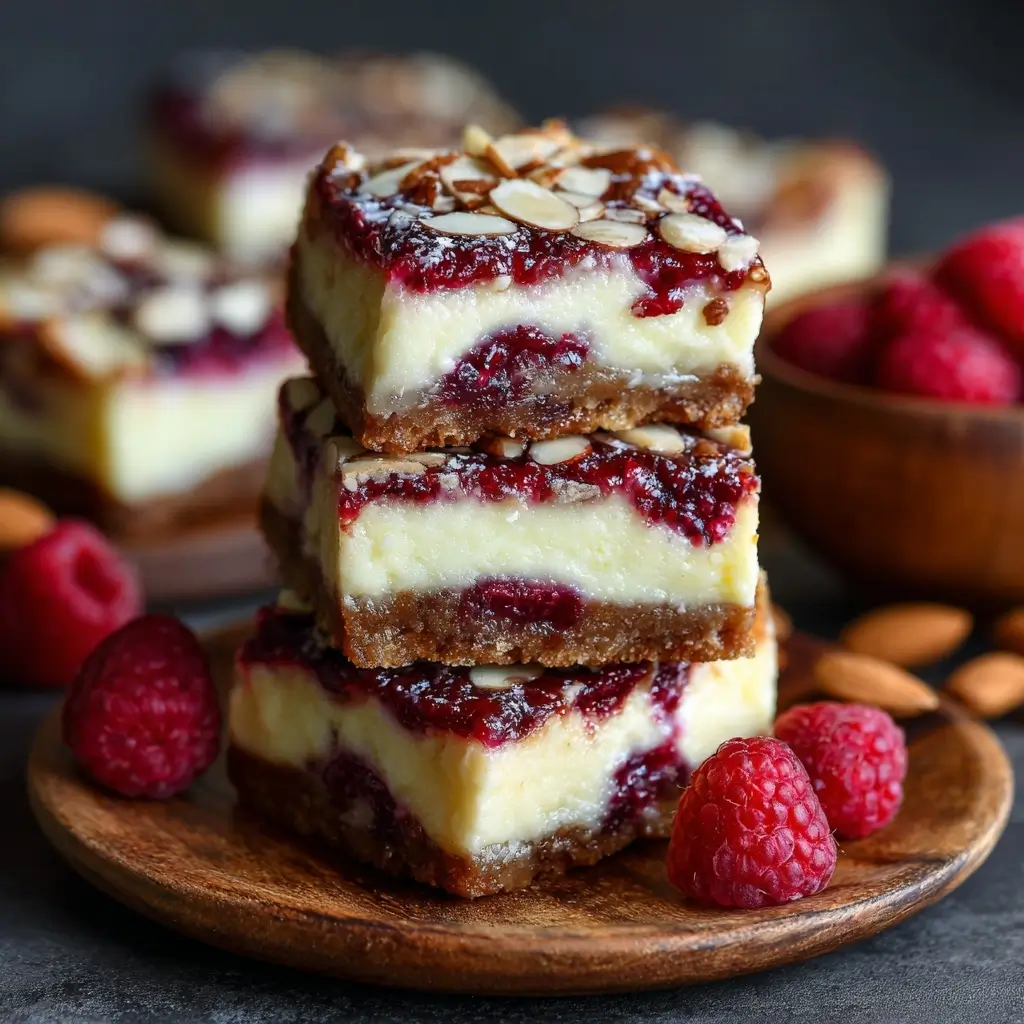
Indulge in the perfect harmony of tart, sweet, and creamy with Raspberry Almond Cheesecake Bars—a decadent yet approachable dessert that bridges the elegance of classic cheesecake with the convenience and charm of bar form. These luscious bars feature a buttery almond shortbread crust, a velvety no-bake or lightly baked vanilla cheesecake layer infused with real cream cheese and sour cream, and a vibrant, jewel-toned raspberry swirl made from either fresh, frozen, or high-quality seedless raspberry preserves. Topped with delicate toasted almond slivers and a whisper of flaky sea salt, each bite delivers a symphony of textures—crisp, creamy, chewy, and crunchy—all balanced by bright acidity and nutty depth. Whether served at summer picnics, holiday gatherings, bridal showers, or as an elegant weeknight treat, these bars consistently earn rave reviews for their stunning visual appeal, sophisticated flavor profile, and surprising ease of preparation.
The History
The evolution of Raspberry Almond Cheesecake Bars reflects broader culinary trends spanning centuries—from ancient Mediterranean cheese-based sweets to modern American baking innovation. Cheesecake itself traces its origins to ancient Greece, where early versions made with honey-sweetened cheese and flour were served to athletes at the first Olympic Games in 776 BCE. The Romans later adopted and adapted the concept, spreading it across Europe. By the 18th century, European bakers—particularly in Germany and Eastern Europe—began incorporating ground nuts like almonds into pastry bases, giving rise to rich, gluten-reduced crusts in desserts such as Linzer torte and Mandelkuchen. In mid-20th-century America, the rise of convenient appliances (like electric mixers and reliable ovens), mass-produced cream cheese (popularized by Philadelphia Cream Cheese in 1872), and the postwar home baking boom paved the way for “cheesecake bars”—a clever adaptation designed for portion control, simplified slicing, and efficient entertaining. The fusion of raspberry and almond emerged organically: raspberries, long prized in European foraging traditions and cultivated widely in Pacific Northwest orchards by the 1930s, offered a natural counterpoint to the richness of dairy; meanwhile, almond extract and toasted almonds became pantry staples in midcentury American kitchens thanks to California’s booming almond industry. Food magazines like Bon Appétit and Good Housekeeping began featuring “swirled” variations in the 1980s and ’90s, and the raspberry-almond pairing gained renewed momentum in the 2010s with the clean-label movement—favoring whole-food ingredients, reduced refined sugar, and botanical flavor pairings. Today, Raspberry Almond Cheesecake Bars stand as a beloved contemporary classic: rooted in tradition, elevated by technique, and endlessly adaptable to dietary preferences and seasonal availability.
Ingredients Breakdown
Every element of this recipe is intentionally selected—not just for flavor, but for function, texture, and balance:
- Almond Shortbread Crust: All-purpose flour provides structure; finely ground blanched almonds (or high-quality almond flour) deliver richness, moisture retention, and signature nuttiness without grittiness; granulated sugar ensures crispness and caramelization; unsalted butter (cold and cubed) creates flakiness and binds the crust; a pinch of fine sea salt enhances all other flavors and prevents sweetness fatigue.
- Cheesecake Layer: Full-fat brick-style cream cheese (at true room temperature—65–70°F) is non-negotiable for smooth, lump-free blending; sour cream adds tang, tenderness, and moisture while preventing cracking; heavy cream (or full-fat Greek yogurt in some variations) lends luxurious silkiness and improves sliceability; granulated sugar dissolves fully into the batter for even sweetness; pure vanilla extract (preferably Madagascar Bourbon) contributes warmth and aromatic complexity; lemon zest (finely grated, no pith) brightens the richness without adding liquid acidity; a small amount of cornstarch or tapioca starch stabilizes the filling during baking or chilling, minimizing weeping and improving set.
- Raspberry Swirl: Seedless raspberry jam or preserves (preferably low-sugar or fruit-sweetened) offers concentrated, consistent color and flavor without wateriness; fresh or frozen (thawed and drained) raspberries provide bursts of juicy brightness and natural pectin; a touch of lemon juice intensifies the berries’ natural acidity; optional additions include a splash of Chambord (raspberry liqueur) for depth or a pinch of ground cardamom for aromatic intrigue.
- Topping & Finish: Sliced or slivered almonds—lightly toasted until golden and fragrant—add crunch, visual contrast, and roasted nut aroma; flaky sea salt (such as Maldon) applied just before serving balances sweetness and amplifies savoriness; optional garnishes include fresh raspberry halves, edible flowers (violas or pansies), or a delicate dusting of powdered sugar or freeze-dried raspberry powder.
Step-by-Step Recipe
- Prepare the Pan: Line a 9×13-inch metal baking pan (not glass or ceramic for optimal heat conduction) with two overlapping sheets of parchment paper, leaving generous overhang on two opposite sides for easy lifting. Lightly grease exposed edges and parchment with non-stick spray or softened butter.
- Make the Almond Shortbread Crust: In a food processor, pulse 1 cup finely ground blanched almonds, 1¼ cups all-purpose flour, ⅓ cup granulated sugar, and ¼ tsp fine sea salt until combined. Add ½ cup cold, cubed unsalted butter and pulse in 1-second bursts until mixture resembles coarse, damp sand with some pea-sized clumps. Transfer to prepared pan and press evenly and firmly into bottom using the back of a measuring cup or flat-bottomed glass. Refrigerate crust for at least 30 minutes—or freeze for 15 minutes—to prevent shrinkage and ensure clean edges.
- Bake the Crust: Preheat oven to 350°F (175°C). Bake chilled crust for 18–22 minutes, rotating halfway, until lightly golden at edges and set in center (no wet shine). Cool completely on a wire rack—minimum 45 minutes—before adding filling. (Do not skip cooling—warm crust will melt filling.)
- Prepare the Cheesecake Layer: Using a stand mixer fitted with paddle attachment (or hand mixer + large bowl), beat 24 oz (three 8-oz bricks) full-fat cream cheese on medium speed for 2 minutes until perfectly smooth and glossy. Scrape bowl thoroughly. Add 1 cup granulated sugar and beat 2 more minutes until lightened. Add 1 cup full-fat sour cream, ½ cup heavy cream, 2 tsp pure vanilla extract, 1 tbsp finely grated lemon zest, and 1½ tsp cornstarch; beat on medium-low until just combined—do not overmix. Overbeating incorporates excess air, leading to cracks or bubbles. Batter should be thick, pourable, and satiny.
- Prepare the Raspberry Swirl: In a small saucepan over low heat, warm ¾ cup seedless raspberry preserves with 2 tbsp fresh or thawed frozen raspberries and ½ tsp lemon juice until gently bubbling and berries break down (~3–4 minutes). Strain through a fine-mesh sieve into a small bowl to remove seeds and pulp, pressing with back of spoon. Cool to room temperature (10–15 min). Optional: Stir in 1 tsp Chambord or ⅛ tsp ground cardamom.
- Assemble & Swirl: Pour cooled cheesecake batter over cooled crust and spread gently with an offset spatula to level. Spoon raspberry mixture in dollops evenly across surface. Using a thin knife or chopstick, drag gently through batter in figure-eight or zigzag patterns—not too deeply, and not overly mixed—to create marbled ribbons. Avoid swirling to the point of uniform pink—contrast is key.
- Bake (Optional, for Firmer Texture): For traditional baked bars: Bake at 325°F (165°C) for 35–42 minutes, until edges are set and center jiggles only slightly when nudged (like Jell-O). For no-bake version: Skip baking—cover tightly and refrigerate 8+ hours or overnight.
- Cool & Chill: Let bars cool completely in pan on wire rack (1 hour for baked; 2 hours minimum if no-bake). Then refrigerate uncovered for at least 6 hours—but ideally 12–24 hours—for cleanest cuts and optimal flavor development. Do not cut while warm or even slightly cool—chilling firms the fat and sets the proteins.
- Toast Almonds & Garnish: While bars chill, toast ⅓ cup sliced almonds in a dry skillet over medium-low heat, stirring constantly, until golden and fragrant (3–5 minutes). Cool completely. Just before serving, sprinkle evenly over top. Finish with a light sprinkle of flaky sea salt.
- Cut & Serve: Use parchment overhang to lift entire slab from pan onto cutting board. With a sharp, hot knife (dipped in hot water and wiped dry between cuts), slice into 12–16 even bars. Wipe knife clean after every 1–2 cuts for pristine edges.
Tips
- Room-Temperature Matters—Seriously: Cream cheese must be truly room temperature—not just “softened.” If it’s cool to the touch or has any resistance when pressed, it will not blend smoothly and will leave stubborn lumps. Place unwrapped bricks on counter 2–3 hours ahead, or use the “warm water bath” method: submerge sealed packages in warm (not hot) water for 10–12 minutes, then dry thoroughly.
- Don’t Skip the Chill Time: Rushing the refrigeration leads to crumbly, messy bars. Overnight chilling allows the cheesecake layer to fully hydrate, the fats to re-solidify, and the flavors to meld. For best results, make bars the day before serving.
- Parchment Is Non-Negotiable: Foil tears easily under the weight and stickiness of the filling. Parchment provides superior release—and the overhang makes lifting effortless. Never grease parchment—it can cause slipping and uneven layers.
- Swirling Technique: Less is more. Too much swirling eliminates visual contrast and dilutes the raspberry impact. Aim for bold, intentional streaks—not a homogenous pink batter. A toothpick or thin skewer works better than a knife for fine control.
- Prevent Cracking: For baked versions: Avoid opening the oven door during baking. After removing from oven, run a thin knife around inner edge of pan immediately to release tension. Cool gradually—don’t rush with fans or refrigeration right away.
- Knife Mastery: Use a long, thin, non-serrated knife (like a chef’s or utility knife). Heat it under hot tap water, wipe *completely* dry, cut once, then repeat. Wet knives smear; cold knives drag; dull knives tear.
- Almond Toasting Precision: Almonds go from golden to burnt in seconds. Remove from heat when they smell intensely nutty and look pale gold—not deep brown. They’ll continue cooking on the hot pan.
- Acidity Balance: If your raspberries taste overly tart, add 1 tsp extra sugar to the swirl. If too sweet, add another ¼ tsp lemon juice. Taste the cooled swirl before swirling—it’s your final flavor checkpoint.
- Storage Wisdom: Store covered in refrigerator for up to 5 days. For longer storage, freeze uncut slab (wrapped in parchment + foil) for up to 3 months. Thaw overnight in fridge before slicing.
- Batch Scaling: This recipe scales beautifully. For 9×9-inch pan, halve all ingredients and bake 5–8 minutes less. For double batch in 13×18-inch half-sheet pan, increase bake time by 5–7 minutes and monitor closely.
Variations and Customizations
This versatile base invites endless creativity—whether adapting to dietary needs, seasonal produce, or global flavor inspirations:
- Gluten-Free: Substitute 1:1 gluten-free all-purpose flour blend (with xanthan gum) and certified GF almond flour. Ensure all extracts, jams, and toppings are GF-certified. Crust may be slightly more delicate—press firmly and chill extra-long.
- Vegan: Use vegan cream cheese (Miyoko’s or Kite Hill recommended), coconut cream instead of sour cream/heavy cream, maple syrup or coconut sugar instead of granulated, and almond milk butter. Bind crust with cold coconut oil or vegan butter. Swirl with chia-thickened raspberry purée.
- Low-Sugar / Keto: Replace granulated sugar with erythritol-monk fruit blend (1:1), use sugar-free seedless raspberry jam (like Polaner Sugar Free), and boost almond flavor with extra almond extract (¼ tsp). Add 1 tbsp almond flour to crust for structure.
- Nut-Free: Swap almond flour for sunflower seed flour or oat flour, omit almond slices, and use pumpkin or sesame seeds for crunch. Replace almond extract with additional vanilla or a drop of orange extract.
- Seasonal Twists: In spring: add 1 tbsp edible lavender buds to raspberry swirl (steeped & strained). In fall: swirl in spiced apple butter or pear-ginger compote. In winter: fold crushed dark chocolate or orange marmalade into batter. In summer: top with fresh blackberries and mint.
- Global Inspirations: Mediterranean: add 1 tsp orange blossom water and pistachios. French: infuse batter with 1 tsp Grand Marnier and top with candied violets. Middle Eastern: swirl with rosewater-kissed raspberry jam and garnish with crushed pistachios + rose petals.
- Texture Upgrades: Press toasted almond slivers *into* top of batter before chilling for embedded crunch. Add a thin layer of white chocolate ganache beneath raspberry swirl. Fold ¼ cup chopped dried cherries into crust for chewy bursts.
- Mini Versions: Bake in lined muffin tins (paper + parchment liners) for individual cheesecake cups—reduce bake time to 22–26 minutes. Perfect for parties or portion-controlled treats.
- Crust Alternatives: Graham cracker (add ½ tsp cinnamon + 1 tbsp almond extract); Oreo (remove filling, add 1 tbsp cocoa + ½ tsp espresso powder); Date-oat (blended Medjool dates + rolled oats + almond butter).
- Flavor Infusions: Steep vanilla bean pod in warm cream before adding; stir in 1 tsp matcha powder into batter for earthy contrast; add ¼ tsp saffron threads (soaked in 1 tsp warm milk) for golden hue and luxury.
Health Considerations and Nutritional Value
While undeniably indulgent, Raspberry Almond Cheesecake Bars offer meaningful nutritional benefits when enjoyed mindfully and crafted with whole-food priorities:
- Antioxidant Powerhouse: Raspberries rank among the highest fruits in antioxidant capacity—rich in ellagic acid, quercetin, vitamin C, and anthocyanins—which combat oxidative stress, support cardiovascular health, and exhibit anti-inflammatory properties. One serving (1 bar, ~1/12th recipe) delivers ~15% DV of vitamin C and significant polyphenols.
- Healthy Fats & Protein: Almonds contribute monounsaturated fats (heart-healthy), plant-based protein (~3g per ¼ cup), magnesium, vitamin E, and fiber. Cream cheese and sour cream provide bioavailable calcium and high-quality dairy protein—supporting muscle maintenance and satiety.
- Gut-Friendly Potential: Sour cream contains live cultures (if unpasteurized post-culturing), offering mild probiotic benefits. Pairing with fiber-rich raspberries further supports microbiome diversity and digestive regularity.
- Lower-Glycemic Options: Using reduced-sugar preserves, natural sweeteners (monk fruit, allulose), or fruit-sweetened jams significantly lowers glycemic load—making these bars more suitable for blood sugar management when portion-controlled.
- Dietary Flexibility: Naturally free from eggs (in no-bake version), easily adaptable for gluten-free, nut-free (with substitutions), and vegan diets—expanding accessibility for diverse health needs and restrictions.
- Mindful Indulgence Framework: Portion control is built-in—each bar is a single serving. Emphasizing quality ingredients (organic raspberries, grass-fed dairy, raw almonds) maximizes nutrient density. Serving alongside fresh fruit or herbal tea enhances overall meal balance.
- Considerations: High in saturated fat (from dairy and butter)—moderation advised for those managing cholesterol. Contains added sugars (adjustable). Not suitable for strict low-FODMAP diets due to cream cheese and onion-like fructans in garlic-free almond flour (though small servings may be tolerated). Always consult a registered dietitian for personalized guidance.
A typical bar (1/12th of full recipe, baked version) contains approximately: 295 kcal | 20g total fat (11g sat) | 26g carbs (18g sugar, 1g fiber) | 5g protein | 125mg sodium. Values vary based on ingredient brands and modifications.
Ingredients
- For the Almond Shortbread Crust:
- 1 cup finely ground blanched almonds (or high-quality almond flour)
- 1¼ cups all-purpose flour (or 1:1 GF blend)
- ⅓ cup granulated sugar (or erythritol blend)
- ¼ tsp fine sea salt
- ½ cup (1 stick) unsalted butter, cold and cubed
- For the Cheesecake Layer:
- 24 oz full-fat brick-style cream cheese, room temperature
- 1 cup granulated sugar (or preferred sweetener)
- 1 cup full-fat sour cream
- ½ cup heavy cream (or full-fat Greek yogurt)
- 2 tsp pure vanilla extract
- 1 tbsp finely grated lemon zest (from 1–2 organic lemons)
- 1½ tsp cornstarch or tapioca starch
- For the Raspberry Swirl:
- ¾ cup seedless raspberry preserves (low-sugar preferred)
- 2 tbsp fresh or frozen (thawed & drained) raspberries
- ½ tsp fresh lemon juice
- Optional: 1 tsp Chambord, ⅛ tsp ground cardamom, or 1 tbsp finely chopped dark chocolate
- For Topping & Finish:
- ⅓ cup sliced or slivered almonds
- Flaky sea salt (e.g., Maldon), for finishing
- Optional garnishes: fresh raspberries, edible flowers, powdered sugar, freeze-dried raspberry powder
Directions
- Line a 9×13-inch metal baking pan with parchment paper, leaving 2-inch overhang on two opposite sides. Lightly grease exposed edges.
- In a food processor, combine ground almonds, flour, sugar, and salt; pulse to mix. Add cold butter; pulse in 1-second bursts until mixture resembles coarse, damp sand with pea-sized clumps.
- Transfer crust mixture to prepared pan. Press firmly and evenly into bottom using flat-bottomed glass or measuring cup. Refrigerate 30 minutes (or freeze 15 minutes).
- Preheat oven to 350°F (175°C). Bake chilled crust 18–22 minutes, until lightly golden and set. Cool completely on wire rack (45+ minutes).
- Reduce oven to 325°F (165°C) if baking filling. In stand mixer with paddle attachment, beat cream cheese on medium 2 minutes until smooth. Add sugar; beat 2 more minutes until lightened.
- Add sour cream, heavy cream, vanilla, lemon zest, and cornstarch; beat on medium-low until *just* combined—do not overmix. Batter should be thick, glossy, and lump-free.
- In small saucepan, warm raspberry preserves, raspberries, and lemon juice over low heat 3–4 minutes until berries break down. Strain through fine-mesh sieve; cool to room temperature.
- Pour cheesecake batter over cooled crust. Dollop raspberry mixture evenly on top. Swirl gently with knife or chopstick to create marbled pattern—do not overmix.
- For baked bars: Bake 35–42 minutes until edges are set and center jiggles slightly. For no-bake bars: Cover tightly and refrigerate 8+ hours or overnight.
- Cool baked bars completely on wire rack (1 hour), then refrigerate uncovered 12–24 hours. Toast almonds in dry skillet until golden (3–5 min); cool.
- Use parchment overhang to lift slab from pan. With hot, dry, sharp knife, cut into 12–16 bars, wiping knife clean between cuts.
- Top bars with toasted almonds and flaky sea salt just before serving. Store covered in refrigerator up to 5 days.
FAQ
- Can I use frozen raspberries for the swirl?
- Yes—thaw them completely, then drain *thoroughly* in a fine-mesh strainer, pressing gently with paper towels to remove excess liquid. Too much water will thin the swirl and cause bleeding.
- Why did my bars crack?
- Common causes: overmixing batter (incorporates air), rapid temperature changes (opening oven too soon, chilling while warm), or underbaking (center collapses as it cools). For prevention: avoid overbeating, cool gradually, and bake just until center is *slightly* wobbly—not liquid.
- Can I make these dairy-free?
- Absolutely. Use high-fat coconut cream (chilled, solid part only) instead of sour cream/heavy cream; vegan cream cheese; and coconut oil or vegan butter in crust. Ensure almond flour is certified dairy-free (some blends contain dairy derivatives).
- How do I prevent soggy crust?
- Chill crust before baking, bake until fully set and golden, and let cool *completely* before adding filling. A light pre-bake “blind bake” with pie weights isn’t needed here—firm pressing and proper chilling are more effective.
- Can I use store-bought raspberry jam?
- Yes—but choose seedless, low-sugar, and preferably fruit-sweetened varieties (avoid high-fructose corn syrup). Test consistency: it should be thick enough to hold a ribbon when dropped from a spoon—not runny.
- My swirl disappeared! What went wrong?
- Over-swirling or using a batter that’s too warm/thin. Ensure batter is cool and thick, and swirl with minimal, deliberate passes. Also, avoid using jam with high water content—it will bleed into batter during chilling.
- Can I add white chocolate?
- Delicious! Fold ¼ cup finely chopped high-quality white chocolate into batter *after* mixing (but before pouring). Or drizzle melted white chocolate over top before chilling for elegant contrast.
- Are these bars freezer-friendly?
- Yes! Freeze uncut slab, wrapped tightly in parchment + foil, up to 3 months. Thaw overnight in refrigerator before slicing. Do not freeze cut bars—they lose texture.
- Can I make them ahead for a party?
- Highly recommended! These bars improve in flavor and texture after 24 hours of chilling. Prepare 2–3 days ahead and store refrigerated, covered.
- What’s the best way to transport them?
- Keep chilled until departure. Place bars in rigid container with parchment between layers. Pack with ice packs in insulated bag. Assemble garnish (almonds/salt) on-site for maximum freshness and crunch.
Summary
Raspberry Almond Cheesecake Bars are a masterclass in balance—tart and sweet, creamy and crisp, elegant and effortless—built upon time-honored techniques and thoughtfully sourced ingredients.
With endless customization potential, notable nutritional perks from raspberries and almonds, and foolproof methods refined through decades of baking science, these bars aren’t just dessert—they’re a celebration of craft, care, and joyful sharing.