Introduction
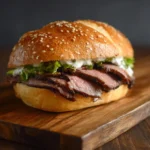
The Roast Beef Horseradish Sandwich is a bold, savory, and deeply satisfying classic that embodies the perfect harmony of tender, slow-roasted beef, pungent creamy horseradish, and rich, buttery bread. More than just a lunchtime staple, it’s a culinary celebration of contrast—warm and cool, rich and sharp, soft and substantial. Whether served at a cozy deli counter, a family picnic, or as an elevated dinner option, this sandwich delivers robust flavor with surprising elegance. Its enduring popularity lies not only in its simplicity but in its ability to be endlessly personalized—from rustic artisanal builds to gourmet restaurant interpretations—while remaining unmistakably comforting and unmistakably American.
The History
The origins of the Roast Beef Horseradish Sandwich trace back to early 20th-century American delicatessens and roadside diners, where resourceful cooks sought ways to elevate affordable, slow-cooked cuts of beef into memorable meals. While roast beef itself has roots stretching to medieval England and colonial America, the intentional pairing with horseradish emerged as a deliberate flavor strategy—not merely for tradition, but for science. Horseradish contains allyl isothiocyanate, a volatile compound that cuts through fat and stimulates salivary enzymes, making it the ideal palate-cleansing counterpart to rich, marbled beef. By the 1940s and ’50s, regional variations flourished: New England diners popularized the “Beef & Red” (horseradish mixed with ketchup or beet juice for color), while Midwestern supper clubs favored creamy prepared horseradish blended with sour cream or mayonnaise. The sandwich gained national prominence in the 1970s when national chains like Arby’s introduced their “Beef ‘n Cheddar” with horseradish sauce—sparking mainstream awareness and inspiring countless homemade renditions. Today, it stands as a benchmark for sandwich craftsmanship, frequently featured in food media, culinary competitions, and even Michelin-recognized casual concepts.
Ingredients Breakdown
Every exceptional Roast Beef Horseradish Sandwich begins with intentionality—not just in selection, but in understanding how each component functions within the whole:
- Roast Beef: Ideally, thinly sliced, medium-rare top round, eye of round, or sirloin tip roast—slow-roasted in-house with minimal seasoning (salt, black pepper, garlic powder, and a touch of thyme) to preserve natural beefiness. Pre-sliced deli meat works in a pinch, but avoid overly processed, sodium-laden varieties with added water or preservatives.
- Horseradish Component: A dual-layer approach yields maximum impact: freshly grated raw horseradish root (for bright, sinus-clearing heat) *plus* high-quality prepared horseradish (typically 30–45% real horseradish content, vinegar-preserved, with minimal fillers). Avoid “horseradish sauce” labeled as “creamy” unless explicitly made with real horseradish—it’s often mostly mayonnaise with artificial flavoring.
- Base Bread: Artisanal hoagie rolls, brioche buns, or sturdy sourdough are preferred—crisp on the outside, tender within, with enough structural integrity to hold juicy beef without disintegrating. Toasting is non-negotiable: light butter-toasting adds richness and prevents sogginess.
- Supporting Elements: Thinly sliced red onions (soaked briefly in ice water to mellow sharpness), crisp butter lettuce or baby arugula (for peppery freshness and textural lift), and optionally, a whisper of grainy Dijon mustard or whole-grain mustard for tangy depth. High-quality unsalted butter and flaky sea salt are subtle but essential finishers.
- Optional Enhancements: Caramelized shallots, roasted garlic aioli, pickled red onions, aged white cheddar or provolone, or even a drizzle of reduced beef jus for umami amplification.
Step-by-Step Recipe
- Select & Prepare the Beef: If roasting fresh, season a 2–3 lb top round roast generously with kosher salt, freshly cracked black pepper, 2 tsp garlic powder, 1 tsp dried thyme, and 2 tbsp olive oil. Roast at 325°F (163°C) until internal temperature reaches 130–135°F (54–57°C) for medium-rare—approx. 18–22 minutes per pound. Rest covered loosely with foil for 30 minutes before slicing *against the grain*, paper-thin (use a chilled, sharp carving knife or deli slicer).
- Make the Signature Horseradish Spread: In a small bowl, combine ¼ cup high-quality prepared horseradish (drained well), 2 tbsp full-fat sour cream, 1 tbsp mayonnaise, 1 tsp fresh lemon juice, ½ tsp Dijon mustard, a pinch of white pepper, and a tiny grating of fresh horseradish root (optional, for extra bite). Stir gently—do not overmix—and refrigerate for 15 minutes to meld flavors.
- Toast the Bread: Slice your chosen roll horizontally. Lightly butter both cut sides with softened unsalted butter. Toast in a cast-iron skillet over medium-low heat until golden brown and crisp—about 2–3 minutes per side. Alternatively, use a toaster oven at 375°F (190°C) for 4–5 minutes, watching closely.
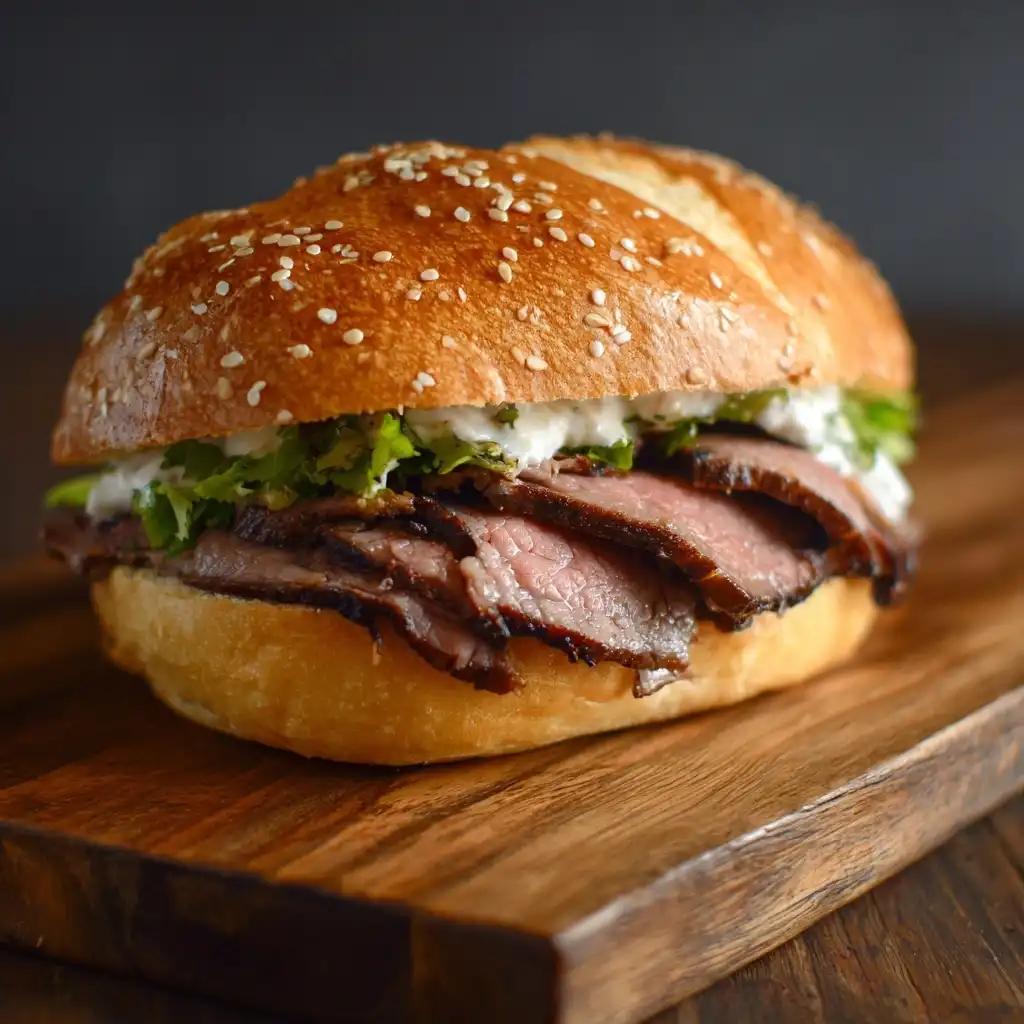
- Layer with Precision: On the bottom half, spread a generous 2 tbsp of horseradish mixture. Layer 6–8 oz (approx. 12–16 thin slices) of warm (not hot) roast beef, slightly overlapping in folds for tenderness and visual appeal. Top beef with 3–4 thin rings of red onion and a small handful of butter lettuce or arugula.
- Finish & Serve: Sprinkle lightly with flaky sea salt and a crack of black pepper. Add optional cheese if using (melted under a broiler for 30 seconds for extra decadence). Cap with top bun, press gently, and slice diagonally. Serve immediately—ideally with a side of au jus for dipping, house-made kettle chips, or pickled vegetables.
Tips
- Temperature Matters: Serve the beef *warm*, not piping hot—excess heat wilts lettuce and melts horseradish’s volatile compounds, dulling its punch. Let rested roast sit at room temp for 10 minutes before slicing.
- Slicing Technique: Always slice against the grain—and do so just before assembly. Pre-sliced beef dries out quickly; for best results, carve only what you’ll use within 1 hour.
- Horseradish Freshness Hack: Prepared horseradish loses potency rapidly once opened. Store tightly sealed in the coldest part of your refrigerator (not the door) and stir before each use. For peak heat, grate fresh root (wearing gloves!) and mix in no more than 15 minutes before serving.
- Bread Integrity Secret: Brush toasted bread with melted clarified butter or garlic-infused oil before final toasting for an ultra-crisp, flavorful crust that resists moisture migration.
- Prevent Sogginess: Never apply horseradish directly to untoasted bread. Always toast first—and layer lettuce *under* the beef to create a natural moisture barrier between meat juices and bread.
- Make-Ahead Strategy: Roast beef and horseradish spread can be prepped up to 3 days ahead. Store beef in its juices; keep horseradish mixture separate. Assemble only minutes before serving for optimal texture.
- Knife Discipline: Use a serrated knife for clean slicing—press gently, saw lightly. A dull blade compresses layers and causes filling to spill.
Variations and Customizations
This sandwich is a masterclass in adaptability—equally at home as a minimalist deli classic or a globally inspired showstopper. Here’s how to make it your own:
- The French Bistro Version: Substitute baguette for roll, add grainy Dijon and Gruyère, top with caramelized leeks and a spoonful of red wine reduction.
- The Smoky Southwest Twist: Use chipotle-marinated roast beef, swap horseradish for chipotle-horseradish crema (blend prepared horseradish + adobo sauce + lime zest), add pickled jalapeños and crumbled cotija.
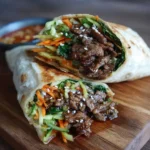
- The Umami Bomb Build: Incorporate shiitake mushroom duxelles, miso-glazed beef, wasabi-horseradish mayo, nori flakes, and quick-pickled daikon.
- The Low-Carb/Keto Option: Serve open-faced on grilled portobello caps or thick-cut zucchini “buns,” topped with horseradish crème fraîche and microgreens.
- The Gluten-Free Adaptation: Choose certified GF artisan rolls (e.g., Schär or Canyon Bakehouse), verify horseradish and mustard labels for hidden gluten, and use tamari-based au jus.
- The Vegetarian “Beef” Alternative: Marinated, seared king oyster mushrooms or slow-braised jackfruit, finished with liquid smoke and soy-based “beef” seasoning, paired with roasted garlic–horseradish aioli.
- The Breakfast Sandwich Reinvention: Use English muffin, top warm beef with a fried egg, horseradish hollandaise, and crispy shallots.
- The Holiday Feast Edition: Feature herb-crusted prime rib slices, horseradish-apple compote, and candied pecans on brioche—ideal for Christmas Eve or New Year’s Day brunch.
Health Considerations and Nutritional Value
A thoughtfully constructed Roast Beef Horseradish Sandwich can be a nutrient-dense, balanced meal—but mindful ingredient choices are key to optimizing its wellness profile:
- Protein Powerhouse: Lean roast beef provides complete protein (approx. 25g per 4 oz serving), along with highly bioavailable iron (heme iron), zinc, vitamin B12, and creatine—supporting muscle repair, cognitive function, and energy metabolism.
- Horseradish Benefits: Beyond flavor, real horseradish is rich in glucosinolates—phytonutrients shown in studies to support detoxification enzymes (like glutathione S-transferase) and exhibit anti-inflammatory and antimicrobial properties. Its pungency also naturally promotes nasal clearance and digestive enzyme secretion.
- Smart Carbohydrate Choices: Opt for 100% whole grain or sprouted grain rolls—providing fiber (4–6g per serving), B vitamins, magnesium, and prebiotic compounds that feed beneficial gut bacteria. Avoid refined white flour, which spikes blood glucose and lacks satiety-promoting nutrients.
- Fat Quality Counts: Prioritize unsaturated fats—avocado oil–toasted bread, grass-fed beef (higher in omega-3s and CLA), and horseradish blended with Greek yogurt instead of full-fat mayo. Limit saturated fat by trimming visible fat from beef and skipping excessive cheese.
- Sodium Awareness: Deli meats and prepared horseradish can be high in sodium. Make your own roast beef and horseradish blend to control salt levels—aim for <600mg sodium per sandwich for heart-healthy eating.
- Dietary Accommodations: Naturally low-carb and keto-friendly with modifications; easily dairy-free (skip cheese/sour cream, use coconut yogurt); adaptable for paleo (no grains, use lettuce wrap); and inherently gluten-free with certified GF ingredients.
- Mindful Portions: A standard serving (6–8 oz beef, 1 roll, 2 tbsp spread) clocks in at ~550–700 calories—nutritionally dense and satiating. Pair with a large side salad or fermented vegetables to enhance micronutrient diversity and digestive support.
Ingredients
- 1 (2–3 lb) top round or eye of round roast
- 2 tbsp olive oil
- 2 tsp kosher salt (plus more for finishing)
- 1½ tsp freshly ground black pepper
- 2 tsp garlic powder
- 1 tsp dried thyme
- 1 (6–8 inch) artisan hoagie roll or brioche bun (preferably day-old for better toasting)
- 2 tbsp unsalted butter, softened
- ¼ cup high-quality prepared horseradish (look for “horseradish, vinegar, salt” on label)
- 2 tbsp full-fat sour cream
- 1 tbsp mayonnaise
- 1 tsp fresh lemon juice
- 1 tsp grainy Dijon mustard
- Pinch of white pepper
- ¼ small red onion, very thinly sliced
- ½ cup ice water (for soaking onions)
- Handful of butter lettuce or baby arugula
- Flaky sea salt (e.g., Maldon) and additional black pepper, for garnish
- (Optional) 2 oz aged white cheddar or provolone, thinly sliced
Directions
- Roast the Beef: Preheat oven to 325°F (163°C). Pat roast dry. Rub all over with olive oil, then evenly coat with salt, pepper, garlic powder, and thyme. Place on a wire rack set over a rimmed baking sheet. Roast until an instant-read thermometer inserted into thickest part registers 130–135°F (54–57°C) for medium-rare—approximately 1¾–2¼ hours depending on size. Remove from oven, tent loosely with foil, and rest for 30 minutes.
- Prepare Horseradish Spread: While beef rests, combine prepared horseradish (well-drained), sour cream, mayonnaise, lemon juice, Dijon, and white pepper in a small bowl. Stir until smooth. Cover and refrigerate for at least 15 minutes (up to 3 days).
- Soak Onions: Place red onion slices in a small bowl with ice water and a pinch of salt. Soak for 10 minutes, then drain and pat dry with paper towels.
- Toast the Roll: Slice roll horizontally. Butter cut sides generously with softened butter. Heat a heavy skillet (cast iron preferred) over medium-low heat. Toast roll halves, buttered-side down, until deeply golden and crisp—2–3 minutes per side. Transfer to a wire rack to cool slightly.
- Slice the Beef: Using a long, sharp, chilled knife, slice beef *against the grain* into paper-thin pieces (~1/16 inch thick). Keep slices together in loose piles for easy layering.
- Assemble: Spread 2 tablespoons horseradish mixture evenly over bottom roll half. Layer beef slices neatly, slightly overlapping. Top with drained red onions and greens. Sprinkle with flaky salt and black pepper. Add cheese now if using.
- Final Touch & Serve: Place top roll half over filling. Press down gently. Slice diagonally with a serrated knife. Serve immediately with optional sides: warm au jus (simmer pan drippings with ½ cup beef stock, 1 tsp Worcestershire, and 1 tsp tomato paste for 5 minutes), house-made dill pickle chips, or roasted carrot sticks.
FAQ
- Can I use leftover roast beef?
- Absolutely—just ensure it’s been stored properly (refrigerated ≤3 days or frozen ≤3 months). Reheat gently in a skillet with 1 tsp beef broth to restore juiciness before slicing.
- What if I can’t find fresh horseradish root?
- No problem! High-quality prepared horseradish (like Beaver, Gold’s, or Frontier Co-op organic) delivers excellent heat and complexity. Check the ingredient list—avoid versions with corn syrup, xanthan gum, or “natural flavors.”
- Is this sandwich safe for pregnant individuals?
- Yes—with precautions: Ensure beef is cooked to ≥145°F (63°C) and rested 3 minutes if preferred well-done; use pasteurized dairy in horseradish spread; avoid raw sprouts or unpasteurized cheeses unless clearly labeled safe.
- How do I prevent the sandwich from falling apart?
- Toast the bread thoroughly, use structural greens (lettuce/arugula) as a moisture barrier, avoid overloading with wet ingredients, and press gently—not aggressively—when assembling. A bamboo skewer through the center helps for transport.
- Can I make this ahead for meal prep?
- You can prep components separately: roast beef (sliced and stored in jus), horseradish spread, toasted rolls (cool completely and store in airtight container), and soaked onions. Assemble within 30 minutes of serving for best texture.
- What’s the difference between horseradish sauce and prepared horseradish?
- Prepared horseradish is grated root preserved in vinegar—sharp, pungent, and minimally processed. Horseradish “sauce” is typically mayonnaise- or sour cream–based with diluted horseradish flavor—milder and higher in fat/calories. For authenticity and heat, choose prepared horseradish.
- Can I freeze the horseradish spread?
- Not recommended—dairy-based spreads separate and become grainy upon thawing. However, plain prepared horseradish (unmixed) freezes well for up to 6 months. Thaw overnight in the fridge before using.
- Why does horseradish “burn” my nose but not my tongue?
- Horseradish’s active compound, allyl isothiocyanate, vaporizes easily and travels up the retronasal passage—stimulating olfactory receptors more than taste buds. This creates the signature sinus-tingling effect, distinct from capsaicin’s tongue-based heat in chiles.
- What wine or beverage pairs best?
- A chilled, high-acid red like Loire Cabernet Franc or Beaujolais-Villages cuts the richness beautifully. For non-alcoholic options: sparkling apple cider, ginger-kombucha spritzer, or cold-brewed hibiscus tea with lemon.
- My horseradish spread turned pink—is it spoiled?
- No—this is natural! Horseradish contains peroxidase enzymes that react with trace iron in water or stainless steel utensils, causing harmless oxidation and a rosy hue. Flavor remains unaffected.
Summary
The Roast Beef Horseradish Sandwich is a timeless, boldly flavored masterpiece rooted in culinary wisdom—where tender, slow-roasted beef meets the invigorating heat of real horseradish, all anchored by artisanal, toasted bread and fresh, vibrant accents. It’s equally at home as a weeknight dinner, a celebratory centerpiece, or a customizable canvas for global inspiration—offering unmatched depth, balance, and nourishment when crafted with care and quality ingredients.