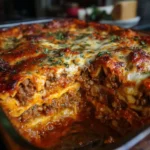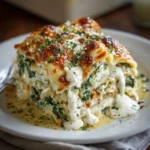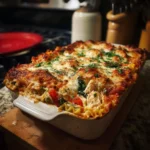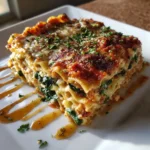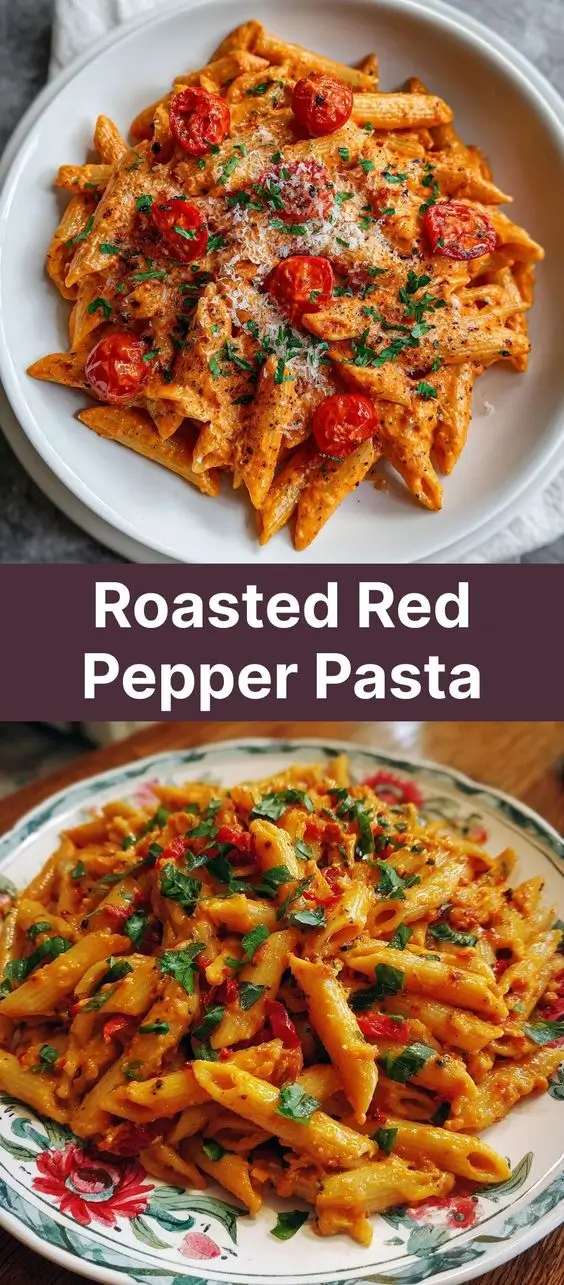
Roasted Red Pepper Pasta: A Creamy, Flavorful Delight
The History of Roasted Red Pepper Pasta
Roasted red pepper pasta is a modern culinary creation that blends the rich traditions of Italian cuisine with contemporary global flavors. While classic Italian pastas often rely on tomatoes, garlic, and basil, the use of roasted red peppers introduces a sweet, smoky depth that has gained popularity in fusion cooking over the last few decades. The origins of incorporating roasted peppers into dishes can be traced back to Mediterranean and Eastern European cuisines, where bell peppers are slow-roasted to enhance their natural sugars and complex flavor profile.
As food trends evolved in the late 20th century, chefs began experimenting with blending roasted vegetables into creamy sauces, leading to the development of dairy-based or vegan roasted red pepper sauces for pasta. This dish emerged as a favorite among home cooks and restaurant menus alike due to its vibrant color, velvety texture, and balanced taste. Today, roasted red pepper pasta is celebrated not only for its deliciousness but also for its adaptability—suitable for vegetarians, vegans (with modifications), and those seeking a lighter alternative to heavy cream-based sauces.
Ingredients Breakdown: What Makes This Dish Shine
The magic of roasted red pepper pasta lies in its simple yet thoughtfully chosen ingredients. Each component contributes to the overall harmony of flavor, texture, and nutrition:
- Red Bell Peppers: The star ingredient. When roasted, red bell peppers develop a naturally sweet, smoky flavor. They’re also rich in vitamin C, antioxidants, and dietary fiber.
- Garlic: Adds aromatic depth and a subtle pungency that complements the sweetness of the peppers.
- Shallots or Onion: Provides a mild onion flavor that enhances the sauce without overpowering it.
- Olive Oil: Used for sautéing and enriching the sauce, contributing heart-healthy monounsaturated fats.
- Heavy Cream or Coconut Milk (for vegan option): Gives the sauce its luxurious, creamy consistency. Coconut milk offers a dairy-free alternative with a slightly tropical undertone.
- Vegetable or Chicken Broth: Helps thin the sauce and infuse additional savory notes.
- Fresh Basil or Parsley: Adds brightness and herbal freshness, balancing the richness of the sauce.
- Lemon Juice: A small splash lifts the flavors and prevents the sauce from tasting flat.
- Nutmeg (optional): A pinch enhances warmth and complexity, especially when paired with cream.
- Pasta: Typically fettuccine, penne, or rigatoni are used for their ability to hold thick sauces. Whole wheat or gluten-free options work well for dietary needs.
- Cheese (Parmesan, Pecorino, or nutritional yeast for vegans): Adds umami and saltiness, finishing the dish with a savory punch.
Step-by-Step Recipe: How to Make Roasted Red Pepper Pasta at Home
Creating this luscious dish at home is easier than you might think. Follow these detailed steps for a restaurant-quality meal right in your kitchen.
Ingredients
- 3 large red bell peppers
- 2 tablespoons olive oil
- 1 medium shallot or small onion, finely chopped
- 3 cloves garlic, minced
- 1/2 cup vegetable broth
- 1/2 cup heavy cream (or full-fat coconut milk)
- 1/4 teaspoon red pepper flakes (optional)
- 1/4 teaspoon ground nutmeg (optional)
- Juice of 1/2 lemon
- Salt and freshly ground black pepper, to taste
- 12 oz (340g) pasta (penne, fettuccine, or rigatoni)
- 1/3 cup grated Parmesan cheese (or nutritional yeast for vegan version)
- 1/4 cup fresh basil or parsley, chopped
Directions
- Roast the Peppers: Preheat your oven to 450°F (230°C). Place the whole red bell peppers on a baking sheet lined with parchment paper. Roast for 30–40 minutes, turning occasionally, until the skins are blistered and charred. Alternatively, you can use a gas stove flame or grill to char them directly. Once roasted, place the peppers in a bowl and cover with plastic wrap or a plate to steam for 10 minutes. This makes peeling easier.
- Peel and Seed: After steaming, peel off the blackened skin using your fingers or a paring knife. Remove the stems, seeds, and inner membranes. Roughly chop the flesh and set aside.
- Cook the Aromatics: In a large skillet, heat olive oil over medium heat. Add the chopped shallot and sauté for 3–4 minutes until soft and translucent. Add the minced garlic and cook for another 30 seconds until fragrant—be careful not to burn it.
- Blend the Sauce: Transfer the roasted peppers, sautéed shallots, and garlic to a blender. Add vegetable broth, heavy cream (or coconut milk), red pepper flakes, nutmeg, lemon juice, salt, and pepper. Blend until completely smooth and silky. Taste and adjust seasoning as needed.
- Cook the Pasta: Bring a large pot of salted water to a boil. Cook the pasta according to package instructions until al dente. Reserve 1/2 cup of pasta water before draining.
- Combine Pasta and Sauce: Return the blended sauce to the skillet and warm over low heat. Add the drained pasta and toss to coat evenly. If the sauce is too thick, gradually add reserved pasta water, one tablespoon at a time, until desired consistency is reached.
- Finish and Serve: Stir in half of the Parmesan cheese (or nutritional yeast) and most of the fresh herbs. Toss gently to combine. Serve hot, garnished with extra cheese, a drizzle of olive oil, cracked black pepper, and remaining herbs.
Tips for the Perfect Roasted Red Pepper Pasta
- Roasting is Key: Don’t skip roasting the peppers yourself—even though jarred roasted peppers are convenient, fresh-roasted ones offer superior flavor and texture.
- Don’t Overcook Garlic: Burnt garlic turns bitter. Sauté just until fragrant—about 30 seconds should suffice.
- Use High-Quality Olive Oil: Since this is a relatively simple sauce, the quality of your oil will shine through.
- Blend Until Smooth: For a truly creamy sauce, blend thoroughly. A high-speed blender works best. If needed, strain the sauce through a fine-mesh sieve for an ultra-luxurious texture.
- Salt Gradually: Start with less salt and add more after blending, especially if using store-bought broth or Parmesan, which can be salty.
- Pasta Water Magic: Always reserve starchy pasta water—it’s essential for helping the sauce cling to the noodles and achieving the perfect silkiness.
- Rest the Sauce: Letting the sauce sit for 10–15 minutes after blending allows flavors to meld. Reheat gently before tossing with pasta.
Variations and Customizations
This recipe is incredibly versatile. Here are some creative ways to personalize your roasted red pepper pasta:
- Protein-Packed Version: Add grilled chicken strips, shrimp, or sautéed Italian sausage for a heartier meal.
- Vegan Delight: Use coconut milk instead of cream and nutritional yeast instead of Parmesan. Ensure your pasta is egg-free.
- Spicy Kick: Increase red pepper flakes or add a dash of cayenne or harissa paste for heat.
- Smoky Twist: Add 1/2 teaspoon smoked paprika or a tiny drop of liquid smoke for deeper smokiness.
- Seafood Fusion: Stir in lump crab meat or scallops at the end for an elegant twist.
- Greens Galore: Fold in baby spinach, arugula, or sautéed mushrooms during the final toss.
- Herb Variations: Try oregano, thyme, or tarragon instead of basil for a different herbal note.
- Citrus Swap: Replace lemon juice with orange or lime for a unique tang.
- Grilled Vegetable Addition: Top with grilled zucchini, eggplant, or asparagus for a summer-ready dish.
- Gluten-Free Option: Use your favorite gluten-free pasta—rice, chickpea, or lentil-based varieties work beautifully.
Health Considerations and Nutritional Value
Roasted red pepper pasta can be both indulgent and nutritious, depending on how it’s prepared. Here’s a breakdown of its health aspects:
Nutritional Highlights (per serving, approx. 1/4 of recipe using whole wheat penne and light cream):
- Calories: ~450–550 kcal
- Carbohydrates: 60–70g (mostly complex carbs from pasta and vegetables)
- Protein: 12–18g (higher with added protein like chicken or legumes)
- Fat: 18–25g (mostly unsaturated from olive oil and cream)
- Fiber: 6–9g (from whole grains and vegetables)
- Vitamin C: Over 200% of daily value (thanks to red peppers)
- Vitamin A: High levels from beta-carotene in peppers
- Antioxidants: Rich in capsanthin, quercetin, and other phytonutrients
Health Benefits:
- Supports Immune Health: Extremely high in vitamin C, which boosts immunity and skin health.
- Heart-Healthy Fats: Olive oil promotes good cholesterol and reduces inflammation.
- Digestive Support: Fiber from whole grain pasta and vegetables aids digestion.
- Low in Sodium (when controlled): You can manage salt content by using low-sodium broth and limiting added salt.
- Antioxidant-Rich: Roasted peppers retain many beneficial compounds that fight oxidative stress.
Dietary Adjustments:
- Lower-Calorie Option: Substitute half the cream with Greek yogurt or cashew cream.
- Dairy-Free/Vegan: As noted, use plant-based alternatives for cream and cheese.
- Low-Carb Alternative: Serve the sauce over spiralized zucchini (zoodles) or spaghetti squash.
- Keto-Friendly Version: Use low-carb pasta (like shirataki) and increase healthy fats with avocado or pine nuts.
Frequently Asked Questions (FAQ)
Can I make roasted red pepper pasta ahead of time?
Yes! You can roast the peppers and prepare the sauce up to 3 days in advance. Store it in an airtight container in the refrigerator. Reheat gently on the stove before tossing with freshly cooked pasta.
Can I freeze this pasta dish?
The sauce freezes very well for up to 3 months. However, dairy-based sauces may separate slightly upon thawing—blend again and add a splash of broth or cream to restore smoothness. It’s best to freeze the sauce separately from the pasta.
Why is my sauce gritty or chunky?
This usually means the peppers weren’t blended enough or the skins weren’t fully removed. Always peel the roasted peppers thoroughly and blend until completely smooth. A high-powered blender helps achieve the best texture.
Can I use jarred roasted red peppers?
Absolutely. While fresh-roasted peppers have a brighter taste, high-quality jarred peppers (packed in water, not oil) are a great time-saver. Drain and pat dry before using to avoid a watery sauce.
Is this dish spicy?
Not inherently. The red peppers are sweet, and any heat comes from optional additions like red pepper flakes. Omit them for a mild, family-friendly dish.
What wine pairs well with roasted red pepper pasta?
A crisp white wine like Pinot Grigio, Sauvignon Blanc, or Vermentino complements the dish’s creaminess and acidity. For a bolder pairing, try a light-bodied red like Pinot Noir.
Can I make this nut-free?
Yes. This recipe is naturally nut-free unless you choose to add nuts. Just ensure your broth and other ingredients don’t contain hidden nut derivatives.
Summary
Roasted red pepper pasta is a creamy, vibrant dish that combines smoky-sweet roasted peppers with a silky sauce and perfectly cooked pasta, offering a balance of comfort and sophistication. Easy to customize and packed with nutrients, it’s a modern classic that delights vegetarians, vegans, and omnivores alike.