Introduction
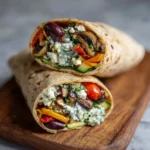
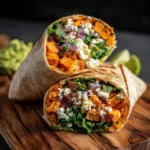
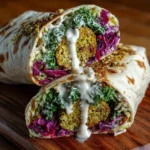
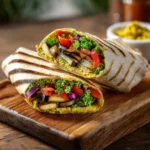
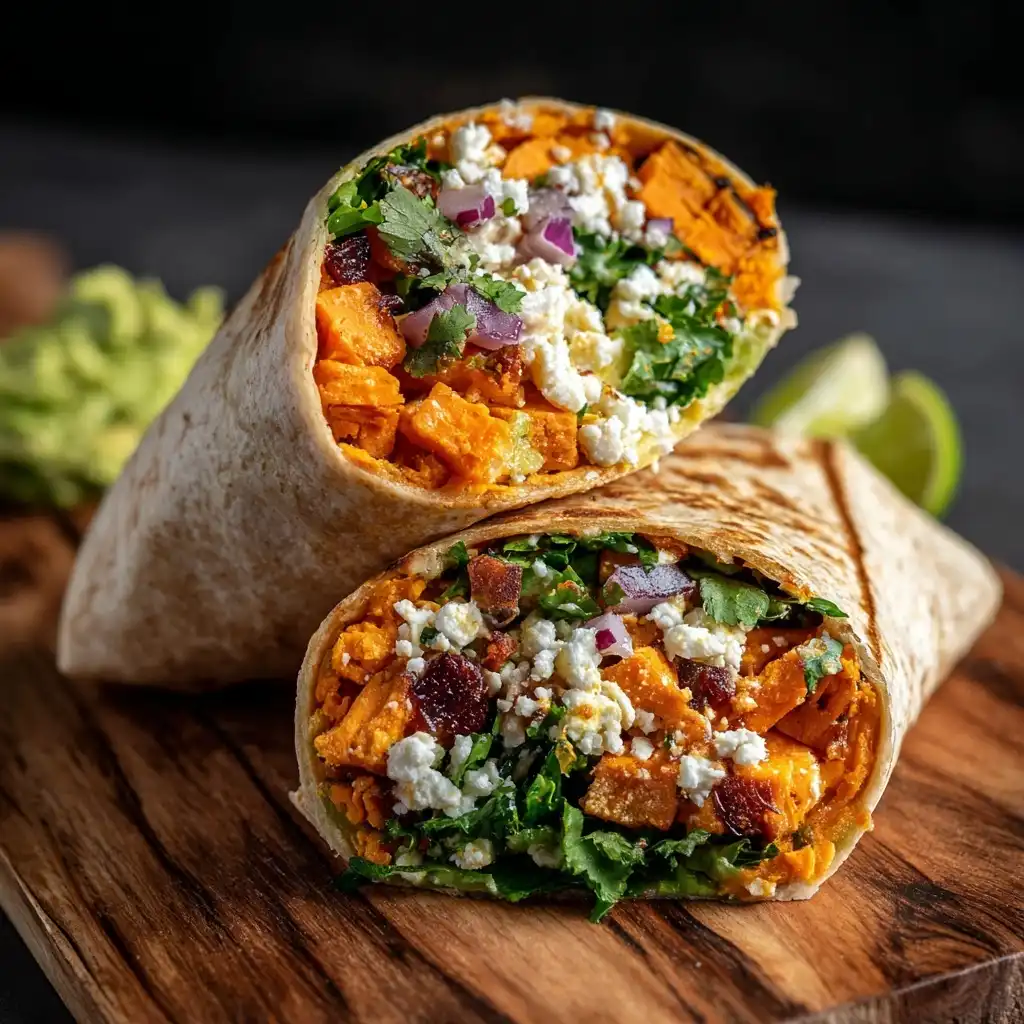
The Roasted Sweet Potato Wrap is a vibrant, nutrient-dense, and deeply satisfying handheld meal that effortlessly bridges comfort food and conscious eating. Born from the culinary convergence of Mediterranean warmth, Latin American earthiness, and modern plant-forward trends, this wrap celebrates the humble sweet potato—not as a side dish, but as the rich, caramelized, textural centerpiece. Its appeal spans busy professionals seeking balanced lunch solutions, fitness enthusiasts prioritizing complex carbs and fiber, vegans and vegetarians craving hearty protein alternatives, and even omnivores looking to reduce meat consumption without sacrificing flavor or satiety. With its golden-orange hue, aromatic blend of warm spices, creamy accents, and fresh, crunchy garnishes, the Roasted Sweet Potato Wrap delivers visual allure, layered taste, and wholesome nourishment in every bite—making it as Instagram-worthy as it is nutritionally intelligent.
The History
While no single “inventor” claims the Roasted Sweet Potato Wrap, its evolution reflects broader food movements over the past three decades. Sweet potatoes themselves have been cultivated for over 5,000 years—first domesticated in Central or South America—and were introduced to Europe by Christopher Columbus before spreading globally via trade routes. In the U.S., sweet potatoes gained renewed prominence during the farm-to-table movement of the 1990s and early 2000s, celebrated for their versatility and nutritional superiority over white potatoes. The rise of the “gourmet wrap” began in earnest in the late 1980s with California-based health cafés and vegetarian delis, where whole-grain tortillas replaced bread as vehicles for colorful, vegetable-forward fillings. By the mid-2010s, food blogs, wellness influencers, and meal-prep culture amplified roasted sweet potato recipes—especially when paired with black beans, avocado, and chipotle aioli—transforming them into signature lunch staples. Chains like Panera Bread and Sweetgreen later commercialized variations, while home cooks continued refining versions rooted in cultural authenticity: Mexican-inspired wraps with pickled red onions and cilantro-lime crema; Middle Eastern–inflected iterations featuring harissa, tahini, and pomegranate molasses; and Southern-fusion takes with collard greens, smoked paprika, and maple-mustard drizzle. Today, the Roasted Sweet Potato Wrap stands as a living testament to global ingredient exchange, dietary evolution, and the enduring power of roasting to unlock natural sweetness and depth.
Ingredients Breakdown
Every element in this wrap serves a functional and sensory purpose—balancing flavor profiles, textures, temperatures, and nutritional synergy:
- Sweet Potatoes (2 medium, ~14 oz total): The star ingredient—rich in beta-carotene (vitamin A precursor), vitamin C, manganese, potassium, and 4 grams of dietary fiber per cup. Their high starch content caramelizes beautifully when roasted, yielding tender-yet-firm cubes with nuanced sweetness.
- Olive Oil (2 tbsp): Provides heart-healthy monounsaturated fats, aids in even browning, and carries fat-soluble vitamins (A, E, K) from the sweet potatoes and spices.
- Smoked Paprika (1 tsp): Imparts deep, woodsy, slightly sweet smoke—complementing the natural earthiness of sweet potatoes without heat. A key differentiator from generic “paprika.”
- Ground Cumin (½ tsp): Adds warm, nutty, slightly citrusy complexity that enhances digestibility and pairs seamlessly with legumes and lime.
- Garlic Powder & Onion Powder (¼ tsp each): Provide savory umami depth and aromatic backbone without raw sharpness—ideal for even roasting.
- Sea Salt & Freshly Ground Black Pepper (to taste): Enhance all other flavors and support mineral balance; coarse sea salt offers better texture control than fine table salt.
- Whole-Wheat or Sprouted Grain Tortillas (4, 8–10 inch): Chosen for higher fiber (3–5 g per tortilla), B-vitamins, and slower glucose release versus refined flour. Sprouted grain options offer increased bioavailability of iron, zinc, and folate.
- Black Beans (1½ cups, cooked or low-sodium canned): A complete plant-protein source (7.5 g per ½ cup) with resistant starch that feeds beneficial gut bacteria and promotes stable energy.
- Avocado (1 large, sliced or mashed): Supplies creamy texture, monounsaturated fats for satiety, and lutein for eye health. Lime juice prevents browning and adds brightness.
- Red Cabbage Slaw (1½ cups shredded): Adds vibrant color, crisp contrast, sulforaphane (a potent antioxidant), and digestive enzymes. Massaged lightly with lime and salt for tenderness.
- Fresh Cilantro (¼ cup, chopped): Contains quercetin and kaempferol—anti-inflammatory flavonoids—and cuts through richness with citrusy freshness.
- Lime Juice (2 tbsp fresh): Brightens the entire composition, balances sweetness, enhances iron absorption from plant sources (non-heme iron), and acts as a natural preservative.
- Optional Enhancements: Crumbled feta or cotija cheese (for salty tang and calcium), toasted pepitas (zinc + magnesium crunch), microgreens (vitamin K density), or quick-pickled red onions (probiotic potential + acidity).
Step-by-Step Recipe
- Preheat & Prep: Position oven rack in the center and preheat to 425°F (220°C). Line a large rimmed baking sheet with parchment paper or a silicone mat for effortless cleanup and even heat transfer.
- Cut Sweet Potatoes: Wash and scrub 2 medium sweet potatoes thoroughly (skin-on for added fiber and nutrients). Pat dry. Trim ends, then cut into ¾-inch uniform cubes—consistency ensures even roasting. Avoid smaller dices (they’ll overcook) or larger chunks (they’ll stay underdone).
- Season & Toss: In a large mixing bowl, combine sweet potato cubes with 2 tbsp olive oil, 1 tsp smoked paprika, ½ tsp ground cumin, ¼ tsp garlic powder, ¼ tsp onion powder, ¾ tsp sea salt, and ¼ tsp freshly ground black pepper. Use hands or a silicone spatula to coat every surface evenly—no dry spots or pooling oil.
- Roast to Perfection: Spread seasoned cubes in a single layer on the prepared baking sheet—do not overcrowd (use two sheets if needed). Roast for 25–32 minutes, flipping gently halfway through with a thin metal spatula. They’re ready when deeply golden at the edges, fork-tender but holding shape (not mushy), and fragrant with caramelized spice notes. Let cool 5 minutes—slight carryover cooking occurs.
- Prepare Supporting Components: While potatoes roast, prepare slaw (shred 1½ cups red cabbage, toss with zest and juice of 1 lime, ¼ tsp salt, and set aside), rinse and drain black beans, slice or mash avocado with remaining lime juice and pinch of salt, chop cilantro, and warm tortillas (see Tips for best method).
- Assemble Thoughtfully: Lay a warm tortilla flat. Spread 2–3 tbsp mashed avocado in a horizontal band across the lower third. Layer ⅓ cup roasted sweet potatoes just above the avocado, followed by ⅓ cup black beans, ¼ cup red cabbage slaw, and a generous sprinkle of cilantro. Optional: add crumbled cheese or pepitas now.
- Wrap with Precision: Fold the bottom edge up over the filling, then fold left and right sides inward snugly. Roll forward firmly but gently—applying even pressure to compact layers without squeezing out ingredients. If desired, lightly toast seam-side down in a dry skillet for 60 seconds to seal.
- Rest & Serve: Let wrapped wraps rest seam-side down for 2–3 minutes—this allows residual heat to slightly soften the tortilla and meld flavors. Slice in half diagonally for presentation or serve whole. Best enjoyed within 2 hours of assembly for optimal texture.
Tips
- Roasting Mastery: For maximum caramelization, ensure sweet potatoes are completely dry before tossing in oil—water inhibits browning. Don’t skip the flip—it guarantees even crust development on all sides.
- Tortilla Warming Secret: Warm tortillas in a dry stainless-steel skillet over medium heat for 15–20 seconds per side until pliable and faintly speckled. Microwaving (even with a damp paper towel) often yields rubbery or steamed results. Alternatively, wrap a stack in foil and heat in a 350°F oven for 10 minutes.
- No-Soggy Slaw Hack: After massaging cabbage with lime and salt, let it sit 5 minutes, then gently squeeze excess liquid using clean hands or a clean kitchen towel—this prevents wrap disintegration while preserving crunch.
- Meal-Prep Friendly: Roast sweet potatoes and cook beans up to 4 days ahead; store separately in airtight containers refrigerated. Assemble wraps fresh—avocado oxidizes, and slaw wilts. For grab-and-go, pack components in compartmentalized containers and assemble en route.
- Freezing Note: Roasted sweet potatoes freeze exceptionally well (up to 3 months in freezer bags)—thaw overnight in fridge and re-crisp in oven or air fryer at 400°F for 5 minutes before assembling.
- Texture Contrast is Key: Always include at least one creamy element (avocado/creme fraiche), one crunchy (slaw/pickled onions/toasted seeds), and one chewy or hearty (beans/grains/roasted veggies) for multidimensional satisfaction.
- Acid Balance: Taste filling before wrapping—if it tastes flat, add a splash more lime or a pinch of apple cider vinegar. Acidity lifts sweetness and binds disparate flavors.
- Wrap Integrity Tip: Overfilling is the #1 cause of bursting wraps. Stick to the recommended amounts per wrap. If using larger tortillas, increase fillings proportionally—but never exceed ¾ full to allow for secure folding.
Variations and Customizations
This recipe is gloriously adaptable—here are 12 thoughtfully developed variations spanning global cuisines, dietary needs, and seasonal availability:
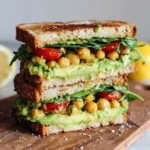
- Mediterranean Roasted Sweet Potato & Chickpea Wrap: Swap black beans for 1½ cups roasted chickpeas (tossed in za’atar and lemon zest); replace slaw with shaved cucumber, kalamata olives, and crumbled feta; drizzle with lemon-tahini sauce.
- Thai-Inspired Peanut Sweet Potato Wrap: Add 1 tbsp Thai red curry paste to sweet potato marinade; use brown rice tortillas; fill with edamame, shredded carrots, and basil; top with spicy peanut-lime sauce (peanut butter, lime, tamari, sriracha, ginger).
- Breakfast Sweet Potato & Egg Wrap: Add 2 scrambled eggs (or tofu scramble) and a sprinkle of everything bagel seasoning; swap slaw for sautéed spinach and cherry tomatoes; use chipotle-maple drizzle instead of lime.
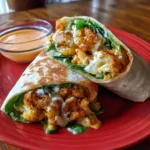
- Buffalo-Spiced Vegan Wrap: Toss roasted sweet potatoes in 2 tbsp buffalo sauce + 1 tsp melted vegan butter; add dairy-free ranch or cashew-based blue cheese crumbles; include shredded romaine and celery rib slivers.
- Harvest Autumn Wrap: Roast sweet potatoes with 1 tbsp maple syrup and ½ tsp cinnamon; add roasted Brussels sprouts and thinly sliced apples; use grain-free almond-flour tortillas; finish with walnut halves and sage-infused olive oil.
- Smoky Black Bean & Sweet Potato Burrito-Style: Use extra-large flour tortillas; add cooked brown rice and fire-roasted corn; include chipotle peppers in adobo (minced); top with avocado crema and pickled jalapeños.
- Low-Carb/Keto Adaptation: Replace tortilla with large butter lettuce leaves or grilled portobello caps; increase avocado and add hemp hearts; omit beans and sweet potatoes (substitute roasted cauliflower florets tossed in nutritional yeast and smoked paprika).
- Gluten-Free Certified Version: Use certified GF corn or cassava tortillas; verify all spices and canned goods are GF-labeled (some paprikas contain wheat fillers); add quinoa for extra protein.
- Protein-Powered Post-Workout Wrap: Add ½ scoop unflavored plant-based protein powder to avocado mash; include grilled tempeh strips marinated in tamari-ginger; boost with sunflower seed butter drizzle.
- Deconstructed “Bowl” Format: Serve roasted sweet potatoes, beans, slaw, and toppings over mixed greens or quinoa; dress with lime-cumin vinaigrette. Ideal for those avoiding grains or preferring utensil-based meals.
- Kid-Friendly “Sweet & Mild” Version: Omit black pepper and cumin; add 1 tsp ground cinnamon and ½ tsp nutmeg to sweet potatoes; use mild cheddar instead of feta; include diced apple and raisins; serve with honey-yogurt dip.
- Restaurant-Quality Gourmet Wrap: Elevate with house-made harissa aioli, candied pecans, micro arugula, and pomegranate arils; garnish with edible flowers and flaky Maldon sea salt.
Health Considerations and Nutritional Value
A single standard Roasted Sweet Potato Wrap (made with whole-wheat tortilla, black beans, avocado, slaw, and spices, no cheese or extras) delivers approximately:
- Calories: 485–520 kcal — balanced between complex carbs (65%), healthy fats (22%), and plant protein (13%)
- Dietary Fiber: 14–17 g (55–70% DV) — supports gut microbiome diversity, regularity, and prolonged satiety
- Vitamin A (as beta-carotene): >400% DV — critical for immune function, vision, skin integrity, and cellular repair
- Vitamin C: 65–80 mg (75–90% DV) — boosts iron absorption, collagen synthesis, and antioxidant defense
- Potassium: ~950 mg (20% DV) — helps regulate blood pressure and fluid balance
- Iron (non-heme): 3.2–3.8 mg (18–21% DV for women, 48–54% for men) — enhanced by vitamin C-rich lime and cabbage
- Monounsaturated Fat: 14–16 g — primarily from avocado and olive oil, associated with reduced LDL cholesterol and improved insulin sensitivity
- Low Sodium: ~420–480 mg (18–20% DV) when using low-sodium beans and minimal added salt — heart-healthy for hypertension management
- Zero Added Sugars: Naturally occurring sugars only (sweet potatoes contain ~10 g per serving, balanced by fiber)
Dietary Accommodations: Naturally vegan, vegetarian, dairy-free, egg-free, and nut-free (unless customized). Easily made soy-free (omit tofu/tempeh), gluten-free (with GF tortilla), or low-FODMAP (swap black beans for firm tofu, omit garlic/onion powders, use chives instead of cilantro).
Functional Benefits: The combination of resistant starch (from cooled sweet potatoes), soluble fiber (beans), and polyphenols (cabbage, lime, spices) supports metabolic health, reduces postprandial glucose spikes, and exhibits anti-inflammatory activity in clinical studies. Regular inclusion may improve endothelial function and reduce oxidative stress biomarkers.
Contraindications & Considerations: Individuals with chronic kidney disease should consult a renal dietitian regarding potassium intake. Those on blood-thinning medications (e.g., warfarin) should maintain consistent vitamin K intake (from cabbage/greens) rather than fluctuating amounts. For irritable bowel syndrome (IBS), start with smaller portions of beans and monitor tolerance—soaking and thorough rinsing reduces oligosaccharides.
Ingredients
- 2 medium sweet potatoes (about 14 oz / 400 g), scrubbed and cut into ¾-inch cubes (skin-on)
- 2 tablespoons extra-virgin olive oil
- 1 teaspoon smoked paprika (not regular paprika)
- ½ teaspoon ground cumin
- ¼ teaspoon garlic powder
- ¼ teaspoon onion powder
- ¾ teaspoon fine sea salt (or to taste)
- ¼ teaspoon freshly ground black pepper
- 4 whole-wheat or sprouted grain tortillas (8–10 inches in diameter)
- 1½ cups cooked black beans (low-sodium canned or home-cooked, rinsed and drained)
- 1 large ripe avocado
- 1½ tablespoons fresh lime juice (plus extra for garnish)
- 1½ cups finely shredded red cabbage
- ¼ cup fresh cilantro leaves, roughly chopped
- Optional: ¼ cup crumbled feta or cotija cheese, 2 tablespoons toasted pepitas, lime wedges for serving
Directions
- Preheat oven to 425°F (220°C). Line a large rimmed baking sheet with parchment paper.
- In a large bowl, combine sweet potato cubes, olive oil, smoked paprika, cumin, garlic powder, onion powder, salt, and black pepper. Toss thoroughly until every cube is evenly coated.
- Spread sweet potatoes in a single, uncrowded layer on the prepared baking sheet. Roast for 25–32 minutes, flipping gently halfway through, until deeply golden-edged and tender when pierced with a fork but still holding shape.
- Remove from oven and let cool for 5 minutes. Meanwhile, prepare remaining components: shred cabbage; rinse and drain black beans; slice or mash avocado with lime juice and a pinch of salt; chop cilantro.
- Warm tortillas using preferred method (dry skillet or oven—see Tips). Place one warm tortilla on a clean surface.
- Spread 2–3 tablespoons mashed avocado across the lower third of the tortilla. Top with ⅓ cup roasted sweet potatoes, ⅓ cup black beans, ¼ cup red cabbage slaw, and a generous sprinkle of cilantro. Add optional cheese or pepitas if desired.
- Fold the bottom edge up over the filling. Fold left and right sides inward. Roll forward tightly but gently to enclose filling completely.
- Let rest seam-side down for 2–3 minutes before serving. Slice in half diagonally or serve whole. Serve immediately with extra lime wedges.
FAQ
- Can I make this wrap ahead of time?
- Yes—with caveats. Roasted sweet potatoes and cooked beans keep refrigerated for up to 4 days. Assemble wraps no more than 2 hours before eating to prevent sogginess. For true make-ahead convenience, prep components separately and store in labeled airtight containers. Add avocado and fresh herbs only at assembly.
- Why use smoked paprika instead of regular paprika?
- Smoked paprika (pimentón) is made from peppers dried over oak fires, lending an irreplaceable deep, campfire-like aroma and subtle sweetness that complements roasted vegetables. Regular paprika lacks this dimension and can taste bland or dusty in comparison.
- My sweet potatoes turned out mushy—what went wrong?
- Mushiness usually stems from overcrowding the pan (steaming instead of roasting), cutting pieces too small, or under-seasoning (salt draws out moisture). Ensure 1-inch space between cubes, cut uniformly to ¾-inch, and season generously before roasting.
- Are sweet potato skins edible and nutritious?
- Absolutely—and highly recommended! The skin contains nearly half the fiber, plus concentrated antioxidants like anthocyanins (in purple varieties) and additional potassium. Just scrub well and leave on for maximum nutrition and texture.
- What’s the best substitute for black beans?
- Excellent alternatives include: pinto beans (mild, creamy), kidney beans (meaty texture), lentils (green or French for firmer bite), or chickpeas (nutty, versatile). For lower-carb, try roasted cauliflower or diced tempeh.
- Can I use a different type of tortilla?
- Yes—whole-wheat, sprouted grain, spinach, tomato, or gluten-free corn tortillas all work beautifully. Avoid ultra-thin or brittle varieties that crack when rolled. For grain-free, try coconut or almond-flour wraps (though they require gentle handling).
- How do I prevent my wrap from falling apart?
- Three keys: (1) Don’t overfill—stick to measured portions; (2) Warm tortillas properly—they become pliable and less prone to tearing; (3) Roll tightly and let rest seam-down so residual heat slightly seals the fold.
- Is this wrap suitable for weight loss?
- Yes—when portion-controlled and prepared without excess oil or high-calorie additions. Its high fiber and water content promote fullness, stabilize blood sugar, and reduce cravings. At ~500 calories, it’s a nutrient-dense, satisfying option that supports sustainable fat loss.
- Can I freeze the assembled wrap?
- Not recommended—avocado and slaw degrade in texture and flavor when frozen/thawed. However, roasted sweet potatoes and bean mixture freeze excellently for up to 3 months. Thaw overnight, reheat gently, and assemble fresh.
- What makes this wrap “anti-inflammatory”?
- It combines multiple evidence-backed anti-inflammatory compounds: anthocyanins (purple sweet potatoes), apigenin (cilantro), sulforaphane (red cabbage), oleocanthal (olive oil), curcumin (if adding turmeric), and omega-3 precursors (walnuts/seeds in variations). Paired with zero refined sugar or industrial oils, it actively counters systemic inflammation.
Summary
The Roasted Sweet Potato Wrap is a nutritionally exceptional, globally inspired, and endlessly customizable plant-forward meal that transforms simple, whole ingredients into a deeply flavorful, texturally dynamic, and satiating experience—perfect for lunch, dinner, or meal prep.
With over 14g of fiber, 400%+ daily vitamin A, heart-healthy fats, and zero added sugars, it delivers profound wellness benefits while honoring culinary tradition, seasonal abundance, and individual dietary expression.