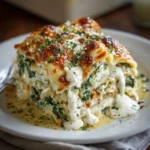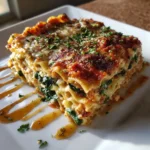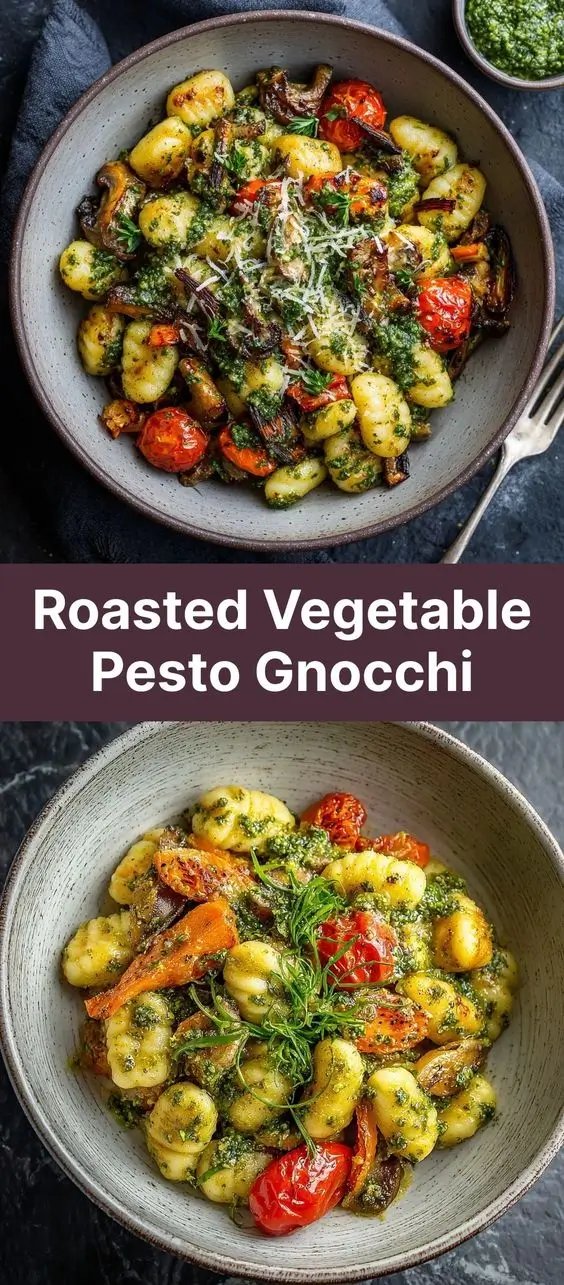
Roasted Vegetable Pesto Gnocchi: A Flavorful Fusion of Comfort and Freshness
The History
Gnocchi, those soft, pillowy Italian dumplings traditionally made from potato or semolina, have been a staple in Italian cuisine since the Renaissance. Originating in Northern Italy—particularly regions like Lombardy, Veneto, and Piedmont—gnocchi were born out of necessity, serving as a way to stretch limited flour supplies by combining them with readily available potatoes. Over centuries, gnocchi evolved from humble peasant fare into beloved comfort food served across Italy and the world.
Pesto, on the other hand, hails from Genoa in Liguria, where the iconic basil-based sauce known as pesto alla genovese has been crafted for generations using fresh basil, garlic, pine nuts, Parmesan cheese, and olive oil. The word “pesto” comes from the Italian verb pestare, meaning “to crush,” referencing the traditional method of grinding ingredients in a mortar and pestle.
The fusion of roasted vegetables, pesto, and gnocchi is a modern culinary innovation that marries rustic Italian tradition with contemporary tastes and health-conscious cooking. As plant-forward diets gained popularity in the 21st century, chefs and home cooks began experimenting with hearty, vegetable-rich pasta dishes. Roasting vegetables enhances their natural sweetness and depth, making them ideal companions for the rich, herbal notes of pesto and the tender bite of gnocchi. This dish represents a celebration of seasonal produce, Mediterranean flavors, and the timeless appeal of Italian cooking—updated for today’s palate.
Ingredients Breakdown
The magic of Roasted Vegetable Pesto Gnocchi lies in its balance of textures and flavors, each ingredient playing a vital role in creating a harmonious dish. Here’s a detailed breakdown:
- Gnocchi (32 oz / 900g): Traditionally made from potato and flour, store-bought or homemade gnocchi provides the soft, chewy base. Look for shelf-stable vacuum-packed gnocchi or refrigerated varieties for best texture.
- Olive Oil (¼ cup + 2 tbsp): Extra virgin olive oil is used both for roasting vegetables and enriching the pesto, adding fruitiness and smooth mouthfeel.
- Zucchini (2 medium): Sliced into half-moons, zucchini adds moisture and mild flavor while absorbing the smoky essence of roasting.
- Red Bell Pepper (2 large): Diced into chunks, red peppers bring sweetness, color, and a slight charred complexity when roasted.
- Cherry Tomatoes (1 pint): Left whole, these burst during roasting, releasing juicy acidity that cuts through the richness of the dish.
- Red Onion (1 large): Cut into wedges, red onion offers sharpness when raw but caramelizes beautifully when roasted, adding depth.
- Eggplant (1 medium): Cubed and salted (optional), eggplant becomes creamy when roasted, contributing an almost meaty texture.
- Fresh Garlic (6 cloves): Used both in the roasted veggies and the pesto, garlic adds pungency that mellows into sweetness when cooked.
- Fresh Basil (2 cups packed): The star of the pesto, fresh basil delivers bright, aromatic notes essential to authentic flavor.
- Fresh Spinach (1 cup): Added to the pesto for extra nutrients and a subtle earthiness without overpowering the basil.
- Pine Nuts (⅓ cup): Toasted lightly, pine nuts provide buttery richness and classic texture in traditional pesto. Can be substituted with walnuts or almonds.
- Grated Parmesan Cheese (½ cup): Adds umami and saltiness; use high-quality aged Parmigiano-Reggiano if possible.
- Lemon Juice (2 tbsp): Brightens the pesto and balances the oil and cheese with a touch of acidity.
- Salt and Black Pepper (to taste): Essential for seasoning every component—don’t underestimate their importance!
- Crushed Red Pepper Flakes (½ tsp, optional): For a gentle heat that complements the sweetness of the vegetables.
- Reserved Pasta Water (½–1 cup): Starchy water helps emulsify the sauce and bind it to the gnocchi.
Step-by-Step Recipe
- Preheat the Oven: Set your oven to 425°F (220°C). Line two large baking sheets with parchment paper or silicone mats for easy cleanup.
- Prepare the Vegetables: Wash and dry all vegetables. Dice the zucchini into ½-inch thick half-moons, cut the red bell peppers into 1-inch chunks, slice the red onion into 8 wedges, cube the eggplant into ¾-inch pieces, and leave cherry tomatoes whole. Place all vegetables in a large mixing bowl.
- Season and Roast: Drizzle the vegetables with ¼ cup of olive oil. Add 4 minced garlic cloves, season generously with salt, black pepper, and red pepper flakes (if using). Toss thoroughly until evenly coated. Spread the vegetables in a single layer across the two baking sheets—crowding causes steaming instead of roasting. Roast for 25–30 minutes, flipping halfway through, until tender, golden brown, and slightly caramelized. Remove and set aside.
- Make the Pesto: While the vegetables roast, prepare the pesto. In a food processor, combine 2 cups packed fresh basil, 1 cup fresh spinach, 2 minced garlic cloves, ⅓ cup toasted pine nuts, ½ cup grated Parmesan, 2 tbsp lemon juice, 2 tbsp olive oil, and a pinch of salt. Pulse until coarsely chopped, then blend while slowly streaming in another 2–3 tbsp of olive oil until smooth and emulsified. Taste and adjust seasoning. Set aside.
- Cook the Gnocchi: Bring a large pot of salted water to a boil. Add the gnocchi and cook according to package instructions—usually 2–4 minutes—until they float to the surface. Just before draining, reserve 1 cup of starchy cooking water. Drain gently, taking care not to break the delicate gnocchi.
- Combine Everything: In a large skillet or Dutch oven over medium heat, add 1 tbsp olive oil. Add the cooked gnocchi and sauté for 2–3 minutes to give them a light golden crust. Add the roasted vegetables and toss gently. Reduce heat to low and stir in the prepared pesto. Begin adding reserved pasta water, one ladle at a time, stirring continuously until the sauce coats everything evenly and reaches a silky consistency.
- Final Touches: Taste and adjust seasoning with more salt, pepper, or lemon juice if needed. Sprinkle with extra Parmesan and a few torn basil leaves for garnish.
- Serve Immediately: Plate the gnocchi hot, ideally in shallow bowls. Serve with crusty bread, a green salad, and a glass of white wine.
Tips
- Don’t Skip the Toast: Lightly toast pine nuts in a dry skillet over medium heat for 2–3 minutes until fragrant and golden. This deepens their flavor dramatically.
- Avoid Soggy Vegetables: Ensure vegetables are cut uniformly and spread in a single layer. Overcrowding leads to steaming instead of roasting, resulting in mushy texture.
- Use Fresh Ingredients: Fresh basil, garlic, and lemon juice make a huge difference in pesto quality. Avoid dried herbs or bottled lemon juice.
- Reserve That Water: The starchy pasta water is crucial for binding the sauce. Never drain gnocchi without saving at least ½ cup.
- Sauté the Gnocchi: After boiling, pan-searing the gnocchi adds a delightful crispy exterior that contrasts beautifully with the soft interior and tender vegetables.
- Make Ahead Smartly: Roast vegetables and prepare pesto up to 2 days in advance. Store separately in airtight containers in the fridge. Reheat veggies before combining.
- Freeze Pesto: Portion pesto into ice cube trays, freeze, then transfer cubes to a freezer bag. Thaw as needed for future meals.
- Watch the Salt: Parmesan is salty, so taste before adding extra salt, especially if using pre-grated cheese which often contains anti-caking agents and added sodium.
Variations and Customizations
This recipe is incredibly versatile—perfect for adapting to seasonal availability, dietary needs, or personal taste. Here are some delicious variations:
- Seasonal Swaps: In spring, use asparagus, peas, and artichokes. In fall, try butternut squash, Brussels sprouts, and apples. Winter calls for roasted carrots, parsnips, and kale.
- Protein Boost: Add grilled chicken strips, seared shrimp, crumbled sausage, or pan-fried tofu for a heartier meal.
- Vegan Version: Omit Parmesan or use a plant-based alternative (like nutritional yeast or vegan Parmesan). Ensure pesto is dairy-free and check gnocchi labels—some contain egg.
- Nut-Free Pesto: Replace pine nuts with sunflower seeds or omit entirely. Add avocado for creaminess instead.
- Gluten-Free Option: Use gluten-free gnocchi (often made from rice or corn). Many brands now offer excellent GF versions.
- Herb Twists: Swap some basil with fresh parsley, arugula, cilantro, or mint for a different aromatic profile.
- Creamy Pesto: Stir in 2–3 tbsp of heavy cream, mascarpone, or Greek yogurt to create a richer, silkier sauce.
- Different Pesto Varieties: Try sun-dried tomato pesto, kale-walnut pesto, or roasted red pepper pesto for a unique twist.
- Spice It Up: Add harissa paste, chili oil, or fresh jalapeño to the pesto for a spicy kick.
- Baked Casserole Style: Combine everything in a baking dish, top with mozzarella, and bake at 375°F (190°C) for 15–20 minutes until bubbly and golden.
Health Considerations and Nutritional Value
Roasted Vegetable Pesto Gnocchi can be a nutritious, well-balanced meal when prepared mindfully. Here’s what you need to know:
- Vegetables Galore: Packed with zucchini, bell peppers, tomatoes, eggplant, and onions, this dish is rich in vitamins A, C, K, potassium, fiber, and antioxidants like lycopene and anthocyanins.
- Healthy Fats: Olive oil and pine nuts provide monounsaturated fats and omega-3s (especially when using walnuts), supporting heart and brain health.
- Carbohydrates: Gnocchi are carb-dense due to their potato base. One serving (about 1.5 cups) contains roughly 45–60g of carbs. Opt for whole grain or legume-based gnocchi for more fiber and protein.
- Protein Content: Naturally moderate—around 8–10g per serving—mainly from Parmesan and pine nuts. Boost it with added proteins like chicken, beans, or tofu.
- Sodium Awareness: Parmesan and store-bought gnocchi can be high in sodium. Use low-sodium options when possible and control added salt.
- Calorie Estimate: A typical serving ranges from 450–600 calories depending on portion size and oil/cheese amounts. To lighten it: reduce oil, increase veggie ratio, use less cheese, or serve over zucchini noodles.
- Digestive Benefits: Fiber from vegetables and minimal processing support gut health. Fermented cheese like Parmesan may also contribute beneficial bacteria.
- Allergen Notes: Contains dairy and tree nuts (pine nuts). Always check labels if serving someone with allergies. Nut-free and dairy-free swaps are available.
Ingredients
- 32 oz (900g) gnocchi (potato or shelf-stable)
- ¼ cup + 2 tbsp extra virgin olive oil (divided)
- 2 medium zucchinis, sliced into half-moons
- 2 large red bell peppers, diced
- 1 pint cherry tomatoes, halved
- 1 large red onion, cut into wedges
- 1 medium eggplant, cubed
- 6 cloves garlic, divided
- 2 cups packed fresh basil leaves
- 1 cup fresh spinach
- ⅓ cup pine nuts, toasted
- ½ cup grated Parmesan cheese
- 2 tbsp fresh lemon juice
- Salt and freshly ground black pepper (to taste)
- ½ tsp crushed red pepper flakes (optional)
- ½–1 cup reserved gnocchi cooking water
Directions
- Preheat oven to 425°F (220°C). Line two baking sheets with parchment paper.
- In a large bowl, combine zucchini, red bell peppers, cherry tomatoes, red onion, eggplant, 4 minced garlic cloves, ¼ cup olive oil, salt, pepper, and red pepper flakes. Toss well.
- Spread vegetables in a single layer on baking sheets. Roast for 25–30 minutes, flipping halfway, until tender and caramelized. Set aside.
- To make pesto: In a food processor, combine basil, spinach, remaining 2 garlic cloves, pine nuts, Parmesan, lemon juice, 2 tbsp olive oil, and a pinch of salt. Blend while slowly adding another 2–3 tbsp olive oil until smooth. Adjust seasoning and set aside.
- Bring a large pot of salted water to a boil. Cook gnocchi according to package directions until they float. Reserve 1 cup cooking water, then drain.
- In a large skillet, heat 1 tbsp olive oil over medium heat. Add gnocchi and sauté for 2–3 minutes until lightly golden.
- Add roasted vegetables and toss. Reduce heat to low, stir in pesto, and gradually add reserved pasta water until sauce is creamy and coats everything.
- Taste and adjust seasoning. Garnish with extra Parmesan and fresh basil.
- Serve immediately.
FAQ
Can I use frozen gnocchi?
Yes! Frozen gnocchi works well. Cook directly from frozen—just extend boiling time by 1–2 minutes. Avoid thawing first, as they may become sticky.
Can I make this ahead of time?
You can roast the vegetables and prepare the pesto 1–2 days in advance. Store separately in the fridge. Reheat veggies before combining with freshly cooked gnocchi.
How do I store leftovers?
Store in an airtight container in the refrigerator for up to 3 days. Reheat gently in a skillet with a splash of water or broth to loosen the sauce.
Can I freeze this dish?
While possible, gnocchi may become mushy upon thawing. Better to freeze pesto and roasted veggies separately. Cook gnocchi fresh when ready to serve.
Why did my pesto turn brown?
Exposure to air causes oxidation. To prevent this, press plastic wrap directly onto the surface of the pesto or add a thin layer of olive oil on top before storing.
What can I substitute for pine nuts?
Walnuts, almonds, cashews, sunflower seeds, or even pistachios work well. Toast them first for maximum flavor.
Is this dish vegetarian or vegan?
It’s vegetarian as written. To make it vegan, omit Parmesan or use a plant-based alternative, and ensure the gnocchi is egg-free.
Can I grill the vegetables instead?
Absolutely! Grill zucchini, peppers, and eggplant on skewers or in a grill basket for a smokier flavor. Tomatoes are best roasted or sautéed to avoid bursting.
My sauce is too thick—how do I fix it?
Add more reserved pasta water, one tablespoon at a time, until desired consistency is reached. You can also stir in a bit of olive oil or lemon juice.
Can I use jarred pesto?
Yes, in a pinch. Use about 1 cup of high-quality store-bought pesto. Enhance it by stirring in fresh lemon juice or extra Parmesan.
Summary
Roasted Vegetable Pesto Gnocchi is a vibrant, satisfying dish that combines tender dumplings with smoky roasted vegetables and a fresh, herbaceous pesto sauce. Perfect for weeknight dinners or weekend entertaining, it’s a celebration of seasonal produce and Italian-inspired comfort.