Introduction
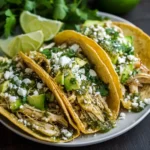
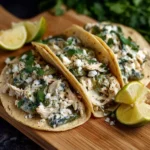
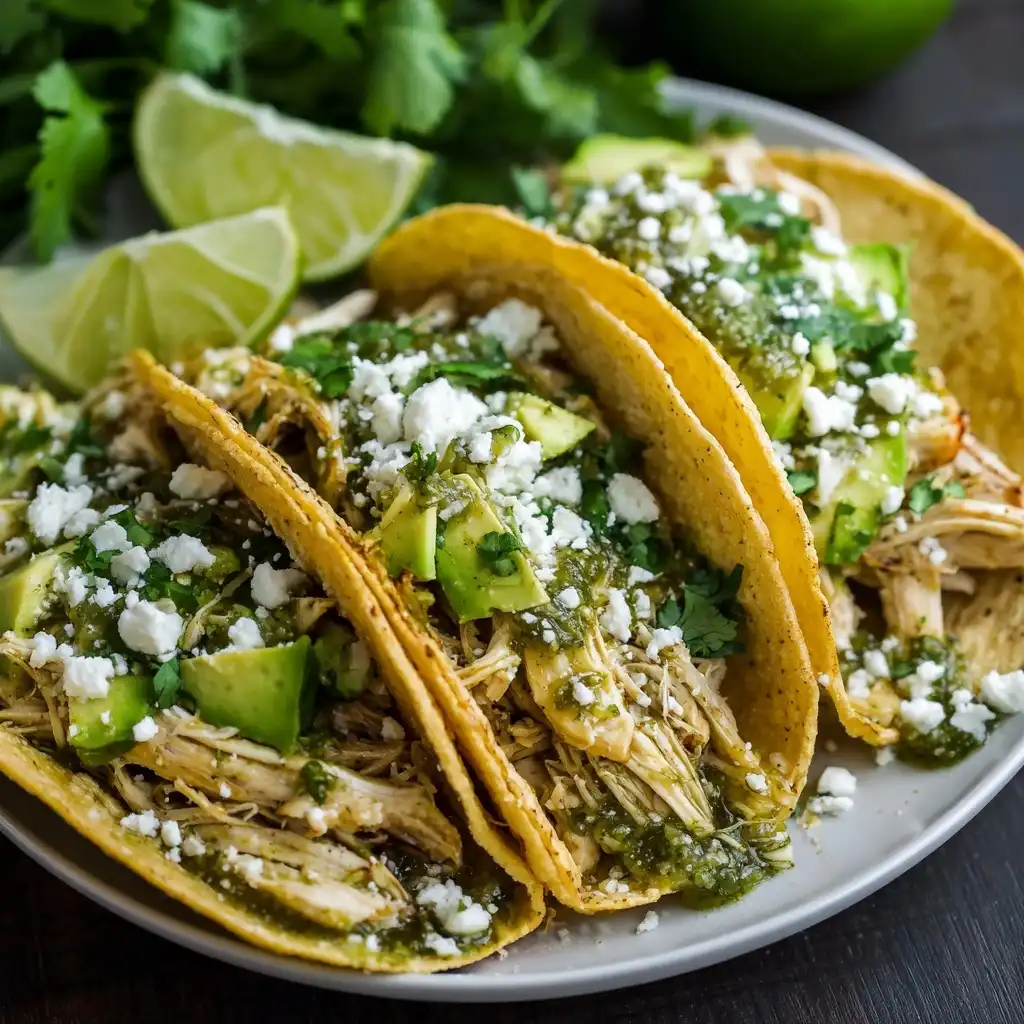
Salsa Verde Chicken Tacos are a vibrant, zesty, and deeply satisfying twist on classic Mexican street tacos—bursting with bright acidity, herbal freshness, and tender, flavorful chicken. Unlike traditional red salsas, this version centers around tangy, tomatillo-based salsa verde, which lends a uniquely crisp, slightly tart, and earthy backbone that perfectly balances the richness of slow-cooked or grilled chicken. Whether served at a casual weeknight dinner, a lively backyard gathering, or as part of a festive taco bar, these tacos deliver bold authenticity with approachable ingredients and adaptable techniques. Their versatility, nutritional profile, and crowd-pleasing appeal make them a modern staple for home cooks seeking both comfort and culinary excitement.
The History
The roots of Salsa Verde Chicken Tacos stretch across centuries and cultures, weaving together Indigenous Mesoamerican traditions, Spanish colonial influences, and regional Mexican innovation. Tomatillos—the cornerstone of authentic salsa verde—were cultivated by the Aztecs and Maya over 2,000 years ago and revered for their culinary and medicinal properties. The word “tomatillo” (from Nahuatl *tomatl*, meaning “plump thing with a navel”) reflects their ancient significance. Early versions of green salsa were made by grinding roasted tomatillos with chiles, cilantro, and wild onions using a metate—a stone grinding tool still used in rural Oaxaca and Michoacán today.
When Spanish colonizers arrived in the 16th century, they introduced poultry—including chickens—to Mexico, gradually replacing some native game birds in everyday cooking. Over time, slow-simmered or braised chicken became a popular protein pairing for the bright, cooling contrast of salsa verde—especially in central highland states like Jalisco and Estado de México, where cooler climates favored hearty yet herbaceous dishes. In the 20th century, as Mexican migration expanded across the U.S., salsa verde gained broader recognition beyond border regions, evolving in American kitchens with accessible ingredients like canned tomatillos and lime juice substitutions—though purists still insist on fire-roasting fresh tomatillos and serranos for depth and smokiness. Today, Salsa Verde Chicken Tacos represent a living tradition: rooted in ancestral knowledge, refined through generations, and continually reimagined with local ingredients and contemporary tastes.
Ingredients Breakdown
Every exceptional Salsa Verde Chicken Taco begins with intentional, layered ingredients—each playing a distinct sensory and functional role. Below is a detailed breakdown of core components, including why they matter and how to select the best versions:
- Tomatillos (1 lb, husked & rinsed): The non-negotiable foundation. Look for firm, bright green to purple-tinged fruits with tight, papery husks. Avoid yellowing or mushy specimens—they indicate overripeness and diminished tartness. Underripe tomatillos offer sharper acidity; fully ripe ones bring subtle sweetness and deeper herbal notes.
- Fresh Serrano or Jalapeño Peppers (2–4, stemmed): Provide clean, vegetal heat. Serranos deliver brighter, more intense spice (23,000–50,000 SHU); jalapeños are milder (2,500–8,000 SHU) and fruitier. For balanced heat, remove seeds and membranes—but retain a few for complexity. Roasting mellows raw pepper bite and adds subtle caramelization.
- White Onion (½ medium, roughly chopped): Adds sharp allium brightness and structural crunch to the salsa. Red onion can be substituted for a sweeter, more colorful variation—but white onion remains traditional for its clean, assertive flavor that doesn’t compete with tomatillos.
- Garlic (2 cloves, peeled): Roasted garlic contributes nutty depth and softens the salsa’s acidity. Raw garlic offers sharper pungency—ideal for bold, rustic versions. Always use fresh cloves; pre-minced jarred garlic lacks aromatic integrity.
- Fresh Cilantro (1 cup packed leaves & tender stems): Not optional—it’s the aromatic soul. Cilantro’s linalool-rich oils lend citrusy, floral lift that cuts through richness. Add it *after* blending to preserve volatile compounds. Coriander seed is not a substitute; it lacks the same volatile oil profile.
- Lime Juice (2–3 tbsp, freshly squeezed): Enhances natural tomatillo tartness and stabilizes color. Bottled lime juice contains preservatives and oxidized notes that dull freshness. Key tip: zest the lime before juicing and stir in a pinch of zest for amplified citrus aroma.
- Chicken Breasts or Thighs (1.5 lbs): Boneless, skinless thighs are preferred for superior moisture retention, richer flavor, and forgiving texture during simmering or grilling. Breasts work well for leaner profiles but require careful timing to avoid dryness. Organic, air-chilled, or pasture-raised poultry yields cleaner taste and better fat marbling.
- Avocado Oil or Light Olive Oil (2 tbsp): High smoke point oils ensure even searing without bitterness. Avocado oil (smoke point 520°F) is ideal for high-heat applications; light olive oil (465°F) adds mild fruitiness. Avoid extra-virgin olive oil for cooking—it burns easily and turns acrid.
- Dried Mexican Oregano (1 tsp, crumbled): Distinct from Mediterranean oregano—this variety is more delicate, citrus-tinged, and subtly minty. It complements rather than dominates. Toast lightly in a dry pan before adding to deepen its terpene profile.
- Cumin Seeds (½ tsp, toasted & ground): Adds warm, earthy, slightly nutty nuance. Whole seeds retain volatile oils longer than pre-ground; toast in a skillet until fragrant (30–45 seconds), then grind immediately for maximum impact.
- Chicken Broth (1 cup, low-sodium): Provides savory depth and tenderizing collagen when simmering. Homemade bone broth is ideal; if using store-bought, choose brands with minimal additives and no MSG. Vegetable broth works for vegetarian adaptations—but will alter umami balance.
- Warm Corn Tortillas (12–16, 6-inch): Authenticity hinges on fresh, pliable, double-fired tortillas. Look for those made with just masa harina, water, and lime (calcium hydroxide)—no preservatives or hydrogenated fats. Heat on a dry comal or cast-iron skillet until puffed and lightly blistered for optimal texture and aroma.
- Optional Garnishes: Crumbled queso fresco (milky, mild, slightly salty), pickled red onions (vinegar + sugar + salt + oregano), radish slices (crisp, peppery contrast), crema mexicana (cooling tang), micro-cilantro, and charred corn kernels (sweet smokiness).
Step-by-Step Recipe
This meticulously tested method ensures restaurant-quality results every time—emphasizing texture control, layering of flavors, and foolproof timing. Total active prep: 35 minutes; total cook time: 45–55 minutes.
- Prep & Roast the Salsa Verde Base: Preheat oven to 425°F (or prepare a gas grill or cast-iron comal over medium-high heat). Husk and rinse tomatillos thoroughly under cool water to remove sticky residue. Pat dry. Arrange tomatillos, whole serranos/jalapeños, quartered white onion, and unpeeled garlic cloves on a parchment-lined baking sheet. Drizzle lightly with 1 tsp avocado oil and roast for 18–22 minutes, flipping halfway, until tomatillos are softened and lightly charred at edges, peppers are blistered and collapsed, and garlic is golden and yielding when pressed. Cool 5 minutes.
- Blend the Salsa Verde: Squeeze roasted garlic from skins into a blender or food processor. Add roasted tomatillos, peppers, onion, ½ cup fresh cilantro, 1½ tbsp lime juice, ½ tsp kosher salt, and ¼ tsp black pepper. Pulse 4–5 times, then blend on medium for 20–30 seconds—just until smooth but still slightly textured (avoid over-blending, which heats and dulls flavor). Taste and adjust: add remaining lime juice for brightness, salt for balance, or a splash of cold water (1 tsp at a time) if too thick. Transfer to a bowl, stir in remaining cilantro, and refrigerate uncovered for at least 20 minutes to let flavors meld and cool.
- Season & Sear the Chicken: Pat chicken thighs completely dry with paper towels—this ensures proper browning. Rub evenly with 1 tsp toasted ground cumin, 1 tsp crumbled Mexican oregano, 1 tsp kosher salt, and ½ tsp black pepper. Heat 1 tbsp avocado oil in a heavy-bottomed Dutch oven or large stainless steel skillet over medium-high heat until shimmering (about 350°F). Carefully place chicken in a single layer—do not crowd. Sear undisturbed for 4–5 minutes per side, until deeply golden brown and crust forms. Remove chicken and set aside on a plate.
- Build the Braising Liquid: Reduce heat to medium. Add remaining 1 tbsp oil, then sauté ¼ cup finely diced white onion for 2 minutes until translucent. Stir in 1 minced garlic clove and cook 30 seconds until fragrant. Pour in 1 cup low-sodium chicken broth and deglaze, scraping up browned bits with a wooden spoon. Bring to a gentle simmer.
- Braise to Perfection: Return seared chicken to pot, nestling pieces into liquid. Cover tightly and reduce heat to low. Simmer gently for 22–26 minutes (for thighs) or 18–20 minutes (for breasts), turning once halfway, until internal temperature reaches 165°F and meat shreds easily with a fork. Remove chicken, rest 5 minutes, then shred with two forks—discarding any excess fat or connective tissue.
- Enrich & Finish the Chicken: Skim excess fat from braising liquid. Pour liquid into blender with ½ cup reserved salsa verde (not the full amount—reserve the rest for serving). Blend until smooth, then return to pot. Stir in shredded chicken and warm over low heat for 3–4 minutes, allowing meat to absorb sauce. Do not boil vigorously—this can toughen proteins. Off heat, fold in 1 tbsp fresh lime juice and a drizzle of avocado oil for sheen and mouthfeel.
- Warm & Char the Tortillas: Heat a dry comal, cast-iron skillet, or griddle over medium-high heat. Warm each corn tortilla for 30–45 seconds per side until soft, pliable, and lightly speckled with char. Stack in a cloth-lined tortilla warmer or covered basket to retain steam and prevent drying.
- Assemble with Intention: Spoon 2–3 generous tablespoons of warm salsa verde chicken onto center of each tortilla. Top with 1 tbsp crumbled queso fresco, 2 thin radish slices, 1 tsp pickled red onions, a zigzag of crema, and a final flourish of cilantro leaves. Serve immediately with lime wedges and extra salsa verde on the side.
Tips
- Tomatillo Texture Tip: For ultra-smooth salsa, pass blended mixture through a fine-mesh strainer—but reserve the pulp for soups or sauces. Most traditional preparations embrace slight graininess for rustic authenticity.
- Heat Control Hack: To tame excessive spice without losing flavor, stir 1 tsp honey or agave nectar into salsa verde—it neutralizes capsaicin without adding sweetness you’ll taste.
- Chicken Moisture Secret: Brine thighs for 30 minutes in 4 cups cold water + ¼ cup kosher salt + 2 tbsp brown sugar before cooking. This boosts juiciness and seasoning penetration—especially helpful for leaner cuts or rushed prep.
- No-Oven Roasting Option: Use a ridged grill pan over medium-high heat. Press tomatillos and peppers down firmly for 3–4 minutes per side until deeply marked and softened. Smoky notes intensify—ideal for indoor grilling.
- Tortilla Lifespan Extension: Wrap warmed tortillas in aluminum foil, then in a kitchen towel, and place in a low oven (200°F) for up to 1 hour. They’ll stay soft, warm, and flexible—not gummy or brittle.
- Salsa Verde Shelf Life: Store in an airtight glass container in the refrigerator for up to 10 days. Flavor deepens over 2–3 days. Freeze in ice cube trays for portioned use in soups, stews, or scrambled eggs—up to 3 months.
- Make-Ahead Magic: Braise chicken and prepare salsa verde up to 2 days ahead. Store separately. Reheat chicken gently in its sauce; bring salsa to room temperature before serving for optimal aroma release.
- Grill Variation: Skip braising—marinate chicken in ½ cup salsa verde + 1 tbsp lime juice + 1 tsp cumin for 1 hour. Grill over medium coals for 6–7 minutes per side until charred and cooked through. Rest 5 minutes before slicing against the grain.
- Acidity Balance Trick: If salsa tastes flat, don’t just add more lime—try a pinch of apple cider vinegar (¼ tsp) for nuanced brightness or a tiny pinch of citric acid powder (used in canning) for professional-level tartness control.
- Zero-Waste Tip: Save tomatillo husks to simmer into a light, herbal broth for rice or beans—or dry and grind into a unique, lime-forward finishing salt.
Variations and Customizations
These tacos thrive on creativity—adaptable to dietary needs, seasonal produce, global pantry staples, and personal preferences—without sacrificing soul or structure.
Protein Variations
- Shredded Pork Carnitas-Style: Substitute pork shoulder (2 lbs), slow-braised with orange zest, bay leaf, and a splash of Mexican Coca-Cola for caramelized depth.
- Grilled Shrimp or Scallops: Marinate seafood in ¼ cup salsa verde + 1 tbsp tequila + 1 tsp smoked paprika; grill 2–3 minutes per side. Delicate, sweet, and fast.
- Blackened Mahi-Mahi: Rub fillets with adobo spices, sear skin-side down in hot oil until crisp, then finish with salsa verde drizzle and mango-jicama slaw.
- Plant-Based “Chicken”: Use king oyster mushrooms (shredded lengthwise and marinated in soy-tamari, liquid smoke, and salsa verde) or soy curls rehydrated in vegetable broth + chipotle.
Cultural & Regional Twists
- Oaxacan-Inspired: Stir 1 tbsp dried hoja santa leaves (or epazote) into braising liquid; top with tasajo-style dried beef crumbles and string cheese.
- Nuevo León Ranchero: Add 2 tbsp roasted poblano strips and crumbled chorizo to chicken filling; garnish with pickled jalapeños and cotija.
- Baja Coastal: Fold in diced avocado and cucumber ribbons; swap crema for coconut-lime crema and finish with toasted pepitas.
- Tex-Mex Fusion: Mix shredded chicken with melted pepper jack, black beans, and corn; serve on flour tortillas with avocado ranch.
Dietary Adaptations
- Gluten-Free: Naturally compliant—verify all broth, spices, and tortillas are certified GF (some masa harina blends contain wheat fillers).
- Keto/Low-Carb: Serve filling in butter lettuce cups or grilled portobello “taco shells”; replace tortillas with jicama or cabbage wraps.
- Paleo/Whole30: Omit dairy garnishes; use coconut milk–based “crema” and almond-based queso alternatives; ensure no added sugars in broth or spices.
- Vegan: Replace chicken with roasted cauliflower steaks or lentil-walnut “picadillo”; boost umami with nutritional yeast and tamari.
- Low-Sodium: Use unsalted broth, omit added salt, rely on herbs, citrus, and roasted aromatics for flavor; opt for low-sodium queso fresco or skip cheese entirely.
Seasonal & Pantry Swaps
- Summer: Add grilled peaches or pineapple to salsa verde; top with fresh mint and crumbled feta.
- Fall: Fold roasted delicata squash cubes and toasted pecans into chicken; garnish with sage-infused crema.
- Winter: Infuse salsa verde with roasted garlic and orange zest; top with pomegranate arils and spiced pepitas.
- Spring: Stir blanched asparagus tips and English peas into warm chicken; finish with lemon thyme and goat cheese.
Health Considerations and Nutritional Value
A single serving (2 tacos with ½ cup chicken filling, 2 small corn tortillas, 2 tbsp salsa verde, 1 tbsp queso fresco, and garnishes) provides approximately:
- Calories: 385–420 kcal
- Protein: 32–36 g (excellent source; supports muscle maintenance and satiety)
- Total Fat: 14–17 g (mostly unsaturated from avocado oil, lime juice, and cheese; heart-healthy profile)
- Saturated Fat: 4.5–5.5 g (within recommended daily limits when consumed as part of balanced diet)
- Carbohydrates: 34–38 g (primarily complex carbs from corn tortillas and fiber-rich tomatillos)
- Dietary Fiber: 6–8 g (25–30% of daily value—supports gut health, blood sugar regulation, and digestive regularity)
- Sugar: 4–6 g (naturally occurring from tomatillos and lime; no added sugars in traditional preparation)
- Sodium: 480–620 mg (moderate; easily reduced by using low-sodium broth and limiting added salt)
Key Nutrient Highlights:
- Vitamin C: Tomatillos provide ~20 mg per ½ cup (22% DV)—a potent antioxidant supporting immune function and collagen synthesis.
- Vitamin K1: Cilantro and tomatillos supply ~18 mcg per serving (15% DV), essential for blood clotting and bone metabolism.
- Potassium: ~620 mg per serving (13% DV) from chicken, tomatillos, and corn—helps regulate blood pressure and fluid balance.
- Iron: Chicken thighs contain heme iron (~2.5 mg/serving), highly bioavailable and critical for oxygen transport.
- Phytonutrients: Tomatillos contain withanolides (anti-inflammatory steroidal lactones) and flavonoids like quercetin; cilantro delivers dodecenal (natural antimicrobial) and beta-carotene.
Health-Conscious Notes:
- Glycemic Impact: Corn tortillas have a moderate glycemic index (~52), especially when paired with high-protein, high-fiber fillings—slowing glucose absorption and preventing spikes.
- Anti-Inflammatory Profile: Capsaicin in chiles, lycopene analogs in tomatillos, and polyphenols in cilantro synergistically combat oxidative stress.
- Digestive Benefits: Fermented potential in homemade salsa verde (if allowed to sit >24 hrs) introduces beneficial microbes; lime juice stimulates gastric acid production.
- Considerations: Those with nightshade sensitivities (tomatillos, peppers, tomatoes) may experience joint discomfort or GI reactions—substitute zucchini or green papaya in salsa base. Lactose-intolerant individuals should opt for lactose-free crema or omit dairy garnishes.
Ingredients
Makes 6 servings (12–16 tacos)
- 1 lb fresh tomatillos, husked and rinsed
- 3–4 fresh serrano peppers (or 4–5 jalapeños), stems removed
- ½ medium white onion, quartered
- 2 garlic cloves, unpeeled
- 1 cup fresh cilantro leaves and tender stems, divided
- 2½–3 tbsp fresh lime juice (from 1–2 limes), plus zest of 1 lime
- 1½ tsp kosher salt, divided
- ½ tsp freshly ground black pepper
- 1.5 lbs boneless, skinless chicken thighs (or breasts), trimmed of excess fat
- 2 tbsp avocado oil, divided
- 1 tsp ground cumin (toasted & freshly ground preferred)
- 1 tsp dried Mexican oregano, crumbled
- 1 cup low-sodium chicken broth
- 12–16 small (6-inch) corn tortillas, preferably handmade
- ¼ cup crumbled queso fresco
- 6–8 thin radish slices
- ¼ cup quick-pickled red onions
- 3–4 tbsp crema mexicana or sour cream thinned with 1 tsp lime juice
- Lime wedges, for serving
Directions
- Preheat oven to 425°F. Line a baking sheet with parchment paper.
- Arrange tomatillos, serranos, onion quarters, and unpeeled garlic on sheet. Drizzle with 1 tsp avocado oil. Roast 18–22 minutes, flipping halfway, until tomatillos are soft and lightly charred and peppers are blistered.
- Let cool 5 minutes. Squeeze garlic from skins. Place roasted vegetables, ½ cup cilantro, 1½ tbsp lime juice, 1 tsp salt, and ½ tsp pepper in blender. Pulse, then blend 20–30 seconds until mostly smooth but slightly textured.
- Transfer to bowl; stir in remaining cilantro and lime zest. Refrigerate uncovered 20+ minutes.
- Pat chicken dry. Rub with cumin, oregano, 1 tsp salt, and ¼ tsp pepper.
- Heat 1 tbsp avocado oil in Dutch oven over medium-high. Sear chicken 4–5 min per side until golden. Remove and set aside.
- Reduce heat to medium. Add remaining 1 tbsp oil; sauté ¼ cup diced onion 2 min. Add 1 minced garlic clove; cook 30 sec.
- Pour in broth and deglaze, scraping browned bits. Return chicken to pot. Cover, reduce heat to low, and simmer 22–26 min (thighs) or 18–20 min (breasts) until 165°F.
- Remove chicken; rest 5 min. Shred with forks.
- Skip fat from broth. Blend broth with ½ cup reserved salsa verde until smooth. Return to pot.
- Add shredded chicken; warm gently 3–4 min over low heat. Off heat, stir in 1 tbsp lime juice and drizzle of avocado oil.
- Heat dry comal or skillet over medium-high. Warm each tortilla 30–45 sec per side until pliable and lightly charred.
- Assemble: Fill tortillas with chicken, top with queso fresco, radishes, pickled onions, crema, and extra salsa verde. Serve with lime wedges.
FAQ
- Can I use canned tomatillos?
- Yes—but drain and rinse thoroughly to remove brine. Fresh roasted tomatillos yield superior depth, brightness, and texture. If using canned, add 1 tsp apple cider vinegar and ½ tsp lime zest to compensate for lost acidity and aroma.
- Why does my salsa verde taste bitter?
- Bitterness usually arises from overcooking tomatillos (especially boiling instead of roasting), using overripe or yellowed fruit, or blending roasted garlic too long (causing oxidation). Solution: Roast only until tender—not mushy—and blend briefly. Add ¼ tsp honey to neutralize if needed.
- Can I make this in a slow cooker?
- Absolutely. Sear chicken first, then place in slow cooker with broth, spices, and ½ cup salsa verde. Cook on LOW 4–5 hours. Shred, stir in remaining salsa verde, and warm 10 min before serving.
- How do I prevent soggy tortillas?
- Never assemble tacos ahead. Warm tortillas just before serving—and keep them wrapped in cloth, not plastic, to avoid steam buildup. If reheating leftovers, quickly char on dry skillet instead of microwaving.
- Is salsa verde spicy?
- It depends on chile variety and preparation. Roasting reduces raw heat, while removing seeds and veins tames intensity. Start with 2 serranos, taste salsa before adding more, and always serve extra lime wedges to balance heat naturally.
- Can I freeze the finished tacos?
- Freeze chicken filling and salsa verde