Introduction
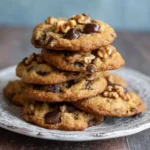
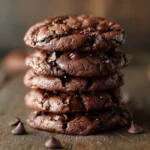
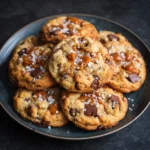
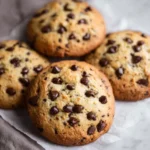
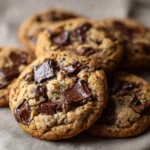
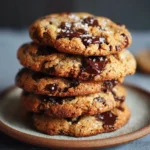
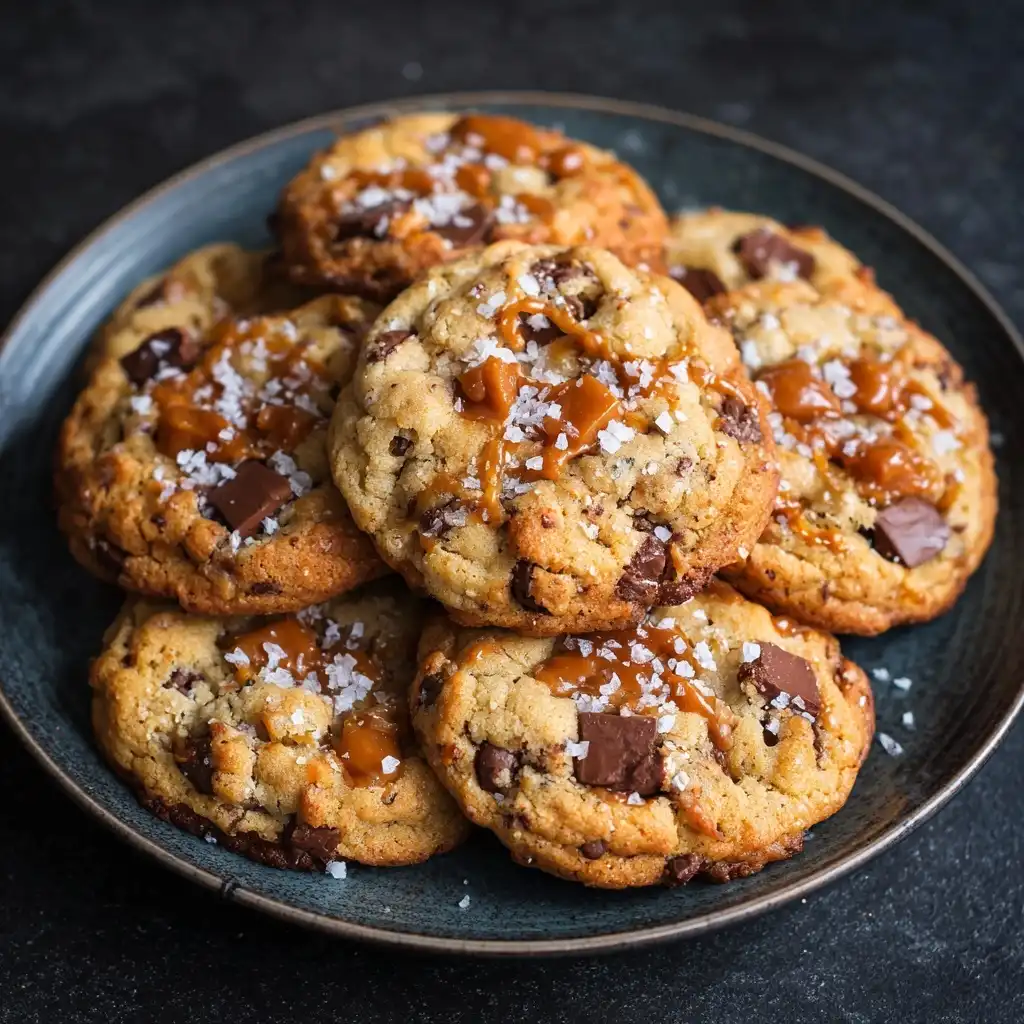
Indulgent, buttery, and irresistibly complex—salted caramel chocolate chip cookies represent the perfect marriage of sweet and savory, texture and temperature, nostalgia and innovation. Far more than a simple upgrade to the classic chocolate chip cookie, this decadent variation layers rich, slow-cooked caramel with flaky sea salt and premium chocolate for a multi-sensory experience that lingers long after the last crumb is gone. Whether served warm from the oven with a molten center, chilled for a firmer, chewier bite, or sandwiched around a scoop of vanilla bean ice cream, these cookies captivate bakers and eaters alike with their depth of flavor, luxurious mouthfeel, and artisanal appeal. They’re not just dessert—they’re an invitation to savor intentionality in every step, from caramelizing sugar to flaking salt by hand.
The History
The evolution of the salted caramel chocolate chip cookie is a delicious convergence of three iconic culinary milestones. It begins with Ruth Wakefield’s 1938 invention of the chocolate chip cookie at the Toll House Inn in Whitman, Massachusetts—a happy accident born from broken Nestlé semi-sweet chocolate bars and resourceful baking. Decades later, French pastry chef Henri Le Roux pioneered modern salted caramel in the 1970s on the Brittany coast, where he blended local sea salt with slow-boiled caramelized sugar and fresh dairy—creating what would become *caramel au beurre salé*, a regional treasure now globally revered. The fusion of these two traditions didn’t gain widespread traction until the early 2000s, when American food media and artisanal bakeries began championing “sweet-and-salty” pairings as a hallmark of sophisticated flavor design. Pioneering bakeries like San Francisco’s Dandelion Chocolate and Brooklyn’s Ovenly helped cement the trend, while viral food blogs and social media platforms accelerated its popularity—transforming the salted caramel chocolate chip cookie from niche bakery item to beloved home-baking staple. Its rise mirrors broader cultural shifts toward layered, balanced, and experiential eating—where contrast isn’t just tolerated, but celebrated as essential.
Ingredients Breakdown
Every ingredient in this recipe plays a precise, functional, and flavorful role—no component is arbitrary. Understanding their interplay ensures consistent, restaurant-quality results:
- Unsalted Butter (1 cup / 2 sticks / 227g): Provides richness, tenderness, and steam-driven lift during baking. Unsalted butter allows full control over sodium levels—critical when pairing with flaky sea salt. European-style butter (82–84% fat) yields even more tender, golden-brown cookies due to lower water content.
- Granulated Sugar (¾ cup / 150g): Adds sweetness, aids in spreading, and contributes to crisp edges via caramelization. Its fine crystals dissolve easily and promote even browning.
- Packed Light Brown Sugar (1 cup / 200g): Supplies moisture (thanks to molasses), acidity (which tenderizes gluten), and deep caramel notes that harmonize with the salted caramel. Dark brown sugar may be substituted for intensified molasses flavor—but expect softer, chewier cookies with stronger bitterness.
- Large Eggs (2, room temperature): Act as emulsifiers and structural binders. Room-temperature eggs incorporate more smoothly into the batter, preventing curdling and ensuring uniform aeration. The yolks add fat and richness; whites contribute slight structure.
- Pure Vanilla Extract (2 tsp): Enhances aromatic complexity and rounds out sharp caramel notes. Real Madagascar bourbon vanilla is ideal; imitation extract lacks nuance and can taste medicinal under heat.
- All-Purpose Flour (2¼ cups / 280g, spooned & leveled): The backbone of structure. Spooning (not scooping) prevents over-measuring, which leads to dry, dense cookies. For optimal chew, consider blending 20% bread flour (½ cup) to increase protein slightly—or 10% cake flour to soften further.
- Baking Soda (1 tsp): Reacts with acidic brown sugar and molasses to produce carbon dioxide, encouraging lift and spread. It also promotes browning via Maillard reaction—essential for that signature golden crust.
- Fine Sea Salt (1 tsp): Balances sweetness, heightens all other flavors, and suppresses bitterness. Not to be confused with table salt (which contains anti-caking agents and iodine); fine sea salt dissolves fully without grittiness.
- Flaky Sea Salt (½–1 tsp, such as Maldon or Fleur de Sel): Added *after* baking for textural contrast and burst-of-salt impact. Its delicate pyramids don’t dissolve completely, delivering intermittent savory sparks that cut through sweetness.
- High-Quality Semi-Sweet Chocolate Chips or Chunks (12 oz / 340g): Choose 55–65% cacao for ideal balance—rich enough to stand up to caramel, sweet enough to complement it. Chunks (rather than chips) create irregular, melty pools; discs offer elegant sheen. Avoid “baking chips” with stabilizers—they resist melting and yield waxy texture.
- Homemade Salted Caramel Swirl (1 cup / ~240g): The soul of the recipe. Made from granulated sugar, heavy cream, unsalted butter, and flaky sea salt—cooked to 245°F (soft-ball stage) for pliability and chew. Store-bought caramel often contains corn syrup, preservatives, or excessive salt—diluting purity and control. Homemade caramel sets just enough to hold shape mid-bake, then softens luxuriously inside the cookie.
Step-by-Step Recipe
- Prepare the Salted Caramel Swirl: In a heavy-bottomed saucepan, melt 1 cup (200g) granulated sugar over medium heat, swirling (not stirring) until fully liquefied and amber-colored (~5–7 minutes). Carefully whisk in ½ cup (120ml) hot heavy cream (it will bubble vigorously). Add 2 tbsp (28g) unsalted butter and ½ tsp flaky sea salt; stir until smooth. Transfer to a heatproof bowl and cool to room temperature (about 45 minutes). Refrigerate 15 minutes—just until thickened but still spoonable. Do not let it harden.
- Cream Butter & Sugars: In a stand mixer fitted with paddle attachment, beat room-temperature unsalted butter, granulated sugar, and packed light brown sugar on medium-high for 3–4 minutes until pale, fluffy, and nearly doubled in volume. Scrape bowl thoroughly. This step incorporates air critical for lift and creates micro-emulsions that retain moisture.
- Add Wet Ingredients: Beat in eggs one at a time, waiting until each is fully incorporated before adding the next. Add vanilla and mix just until combined. Overmixing at this stage develops gluten prematurely—leading to toughness.
- Dry Ingredients & Folding: In a separate bowl, whisk together flour, baking soda, and fine sea salt. Gradually add to wet mixture on low speed, mixing only until *just* no dry streaks remain (~20–30 seconds). Overmixing activates gluten—resulting in rubbery cookies. Use a flexible spatula to fold in chocolate chunks gently.
- Incorporate Caramel Swirl: Drop tablespoon-sized dollops of cooled caramel (about 1 tsp each) over dough. Using the spatula, fold *just 4–5 times*—creating ribbons and marbling, not uniform distribution. Over-folding causes caramel to bleed and pool, creating greasy pockets.
- Chill Dough (Non-Negotiable Step): Cover bowl tightly and refrigerate for *minimum 2 hours, ideally 24–48 hours*. Cold dough prevents overspreading, concentrates flavor, hydrates flour fully, and allows sugars to partially invert—enhancing chew and browning. For best results, portion dough into 3-tablespoon balls *before* chilling—then freeze on parchment for 1 hour, transfer to airtight container for up to 3 months.
- Bake with Precision: Preheat oven to 375°F (190°C) with racks in upper and lower thirds. Line baking sheets with parchment (not silicone mats—they insulate too much). Place chilled dough balls 3 inches apart. Bake for 11–13 minutes—rotating pans top-to-bottom and front-to-back at 7 minutes—until edges are deeply golden and set, centers look soft and slightly puffed, and surface appears matte (not shiny/wet). Underbaked centers will firm as they cool.
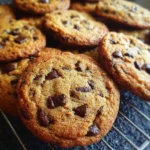
- Finish with Flaky Salt & Rest: Immediately upon removal from oven, sprinkle each cookie with a pinch (⅛ tsp) of flaky sea salt. Let cool on sheet for 8 minutes—this allows internal steam to redistribute, setting structure without drying. Then transfer to wire rack to cool completely (20+ minutes). Cookies continue to set as they cool—cutting too soon causes collapse.
Tips
- Measure by Weight: Use a digital kitchen scale for flour, sugar, and caramel. Volume measurements vary up to 25%—a common cause of inconsistent spread or density.
- Butter Temperature Matters: Butter should be cool to the touch but yield slightly under finger pressure (65–68°F). Too soft = greasy, flat cookies; too cold = poor creaming = dense texture.
- Room-Temperature Eggs Are Essential: Cold eggs can re-harden creamed butter, causing curdling. If forgotten, submerge eggs in warm water for 5 minutes.
- Chill Twice for Ultimate Control: Chill dough after mixing *and again* after portioning—especially in humid or warm kitchens. Even 15 extra minutes helps.
- Rotate & Position Strategically: Ovens have hot spots. Rotating pans ensures even browning. Placing pans on different racks prevents bottom-heavy baking.
- Underbake Intentionally: Cookies bake further on the hot sheet. Pull them when centers still look softly set—not raw, not glossy. They firm dramatically during rest.
- Use Heavy-Duty Baking Sheets: Thin sheets warp and conduct heat unevenly, leading to burnt bottoms. Aluminum half-sheet pans (18″x13″) are gold standard.
- Freeze for Future Joy: Portioned, frozen dough keeps 3 months. Bake straight from freezer—add 1–2 minutes to bake time. No thawing needed.
- Revive Stale Cookies: Place in a sealed container with a slice of fresh bread overnight—the cookies absorb ambient moisture and regain softness.
- Scale Your Batch: Doubling? Mix dry and wet separately first, then combine in stages. Never double caramel—make two separate batches to ensure proper cook temp and consistency.
Variations and Customizations
These cookies are a canvas—elevate, adapt, and personalize while honoring foundational balance:
- Dark Chocolate + Smoked Sea Salt: Swap semi-sweet for 70% dark chocolate and finish with flaky smoked sea salt for campfire warmth and bitter-sweet depth.
- Maple-Bourbon Caramel Swirl: Replace 2 tbsp cream in caramel with real maple syrup; stir in 1 tbsp aged bourbon after removing from heat for woody, vanilla-kissed complexity.
- Peanut Butter Swirl: After marbling caramel, add 2 tbsp creamy peanut butter per dough batch and fold once more for nutty, salty-sweet harmony.
- Oatmeal Salted Caramel: Replace ¾ cup flour with old-fashioned rolled oats (not instant). Soak oats in 2 tbsp milk for 10 minutes pre-mixing to prevent dryness.
- Gluten-Free Adaptation: Use 1:1 GF flour blend *with xanthan gum included*. Add 1 extra tbsp brown sugar and chill dough 36+ hours—GF flours benefit from extended hydration.
- Vegan Version: Substitute butter with cultured vegan butter (e.g., Miyoko’s), flax eggs (2 tbsp ground flax + 5 tbsp water), coconut cream for caramel base, and vegan chocolate. Chill dough 48 hours for best binding.
- Stout-Infused: Replace 2 tbsp cream in caramel with room-temp oat or coffee stout—adds roasted malt notes and subtle bitterness.
- Spiced Caramel: Infuse caramel cream with 1 cinnamon stick, 3 cardamom pods, or ¼ tsp freshly grated nutmeg—strain before combining with sugar.
- Double-Chocolate: Add ¼ cup unsweetened cocoa powder to dry ingredients and use dark chocolate chunks exclusively.
- Cookie Sandwiches: Bake cookies 1–2 minutes longer for sturdier structure. Fill with salted caramel buttercream, dulce de leche, or malted milk ganache.
Health Considerations and Nutritional Value
A single standard-sized cookie (approx. 38g, made with recipe yields) contains roughly:
- Calories: 195–210 kcal
- Total Fat: 11–12g (7–8g saturated)
- Carbohydrates: 23–25g (18–20g sugars)
- Protein: 2g
- Sodium: 140–160mg (pre-salt finish); +40–60mg from flaky salt topping
- Fiber: <1g (increases with oat or whole wheat adaptations)
While undeniably indulgent, mindful preparation offers avenues for thoughtful enjoyment. Opting for organic cane sugar reduces pesticide load; using grass-fed butter increases beneficial CLA and omega-3s; choosing ethically sourced, high-cocoa chocolate boosts flavonoids and antioxidants. Portion control remains key—baking oversized cookies encourages slower, more intentional eating. For those managing blood sugar, reducing total sugar by 15% and adding 1 tbsp ground almonds or flaxseed supports satiety and glycemic moderation. Though not “health food,” these cookies deliver psychological nourishment—comfort, creativity, ritual—that science increasingly links to holistic well-being. Enjoy them as part of a varied, joyful, and balanced relationship with food—not as moral choices, but as moments of presence.
Ingredients
- 1 cup (2 sticks / 227g) unsalted butter, room temperature
- ¾ cup (150g) granulated sugar
- 1 cup (200g) packed light brown sugar
- 2 large eggs, room temperature
- 2 tsp pure vanilla extract
- 2¼ cups (280g) all-purpose flour, spooned & leveled
- 1 tsp baking soda
- 1 tsp fine sea salt
- ½–1 tsp flaky sea salt (Maldon or Fleur de Sel), for finishing
- 12 oz (340g) high-quality semi-sweet chocolate chips or chopped chocolate (55–65% cacao)
- For Salted Caramel Swirl:
- 1 cup (200g) granulated sugar
- ½ cup (120ml) heavy cream, heated until steaming
- 2 tbsp (28g) unsalted butter
- ½ tsp flaky sea salt
Directions
- Make the Salted Caramel Swirl: In a heavy-bottomed, light-colored saucepan (for easy color monitoring), heat sugar over medium heat. Do not stir—swirl pan gently as sugar melts and transitions from grains → liquid → amber (≈5–7 min). When deep amber, carefully pour in hot cream (stand back—it will bubble violently). Whisk constantly until smooth. Stir in butter and flaky salt. Transfer to heatproof bowl. Cool 45 min at room temp, then chill 15 min until thick but spoonable.
- Cream Butter & Sugars: Using stand mixer with paddle, beat butter, granulated sugar, and brown sugar on medium-high 3–4 min until light, fluffy, and pale. Scrape bowl.
- Add Eggs & Vanilla: Beat in eggs one at a time, fully incorporating each before adding next. Add vanilla; mix 15 sec. Stop immediately—do not overmix.
- Combine Dry Ingredients: In separate bowl, whisk flour, baking soda, and fine sea salt.
- Incorporate Dry Mixture: With mixer on low, gradually add dry ingredients. Mix only until no dry streaks remain (~25 sec). Overmixing = tough cookies.
- Fold in Chocolate & Caramel: Using spatula, gently fold in chocolate chunks. Drop 1 tsp cooled caramel onto dough in 8–10 places. Fold 4–5 times—just enough to marble, not homogenize.
- Chill Dough: Cover tightly. Refrigerate minimum 2 hours, ideally 24–48 hours. For portioned dough: roll into 3-tbsp balls, freeze 1 hr on parchment, then store airtight up to 3 months.
- Preheat & Prep: Preheat oven to 375°F (190°C). Line baking sheets with parchment.
- Bake: Place dough balls 3″ apart. Bake 11–13 min—rotating pans at 7 min—until edges are golden and set, centers soft and puffed. Surface should appear matte, not wet.
- Finish & Cool: Immediately sprinkle each cookie with pinch flaky salt. Cool on sheet 8 min. Transfer to wire rack. Cool fully (20+ min) before serving.
FAQ
- Can I use store-bought caramel?
- Yes—but choose a thick, dairy-based variety labeled “soft” or “pourable.” Avoid corn-syrup-heavy or overly salty brands. Warm slightly before swirling. Homemade is strongly recommended for superior control, texture, and clean flavor.
- Why did my cookies spread too thin?
- Most common causes: butter too warm, insufficient chilling, expired baking soda, or over-creaming. Also check oven temp with an oven thermometer—many run hot, accelerating spread.
- Can I make these gluten-free or vegan?
- Absolutely—with caveats. For GF: use certified GF 1:1 blend with xanthan gum; increase chill time to 36+ hrs; add 1 extra tbsp brown sugar. For vegan: swap butter for cultured vegan butter, eggs for flax eggs, cream for full-fat coconut milk, and use vegan chocolate. Expect denser texture—chill 48 hrs for best cohesion.
- How do I get perfectly chewy centers?
- Underbake intentionally, chill dough thoroughly, and use brown sugar’s moisture-retaining power. Avoid overmixing—gluten development is the enemy of chew.
- Can I freeze baked cookies?
- Yes! Cool completely, layer between parchment in airtight container, freeze up to 2 months. Thaw at room temp 30 min or re-warm in 325°F oven 3–4 min.
- My caramel seized or hardened in the dough—what happened?
- Caramel was too cold or over-chilled before folding. It must be cool but still fluid—like softened honey. Re-soften gently in microwave (5-sec bursts) if needed before swirling.
- What’s the best chocolate to use?
- Chopped high-quality chocolate bars (Valrhona, Guittard, Ghirardelli 60%) yield better melt and flavor than chips. Avoid “baking chips”—they contain wax or soy lecithin that hinders melting.
- Can I reduce the sugar?
- You may reduce granulated sugar by 2 tbsp safely. Reducing brown sugar compromises chew and moisture. For lower-sugar versions, explore monk fruit–erythritol blends formulated for baking—but expect texture shifts and longer chill times.
- How do I prevent burnt bottoms?
- Use light-colored, heavy-gauge baking sheets; avoid dark nonstick pans; line with parchment (not silicone); rotate pans; and bake on middle rack—not lowest position.
- Can I add nuts?
- Yes! Fold in 1 cup toasted walnuts, pecans, or macadamias with chocolate. Toasting enhances flavor and crunch—skip raw nuts, which turn bitter when baked.
Summary
These salted caramel chocolate chip cookies redefine comfort baking through meticulous technique, layered flavor architecture, and mindful ingredient selection—where slow-simmered caramel meets flaky sea salt and ethically sourced chocolate in a buttery, golden-brown embrace. They reward patience, celebrate contrast, and transform everyday moments into occasions worthy of pause, pleasure, and shared delight.
Baked with intention and finished with reverence for balance, each cookie is both a nostalgic homage and a forward-looking expression of what dessert can—and should—be: deeply satisfying, thoughtfully crafted, and unforgettably human.