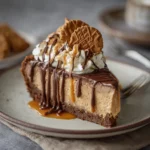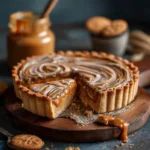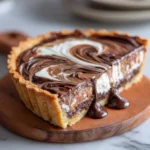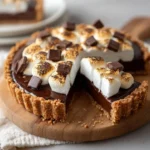
Introduction
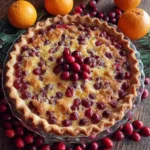
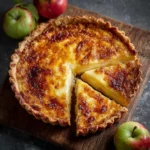
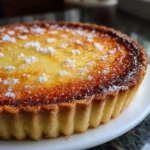
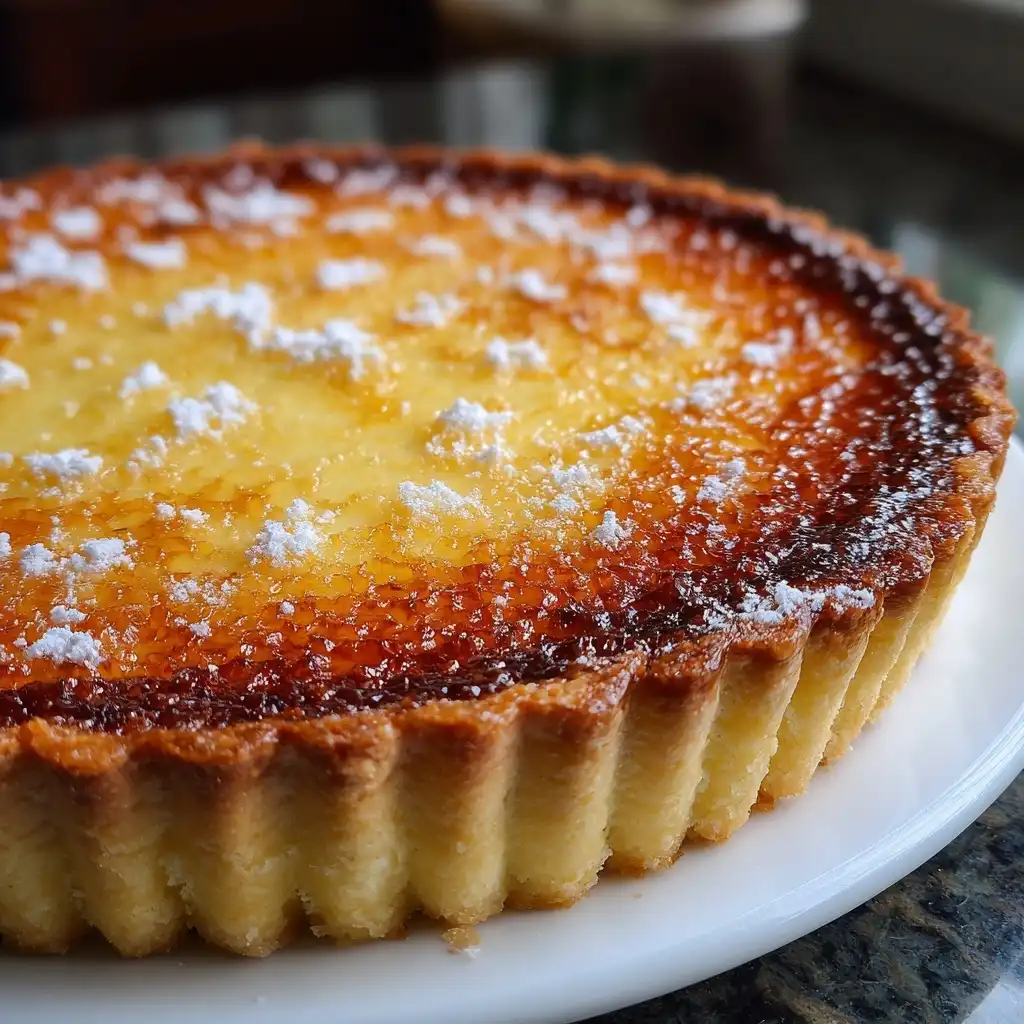
The Salted Honey Custard Tart is a modern, soul-soothing pastry that masterfully bridges tradition and innovation—melding the velvety elegance of classic French crème caramel with the rustic warmth of artisanal honey and the bright, balancing whisper of sea salt. More than just a dessert, it’s an experience: golden-hued custard trembling delicately beneath a glossy, amber glaze; a buttery shortcrust shell that yields with tender resistance; and a finish that lingers—sweet, floral, saline, and deeply comforting. Whether served at a sun-dappled brunch, a refined dinner party finale, or as a quiet indulgence on a rainy afternoon, this tart speaks in soft, sophisticated tones—never cloying, always intentional. Its growing popularity across boutique patisseries, food blogs, and home kitchens alike reflects a broader cultural shift toward mindful sweetness: desserts that honor ingredient integrity, celebrate terroir-driven flavors (especially raw, local honey), and embrace the nuanced interplay of salt and sugar that heightens perception, deepens complexity, and satisfies on both physiological and emotional levels.
The History
While no single “inventor” claims the Salted Honey Custard Tart, its lineage is a rich tapestry woven from centuries of custard evolution and regional confectionery traditions. At its core lies the ancient art of custard—a technique dating back to medieval Europe, where eggs were used to thicken milk or cream into luxurious, silken sauces and fillings. The French flan and Spanish flan, themselves descendants of Roman tyropatina (cheese-and-egg tarts), laid the groundwork for baked custard tarts encased in pastry. Meanwhile, honey has been humanity’s primary sweetener for over 8,000 years—evidenced in cave paintings and Egyptian tomb offerings—and remained central to European baking until cane sugar became widely accessible in the 18th century. The deliberate pairing of honey and salt, however, surged into mainstream culinary consciousness much later: inspired by the 2000s “salted caramel” revolution popularized by chefs like Pierre Hermé and propelled by American artisanal chocolatiers and ice cream makers, this flavor duet migrated into pastry with elegant restraint. The Salted Honey Custard Tart emerged organically in the late 2010s—first in Melbourne’s café culture and London’s Notting Hill bakeries—as chefs sought alternatives to overly sweet, vanilla-saturated desserts. It gained traction through influential food publications (Food & Wine, Bon Appétit), viral Instagram reels showcasing its wobble and crackle, and the rise of small-batch honey producers who emphasized varietal distinctions (e.g., lavender-infused Provence honey, buckwheat honey from upstate New York, orange blossom honey from Andalusia). Today, it stands not as a novelty, but as a canonical modern classic—one that honors history while tasting unmistakably of *now*.
Ingredients Breakdown
Every element in this tart serves a precise functional and sensory role—no ingredient is incidental. Below is an exhaustive, chef-level analysis:
- Shortcrust Pastry (Pâte Brisée): A blend of all-purpose flour (for structure) and cake flour (for tenderness), chilled unsalted butter (for flakiness and rich dairy notes), a touch of granulated sugar (for browning and subtle sweetness), fine sea salt (to enhance all other flavors), cold water or ice water (to hydrate without activating gluten excessively), and sometimes a splash of apple cider vinegar or vodka (to inhibit gluten formation and yield extra tenderness).
- Honey: The star sweetener and flavor anchor. Raw, unfiltered honey is non-negotiable for depth—its enzymatic activity, pollen content, and volatile aromatic compounds (e.g., benzaldehyde in almond honey, linalool in citrus honeys) create layers vanilla cannot replicate. Lighter honeys (acacia, clover) offer clean, floral sweetness; darker varieties (buckwheat, chestnut) contribute molasses-like richness, earthy bitterness, and higher mineral content. Pasteurized honey lacks enzymatic nuance and often contains added corn syrup, dulling the final profile.
- Eggs: Large, pasture-raised eggs at room temperature ensure even emulsification and optimal coagulation between 160–170°F (71–77°C). Egg yolks provide fat, emulsifiers (lecithin), and color; whole eggs add structure and gentle lift. Too many eggs yield rubberiness; too few cause weeping or collapse.
- Cream & Milk: A strategic blend—full-fat heavy cream (36–40% fat) delivers unctuous mouthfeel and slows curdling, while whole milk (3.25% fat) adds lactose for subtle sweetness and balances richness. Some recipes include a splash of crème fraîche or mascarpone for tang and protein stability.
- Sea Salt: Not just “salted”—*thoughtfully salted*. Flaky Maldon or hand-harvested Celtic grey salt is sprinkled *twice*: once into the warm custard base (to integrate evenly) and again as a finishing garnish (for textural pop and immediate saline burst). Iodized table salt imparts metallic off-notes and overpowers delicate aromatics.
- Vanilla (Optional but Recommended): A split Madagascar bourbon bean, seeds scraped and pod steeped in warm cream, adds woody, creamy depth that complements—not competes with—honey. Pure extract works, but avoid artificial vanillin, which clashes with honey’s natural phenolics.
- Optional Enhancements: A pinch of ground cardamom (bright, citrusy), toasted sesame oil (nutty umami), lemon zest (brightness to cut richness), or a swirl of brown butter (caramelized nuttiness) can elevate without overwhelming.
Step-by-Step Recipe
- Prepare the Tart Shell (Minimum 1 hour ahead, preferably overnight): In a food processor, pulse 1 ¼ cups (160g) all-purpose flour, ¼ cup (30g) cake flour, 2 tbsp (25g) granulated sugar, and ½ tsp fine sea salt until combined. Add ½ cup (115g) chilled, cubed unsalted butter and pulse 12–15 times until mixture resembles coarse crumbs with pea-sized butter bits. Drizzle in 3–4 tbsp ice water, 1 tsp at a time, pulsing just until dough begins to clump. Turn onto parchment, gather into a disk, wrap tightly, and chill for at least 1 hour (or freeze for up to 3 months). Preheat oven to 375°F (190°C). Roll dough on lightly floured surface to ⅛” thickness, fit into 9-inch (23cm) fluted tart pan with removable bottom, trim edges, prick base with fork, and chill 15 minutes. Line with parchment and pie weights/dried beans, then blind-bake for 18 minutes. Remove weights and parchment; bake 10–12 more minutes until golden and dry. Cool completely on wire rack.
- Infuse the Dairy (15 minutes): In a medium saucepan, combine 1 cup (240ml) heavy cream, ½ cup (120ml) whole milk, seeds and pod of 1 vanilla bean (or 1 tsp pure extract), and ¼ tsp fine sea salt. Heat over medium-low until steaming and small bubbles form at edges (do not boil). Remove from heat, cover, and steep 15 minutes.
- Whisk the Egg Base: In a large heatproof bowl, whisk 4 large egg yolks and 2 whole eggs until smooth and slightly pale. Gradually whisk in ¾ cup (255g) raw, strained honey (warmed gently if crystallized) until fully incorporated and no streaks remain. Avoid over-whisking to prevent excess air.
- Temper & Strain: Slowly pour the warm cream mixture into the egg-honey mixture in a thin stream, whisking constantly to prevent scrambling. Once combined, strain *twice* through a fine-mesh sieve into a clean bowl to remove vanilla pod bits, any cooked egg flecks, and ensure silkiness.
- Bake with Precision (Bain-Marie Method): Place the cooled tart shell on a rimmed baking sheet. Pour custard gently into shell. Carefully pour hot water into the sheet until it reaches halfway up the tart pan sides (this gentle, even heat prevents cracking and ensures velvety texture). Bake at 325°F (165°C) for 40–50 minutes—until edges are set but center jiggles *just slightly* like Jell-O when nudged (internal temp should read 170–175°F / 77–79°C on an instant-read thermometer). Avoid opening oven door for first 35 minutes.
- Cool & Chill (Non-Negotiable): Carefully remove tart from water bath. Cool on wire rack for 1 hour at room temperature. Then refrigerate, uncovered, for *at least 6 hours*, preferably overnight. This slow, cold set allows proteins to fully relax, prevents weeping, and deepens flavor integration.
- Finish & Serve: Run a thin knife around edge to loosen. Remove outer ring. Gently brush top with warmed, strained honey for glossy sheen. Sprinkle *very lightly* with flaky sea salt (Maldon preferred). Serve chilled, sliced with a hot, thin-bladed knife wiped between cuts. Optional garnishes: edible flowers (borage, violets), micro mint, or a quenelle of crème fraîche.
Tips
- Temperature is Everything: Eggs and dairy must be at room temperature before combining—cold eggs cause uneven tempering and graininess. Butter for pastry must be *cold* (not cool)—if it feels pliable, it’s too warm, risking toughness.
- Honey Handling: Never boil honey—it degrades enzymes, caramelizes sugars harshly, and can develop bitter notes. Warm gently in a bowl over simmering water (double boiler) only if crystallized.
- Straining is Sacred: Skipping the double-strain guarantees subtle grittiness—a cardinal sin in custard. Use a chinois or fine-mesh sieve lined with cheesecloth for ultimate silk.
- Water Bath Wisdom: Use boiling water (not lukewarm) for the bain-marie—it maintains consistent heat. Ensure parchment or foil wraps the pan base tightly to prevent water seepage, which ruins crust texture.
- Patience Pays Off: Rushing the chill time results in sloppy slices, weeping, and muted flavor. Overnight chilling allows honey’s complex volatiles to harmonize with dairy and salt.
- Oven Calibration Matters: Many home ovens run hot. Use an oven thermometer. If custard puffs or cracks, temperature is too high or water bath is insufficient.
- Knife Technique: Dip knife in hot water and wipe dry before each slice. This ensures clean cuts and preserves the custard’s pristine surface.
- Crust Protection: If edges brown too quickly during blind-baking, cover loosely with foil. For final bake, shield crust with foil rings if needed.
Variations and Customizations
This tart is a canvas for creativity—rooted in technique but endlessly adaptable. Here are rigorously tested, chef-approved variations:
- Gluten-Free Version: Substitute pastry with a blend of 1 cup (120g) almond flour, ½ cup (60g) oat flour (certified GF), ¼ cup (30g) tapioca starch, 2 tbsp (15g) coconut flour, ¼ tsp xanthan gum, 2 tbsp sugar, ¼ tsp salt, and 6 tbsp cold coconut oil + 2 tbsp cold water. Press into pan and pre-bake at 350°F (175°C) for 20 minutes.
- Vegan Adaptation: Replace eggs with ¼ cup (60g) silken tofu + 2 tbsp (15g) cornstarch + 1 tsp agar powder (bloomed in 2 tbsp water); use full-fat coconut milk instead of dairy; choose vegan honey alternative (e.g., “bee-free” honey made from apples and sugar beet, or date syrup blended with lemon juice for acidity). Set with agar requires boiling the mixture for 1 minute post-tempering.
- Herbal Infusions: Steep 1 tbsp fresh thyme, lavender buds, or lemon verbena in warm cream for 20 minutes. Strain thoroughly. Pairs exquisitely with orange blossom honey.
- Nutty Depth: Toast ¼ cup (30g) sliced almonds or hazelnuts; fold into custard base before straining. Or drizzle finished tart with brown butter honey glaze (melt 2 tbsp butter, cook until nutty, whisk in 2 tbsp honey and pinch salt).
- Spiced Complexity: Add ¼ tsp freshly grated nutmeg, ⅛ tsp ground cardamom, or a tiny pinch of saffron (steeped in 1 tsp warm cream) to the dairy infusion.
- Textural Contrast: Press a layer of crushed amaretti cookies, candied ginger pieces, or toasted sesame seeds into the pre-baked crust before adding custard.
- Seasonal Fruit Accent: Top individual slices with roasted figs, poached quince, or a vibrant blackberry coulis—*never* mix fruit into custard, as acidity causes splitting.
- Mini-Tart Format: Bake in 3-inch (7.5cm) tartlet pans. Reduce bake time to 22–28 minutes. Ideal for weddings or tasting menus.
Health Considerations and Nutritional Value
Approached mindfully, the Salted Honey Custard Tart offers notable nutritional virtues beyond mere indulgence—though portion awareness remains key. A standard 1/12 slice (approx. 140g) provides roughly:
- Calories: 280–320 kcal (moderate for a dessert, especially given satiating fats and proteins)
- Macronutrients: 4–5g protein (from eggs and dairy), 16–19g total fat (mostly unsaturated from cream and butter, plus beneficial short-chain fatty acids), 28–32g carbohydrates (primarily from honey’s natural fructose/glucose, with minimal added sugar)
- Micronutrients & Bioactives: Significant B vitamins (B2, B12, D from dairy), choline (critical for brain health, abundant in egg yolks), calcium, phosphorus, and selenium. Raw honey contributes trace enzymes (diastase, invertase), antioxidants (phenolic acids, flavonoids), and prebiotic oligosaccharides that feed beneficial gut bacteria.
- Glycemic Impact: Honey has a lower glycemic index (GI 35–55) than table sugar (GI 65), meaning slower, steadier blood sugar elevation—especially beneficial when paired with fat and protein, which further blunt glucose spikes.
- Sodium Context: Total sodium per slice is ~120–180mg—well within daily recommendations (under 2,300mg), and the salt serves a functional purpose: enhancing sweetness perception, reducing overall sugar need, and supporting electrolyte balance.
- Considerations: Not suitable for infants under 1 year (botulism risk from raw honey). Those with lactose intolerance may tolerate small servings due to honey’s natural lactase-like activity and low-lactose cream/milk ratio—but individual tolerance varies. Vegan or GF versions alter nutrient profiles (e.g., almond flour adds vitamin E and magnesium; coconut milk increases saturated fat).
Ultimately, this tart exemplifies “nutrient-dense indulgence”—a dessert where quality ingredients deliver measurable physiological benefits alongside profound sensory pleasure, aligning perfectly with modern principles of intuitive eating and culinary wellness.
Ingredients
- For the Shortcrust Pastry:
- 1 ¼ cups (160g) all-purpose flour
- ¼ cup (30g) cake flour
- 2 tablespoons (25g) granulated sugar
- ½ teaspoon fine sea salt
- ½ cup (115g) unsalted butter, very cold, cubed
- 3–4 tablespoons ice water
- For the Salted Honey Custard Filling:
- 1 cup (240ml) heavy cream (36–40% fat)
- ½ cup (120ml) whole milk
- 1 vanilla bean, split and seeds scraped (or 1 teaspoon pure vanilla extract)
- ¼ teaspoon fine sea salt (plus more for finishing)
- 4 large egg yolks
- 2 large whole eggs
- ¾ cup (255g) raw, unfiltered honey (e.g., wildflower, acacia, or orange blossom)
- For Finishing:
- 1 tablespoon raw honey, warmed
- Flaky sea salt (e.g., Maldon), for garnish
Directions
- Make the Pastry: In a food processor, combine flours, sugar, and salt. Pulse to mix. Add cold butter and pulse until mixture resembles coarse meal with visible pea-sized butter pieces. Drizzle in ice water, 1 teaspoon at a time, pulsing just until dough begins to clump together. Turn dough onto a sheet of parchment paper, gather into a disk, wrap tightly, and refrigerate for at least 1 hour (or up to 3 days).
- Pre-Bake the Shell: Preheat oven to 375°F (190°C). On a lightly floured surface, roll chilled dough to ⅛-inch thickness. Carefully transfer to a 9-inch fluted tart pan with removable bottom. Press gently into corners and up sides. Trim excess dough. Prick base all over with a fork. Freeze for 15 minutes. Line with parchment paper and fill with pie weights or dried beans. Bake for 18 minutes. Carefully remove weights and parchment. Return shell to oven and bake 10–12 minutes more, until golden brown and dry to the touch. Cool completely on a wire rack.
- Infuse the Cream: In a medium saucepan, combine cream, milk, vanilla seeds and pod (or extract), and ¼ tsp salt. Heat over medium-low heat until steaming and small bubbles form around the edges (do not boil). Remove from heat, cover, and let steep for 15 minutes. Remove vanilla pod and scrape any remaining seeds into the mixture.
- Whisk Egg & Honey Base: In a large heatproof bowl, whisk egg yolks and whole eggs until smooth. Whisk in honey until fully combined and glossy.
- Temper the Eggs: Slowly pour the warm cream mixture into the egg-honey mixture in a thin, steady stream, whisking constantly. Strain the mixture through a fine-mesh sieve into a clean bowl. Strain again for absolute smoothness.
- Bake the Custard: Reduce oven temperature to 325°F (165°C). Place the cooled tart shell on a rimmed baking sheet. Pour the strained custard into the shell. Carefully pour enough hot water into the baking sheet to reach halfway up the sides of the tart pan. Bake for 40–50 minutes, until the edges are set and the center jiggles only slightly when gently shaken. A thermometer inserted into the center should read 170–175°F (77–79°C).
- Cool and Chill: Carefully remove the tart from the water bath. Let cool on a wire rack for 1 hour. Refrigerate, uncovered, for at least 6 hours—or preferably overnight—to fully set and develop flavor.
- Finish and Serve: Run a thin knife around the edge to loosen. Carefully remove the outer ring of the tart pan. Gently brush the surface with warmed honey for shine. Sprinkle *very sparingly* with flaky sea salt. Slice with a hot, clean knife. Serve chilled.
FAQ
- Can I use store-bought shortcrust pastry?
- Yes—but with caveats. Most commercial pastries contain palm oil or hydrogenated fats, yielding a greasy, less flavorful crust. If using, choose all-butter, frozen varieties (e.g., Dufour, Trader Joe’s All-Butter). Blind-bake per package instructions, then proceed. Homemade remains superior for texture and control.
- Why did my custard crack or weep?
- Cracking usually signals overbaking or rapid temperature change (e.g., cooling too fast). Weeping (liquid pooling) stems from overcooking (curdled proteins), insufficient chilling, or undissolved honey granules. Always use a water bath, verify internal temp, and chill overnight.
- Can I make this ahead for an event?
- Absolutely—and recommended. Fully baked and chilled tarts hold beautifully for 3 days refrigerated, covered loosely with parchment (not plastic, which traps condensation). Add finishing salt and honey glaze no more than 30 minutes before serving.
- What if my honey is crystallized?
- Gently warm the jar in a bowl of hot (not boiling) water for 10–15 minutes, stirring occasionally until dissolved. Never microwave—high heat destroys delicate flavor compounds.
- Can I freeze the tart?
- The baked, chilled tart freezes well for up to 2 months. Wrap *tightly* in parchment, then foil, then place in a freezer bag. Thaw overnight in the refrigerator—do not thaw at room temperature, which encourages condensation and sogginess. Add finishing touches after thawing.
- Is there a low-sugar version?
- Reducing honey compromises texture and flavor balance. Instead, consider using a naturally lower-GI honey (e.g., tupelo) and pairing with high-fiber, low-sugar accompaniments (roasted rhubarb compote, unsweetened whipped coconut cream). True “low-sugar” custard requires sugar alcohols or intense sweeteners, which alter mouthfeel and may cause digestive upset.
- Can I omit the salt entirely?
- You can—but you shouldn’t. Salt isn’t merely “seasoning”; it’s a biochemical catalyst that suppresses bitterness, amplifies sweetness, and integrates all flavors. Omitting it results in a flat, one-dimensional, and cloyingly sweet dessert. Even ¼ tsp transforms the experience.
- Why does the recipe specify room-temperature eggs?
- Cold eggs cause the warm cream to cool rapidly upon contact, leading to uneven emulsification, lumps, and potential graininess. Room-temp eggs blend smoothly, ensuring a homogeneous, silky base.
Summary
The Salted Honey Custard Tart is a masterclass in restrained luxury—where centuries-old custard technique meets the vibrant, terroir-driven soul of raw honey and the clarifying precision of flaky sea salt.
It rewards patience, honors ingredient integrity, and delivers an unforgettable sensory journey: buttery, floral, deeply sweet, subtly saline, and impossibly smooth—all in one luminous, golden-brown slice.