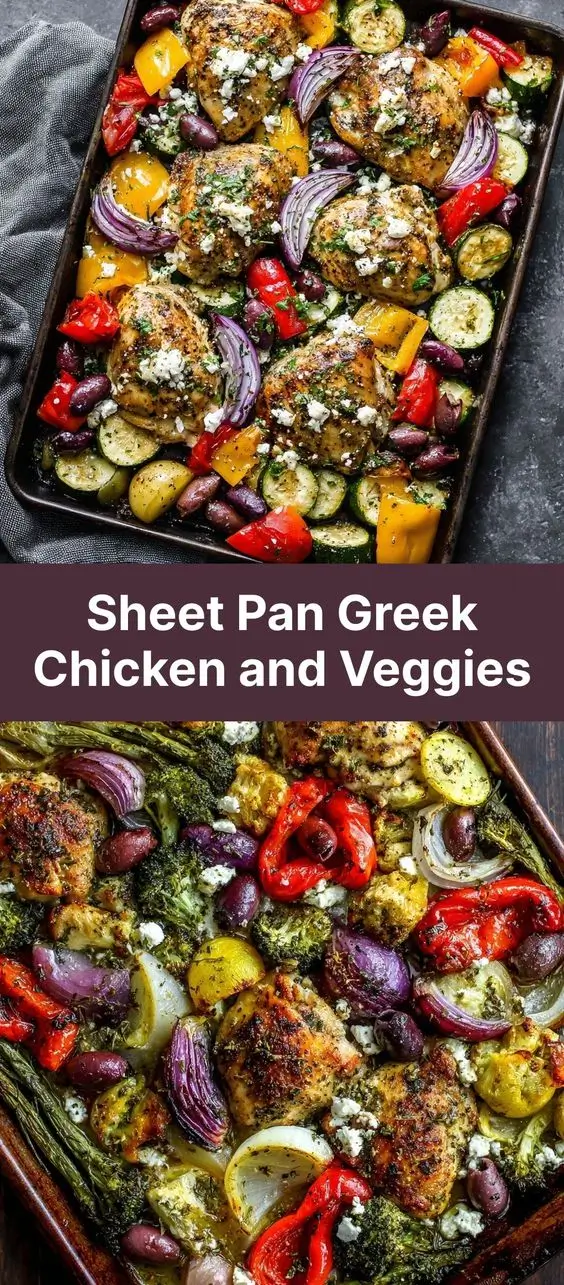
Sheet Pan Greek Chicken and Veggies: A Flavorful, Healthy One-Pan Wonder
The beauty of Mediterranean cuisine lies in its simplicity, vibrant flavors, and health benefits—all of which come together perfectly in this Sheet Pan Greek Chicken and Veggies recipe. This dish is a modern favorite that brings the rustic charm of Greek cooking into your home kitchen with minimal effort and maximum flavor. Ideal for busy weeknights, meal prep Sundays, or even entertaining guests, this one-pan wonder combines tender marinated chicken with colorful seasonal vegetables, all roasted to perfection with aromatic herbs and olive oil.
The History
Greek cooking has centuries of tradition rooted deeply in the Mediterranean diet, renowned for its emphasis on fresh produce, lean proteins, whole grains, olive oil, and herbs. The concept of roasting meats and vegetables together dates back to ancient Greece, where communal meals often featured simple yet nourishing dishes cooked over open fires or in clay ovens. While sheet pans as we know them didn’t exist then, the idea of combining ingredients on a single surface for even cooking is timeless.
In modern times, especially in North America and Western Europe, the term “sheet pan meal” emerged as part of the fast-paced lifestyle demanding quick, nutritious, and easy-to-clean-up dinners. Chefs and home cooks alike began adapting traditional recipes—like Greek souvlaki and village-style vegetable stews—into oven-roasted formats perfect for today’s kitchens. This Sheet Pan Greek Chicken and Veggies is a delicious homage to those traditions, reimagined for convenience without sacrificing authenticity.
Ingredients Breakdown
Every ingredient in this dish plays a crucial role in building layers of flavor, texture, and nutrition:
- Chicken Thighs (Boneless, Skinless): Preferred over breasts for their juiciness and ability to absorb marinades well. They stay moist during roasting and offer richer flavor.
- Olive Oil: High-quality extra virgin olive oil not only helps crisp up the edges but also carries the flavors of the herbs and acids throughout the dish.
- Lemon Juice: Freshly squeezed lemon juice adds brightness and acidity, balancing the richness of the oil and enhancing the overall taste profile.
- Garlic: Minced fresh garlic provides pungency and depth. When roasted, it mellows into a sweet, nutty undertone.
- Dried Oregano: A staple in Greek seasoning, oregano delivers an earthy, slightly peppery note essential to authentic Mediterranean flavor.
- Ground Cumin: Adds warmth and complexity; while not always used in traditional Greek recipes, a pinch complements the other spices beautifully.
- Salt and Black Pepper: Fundamental seasonings that enhance all other components.
- Paprika (Smoked or Sweet): Contributes color and a subtle smokiness or mild sweetness depending on the variety chosen.
- Red Onion: Sliced into wedges, red onions caramelize slightly when roasted, offering both visual appeal and a balance of sharpness and sweetness.
- Zucchini: Tender yet firm when roasted, zucchini soaks up the marinade and adds moisture and freshness.
- Yellow Squash: Similar to zucchini but with a slightly buttery texture, adding variety in color and mouthfeel.
- Bell Peppers (Red, Yellow, Orange): Provide natural sweetness, crunch, and high vitamin content. Their bright hues make the dish visually stunning.
- Cherry Tomatoes: Burst during roasting, releasing juices that mingle with the oil and herbs to create a light sauce on the pan.
- Kalamata Olives (Optional): Added after roasting for briny contrast and authenticity.
- Feta Cheese (Optional Garnish): Crumbled feta adds creaminess and tang, elevating the dish from everyday to restaurant-quality.
Step-by-Step Recipe
- Preheat Oven: Set your oven to 400°F (200°C). Line two large rimmed baking sheets with parchment paper or lightly grease them with olive oil to prevent sticking.
- Prepare the Marinade: In a large bowl, whisk together ⅓ cup extra virgin olive oil, juice of 1 large lemon (about ¼ cup), 4 cloves minced garlic, 1½ teaspoons dried oregano, ½ teaspoon ground cumin, 1 teaspoon smoked paprika, 1 teaspoon salt, and ½ teaspoon freshly ground black pepper.
- Marinate the Chicken: Add 1.5 pounds (680g) boneless, skinless chicken thighs to the marinade. Toss thoroughly to coat every piece. Let sit at room temperature for 20 minutes, or refrigerate for up to 4 hours for deeper flavor infusion.
- Chop the Vegetables: While the chicken marinates, slice 1 red onion into ½-inch thick wedges. Cut 2 medium zucchinis and 2 yellow squashes into ½-inch half-moons. Slice 3 bell peppers (assorted colors) into 1-inch strips. Leave 1 pint cherry tomatoes whole.
- Toss Veggies with Seasoning: In another large bowl, combine all chopped vegetables. Drizzle with 3 tablespoons olive oil, ½ teaspoon salt, ¼ teaspoon black pepper, ½ teaspoon dried oregano, and the zest of one lemon. Toss until evenly coated.
- Arrange on Sheet Pans: Spread the vegetables across the two prepared sheet pans in a single layer, ensuring they aren’t overcrowded—this allows proper roasting instead of steaming. Place the marinated chicken thighs on top of the veggies, spacing them out evenly.
- Roast: Bake in the preheated oven for 25–30 minutes, rotating the pans halfway through. The chicken should reach an internal temperature of 165°F (74°C), and the vegetables should be tender with slightly caramelized edges.
- Optional Broil: For extra browning, switch the oven to broil for the last 2–3 minutes, watching closely to avoid burning.
- Rest and Garnish: Remove from oven and let rest for 5 minutes. Sprinkle with crumbled feta cheese and Kalamata olives if using. Finish with fresh chopped parsley and an additional squeeze of lemon juice.
- Serve: Serve hot directly from the pan or transfer to a serving platter. Great alongside pita bread, quinoa, couscous, or over a bed of greens for a complete meal.
Tips
- Uniform Cutting: Cut vegetables into similar sizes to ensure even cooking. Larger chunks like potatoes or carrots may need parboiling first if included.
- Don’t Overcrowd the Pan: Use two sheet pans if necessary. Overlapping ingredients will steam rather than roast, leading to soggy results.
- Use Room Temperature Chicken: Taking the chicken out of the fridge 20–30 minutes before cooking ensures more even roasting.
- Pat Dry Before Marinating: Patting the chicken dry with paper towels helps the marinade adhere better and promotes browning.
- Double the Marinade: If you love bold flavor, double the marinade and reserve half to drizzle over the finished dish.
- Add Lemon Slices: Place thin lemon slices on the pan—they roast beautifully and add citrus aroma.
- Check Early: Ovens vary, so start checking at 20 minutes, especially if using smaller chicken pieces.
- Rotate Pans: Midway through baking, swap the top and bottom rack positions and rotate each pan 180 degrees for uniform heat exposure.
- Let It Rest: Allowing the chicken to rest after roasting keeps it juicy when cut.
- Store Smart: Cool completely before storing leftovers in airtight containers in the refrigerator for up to 4 days.
Variations and Customizations
This recipe is highly adaptable based on dietary needs, preferences, or what’s in season:
- Vegetarian Version: Replace chicken with chickpeas, halloumi cubes, or extra-firm tofu. Toss legumes or cheese in the same marinade and roast alongside veggies.
- Low-Carb/Keto Option: Skip starchy additions and focus on non-starchy vegetables like broccoli, cauliflower, eggplant, mushrooms, and artichokes.
- Spicy Kick: Add crushed red pepper flakes to the marinade or toss veggies with harissa paste for heat.
- Dairy-Free: Omit feta entirely or use a plant-based alternative made from almonds or soy.
- Gluten-Free: Naturally gluten-free—just confirm all spice blends are certified GF if needed.
- Herb Swaps: Try rosemary, thyme, or dill in place of some oregano for different herbal notes.
- Citrus Variations: Substitute lemon with lime or orange juice for a unique twist.
- Add Potatoes: Include Yukon gold or red potatoes (cut into 1-inch cubes and parboiled for 5 minutes) for heartier fare.
- Mediterranean Bowl Style: Serve over brown rice, farro, or bulgur wheat with tzatziki, hummus, and pickled onions.
- Meal Prep Friendly: Divide into individual containers for grab-and-go lunches all week.
- Grill Option: Skewer chicken and veggies and grill over medium heat for a smoky outdoor version reminiscent of souvlaki.
Health Considerations and Nutritional Value
Sheet Pan Greek Chicken and Veggies aligns beautifully with the principles of the Mediterranean diet—one of the most researched and recommended eating patterns for long-term health. Here’s why this dish supports wellness:
- Lean Protein Source: Chicken thighs (especially skinless) provide high-quality protein with moderate fat. They contain essential amino acids vital for muscle repair and immune function.
- Heart-Healthy Fats: Extra virgin olive oil is rich in monounsaturated fats and antioxidants like polyphenols, which help reduce inflammation and support cardiovascular health.
- Fiber-Rich Vegetables: Zucchini, squash, peppers, onions, and tomatoes contribute dietary fiber, promoting digestive health, satiety, and stable blood sugar levels.
- Vitamin Powerhouse: Bell peppers are loaded with vitamin C, tomatoes with lycopene (a powerful antioxidant), and leafy greens (if added) with vitamin K and folate.
- Low in Refined Carbs: With no added sugars or processed grains, this dish supports balanced energy and metabolic health.
- Anti-Inflammatory Properties: Garlic, oregano, lemon, and olive oil all possess compounds shown to combat oxidative stress and chronic inflammation.
- Weight Management Support: High protein and fiber content promote fullness, helping control appetite and reduce snacking between meals.
- Balanced Macronutrients: A typical serving contains approximately:
- Calories: ~350–400
- Protein: 30–35g
- Fat: 18–22g (mostly unsaturated)
- Carbohydrates: 15–20g
- Fiber: 5–7g
- Sodium Note: While naturally low in sodium, be mindful of added salt, especially if using store-bought broth or salty cheeses. You can easily reduce salt by half without compromising flavor thanks to the robust herbs and lemon.
- Allergen Info: Contains no common allergens unless dairy (feta) is added. Always check labels on spices if cross-contamination is a concern.
Ingredients
- 1.5 lbs (680g) boneless, skinless chicken thighs, trimmed and patted dry
- ⅓ cup extra virgin olive oil (plus 3 tbsp for veggies)
- Juice of 1 large lemon (about ¼ cup)
- Zest of 1 lemon
- 4 cloves garlic, finely minced
- 1½ tsp dried oregano (divided)
- ½ tsp ground cumin
- 1 tsp smoked paprika (or sweet paprika)
- 1 tsp kosher salt (divided)
- ½ tsp freshly ground black pepper (divided)
- 1 large red onion, cut into ½-inch wedges
- 2 medium zucchinis, sliced into half-moons
- 2 medium yellow squashes, sliced into half-moons
- 3 bell peppers (red, yellow, orange), seeded and sliced into strips
- 1 pint cherry tomatoes, left whole
- (Optional) ½ cup pitted Kalamata olives
- (Optional garnish) ¾ cup crumbled feta cheese
- Fresh parsley, chopped, for garnish
Directions
- Preheat oven to 400°F (200°C). Line two large rimmed baking sheets with parchment paper or lightly coat with oil.
- In a large mixing bowl, whisk together ⅓ cup olive oil, lemon juice, lemon zest, minced garlic, 1 tsp oregano, cumin, paprika, ½ tsp salt, and ¼ tsp black pepper.
- Add chicken thighs to the marinade and toss to coat evenly. Let sit at room temperature for 20 minutes, or cover and refrigerate for up to 4 hours.
- Meanwhile, prepare all vegetables. In a separate bowl, combine red onion, zucchini, yellow squash, bell peppers, and cherry tomatoes.
- Drizzle vegetables with 3 tablespoons olive oil, remaining ½ tsp oregano, ½ tsp salt, ¼ tsp black pepper, and toss well to coat.
- Spread vegetables evenly across the two sheet pans in a single layer. Arrange marinated chicken thighs on top, spacing them apart.
- Roast for 25–30 minutes, rotating pans front-to-back and switching racks halfway through. Chicken should register 165°F internally, and veggies should be tender and slightly charred at edges.
- For a golden finish, broil on high for 2–3 minutes, watching carefully to avoid burning.
- Remove from oven and let rest for 5 minutes. Sprinkle with feta cheese, Kalamata olives, and fresh parsley. Drizzle with a little extra lemon juice if desired.
- Serve warm with your choice of side—pita, quinoa, rice, or salad.
FAQ
Can I use chicken breasts instead of thighs?
Yes, though breasts cook faster and can dry out more easily. Reduce roasting time to 18–22 minutes and monitor closely. Marinating helps keep them moist.
Can I make this ahead of time?
Absolutely! Marinate the chicken up to 24 hours in advance. Chop vegetables up to 1 day ahead and store separately in airtight containers. Assemble and roast when ready.
Can I freeze leftovers?
Yes, though texture may change slightly upon reheating. Freeze in portioned containers for up to 3 months. Thaw overnight in the fridge and reheat in oven or skillet for best results.
Why are my vegetables soggy?
Likely due to overcrowding or excess moisture. Ensure single-layer arrangement, dry vegetables after washing, and use two pans if needed.
Is this recipe gluten-free?
Yes, provided all ingredients used (especially spices) are certified gluten-free. Always double-check labels if allergies are a concern.
Can I add potatoes?
Yes! Add 1 lb diced potatoes (parboiled for 5 minutes), tossed with oil and herbs. Roast them for 15 minutes before adding chicken and quicker-cooking veggies.
What can I do with leftovers?
Use in grain bowls, wraps, salads, omelets, or blend roasted veggies into soups. Shred leftover chicken for tacos or pasta dishes.
Can I use frozen vegetables?
Not recommended—frozen veggies release too much water and won’t roast properly. Always use fresh for best texture and flavor.
How do I clean the sheet pan easily?
Soak the pan in warm, soapy water for 10–15 minutes after use. Baked-on bits will loosen. Avoid abrasive scrubbers to preserve nonstick surfaces.
Can I cook everything on one pan?
If you have a jumbo half-sheet pan (approx. 18×13 inches), yes—but only if ingredients are spread thinly. Otherwise, use two pans to ensure proper air circulation.
Summary
Sheet Pan Greek Chicken and Veggies is a vibrant, healthy, and flavorful one-pan meal that captures the essence of Mediterranean cooking with minimal effort. Packed with tender chicken, colorful vegetables, and aromatic herbs, it’s perfect for weeknight dinners, meal prep, or sharing with loved ones.