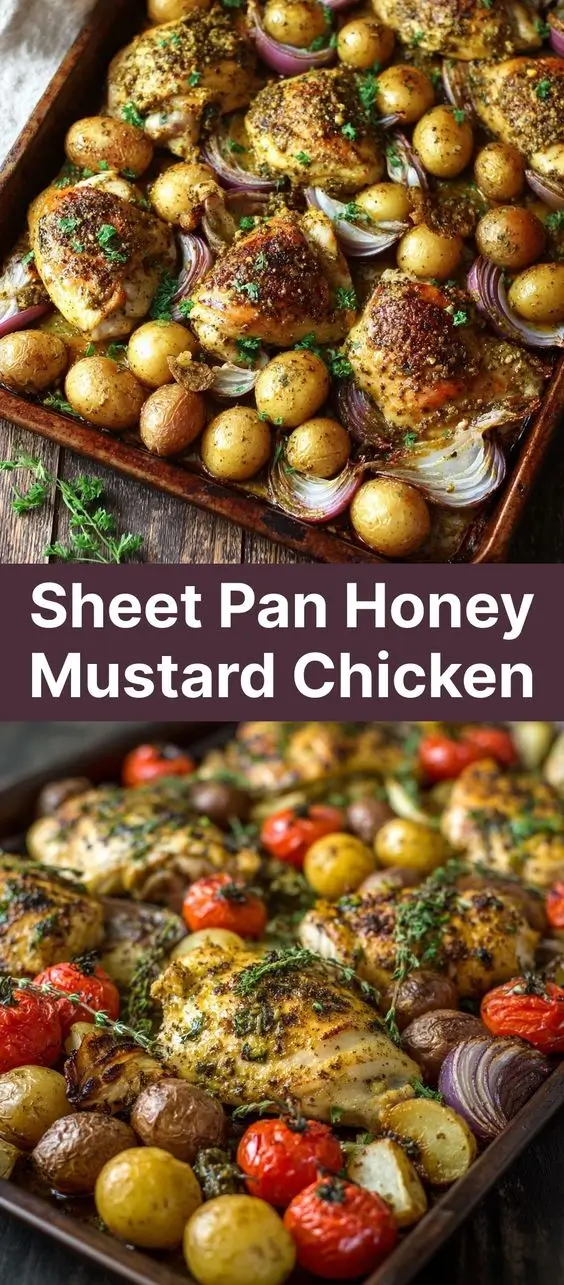
Sheet Pan Honey Mustard Chicken: A Complete Guide to the Ultimate One-Pan Wonder
The History of Sheet Pan Meals and the Rise of Honey Mustard Chicken
The concept of sheet pan meals traces its roots back to the industrial kitchens of mid-20th century America, where efficiency and consistency were paramount. Professional chefs discovered that roasting proteins and vegetables together on a single large baking sheet—commonly known as a “sheet pan”—not only saved time but also enhanced flavor through even heat distribution and natural caramelization. This technique eventually made its way into home kitchens, especially during the late 2000s when busy families began seeking quick, healthy, and low-mess meal solutions.
Honey mustard chicken itself has a more diverse culinary lineage. The combination of honey and mustard as a marinade or glaze dates back centuries, with ancient civilizations like the Romans using honey and vinegar-based condiments (precursors to modern mustard) to baste meats. In French cuisine, Dijon mustard became a staple in sauces for poultry, while American Southern cooking embraced sweet-savory pairings, laying the foundation for today’s beloved honey mustard flavor profile. By the 1980s and 1990s, honey mustard sauce had become a popular dressing in salads and sandwiches, and by the 2010s, it evolved into a go-to marinade for roasted chicken.
The fusion of these two ideas—the efficient sheet pan method and the rich, tangy sweetness of honey mustard—gave rise to Sheet Pan Honey Mustard Chicken. Its popularity exploded with the advent of food blogs and social media platforms like Pinterest and Instagram, where vibrant photos of golden-brown chicken thighs nestled among colorful roasted vegetables captivated home cooks worldwide. Today, this dish is celebrated not only for its minimal cleanup but also for its versatility, family-friendly appeal, and restaurant-quality taste.
Ingredients Breakdown: What Makes This Dish Shine?
The magic of Sheet Pan Honey Mustard Chicken lies in its balanced blend of ingredients that work harmoniously to deliver juicy chicken, tender vegetables, and an irresistible glaze. Here’s a detailed breakdown of each component:
For the Chicken:
- Chicken Thighs (Boneless, Skin-on): While both breasts and thighs can be used, boneless skin-on thighs are preferred for their higher fat content, which keeps the meat moist during roasting and allows the skin to crisp up beautifully under high heat.
- Olive Oil: Acts as a carrier for flavors, helps the honey mustard coating adhere to the chicken, and promotes browning.
- Salt & Black Pepper: Essential seasonings that enhance all other flavors without overpowering them.
- Garlic Powder & Onion Powder: Add depth and savory notes without adding moisture that could interfere with crisping.
- Paprika (Optional Smoked): Contributes color and a subtle smokiness that complements the sweetness of the honey.
For the Honey Mustard Sauce:
- Honey: Provides natural sweetness and helps create a glossy, caramelized crust when roasted. Raw honey adds floral notes, while standard clover honey offers consistent sweetness.
- Dijon Mustard: Offers sharpness, tang, and emulsifying properties that bind the sauce. Its smooth texture ensures even coating.
- Yellow Mustard (Optional): Can be added for extra tang and brightness, though Dijon alone usually suffices.
- Apple Cider Vinegar or Lemon Juice: Adds acidity to balance the sweetness, brighten the overall flavor, and help tenderize the chicken slightly.
- Worcestershire Sauce (Optional): A small splash deepens the umami profile and enhances savory complexity.
For the Vegetables:
- Baby Potatoes (Yukon Gold or Red Bliss): These hold their shape well during roasting and develop crispy exteriors while staying creamy inside.
- Carrots: Cut into coins or sticks, they caramelize nicely and absorb some of the honey mustard drippings.
- Broccoli Florets: Add color, texture, and nutrition. They roast quickly and gain a slight char that contrasts beautifully with the sweet glaze.
- Red Bell Pepper: Brings sweetness and vibrancy, enhancing both flavor and visual appeal.
- Red Onion: Offers a mild bite when raw but becomes sweet and jammy when roasted.
- Additional Options: Zucchini, green beans, Brussels sprouts, sweet potatoes, cauliflower, or cherry tomatoes can be substituted based on preference or seasonal availability.
For Finishing Touches:
- Fresh Herbs (Parsley, Thyme, or Chives): Sprinkled at the end for freshness and aroma.
- Lemon Zest or Wedges: Brightens the dish and cuts through richness.
- Extra Drizzle of Honey or Mustard: For serving, if desired, to boost flavor intensity.
Step-by-Step Recipe: How to Make Perfect Sheet Pan Honey Mustard Chicken
Follow this detailed guide to achieve perfectly roasted, flavorful Sheet Pan Honey Mustard Chicken every time.
Preparation Time:
20 minutes | Cooking Time: 35–40 minutes | Total Time: ~60 minutes | Servings: 4–6
Ingredients:
- 1.5 lbs (680g) boneless, skin-on chicken thighs
- 1 lb (450g) baby potatoes, halved
- 2 medium carrots, sliced into ½-inch rounds
- 2 cups broccoli florets
- 1 red bell pepper, chopped into 1-inch pieces
- 1 red onion, cut into wedges
- 3 tbsp olive oil
- 1 tsp salt
- ½ tsp black pepper
- 1 tsp garlic powder
- 1 tsp onion powder
- ½ tsp paprika (smoked or regular)
- ⅓ cup honey
- 3 tbsp Dijon mustard
- 1 tbsp apple cider vinegar
- 1 tsp Worcestershire sauce (optional)
- Fresh parsley, chopped (for garnish)
Directions:
- Preheat Oven: Set your oven to 400°F (200°C). Line a large rimmed baking sheet with parchment paper or lightly grease it with oil to prevent sticking.
- Prepare the Vegetables: In a large bowl, combine the halved baby potatoes, sliced carrots, broccoli florets, red bell pepper, and red onion. Drizzle with 2 tablespoons of olive oil, then sprinkle with ½ teaspoon salt, ¼ teaspoon black pepper, garlic powder, onion powder, and paprika. Toss thoroughly until evenly coated. Spread the vegetables in a single layer on one side of the prepared baking sheet, ensuring they are not overcrowded.
- Roast Vegetables (Partially): Place the tray in the preheated oven and roast for 15 minutes. This head start ensures root vegetables like potatoes and carrots cook through by the end without overcooking the chicken.
- Make the Honey Mustard Sauce: While the vegetables roast, prepare the sauce. In a medium bowl, whisk together honey, Dijon mustard, apple cider vinegar, Worcestershire sauce (if using), and the remaining 1 tablespoon of olive oil. Mix until smooth and emulsified.
- Season and Coat the Chicken: Pat the chicken thighs dry with paper towels—this step is crucial for achieving crispy skin. Season both sides with the remaining ½ teaspoon salt and ¼ teaspoon pepper. Place the chicken in a bowl and pour half of the honey mustard sauce over it. Use your hands or tongs to coat each piece thoroughly. Reserve the other half of the sauce for basting later.
- Add Chicken to Pan: After the initial 15-minute roast, remove the tray from the oven. Push the vegetables slightly to one side (or rearrange to make space) and place the chicken thighs skin-side up on the empty portion of the sheet pan. Space them out so they aren’t touching, allowing for even air circulation and browning.
- First Baste: Brush or spoon about 1–2 tablespoons of the reserved honey mustard sauce over the top of each chicken thigh, focusing on the skin. Avoid over-saucing at this stage, as too much sugar early on can cause burning.
- Roast Together: Return the sheet pan to the oven and roast for 20 minutes. Then, carefully flip the chicken (use tongs or a spatula), brush the other side with more sauce, and stir the vegetables to promote even roasting.
- Final Roast and Glaze: Roast for another 10–15 minutes, or until the chicken reaches an internal temperature of 165°F (74°C) and the skin is golden brown and slightly caramelized. During the last 5 minutes, baste the chicken once more with the remaining sauce to build a sticky, glossy finish.
- Rest and Garnish: Remove the pan from the oven and let the chicken rest for 5 minutes. This allows juices to redistribute, keeping the meat moist. Taste the vegetables and adjust seasoning if needed. Sprinkle everything generously with fresh chopped parsley and serve warm with lemon wedges on the side.
Tips for Success: Mastering Your Sheet Pan Honey Mustard Chicken
- Use a Rimmed Baking Sheet: Prevents spills and contains juices, making cleanup easier. A half-sheet pan (18×13 inches) is ideal.
- Don’t Overcrowd the Pan: Leave space between items to allow hot air to circulate, ensuring proper roasting instead of steaming.
- Dry the Chicken Skin: Moisture is the enemy of crispiness. Patting the chicken dry before seasoning increases browning dramatically.
- Start Root Veggies First: Potatoes and carrots take longer than softer veggies like broccoli and peppers. Giving them a 15-minute head start prevents undercooked potatoes.
- Monitor Sugar Content: Honey burns easily. If you notice the chicken browning too quickly, tent it loosely with aluminum foil during the final minutes.
- Invest in a Meat Thermometer: Ensures perfect doneness without guesswork. Insert into the thickest part of the thigh, avoiding the bone.
- Double the Sauce for Leftovers: Extra sauce makes excellent dipping or reheating enhancement. Store separately in an airtight container for up to 1 week.
- Rotate the Pan Midway: Ovens often have hot spots. Rotating the pan 180 degrees halfway through ensures even cooking.
- Let It Rest: Never skip resting! It improves texture and juiciness significantly.
Variations and Customizations: Make It Your Own
One of the greatest strengths of Sheet Pan Honey Mustard Chicken is its adaptability. Whether you’re catering to dietary needs, seasonal produce, or global flavor inspirations, here are creative ways to customize the recipe:
Dietary Adjustments:
- Keto/Low-Carb: Replace potatoes and carrots with low-carb alternatives like cauliflower florets, zucchini slices, mushrooms, or radishes.
- Gluten-Free: Naturally gluten-free! Just ensure your Worcestershire sauce is GF-certified (some brands contain malt vinegar).
- Dairy-Free: This recipe contains no dairy, making it suitable for lactose-intolerant individuals.
- Paleo/Whole30: Substitute honey with compliant maple syrup (for Paleo) or omit sweeteners entirely and use mustard-heavy marinades with added herbs and citrus.
Protein Swaps:
- Chicken Breasts: Use thinly pounded breasts for faster, even cooking. Reduce roasting time accordingly.
- Turkey Thighs or Cutlets: Similar flavor absorption and texture to chicken.
- Pork Tenderloin or Chops: Pairs exceptionally well with honey mustard; adjust cooking time to avoid drying.
- Fish Fillets (Salmon, Cod): Delicate fish works with a lighter version of the sauce and shorter bake time (~12–15 minutes).
- Tofu or Tempeh (Vegan): Press extra-firm tofu, cube it, and marinate for at least 30 minutes before roasting for a plant-based twist.
Flavor Twists:
- Spicy Honey Mustard: Add ½–1 tsp cayenne pepper, sriracha, or crushed red pepper flakes to the sauce.
- Herb-Infused: Stir in fresh rosemary, thyme, or sage into the sauce or scatter over the pan before roasting.
- Asian Fusion: Swap Dijon for whole grain mustard, add soy sauce, ginger, and a touch of sesame oil for an umami kick.
- Mediterranean Style: Add olives, cherry tomatoes, artichoke hearts, and oregano. Serve with tzatziki on the side.
- Smoky Chipotle: Use chipotle in adobo (minced) and smoked paprika for a bold, spicy-sweet profile.
Vegetable Rotations by Season:
- Spring: Asparagus, snap peas, baby turnips, fennel.
- Summer: Zucchini, yellow squash, corn, cherry tomatoes.
- Fall: Butternut squash, Brussels sprouts, apples, sweet potatoes.
- Winter: Parsnips, rutabaga, kale, cabbage wedges.
Health Considerations and Nutritional Value
Sheet Pan Honey Mustard Chicken is not only delicious but can also be part of a balanced, nutritious diet when prepared mindfully. Let’s break down its health aspects:
Nutritional Highlights (Per Serving, Approx. 1 thigh + 1 cup veggies):
- Calories: ~380–420 kcal
- Protein: 30–35g (Excellent source for muscle repair and satiety)
- Fat: 12–15g (Mostly unsaturated from olive oil and chicken skin)
- Carbohydrates: 35–40g (Primarily complex carbs from potatoes and carrots)
- Fiber: 5–6g (From vegetables, supports digestion)
- Sugar: ~18g (Mostly natural from honey and vegetables; consider reducing honey by 1–2 tbsp for lower sugar)
- Sodium: ~600–700mg (Moderate; reduce salt or use low-sodium mustard if monitoring intake)
Key Benefits:
- High-Quality Protein: Chicken thighs provide essential amino acids and iron, supporting energy and immune function.
- Heart-Healthy Fats: Olive oil contributes monounsaturated fats linked to reduced inflammation and improved cholesterol levels.
- Vitamin-Rich Vegetables: Carrots offer beta-carotene (vitamin A), broccoli delivers vitamin C and K, and bell peppers are loaded with antioxidants.
- Balanced Macronutrients: Combines lean protein, complex carbohydrates, and healthy fats for sustained energy.
- Low Processing: Uses whole, minimally processed ingredients—ideal for clean eating lifestyles.
Considerations:
- Sugar Content: Honey adds natural sugars. Diabetics or those limiting sugar should reduce honey quantity or substitute with sugar-free alternatives (e.g., monk fruit syrup), though this may affect browning and texture.
- Cholesterol: Chicken skin contains dietary cholesterol. Those managing cholesterol levels may opt for skinless thighs or remove skin before eating.
- Portion Control: Stick to recommended servings to maintain calorie balance, especially when enjoying regularly.
- Allergies: Mustard is a recognized allergen. Substitute with tahini-lemon dressing or avocado-based cream for mustard-free versions.
Make It Healthier:
- Skip basting in the final minutes to reduce sugar exposure.
- Use spray oil instead of pouring to minimize added fat.
- Increase vegetable-to-protein ratio for higher fiber and volume with fewer calories.
- Choose organic, pasture-raised chicken for better omega-3 content and ethical sourcing.
Frequently Asked Questions (FAQ)
Can I use frozen vegetables?
It’s best to use fresh or thawed vegetables. Frozen veggies release excess moisture, which can steam the chicken and prevent crisping. If using frozen, thaw completely and pat dry first.
Can I make this ahead of time?
Yes! Marinate the chicken up to 24 hours in advance and store chopped vegetables in separate containers. Assemble and roast when ready. Fully cooked leftovers keep well for 3–4 days in the fridge.
Can I freeze Sheet Pan Honey Mustard Chicken?
Yes, though texture may change slightly upon reheating. Freeze in airtight containers for up to 3 months. Reheat in the oven at 350°F to restore crispness.
Why did my chicken burn?
Likely due to too much honey applied too early or oven running hot. Reduce honey amount, baste later in cooking, and monitor closely. Use an oven thermometer to verify accuracy.
Can I cook everything at the same time?
You can, but harder vegetables like potatoes may remain undercooked unless cut very small. Starting them earlier ensures optimal texture.
Is this recipe kid-friendly?
Absolutely! The sweet-tangy glaze appeals to children, and the colorful veggies make it visually appealing. Serve with a side of rice or quinoa for picky eaters.
What can I serve with it?
Great pairings include wild rice, quinoa, couscous, mashed potatoes, or a simple arugula salad with vinaigrette. Crusty bread is perfect for soaking up extra sauce!
Can I grill this instead?
Yes! Use indirect grilling for the chicken and a grill basket for veggies. Baste as you would in the oven, watching for flare-ups from dripping honey.
How do I reheat leftovers?
For best results, reheat in a 350°F oven or toaster oven for 10–15 minutes. Microwaving can make chicken rubbery and vegetables soggy.
Can I use store-bought honey mustard?
You can, but homemade gives you control over ingredients and avoids preservatives or artificial flavors. Most store versions are thinner and sweeter than ideal for roasting.
Summary
Sheet Pan Honey Mustard Chicken is a foolproof, family-friendly meal that combines succulent chicken with vibrant roasted vegetables, all glazed in a sweet-tangy honey mustard sauce—cooked on one pan for easy preparation and cleanup. Packed with flavor, nutrition, and endless customization options, it’s the ultimate weeknight dinner solution that never gets old.