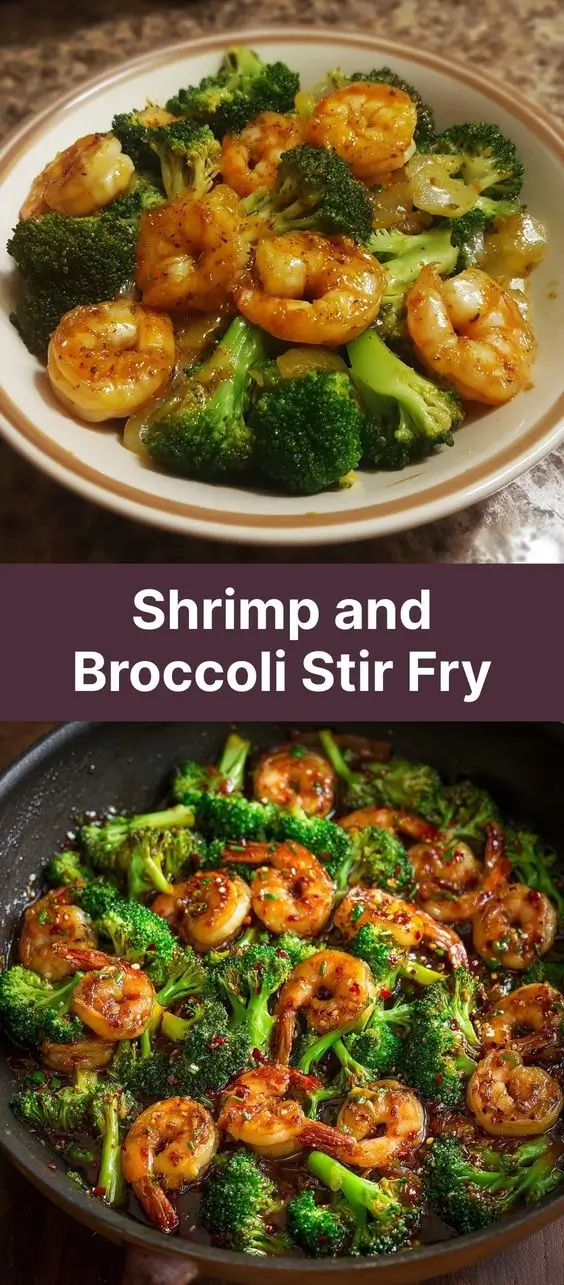
Shrimp and Broccoli Stir Fry: A Flavorful, Quick, and Healthy Delight
The History of Shrimp and Broccoli Stir Fry
The origins of shrimp and broccoli stir fry can be traced back to the fusion of Chinese culinary traditions and American tastes during the 20th century. While stir-frying as a cooking technique has been practiced in China for over 1,500 years—thanks to its efficiency, fuel conservation, and ability to preserve nutrients and textures—dishes combining seafood with vegetables like broccoli became particularly popular in Chinese-American cuisine.
Broccoli itself wasn’t widely consumed in traditional Chinese cooking until the 20th century, when it gained popularity due to increased availability and Western agricultural influence. When Chinese immigrants settled in the United States, they adapted their recipes using locally available ingredients, leading to innovative dishes that balanced umami-rich sauces, tender proteins, and crisp vegetables. Shrimp and broccoli stir fry emerged as a restaurant staple in American-Chinese eateries, often served alongside steamed rice or noodles.
Over time, this dish evolved beyond restaurant menus into home kitchens, praised not only for its bold flavors but also for its nutritional profile. The combination of lean protein from shrimp and fiber-rich, vitamin-packed broccoli made it a favorite among health-conscious eaters. Today, variations of this dish appear across cookbooks, food blogs, and culinary shows, each adding unique twists while honoring its roots in quick, high-heat wok cooking.
Ingredients Breakdown: What Makes This Dish Shine
The magic of shrimp and broccoli stir fry lies in the harmony between fresh ingredients and savory seasonings. Each component plays a crucial role in building flavor, texture, and nutrition.
- Shrimp: Fresh or frozen peeled and deveined shrimp (typically medium or large size) are ideal. They cook quickly, absorb flavors well, and provide a delicate sweetness. Opt for wild-caught shrimp when possible for sustainability and superior taste.
- Broccoli: Fresh broccoli florets are essential. Choose heads with tight, dark green clusters and firm stalks. Broccoli adds crunch, vibrant color, and is rich in vitamins C and K, fiber, and antioxidants.
- Garlic: Minced garlic brings aromatic depth and pungency. It’s sautéed briefly to avoid burning and infuse the oil with flavor.
- Ginger: Freshly grated ginger adds warmth and slight spiciness, enhancing the overall complexity without overpowering other elements.
- Soy Sauce: The backbone of the sauce, soy sauce contributes saltiness and umami. Use low-sodium soy sauce to control salt levels, especially if serving to those monitoring sodium intake.
- Oyster Sauce: This thick, savory condiment deepens the sauce’s richness and adds a subtle sweetness. Vegetarian versions use mushroom-based oyster sauce.
- Sesame Oil: A small amount of toasted sesame oil drizzled at the end enhances aroma and imparts a nutty finish.
- Shaoxing Wine (or Dry Sherry): Used in small quantities, this Chinese rice wine removes any fishy odor from shrimp and boosts savoriness.
- Vegetable Oil: High smoke point oils like peanut, canola, or avocado oil are best for stir-frying at high heat without smoking.
- Cornstarch: Often used to marinate the shrimp or thicken the sauce, cornstarch helps create a silky texture and locks in moisture.
- Honey or Brown Sugar: A touch balances the saltiness and enhances browning during cooking.
- Red Pepper Flakes (optional): For those who enjoy heat, red pepper flakes add a gentle kick.
- Green Onions: Sliced diagonally, they contribute freshness and visual appeal when added at the end.
Step-by-Step Recipe: How to Make Perfect Shrimp and Broccoli Stir Fry at Home
Follow these detailed steps to recreate a restaurant-quality shrimp and broccoli stir fry in your own kitchen—even without a wok!
- Prep Ingredients: Start by peeling and deveining the shrimp if not already done. Pat them dry with paper towels to ensure proper searing. Cut broccoli into even-sized florets. Mince 3 cloves of garlic, grate 1 tablespoon of fresh ginger, slice 2 green onions, and have all sauces measured and ready. Stir-frying moves fast, so preparation is key.
- Marinate the Shrimp (Optional but Recommended):strong> In a bowl, toss the shrimp with 1 teaspoon cornstarch, 1 tablespoon Shaoxing wine (or dry sherry), and a pinch of white pepper. Let sit for 10–15 minutes. This step tenderizes the shrimp and improves texture.
- Blanch the Broccoli: Bring a pot of salted water to boil. Add broccoli florets and blanch for 90 seconds. Immediately transfer to an ice bath to stop cooking and preserve bright green color and crisp-tender texture. Drain thoroughly and set aside.
- Heat the Wok or Skillet: Place a large wok or wide stainless steel skillet over high heat. Add 2 tablespoons of vegetable oil and swirl to coat. Heat until the oil shimmers and just begins to smoke—this ensures proper searing.
- Sear the Shrimp: Add the marinated shrimp in a single layer. Cook undisturbed for about 1 minute until the bottom turns pink and opaque. Flip and cook another 1–2 minutes until just cooked through. Remove immediately to prevent overcooking and set aside.
- Sauté Aromatics: Reduce heat slightly and add another teaspoon of oil if needed. Add minced garlic and grated ginger, stirring constantly for 15–20 seconds until fragrant—do not let them burn.
- Stir Fry Broccoli: Add the blanched broccoli to the wok. Stir-fry for 2–3 minutes, allowing it to absorb the garlicky oil and develop a slight char on the edges.
- Prepare the Sauce: In a small bowl, mix together 3 tablespoons soy sauce, 2 tablespoons oyster sauce, 1 teaspoon honey or brown sugar, 1/4 cup chicken or vegetable broth, and 1 teaspoon cornstarch. Whisk until smooth.
- Add Sauce to Wok: Pour the sauce mixture into the wok with broccoli. Stir constantly as the sauce heats and thickens—about 1–2 minutes. The glossy glaze should coat the broccoli evenly.
- Reintroduce Shrimp: Return the cooked shrimp to the wok. Toss gently to reheat and coat everything in sauce—about 30 seconds to 1 minute. Avoid overcooking.
- Finish with Aromatics: Turn off the heat. Drizzle with 1 teaspoon of toasted sesame oil. Add sliced green onions and optional red pepper flakes. Toss once more.
- Serve Immediately: Plate hot over steamed jasmine rice, brown rice, quinoa, or noodles. Garnish with extra sesame seeds or green onion if desired.
Pro Tips for the Best Shrimp and Broccoli Stir Fry
- Don’t Overcrowd the Pan: Cooking in batches prevents steaming instead of searing, which leads to soggy shrimp and dull flavors.
- Dry Your Protein: Moisture is the enemy of browning. Always pat shrimp dry before cooking.
- Use High Heat: Authentic stir-fry relies on intense heat to achieve “wok hei” (the breath of the wok)—a smoky, charred essence impossible at low temperatures.
- Pre-Mix Your Sauce: Have your sauce ready before heating the wok. Once you start cooking, there’s no time to measure ingredients.
- Blanching vs. Steaming Broccoli: Blanching gives better color and texture than steaming, but you can steam for 3–4 minutes if preferred.
- Substitute Smartly: No oyster sauce? Try hoisin mixed with soy sauce. No Shaoxing wine? Dry sherry works fine.
- Keep Shrimp Size Consistent: Uniform shrimp cook evenly. If using jumbo shrimp, consider slicing them in half lengthwise.
- Add Veggies for Volume: Bell peppers, carrots, snow peas, mushrooms, or baby corn can be added for color and nutrition.
Variations and Customizations
This classic recipe is highly adaptable. Here are some creative ways to personalize your shrimp and broccoli stir fry:
- Gluten-Free Version: Use tamari or certified gluten-free soy sauce and ensure oyster sauce is GF (or substitute with mushroom stir-fry sauce).
- Low-Sodium Option: Swap regular soy sauce for reduced-sodium version and use unsalted broth. Increase ginger, garlic, and citrus zest for flavor without salt.
- Vegan/Vegetarian Twist: Replace shrimp with tofu, tempeh, or king oyster mushrooms. Use vegetarian oyster sauce and skip the fish-based wine.
- Spicy Szechuan Style: Add chili garlic sauce, Szechuan peppercorns, and doubanjiang (fermented broad bean paste) for numbing heat.
- Thai-Inspired: Use coconut aminos instead of soy sauce, add lime juice, lemongrass, and Thai basil for a tropical flair.
- Cashew Addition: Toasted cashews add crunch and richness—toss in at the end.
- Pineapple Shrimp Stir Fry: Add fresh pineapple chunks for a sweet-and-sour twist reminiscent of Hawaiian plates.
- Noodle Stir Fry: Skip the rice and toss with cooked lo mein, udon, or rice noodles for a heartier meal.
- Keto-Friendly: Serve over cauliflower rice and omit sugar/honey. Use erythritol or monk fruit if sweetness is needed.
Health Considerations and Nutritional Value
Shrimp and broccoli stir fry is naturally nutritious, but mindful preparation ensures maximum health benefits.
Nutritional Highlights (per serving, serves 4):
- Calories: ~280–320 kcal
- Protein: 25–30g – Excellent source; supports muscle repair and satiety.
- Fat: 8–12g – Mostly healthy unsaturated fats, especially if using heart-healthy oils.
- Carbohydrates: 20–25g – Primarily from vegetables and minimal added sugar.
- Fiber: 4–5g – From broccoli and optional whole grains.
- Vitamin C: Over 100% DV – Boosts immunity and skin health.
- Vitamin K: High – Important for blood clotting and bone metabolism.
- Selenium & Iodine: Abundant in shrimp – Supports thyroid function.
- Omega-3 Fatty Acids: Moderate amounts in shrimp – Beneficial for heart and brain health.
Health Notes:
- Cholesterol Content: Shrimp are higher in dietary cholesterol (~170mg per 3oz), but recent studies show they don’t significantly raise blood cholesterol in most people due to their favorable fat profile.
- Sodium Awareness: Soy sauce and oyster sauce are high in sodium. Monitor intake if managing hypertension. Rinsing bottled sauces isn’t advised, but using less and diluting with broth helps.
- Allergens: Contains shellfish (shrimp) and possibly soy and sesame. Modify accordingly for allergies.
- Pregnancy Safety: Shrimp are low in mercury and safe during pregnancy in moderation (up to 12 oz per week). Ensure fully cooked to avoid foodborne illness.
- Balanced Meal Tip: Pair with brown rice or quinoa for complex carbs and sustained energy. Add a side salad for extra phytonutrients.
Full Ingredient List
- 1 pound (450g) raw shrimp, peeled and deveined
- 4 cups broccoli florets (about 1 large head)
- 3 cloves garlic, minced
- 1 tablespoon fresh ginger, grated
- 2 tablespoons vegetable oil (peanut, canola, or avocado)
- 1 tablespoon Shaoxing wine or dry sherry
- 1 teaspoon cornstarch
- 3 tablespoons low-sodium soy sauce
- 2 tablespoons oyster sauce (vegetarian option available)
- 1 teaspoon honey or brown sugar
- 1/4 cup low-sodium chicken or vegetable broth
- 1 teaspoon toasted sesame oil
- 2 green onions, sliced
- Optional: 1/4 teaspoon red pepper flakes
- For serving: steamed rice, noodles, or cauliflower rice
Directions Recap
- Pat shrimp dry, then marinate with 1 tsp cornstarch, 1 tbsp Shaoxing wine, and white pepper for 10–15 minutes.
- Blanch broccoli in salted boiling water for 90 seconds, then shock in ice water. Drain well.
- Heat 2 tbsp oil in a wok or skillet over high heat. Sear shrimp in a single layer for 1–2 minutes per side until pink. Remove and set aside.
- Add 1 tsp more oil if needed. Sauté garlic and ginger for 15–20 seconds until fragrant.
- Add broccoli and stir-fry for 2–3 minutes until heated through and slightly charred.
- In a bowl, whisk soy sauce, oyster sauce, honey, broth, and 1 tsp cornstarch. Pour into wok.
- Bring sauce to a simmer, stirring constantly until thickened (1–2 minutes).
- Return shrimp to wok. Toss to coat and heat through (30 sec–1 min).
- Remove from heat. Stir in sesame oil, green onions, and red pepper flakes if using.
- Serve immediately over rice or noodles.
Frequently Asked Questions (FAQ)
Can I use frozen shrimp?
Yes! Thaw frozen shrimp in the refrigerator overnight or under cold running water. Pat very dry before cooking to prevent splattering and steaming.
Do I have to blanch the broccoli?
Not strictly necessary, but highly recommended. It ensures broccoli is perfectly tender-crisp without overcooking the shrimp. You can stir-fry raw broccoli for 4–5 minutes, but it may take longer and require more liquid.
Can I make this ahead of time?
Best served fresh. However, you can prep ingredients (chop, marinate, mix sauce) up to 24 hours in advance. Reheat leftovers gently in a skillet with a splash of water to revive sauce.
Why did my sauce turn out too thick or too thin?
Cornstarch needs heat to activate. If too thick, add more broth. If too thin, mix 1/2 tsp cornstarch with 1 tbsp cold water and stir into simmering sauce until thickened.
Is this dish spicy?
Not unless you add heat. The base recipe is savory and slightly sweet. Adjust spice with chili oil, sriracha, or fresh chilies.
Can I use pre-cooked shrimp?
You can, but texture may suffer. Pre-cooked shrimp tend to become rubbery when reheated. If using, add at the very end just to warm through.
How long do leftovers last?
Store in an airtight container in the refrigerator for up to 3 days. Do not freeze, as broccoli becomes mushy and shrimp toughen upon thawing.
What can I substitute for oyster sauce?
Mix 1 tbsp hoisin sauce + 1 tsp soy sauce, or use mushroom stir-fry sauce. For a homemade version, blend sautéed mushrooms with soy sauce, sugar, and a bit of cornstarch.
Summary
Shrimp and broccoli stir fry is a quick, nutritious, and flavorful dish that combines succulent shrimp with crisp-tender broccoli in a savory umami-rich sauce—perfect for weeknight dinners. With simple ingredients, smart prep, and high-heat cooking, you can enjoy a restaurant-quality meal at home in under 30 minutes.