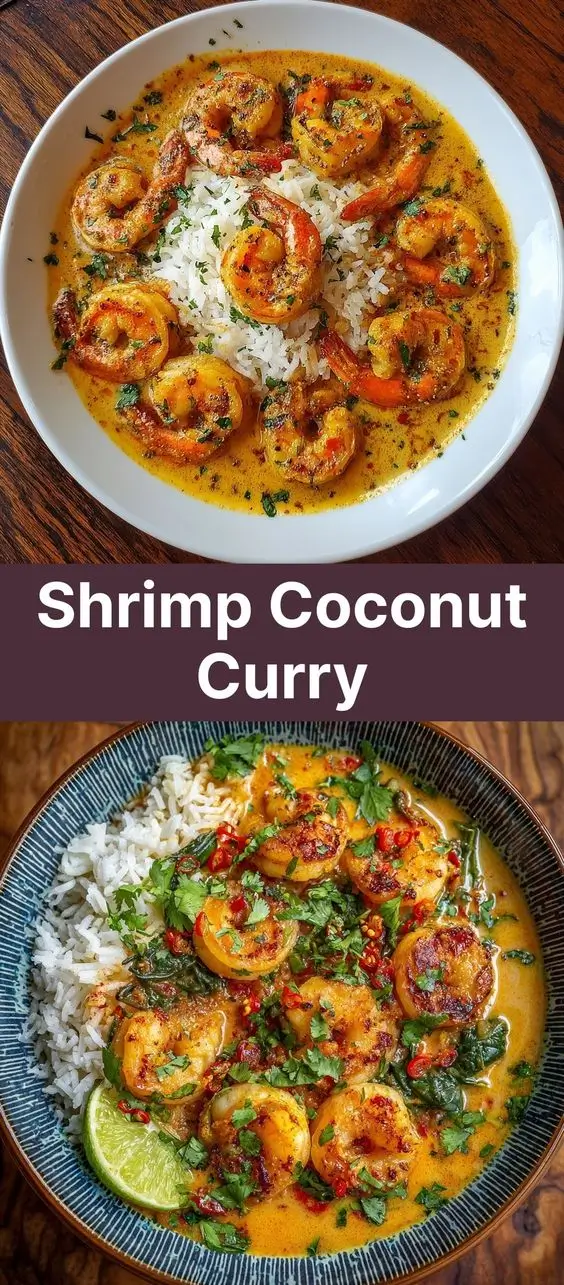
Shrimp Coconut Curry: A Creamy, Flavorful Delight from the Tropics
The History of Shrimp Coconut Curry
Shrimp Coconut Curry is a dish that beautifully marries the culinary traditions of Southeast Asia, South Asia, and coastal regions where fresh seafood and tropical ingredients are abundant. While its exact origins are difficult to pinpoint due to regional variations, this curry has deep roots in Thai, Indian, Sri Lankan, and Indonesian cuisines. In Thailand, coconut-based curries like kaeng som or gaeng daeng (red curry) often feature shrimp and creamy coconut milk. Similarly, in Southern India—particularly in Kerala and Tamil Nadu—coconut is a staple ingredient in fish and seafood curries, enhanced with aromatic spices such as mustard seeds, turmeric, and curry leaves.
The use of shrimp in these coastal communities dates back centuries, as fishing has long been integral to their livelihoods. Coconut, native to tropical coastlines, was naturally incorporated into cooking for both its rich texture and ability to balance spicy flavors. Over time, trade routes brought additional spices—like cumin, coriander, and chili peppers—from other parts of Asia and beyond, enriching the complexity of these dishes. Today, Shrimp Coconut Curry enjoys global popularity, adapted in home kitchens and restaurants worldwide, celebrated for its luxurious mouthfeel, aromatic depth, and vibrant taste profile that dances between sweet, spicy, savory, and tangy.
Ingredients Breakdown: What Makes This Curry So Special?
The magic of Shrimp Coconut Curry lies in its harmonious blend of ingredients, each contributing unique textures and flavors. Here’s a detailed look at the components:
- Fresh Shrimp: The star protein, ideally medium to large-sized shrimp (31–40 count per pound), peeled and deveined. Freshness is key—shrimp should smell clean and oceanic, not fishy. They cook quickly and absorb the curry’s flavors beautifully.
- Coconut Milk: Full-fat canned coconut milk provides the rich, creamy base. It contains natural oils and sugars that balance heat and acidity. Avoid “light” versions if you want an authentic, velvety texture.
- Aromatics: Onion, garlic, and ginger form the flavor foundation. Sautéed until fragrant, they add sweetness and warmth.
- Curry Paste or Spices: Store-bought red or yellow curry paste (Thai-style) or a homemade blend using ground coriander, cumin, turmeric, paprika, and chili powder can be used. These deliver the signature heat and earthiness.
- Lemongrass: A stalk of lemongrass, bruised and sliced, imparts a bright, citrusy note essential to Southeast Asian curries.
- Kaffir Lime Leaves: These aromatic leaves (available fresh or frozen) contribute a distinct floral-citrus fragrance. Substitute with lime zest if unavailable.
- Fish Sauce: Adds umami depth and saltiness without tasting fishy. It enhances overall savoriness.
- Lime Juice: Freshly squeezed lime juice brings necessary acidity to cut through richness and brighten the dish.
- Vegetables (Optional): Bell peppers, cherry tomatoes, spinach, or bamboo shoots can be added for color, nutrition, and texture.
- Oil: Neutral oil like vegetable or coconut oil is used for sautéing aromatics and blooming spices.
- Sweetener (Optional): A touch of palm sugar or brown sugar balances heat and acidity, especially in Thai-inspired versions.
- Garnishes: Fresh cilantro, sliced red chilies, lime wedges, and thinly sliced green onions elevate presentation and add freshness.
Step-by-Step Recipe: How to Make Authentic-Tasting Shrimp Coconut Curry at Home
Follow this detailed guide to create a restaurant-quality Shrimp Coconut Curry in your own kitchen.
Ingredients
- 1 lb (450g) large shrimp, peeled and deveined (tails on or off)
- 1 can (13.5 oz / 400ml) full-fat coconut milk
- 2 tbsp vegetable oil or coconut oil
- 1 medium onion, finely chopped
- 3 cloves garlic, minced
- 1 tbsp fresh ginger, grated
- 2–3 tbsp red curry paste (Thai brand recommended, e.g., Maesri or Mae Ploy)
- 1 stalk lemongrass, outer layers removed, inner part bruised and cut into 2-inch pieces
- 3–4 kaffir lime leaves, torn (or zest of 1 lime)
- 1 red bell pepper, sliced
- 1 cup cherry tomatoes, halved
- 1 tbsp fish sauce (adjust to taste)
- 1 tsp palm sugar or brown sugar
- Juice of 1 lime
- 2 cups fresh spinach or baby kale (optional)
- Salt, to taste
- For serving: steamed jasmine rice, naan, or quinoa
- Garnishes: fresh cilantro, sliced green onion, red chili slices, lime wedges
Directions
- Prepare Ingredients: Chop all vegetables and aromatics. Pat shrimp dry and set aside. Open the coconut milk—shake the can first to blend contents evenly.
- Sauté Aromatics: Heat oil in a large skillet or Dutch oven over medium heat. Add onion and cook for 4–5 minutes until soft and translucent. Stir in garlic and ginger; cook for another minute until fragrant.
- Bloom the Curry Paste: Add the curry paste to the pot. Stir constantly for 1–2 minutes to toast the spices—this unlocks deeper flavor and removes raw edge.
- Add Lemongrass and Lime Leaves: Toss in the lemongrass and kaffir lime leaves, stirring briefly to release aroma.
- Introduce Coconut Milk: Pour in the entire can of coconut milk. Stir well to combine with the spice mixture. Bring to a gentle simmer, then reduce heat to low. Let it cook uncovered for 8–10 minutes, allowing the oils to rise and the sauce to thicken slightly.
- Add Vegetables: Stir in bell pepper and cherry tomatoes. Simmer for 5 minutes until vegetables begin to soften but still retain some crunch.
- Cook the Shrimp: Add the shrimp to the curry. Stir gently and cook for 3–4 minutes, depending on size, until shrimp turn pink and opaque. Do not overcook, or they will become rubbery.
- Season the Curry: Stir in fish sauce, sugar, and lime juice. Taste and adjust seasoning—add more salt, lime, or sugar as needed. If using spinach, fold it in now and let it wilt for 1–2 minutes.
- Final Touch: Remove lemongrass pieces and lime leaves (they’re not meant to be eaten). Give the curry a final stir.
- Serve: Ladle hot curry over steamed jasmine rice. Garnish generously with cilantro, green onions, chili slices, and lime wedges on the side.
Tips for the Perfect Shrimp Coconut Curry
- Use Full-Fat Coconut Milk: Light coconut milk will result in a watery curry. For extra richness, refrigerate the can overnight and scoop out the thick cream first to bloom spices in.
- Don’t Overcook the Shrimp: Add them last and remove from heat as soon as they curl and turn pink. Residual heat will continue cooking them.
- Bloom the Paste: Toasting the curry paste in oil is crucial—it transforms raw spice notes into deep, complex aromas.
- Balance Flavors: Aim for harmony between salty (fish sauce), sweet (coconut, sugar), sour (lime), and spicy (curry paste). Taste as you go!
- Fresh Is Best: Use fresh garlic, ginger, lime juice, and herbs whenever possible. Dried substitutes lack vibrancy.
- Low and Slow Simmer: Let the coconut milk reduce gently to avoid curdling. High heat can cause separation.
- Make It Ahead: Curries often taste better the next day. Prepare the base (without shrimp) up to a day in advance and reheat gently before adding shrimp.
- Reserve Shrimp Poaching Liquid: Save some of the hot curry broth to baste shrimp while cooking for even flavor infusion.
Variations and Customizations
One of the joys of Shrimp Coconut Curry is its adaptability. Here are creative ways to customize it:
- Protein Swaps: Replace shrimp with scallops, firm white fish (like cod or halibut), chicken, tofu, or even chickpeas for a vegetarian version.
- Regional Twists:
- Thai Style: Use red or green curry paste, add Thai basil, and serve with jasmine rice.
- Indian-Inspired: Swap curry paste for a blend of cumin, coriander, turmeric, and garam masala. Add mustard seeds and curry leaves for authenticity.
- Caribbean Fusion: Use jerk seasoning, allspice, and Scotch bonnet peppers for a bold, spicy twist.
- Dairy-Free & Vegan Option: Keep it vegan by omitting shrimp and fish sauce. Use tamari or soy sauce instead, and add mushrooms or hearts of palm for texture.
- Extra Creamy Version: Stir in 1–2 tbsp of peanut butter or cashew butter for a nutty, luxurious texture.
- Spice Level Control: Reduce curry paste for mild heat, or add fresh bird’s eye chilies or chili flakes for extra fire.
- Noodle Curry: Turn it into a one-pot meal by adding rice noodles or udon directly into the curry during the last few minutes of cooking.
- Roasted Vegetable Addition: Roast cauliflower, sweet potato, or eggplant beforehand and stir in at the end for heartier texture.
- Herb Variations: Try Thai basil, mint, or even dill for a different aromatic profile.
Health Considerations and Nutritional Value
Shrimp Coconut Curry can be both indulgent and nutritious when prepared mindfully. Here’s what you need to know:
- Shrimp: Low in calories and high in protein, shrimp provide selenium, vitamin B12, phosphorus, and omega-3 fatty acids. However, they are relatively high in dietary cholesterol—though recent research suggests dietary cholesterol has less impact on blood cholesterol than once thought.
- Coconut Milk: Rich in saturated fats (mainly medium-chain triglycerides or MCTs), which may have metabolic benefits in moderation. However, it’s calorie-dense—use sparingly if watching fat intake. Opt for BPA-free cans to avoid chemical leaching.
- Vegetables: Adding bell peppers, spinach, and tomatoes boosts fiber, vitamins A and C, and antioxidants.
- Sodium: Fish sauce and store-bought curry pastes can be high in sodium. To reduce salt, use low-sodium fish sauce, dilute with water, or make your own curry paste.
- Sugar: Palm or brown sugar adds minimal sweetness, but watch portions if managing blood sugar levels.
- Overall Balance: Serve with brown rice or quinoa for added fiber. Portion control is key—stick to 1 cup of rice and a generous ladle of curry.
- Allergens: Contains shellfish (shrimp), coconut (tree nut), and possibly gluten (in some fish sauces or curry pastes)—check labels carefully.
When made with fresh ingredients and balanced proportions, Shrimp Coconut Curry offers a satisfying meal rich in protein, healthy fats, and essential micronutrients—ideal for those following a pescatarian or Mediterranean-style diet.
Frequently Asked Questions (FAQ)
Q: Can I use frozen shrimp?
A: Yes! Just thaw them properly in the refrigerator overnight or under cold running water. Pat dry before cooking to prevent excess moisture in the curry.
Q: Can I make this curry ahead of time?
A: Absolutely. Prepare the curry base (without shrimp) up to 2 days in advance. Reheat gently and add fresh shrimp just before serving.
Q: Why did my coconut milk separate?
A: High heat or rapid boiling can cause coconut milk to split. Always simmer gently and stir frequently. If it does separate, whisk vigorously or blend briefly for smoothness.
Q: Is there a substitute for fish sauce?
A: Yes—try soy sauce, tamari (gluten-free option), or coconut aminos. For a closer flavor match, mix soy sauce with a pinch of anchovy paste or miso.
Q: Can I freeze Shrimp Coconut Curry?
A: It’s best enjoyed fresh. Freezing can alter shrimp texture (making it tough or mushy) and cause coconut milk to separate upon thawing. If necessary, freeze the base only (without shrimp) for up to 1 month.
Q: What kind of rice pairs best with this curry?
A: Steamed jasmine rice is traditional for Thai-style curries. Basmati works well for Indian-inspired versions. For low-carb options, try cauliflower rice.
Q: How spicy is this curry?
A: That depends on the curry paste. Thai red curry paste ranges from moderate to hot. Start with 1 tbsp and increase to taste. Remove seeds from fresh chilies if sensitive to heat.
Q: Can I use coconut cream instead of milk?
A: Yes—coconut cream is thicker and richer. You may need to dilute it with a bit of water to achieve desired consistency.
Summary
Shrimp Coconut Curry is a luscious, aromatic dish that blends succulent seafood with creamy coconut milk and bold spices, rooted in the culinary traditions of tropical coastal regions. Easy to customize and packed with flavor, it’s a weeknight favorite that feels gourmet.