Introduction
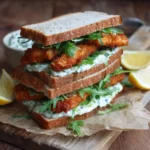
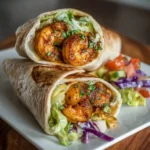
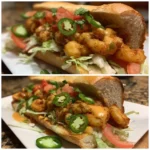
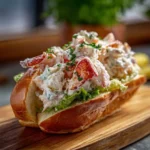
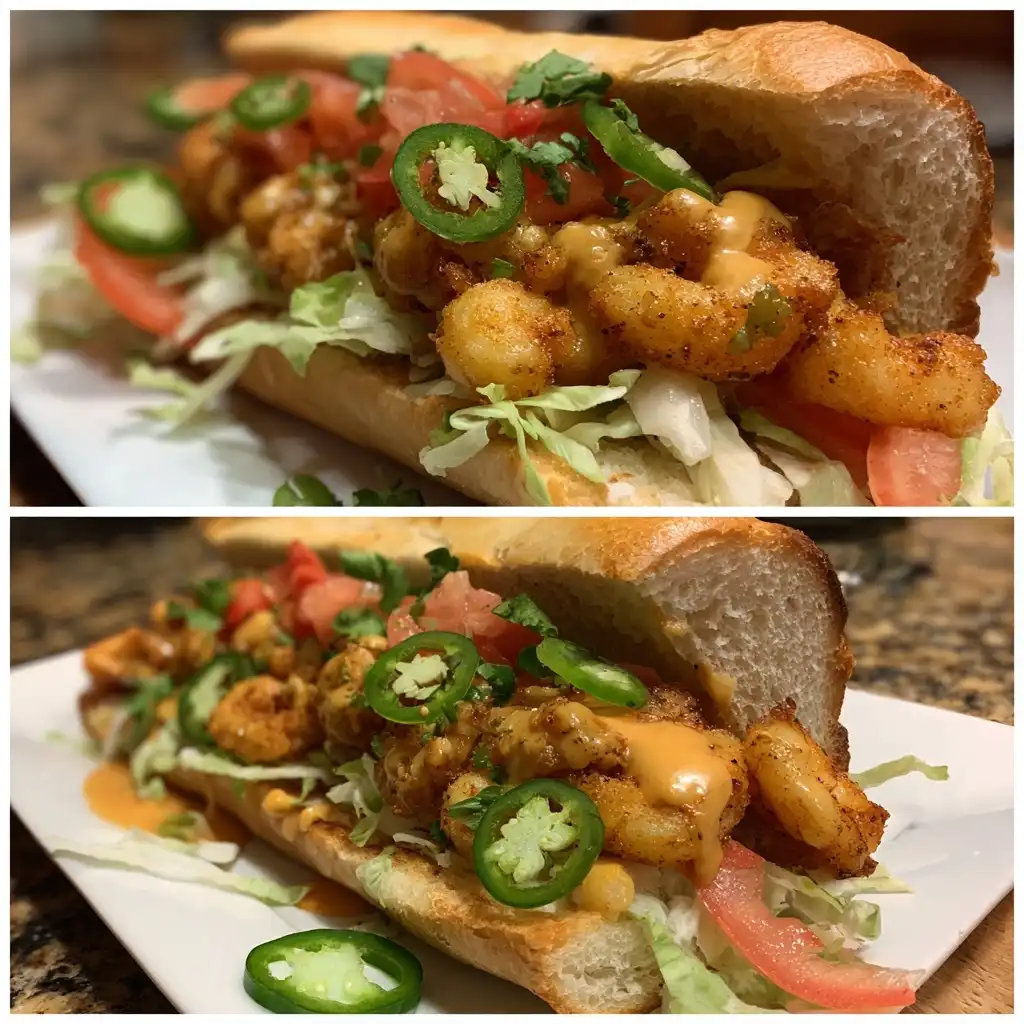
The Shrimp Po’ Boy is more than just a sandwich—it’s a vibrant, soul-satisfying emblem of New Orleans culinary heritage. Crisp, golden-battered shrimp nestled inside a pillowy-yet-crusty French loaf, generously dressed with creamy remoulade, shredded lettuce, sliced tomatoes, and pickles, this iconic dish delivers an irresistible symphony of textures and flavors: briny, tangy, crunchy, creamy, and deeply savory—all in one glorious bite. Born from necessity and elevated by ingenuity, the Po’ Boy has evolved from a humble act of solidarity into a celebrated cornerstone of Creole and Cajun foodways, beloved not only across Louisiana but nationwide—and increasingly, around the globe.
The History
The origins of the Po’ Boy trace back to the pivotal 1929 New Orleans streetcar strike—a labor dispute that pitted transit workers against the New Orleans Public Service Inc. (NOPSI). Brothers Benny and Clovis Martin, veterans of the U.S. Army and owners of Martin Brothers’ Coffee Stand and Restaurant in the Irish Channel neighborhood, pledged their support to the striking “poor boys.” As a gesture of compassion and camaraderie, they declared, “When the poor boys come in, give them a free lunch!” Though they didn’t offer meals entirely free, they did provide hearty, affordable sandwiches at cost—often for just a nickel or dime—to sustain the weary strikers.
The Martins crafted their signature sandwich using surplus French bread—long, airy loaves baked daily by local bakeries—that had become slightly stale but retained structural integrity. They filled it with whatever protein was accessible and economical: roast beef scraps, fried potatoes, or, most memorably, leftover shrimp from local fish markets and docks. The shrimp version quickly distinguished itself—not only for its affordability but for its bold flavor and textural appeal. Over time, the term “poor boy” morphed phonetically into “Po’ Boy,” cementing its place in regional vernacular and American food lexicon.
By the mid-20th century, the Po’ Boy had transcended its working-class roots to become a cultural institution. It appeared on menus in neighborhood corner stores, roadside seafood shacks, and fine-dining establishments alike. In 2012, the Louisiana Legislature officially designated the Po’ Boy as the state’s “Official Sandwich,” recognizing its historical significance, cultural resonance, and gastronomic excellence. Today, it stands alongside gumbo, jambalaya, and beignets as a non-negotiable pillar of Louisiana identity—served at Mardi Gras parades, Jazz Fest food tents, family reunions, and Sunday suppers.
Ingredients Breakdown
Every exceptional Shrimp Po’ Boy hinges on carefully selected, high-quality components—each playing a distinct and indispensable role in balancing flavor, texture, temperature, and tradition:
- Shrimp: Medium to large Gulf shrimp (26/30 or 31/40 count per pound) are ideal—sweet, firm, and sustainable. Wild-caught from the Gulf of Mexico is preferred for superior flavor and ethical sourcing. Peeled and deveined, with tails optionally left on for presentation and grip.
- Breading & Batter: A two-stage system yields optimal crispness: first, a light dredge in seasoned all-purpose flour; second, a buttermilk- or beer-based batter infused with cayenne, garlic powder, onion powder, smoked paprika, and a touch of Worcestershire sauce. Some traditionalists use a simple cornstarch-and-flour blend for extra crunch; others incorporate crushed saltine crackers or Ritz for nostalgic depth.
- Frying Oil: Peanut, canola, or high-oleic sunflower oil is recommended for high smoke point, neutral flavor, and consistent frying performance. Lard or duck fat may be used for ultra-authentic, old-school richness—but require careful temperature management.
- The Bread: Authentic New Orleans-style French bread is non-negotiable—long, slender, with a crackling, mahogany-hued crust and an airy, chewy, irregularly porous crumb. Local bakeries like Leidenheimer Baking Company or Gambino’s supply the gold standard. If unavailable, seek artisanal French or Italian baguettes with robust crust and open crumb—never soft sandwich rolls or brioche.
- Remoulade Sauce: Far more than mere “Cajun mayo,” authentic remoulade is a complex, house-made condiment blending Duke’s or Hellmann’s mayonnaise with yellow mustard, Creole mustard, ketchup, capers, chopped green onions, parsley, celery, garlic, hot sauce (Crystal or Louisiana), lemon juice, Worcestershire, and a whisper of horseradish. Regional variations may include anchovy paste, pickled okra, or even a splash of bourbon.
- Produce & Accoutrements: Crisp iceberg or romaine lettuce provides refreshing crunch; ripe, juicy beefsteak or heirloom tomatoes add acidity and sweetness; thinly sliced dill pickles (often kosher or bread-and-butter style) contribute bright acidity and contrast; optional additions include red onion rings (soaked in buttermilk or vinegar to tame sharpness), avocado slices, or roasted poblano strips.
- Seasonings & Finishes: Sea salt (preferably flaky Maldon or Gulf-coast harvested), freshly ground black pepper, and a final drizzle of hot sauce or Creole mustard elevate each layer. Some chefs finish with a dusting of smoked sea salt or a sprinkle of fresh dill or chives.
Step-by-Step Recipe
Follow this meticulously tested, chef-informed method to craft a restaurant-quality Shrimp Po’ Boy at home—with attention to timing, temperature, and technique:
- Prepare the Shrimp: Rinse shrimp under cold water and pat *extremely* dry with paper towels—moisture is the enemy of crisp breading. Place in a bowl and refrigerate uncovered for 15 minutes to further dehydrate surface moisture.
- Make the Remoulade: Whisk together 1 cup mayonnaise, 2 tbsp Creole mustard, 1 tbsp yellow mustard, 1 tsp ketchup, 1 tbsp finely minced celery, 1 tbsp minced green onion, 1 tbsp chopped parsley, 1 tsp drained capers, 1 tsp lemon juice, ½ tsp garlic powder, ¼ tsp cayenne, ¼ tsp smoked paprika, ½ tsp hot sauce, and a pinch of Worcestershire. Refrigerate for at least 30 minutes to allow flavors to meld.
- Set Up Your Breading Station: Three shallow dishes: (1) All-purpose flour seasoned with 1 tsp salt, ½ tsp black pepper, ½ tsp cayenne, ½ tsp garlic powder, ½ tsp onion powder, ¼ tsp dried thyme, and ¼ tsp dried oregano; (2) Buttermilk mixed with 1 egg, 1 tbsp hot sauce, and 1 tsp Dijon mustard; (3) Optional second flour mix—cornstarch blended 50/50 with flour for extra crunch.
- Bread the Shrimp: Working in batches, dredge shrimp in seasoned flour, shaking off excess. Dip fully into buttermilk mixture, allowing excess to drip off. Return to flour (or cornstarch blend) and press gently to adhere. Place on a wire rack and refrigerate for 10–15 minutes—this sets the crust and prevents slippage during frying.
- Heat the Oil: Pour 2–3 inches of oil into a heavy-bottomed Dutch oven or deep fryer. Heat to 350°F (175°C)—use a deep-fry thermometer for precision. Maintain temperature within ±5°F throughout frying.
- Fry to Perfection: Gently lower 6–8 shrimp into hot oil using tongs or a spider strainer. Fry for 2–2.5 minutes, turning once, until golden brown, puffed, and internal temperature reaches 145°F. Do not overcrowd—frying in small batches preserves heat and ensures even cooking. Remove and drain on a wire rack set over paper towels—not a plate—to prevent sogginess.
- Toast the Bread: Slice French loaf horizontally. Lightly butter the cut sides and toast in a skillet, griddle, or under the broiler until golden and crisp—but retain some interior tenderness. Avoid over-toasting, which creates an impenetrable barrier.
- Assemble with Intention: Spread a generous 2–3 tbsp remoulade on both top and bottom halves. Layer lettuce first (creates a moisture barrier), then tomato slices (blotted dry), followed by 6–8 hot shrimp. Top with pickles, a few grinds of black pepper, and a light sprinkle of flaky salt. Optional: a second swipe of remoulade over shrimp before closing.
- Serve Immediately: Cut diagonally and serve on parchment-lined trays. Provide extra remoulade on the side, lemon wedges, hot sauce, and chilled beverages—sweet tea, Abita Amber, or a Sazerac-inspired mocktail.
Tips
- Dry Shrimp Thoroughly: Even a trace of moisture causes batter to slide off and oil to splatter violently. Pat twice—once after rinsing, again before breading.
- Chill Before Frying: Refrigerating breaded shrimp for 10–15 minutes firms up the coating and locks in the breading—critical for maintaining integrity in hot oil.
- Control Oil Temperature Religiously: Too cool → greasy, soggy shrimp. Too hot → burnt exterior, raw interior. Use a clip-on thermometer and adjust heat in small increments.
- Don’t Skip the Toast: Untoasted bread absorbs remoulade and becomes mushy within seconds. A light sear adds structure, flavor, and insulation.
- Layer Strategically: Always place lettuce directly against the bread—it acts as a protective barrier against moisture migration from tomatoes and sauce.
- Use Day-Old Bread (If Necessary): Slightly stale French bread holds up better to wet ingredients than fresh-baked loaves—just ensure it hasn’t gone moldy or overly hard.
- Fry Shrimp Just Before Serving: For peak crispness, fry no more than 5 minutes before assembly. If prepping ahead, keep fried shrimp on a wire rack at room temperature—not covered—and re-crisp in a 400°F oven for 2–3 minutes before building.
- Scale Remoulade Thoughtfully: Make extra—it keeps refrigerated for up to 10 days and doubles as a dip for fries, boiled shrimp, or grilled vegetables.
- Respect the Crumb: When cutting, use a serrated knife and apply gentle sawing motion—never press down hard, which compresses and smashes delicate layers.
- Embrace Imperfection: A true Po’ Boy shouldn’t look “polished”—it should glisten, drip slightly, and feel abundant. Generosity is part of the ethos.
Variations and Customizations
The beauty of the Po’ Boy lies in its adaptability—honoring tradition while inviting creativity. Below are beloved regional riffs, dietary adaptations, and chef-driven innovations:
Classic Regional Twists
- Oyster Po’ Boy: Substitutes shucked, freshly fried Gulf oysters—brinier and more delicate, often served with Crystal hot sauce instead of remoulade.
- Roast Beef Debris Po’ Boy: Features slow-roasted, thinly sliced beef simmered in its own au jus until tender, then ladled hot onto the bread with gravy pooling luxuriously at the base.
- “Dressed” vs. “Undressed”: “Dressed” means lettuce, tomato, pickle, and remoulade included; “undressed” omits produce—often ordered by purists who prefer unadulterated shrimp and sauce.
- Seafood Medley: Combines shrimp, oysters, and soft-shell crab in one towering sandwich—a decadent, festival-favorite variation.
Dietary & Lifestyle Adaptations
- Gluten-Free: Use certified GF all-purpose flour, cornstarch, or rice flour for breading; substitute gluten-free French-style baguette (e.g., Canyon Bakehouse or Schar); verify remoulade contains no malt vinegar or wheat-derived thickeners.
- Low-Carb/Keto: Skip the bread entirely—serve shrimp and fixings over mixed greens as a “Po’ Boy Bowl,” or wrap in large butter lettuce cups. Use almond flour or crushed pork rinds for breading.
- Pescatarian/Vegetarian “Shrimp” Option: King oyster mushroom “scallops” or hearts of palm “shrimp,” marinated in Old Bay and seaweed flakes, then pan-seared or air-fried for umami depth.
- Oil-Free Baking Method: Toss shrimp in aquafaba + spices, coat with panko-panko-almond flour blend, and bake at 425°F on a wire rack for 12–15 minutes, flipping halfway—crispy, lighter, and surprisingly satisfying.
Gourmet & Modern Interpretations
- Smoked Shrimp Po’ Boy: Cold-smoke raw shrimp over pecan or applewood for 30 minutes before battering and frying—adds subtle woodsy complexity.
- Asian-Cajun Fusion: Infuse batter with gochujang and ginger; swap remoulade for yuzu-kimchi aioli; garnish with quick-pickled daikon and cilantro.
- Brunch Po’ Boy: Add a perfectly cooked over-easy egg, crispy bacon crumbles, and chipotle-maple remoulade—breakfast meets bayou.
- Deconstructed Po’ Boy: Serve components separately: shrimp skewers, warm toasted bread cubes, chilled remoulade shooters, and fresh herb salad—ideal for cocktail parties or tasting menus.
- Miniature “Po’ Boy Bites”: Use slider buns or hollowed mini baguettes for bite-sized versions—perfect for appetizers, game day, or wedding hors d’oeuvres.
Health Considerations and Nutritional Value
A traditionally prepared Shrimp Po’ Boy is inherently nutrient-dense—but mindful preparation can significantly enhance its wellness profile without sacrificing authenticity:
Nutritional Highlights (Per Standard Serving – Approx. 1 sandwich, ~600–850 kcal)
- High-Quality Protein: ~35–45g from shrimp—rich in selenium, vitamin B12, iodine, and omega-3 fatty acids (EPA/DHA), supporting thyroid health, neurological function, and anti-inflammatory activity.
- Heart-Healthy Fats: When fried in unsaturated oils (canola, peanut), shrimp contributes monounsaturated and polyunsaturated fats—especially when paired with avocado or olive oil–infused remoulade.
- Vitamin-Rich Produce: Lettuce (vitamin K, folate), tomatoes (lycopene, vitamin C), and pickles (probiotic potential, if naturally fermented) deliver antioxidants and digestive support.
- Whole Grain Potential: While classic French bread is refined, many modern bakeries offer whole-wheat or multigrain Po’ Boy loaves—boosting fiber (5–7g/serving), slowing glucose response, and improving satiety.
Considerations for Balanced Enjoyment
- Frying Moderation: Deep-frying increases caloric density and introduces advanced glycation end products (AGEs) at high temperatures. To mitigate: use fresh, high-smoke-point oil; avoid reuse beyond 2–3 cycles; maintain strict temperature control.
- Sodium Awareness: Traditional preparations can contain 1,200–1,800mg sodium—largely from remoulade, pickles, seasoning blends, and bread. Reduce by using low-sodium versions, limiting added salt, and incorporating potassium-rich tomatoes and lettuce to balance electrolytes.
- Mercury & Sustainability: Gulf shrimp are among the lowest-mercury seafood options and are MSC-certified sustainable when sourced responsibly. Avoid imported shrimp with dubious aquaculture practices—look for NOAA FishWatch or Gulf Seafood Alliance seals.
- Portion Mindfulness: A full-size Po’ Boy is a meal—not a snack. Consider sharing, pairing with a large side salad, or choosing a “half-Po’ Boy” to align with calorie goals.
- Allergen Transparency: Contains shellfish (shrimp), wheat (bread, flour), egg (batter), soy (mayo), and sometimes mustard and sulfites (in wine vinegar–based remoulades). Always disclose allergens when serving guests or in commercial settings.
Wellness-Focused Swaps
- Replace standard remoulade with Greek yogurt–based version (½ cup plain nonfat Greek yogurt + 2 tbsp mayo + herbs + lemon) — cuts calories by ~40% and adds probiotics and protein.
- Use air-fried or pan-seared shrimp with panko-panko-almond crust—reduces oil absorption by up to 75%.
- Incorporate microgreens or sprouts (radish, broccoli, sunflower) for concentrated phytonutrients and enzymatic activity.
- Add a spoonful of fermented hot sauce (e.g., house-made pepper mash) to boost gut microbiome diversity.
Ingredients
Makes 4 full-size Shrimp Po’ Boys
For the Shrimp & Batter
- 1 lb (450g) medium-large Gulf shrimp (26/30 or 31/40 count), peeled and deveined, tails on or off per preference
- 1 cup all-purpose flour (plus extra for dredging)
- ½ cup cornstarch
- 1 tbsp garlic powder
- 1 tbsp onion powder
- 1 tbsp smoked paprika
- 1½ tsp cayenne pepper (adjust to heat preference)
- 1½ tsp dried thyme
- 1 tsp dried oregano
- 1½ tsp kosher salt
- 1 tsp freshly ground black pepper
- 1½ cups buttermilk (full-fat preferred)
- 2 large eggs
- 2 tbsp Louisiana-style hot sauce (e.g., Crystal or Zatarain’s)
- 1 tbsp Dijon mustard
- Canola, peanut, or high-oleic sunflower oil for frying (approx. 1 quart)
For the Remoulade Sauce
- 1 cup high-quality mayonnaise (Duke’s preferred)
- 2 tbsp Creole-style mustard (Zatarain’s or Whole Foods 365)
- 1 tbsp yellow mustard
- 1 tbsp ketchup
- 1 tbsp finely minced celery (about 1 stalk)
- 1 tbsp finely minced green onion (green and white parts)
- 1 tbsp chopped fresh flat-leaf parsley
- 1 tsp drained capers, finely chopped
- 1 tsp fresh lemon juice
- ½ tsp Worcestershire sauce
- ½ tsp hot sauce
- ¼ tsp freshly grated horseradish (or ½ tsp prepared)
- ¼ tsp garlic powder
- Pinch of cayenne
- Salt to taste
For Assembly
- 1 traditional New Orleans French loaf (approx. 14–16 inches long)
- 2 cups shredded iceberg or romaine lettuce
- 2 medium ripe beefsteak tomatoes, sliced ¼-inch thick and patted dry
- ½ cup thinly sliced dill pickle chips or spears
- Flaky sea salt (e.g., Maldon) and freshly ground black pepper
- Lemon wedges, for serving
- Extra hot sauce and remoulade, on the side
Directions
- Prep the Shrimp: Rinse shrimp under cold running water. Drain well and spread on triple-layered paper towels. Pat aggressively until completely dry—no visible moisture remains. Transfer to a large bowl and refrigerate, uncovered, for 15 minutes.
- Make the Remoulade: In a medium bowl, whisk together all remoulade ingredients until smooth and emulsified. Cover and refrigerate for minimum 30 minutes—and ideally 2 hours—for flavors to deepen and harmonize.
- Set Up Breading Station: Arrange three wide, shallow dishes: (1) Flour mixture—whisk together 1 cup flour, cornstarch, garlic powder, onion powder, smoked paprika, cayenne, thyme, oregano, salt, and pepper. (2) Wet mixture—whisk buttermilk, eggs, hot sauce, and Dijon until uniform. (3) Optional secondary dredge—additional ½ cup seasoned flour for extra crunch.
- Bread the Shrimp: Working in batches of 8–10, dredge shrimp thoroughly in flour mixture, shaking off excess. Dip one by one into buttermilk mixture, letting excess drip off for 2 seconds. Return to flour mixture and press gently to adhere a thick, even coat. Place breaded shrimp on a wire cooling rack set over parchment. Refrigerate for 12–15 minutes to set coating.
- Heat the Oil: Pour oil into a heavy 5- to 6-quart Dutch oven to a depth of 2½ inches. Heat over medium-high heat until thermometer reads 350°F (175°C). Adjust heat as needed to hold steady temperature—do not walk away.
- Fry the Shrimp: Carefully lower 6–8 shrimp into hot oil using silicone-tipped tongs or a wire basket. Fry 2 minutes 15 seconds, gently turning at 1 minute mark, until uniformly golden, puffed, and internal temperature hits 145°F. Remove with slotted spoon or spider; drain on wire rack—not paper towels—to preserve crispness. Repeat with remaining shrimp, allowing oil to reheat between batches.
- Toast the Bread: Slice French loaf horizontally. Lightly butter both cut sides. Heat a cast-iron skillet or griddle over medium heat. Toast bread cut-side-down until deeply golden and crisp—about 2–3 minutes per side. Do not burn; aim for rich Maillard browning without carbonization.
- Assemble Each Sandwich: Spread 2½ tbsp remoulade on bottom half of bread. Layer ½ cup lettuce evenly. Top with 3–4 tomato slices (blotted dry). Place 6–8 hot shrimp lengthwise down center. Garnish with 1–2 tbsp pickles. Finish with another 2 tbsp remoulade dolloped over shrimp. Sprinkle with flaky salt and several turns of black pepper. Cap with top half of bread.
- Serve Immediately: Cut each sandwich diagonally with a serrated knife. Serve on parchment-lined plates with lemon wedges, extra remoulade in ramekins, and chilled beverages. Recommend consuming within 8 minutes of assembly for optimal texture contrast.
FAQ
- Q: Can I make the Shrimp Po’ Boy ahead of time?
- A: Components can be prepped in advance—remoulade (up to 10 days), breaded shrimp (refrigerated up to 4 hours or frozen up to 1 month), and even toasted bread (cool completely and store airtight). However, frying and assembly must happen within minutes of serving for structural integrity and sensory impact.
- Q: What’s the best oil temperature—and why does it matter so much?
- A: 350°F is scientifically optimal: hot enough to instantly vaporize surface moisture (creating steam lift and blistering), yet cool enough to allow heat penetration before exterior overcooks. Deviations cause sogginess (under 340°F) or burnt batter with raw interiors (above 365°F).
- Q: Why does my batter fall off when frying?
- A: Primary culprits: insufficient drying of shrimp, skipping the chill step, overcrowding the fryer (drops oil temp), or using cold shrimp straight from the fridge (causes thermal shock). Ensure shrimp are bone-dry, well-chilled post-breading, and added to properly heated oil in small batches.
- Q: Is there a traditional cheese used on Shrimp Po’ Boys?
- A: No—authentic New Orleans Po’ Boys do not include cheese. Adding cheddar, pepper jack, or provolone is a non-traditional, regional adaptation (more common in Texas or Midwest interpretations). Purists consider cheese a violation of the sandwich’s clean, briny-acidic balance.
- Q: Can I bake or air-fry the shrimp instead of deep-frying?
- A: Yes—with caveats. For baking: toss shrimp in 1 tbsp oil, coat with panko-cornstarch blend, and bake at 425°F on a wire rack for 12–14 minutes, flipping at 7 minutes. For air-frying: spray coated shrimp with avocado oil and cook at 400°F for 8–10 minutes, shaking basket at 5 minutes. Texture will be less ethereal than fried—but still delicious and significantly lighter.
- Q: How do I store and reheat leftovers?