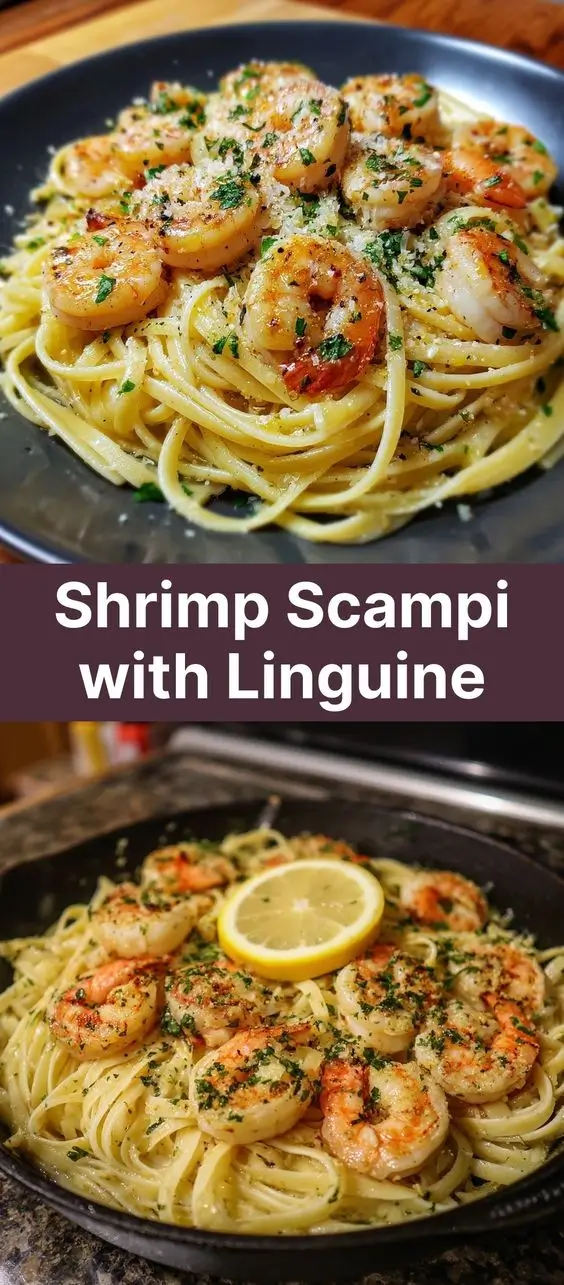
Shrimp Scampi with Linguine: A Classic Italian-American Delight
Indulge in the rich, buttery, garlicky flavors of Shrimp Scampi with Linguine—a dish that effortlessly bridges elegance and simplicity. Whether you’re preparing a romantic dinner for two or hosting a casual weeknight meal, this classic Italian-American favorite never fails to impress. With plump shrimp sautéed in a luxurious sauce of garlic, butter, white wine, lemon juice, and fresh herbs, all tossed with perfectly cooked linguine, every bite is a burst of savory, citrus-kissed delight. In this comprehensive guide, we’ll explore everything you need to know about making the perfect Shrimp Scampi with Linguine—from its fascinating history to detailed cooking techniques, health insights, creative variations, and expert tips.
The History of Shrimp Scampi
The term “scampi” originally refers not to shrimp, but to a type of small lobster common in Mediterranean cuisine—known in Italy as langoustines. Traditional Italian Scampi alla Busara features these delicate crustaceans cooked in a tomato-based sauce with garlic, breadcrumbs, and paprika. However, in mid-20th century America, where langoustines were difficult to source, chefs began substituting large shrimp, giving rise to what we now know as Shrimp Scampi.
This adaptation quickly became a staple in Italian-American restaurants, especially during the 1950s and 60s. Its popularity soared due to the accessibility of shrimp, the richness of the butter-garlic sauce, and the ease of preparation. Over time, the dish evolved further, incorporating ingredients like white wine, lemon juice, and parsley, creating a bright, aromatic flavor profile that contrasted beautifully with the creamy texture of pasta. Today, Shrimp Scampi with Linguine is celebrated across the United States as a quintessential seafood pasta dish—simple yet sophisticated, rustic yet refined.
Ingredients Breakdown: What Makes It Shine
The magic of Shrimp Scampi lies in its minimal yet powerful ingredient list. Each component plays a vital role in building layers of flavor and texture:
- Shrimp: Fresh or high-quality frozen medium to large shrimp (31–40 count per pound) are ideal. Peeled and deveined, with tails on or off based on presentation preference.
- Linguine: This long, flat pasta holds the rich sauce better than spaghetti due to its slightly wider surface area.
- Butter: Unsalted butter provides a creamy base and enhances mouthfeel. High-fat content ensures a silky sauce.
- Olive Oil: Extra virgin olive oil adds fruitiness and helps prevent the butter from burning during sautéing.
- Garlic: Freshly minced garlic is non-negotiable—it’s the soul of the dish, delivering pungent, aromatic depth.
- White Wine: Dry varieties like Pinot Grigio or Sauvignon Blanc deglaze the pan and add acidity and complexity.
- Lemon Juice: Freshly squeezed juice brightens the entire dish, cutting through the richness of butter and seafood.
- Parsley: Flat-leaf (Italian) parsley adds freshness and a pop of color when stirred in at the end.
- Red Pepper Flakes: Optional, but recommended—they lend a subtle heat that balances the sweetness of shrimp.
- Salt and Black Pepper: Essential for seasoning each layer of the dish.
- Parmesan Cheese (optional): Though not traditional, some modern versions include grated Parmesan for added umami.
Using high-quality, fresh ingredients is crucial—especially when the recipe relies on so few components. For instance, pre-minced garlic from a jar lacks vibrancy, while old wine can impart an off-flavor. Always opt for real butter over margarine, and squeeze your lemon by hand rather than using bottled juice.
Step-by-Step Recipe: How to Make Perfect Shrimp Scampi with Linguine
Ingredients
- 12 oz (340g) dried linguine
- 1.5 lbs (680g) large shrimp (31–40 count), peeled and deveined, tails removed (optional)
- 4 tbsp unsalted butter
- 3 tbsp extra virgin olive oil
- 6 cloves garlic, finely minced
- 1/2 tsp red pepper flakes (adjust to taste)
- 1/2 cup dry white wine (e.g., Pinot Grigio)
- 3 tbsp freshly squeezed lemon juice (about 1–2 lemons)
- 1 tsp lemon zest (optional, for extra brightness)
- 1/2 cup chopped fresh parsley
- Salt and freshly ground black pepper, to taste
- Optional: 1/4 cup grated Parmesan cheese
- Reserved pasta water, as needed
Directions
- Prepare the Pasta: Bring a large pot of salted water to a boil (use about 1 tablespoon of salt for 4 quarts of water). Add the linguine and cook according to package instructions until al dente—usually 8–10 minutes. Before draining, reserve 1 cup of starchy pasta water, then drain the pasta and set aside.
- Prep the Shrimp: Pat the shrimp dry thoroughly with paper towels. This ensures they sear properly instead of steaming. Season lightly with salt and pepper.
- Sauté the Garlic Base: In a large skillet or Dutch oven, heat the olive oil and 2 tablespoons of butter over medium heat. Once the butter has melted and begins to foam slightly, add the minced garlic and red pepper flakes. Cook gently for 1–2 minutes, stirring constantly, until fragrant but not browned—burnt garlic turns bitter.
- Cook the Shrimp: Increase the heat to medium-high. Add the shrimp in a single layer and cook for 1–2 minutes per side, until they turn pink and opaque. Avoid overcrowding; cook in batches if necessary. Remove the shrimp from the skillet and set aside temporarily.
- Build the Sauce: Reduce the heat to medium. Pour in the white wine and lemon juice, scraping the bottom of the pan to release any flavorful browned bits (fond). Let the sauce simmer for 2–3 minutes to reduce slightly and mellow the alcohol.
- Emulsify with Butter: Lower the heat again, then whisk in the remaining 2 tablespoons of cold butter, one piece at a time, to create a smooth, glossy sauce. This technique, called monter au beurre, enriches the sauce and gives it a velvety texture.
- Combine Everything: Return the cooked shrimp to the skillet. Add the drained linguine and toss everything together vigorously. If the sauce seems too thick, gradually add reserved pasta water—one tablespoon at a time—until the desired consistency is reached. The starch in the water helps the sauce cling to the pasta.
- Finish and Serve: Stir in most of the chopped parsley (reserve some for garnish), lemon zest (if using), and season to taste with salt and pepper. Toss once more, then divide among warmed serving plates. Sprinkle with remaining parsley and optional Parmesan cheese. Serve immediately with lemon wedges on the side.
Pro Tips for the Best Shrimp Scampi
- Don’t Overcook the Shrimp: Shrimp cook very quickly and become rubbery if left too long on the heat. They’re done as soon as they turn pink and form a loose “C” shape. A tight “O” means they’re overdone.
- Use Cold Butter for the Sauce: Adding cold butter at the end emulsifies the sauce, giving it a restaurant-quality shine without separating.
- Reserve Pasta Water: The starchy liquid is essential for adjusting sauce consistency and helping it adhere to the noodles.
- Toast the Garlic Gently: Garlic burns easily. Keep the heat moderate and stir constantly to avoid bitterness.
- Season in Layers: Salt each component—pasta water, shrimp, sauce—for balanced flavor throughout.
- Cook Pasta Al Dente: Slightly undercooking the linguine ensures it won’t turn mushy when combined with the hot sauce.
- Prep Ahead: Mince garlic, chop parsley, measure wine, and squeeze lemon in advance to streamline cooking.
Variations and Customizations
While classic Shrimp Scampi is timeless, there are many delicious ways to personalize the dish:
- Creamy Scampi: Stir in 1/4 cup heavy cream or crème fraîche at the end for a richer, silkier sauce.
- Tomato Scampi: Add 1 cup halved cherry tomatoes during the last minute of cooking for a fresh, summery twist.
- Herb Variations: Substitute basil, chives, or tarragon for part of the parsley to alter the aroma and flavor profile.
- Gluten-Free Option: Use gluten-free linguine made from rice, corn, or chickpea flour. Be sure to adjust cooking times and use plenty of pasta water.
- Low-Carb/Keto Version: Replace pasta with spiralized zucchini (zoodles), sautéed spaghetti squash, or shirataki noodles.
- Extra Protein: Add scallops or chunks of firm white fish like cod alongside the shrimp.
- Vegetable Boost: Sauté sliced mushrooms, spinach, or asparagus in the pan before adding garlic for added nutrition and texture.
- Dairy-Free Scampi: Omit butter entirely and use only olive oil or a plant-based butter substitute. Add a splash of cashew cream for richness.
- Wine-Free Version: Replace white wine with low-sodium chicken or vegetable broth mixed with 1 tsp apple cider vinegar for acidity.
- Spicy Arrabbiata Style: Double the red pepper flakes and add a dash of smoked paprika for a bolder kick.
Health Considerations and Nutritional Value
Shrimp Scampi with Linguine offers a balance of protein, carbohydrates, and fats, but mindful modifications can make it more diet-friendly.
Nutritional Breakdown (Per Serving, serves 4):
- Calories: ~550 kcal
- Protein: 30g (shrimp is an excellent lean protein source)
- Carbohydrates: 55g (primarily from pasta)
- Fat: 22g (mostly from butter and olive oil—healthy monounsaturated and saturated fats)
- Sodium: ~700mg (can vary based on added salt and butter)
- Cholesterol: ~200mg (shrimp are naturally higher in cholesterol but low in saturated fat)
- Vitamins & Minerals: Rich in selenium, vitamin B12, phosphorus, and iodine from shrimp; vitamin C and antioxidants from lemon and parsley.
Health Benefits:
- Heart-Healthy Fats: Olive oil contains monounsaturated fats linked to reduced inflammation and improved cardiovascular health.
- Lean Protein: Shrimp provide high-quality protein with fewer calories and less fat than many meats.
- Antioxidant Support: Garlic and lemon are rich in antioxidants and may support immune function.
- Low Mercury: Shrimp are generally low in mercury compared to larger fish, making them safer for frequent consumption.
Dietary Modifications:
- Lower Sodium: Use low-sodium butter, reduce added salt, and skip Parmesan to manage blood pressure.
- Lower Fat: Cut back on butter and increase olive oil proportionally, or use a butter spray for light coating.
- Keto-Friendly: Serve over cauliflower rice or spiralized vegetables and increase healthy fats with avocado slices.
- Allergy-Friendly: For shellfish allergies, substitute with marinated tofu or mushrooms for a vegan scampi-style dish.
Frequently Asked Questions (FAQ)
Can I use frozen shrimp?
Yes, frozen shrimp are perfectly fine—and often fresher than “fresh” shrimp, which may have been previously frozen. Thaw them in the refrigerator overnight or under cold running water. Pat dry before cooking.
Is it necessary to use wine?
No, but wine adds depth and acidity. Substitute with broth and a splash of vinegar or lemon juice for similar effect.
Can I make Shrimp Scampi ahead of time?
It’s best served fresh, but you can prep ingredients in advance. Cooked shrimp reheat poorly, so undercook slightly and finish heating when ready to serve.
Why did my sauce separate?
Sauces break when the emulsion fails—often due to high heat or adding butter too quickly. To fix, remove from heat, whisk in a splash of cold water or lemon juice, and slowly incorporate more butter.
Can I freeze leftovers?
Freezing is not recommended—pasta becomes mushy and shrimp develop off-textures upon thawing. Store leftovers in the fridge for up to 2 days and reheat gently in a skillet with a splash of water.
What wine pairs well with Shrimp Scampi?
A crisp white wine like Pinot Grigio, Sauvignon Blanc, or Chardonnay complements the citrus and garlic notes. Serve chilled.
Can I use other pastas?
Absolutely! Fettuccine, spaghetti, angel hair, or even penne work well. Just adjust cooking time accordingly.
Should I leave the tails on?
Tails on look elegant in restaurants but are harder to eat. Remove them for convenience unless serving as an appetizer.
How do I prevent rubbery shrimp?
Cook just until opaque and pink. Remove from heat early—they continue cooking from residual heat.
Is Shrimp Scampi healthy?
In moderation, yes. It’s high in protein and low in carbs, but watch butter and sodium levels. Balance with a side salad or steamed vegetables.
Summary
Shrimp Scampi with Linguine is a harmonious blend of succulent shrimp, al dente pasta, and a luxuriously tangy garlic-butter sauce infused with white wine and lemon—crafted in under 30 minutes. A beloved classic with endless customization potential, it’s perfect for both quick dinners and special occasions.