Introduction
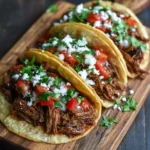
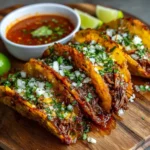
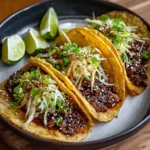
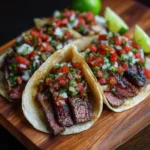
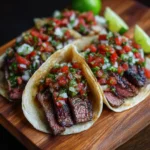
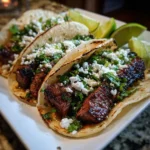
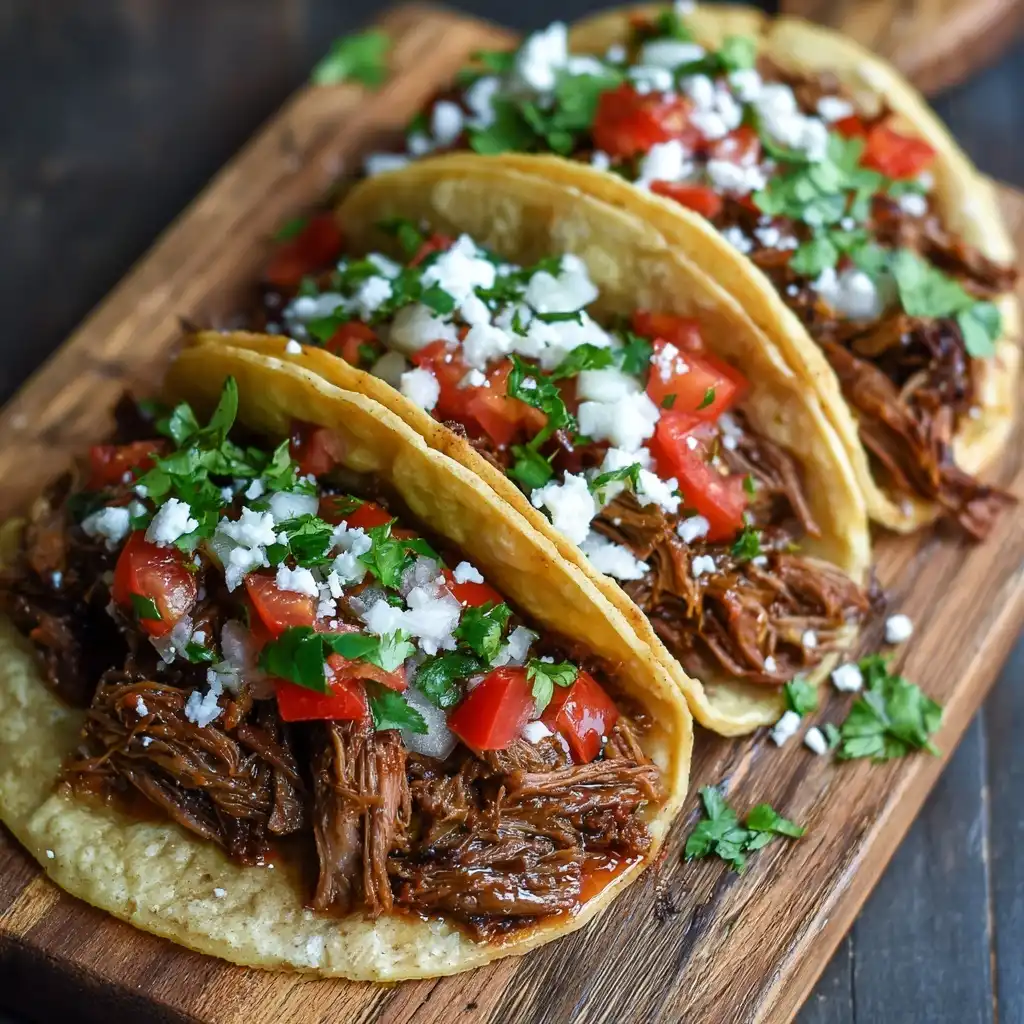
Slow Cooker Shredded Beef Tacos are the epitome of effortless, flavor-packed weeknight magic—transforming humble cuts of beef into tender, juicy, melt-in-your-mouth fillings with minimal hands-on time and maximum payoff. Whether you’re feeding a busy family, prepping meals for the week, or hosting a casual taco night with friends, this dish delivers restaurant-quality depth and texture without the stress. The slow cooker does all the heavy lifting: gently breaking down collagen-rich connective tissue into silky strands of beef infused with rich spices, savory aromatics, and just the right balance of warmth and tang. What makes this recipe truly special is its adaptability—it’s equally at home tucked into warm corn tortillas with fresh cilantro and lime as it is layered into nachos, stuffed into burritos, or served over rice bowls. This isn’t just “taco filling”—it’s a versatile, deeply satisfying culinary foundation that celebrates patience, simplicity, and bold Mexican-inspired flavors.
The History
The origins of shredded beef tacos trace back centuries to rural Mexico, where resourceful cooks transformed tougher, more affordable cuts—like chuck, brisket, and flank—into nourishing meals using low-and-slow techniques passed down through generations. Before modern appliances, this meant braising in clay pots over wood-fired comals or simmering in large copper cauldrons for hours, often alongside dried chiles, onions, garlic, and native spices like cumin and oregano. As Mexican culinary traditions migrated northward and evolved across borders, shredded beef (known as carne deshebrada or barbacoa-style when traditionally pit-cooked) became a staple in Tex-Mex and Cal-Mex kitchens. The advent of the electric slow cooker in the 1970s revolutionized home preparation—offering consistent, unattended heat ideal for collagen breakdown—making authentic-tasting shredded beef accessible to everyday cooks. Today, Slow Cooker Shredded Beef Tacos honor that legacy while embracing modern convenience, dietary preferences, and global pantry staples—blending ancestral wisdom with contemporary kitchen innovation.
Ingredients Breakdown
Every element in this recipe serves a distinct purpose—building layers of umami, balancing acidity, enhancing tenderness, and contributing aromatic complexity:
- Beef Chuck Roast (3–4 lbs): The star player. High in marbling and connective tissue (collagen), chuck becomes luxuriously tender and flavorful when slow-cooked. Avoid lean cuts like sirloin or round—they’ll dry out.
- Yellow or White Onion (1 large, diced): Adds sweetness and foundational aroma; caramelizes slightly during cooking, enriching the sauce base.
- Garlic (6 cloves, minced): Provides pungent depth and natural enzymatic tenderizing properties.
- Ancho Chile Powder (2 tbsp): Mild, fruity, and subtly smoky—essential for authentic mole-like richness. Substitute with mulato or guajillo powder for nuanced variation.
- Chipotle Powder (1 tsp) or 1–2 minced chipotles in adobo: Delivers controlled heat and deep, smoky complexity. Adjust to taste—chipotle is potent!
- Ground Cumin (1½ tbsp): Earthy and warm; activates fat-soluble flavors and complements beef beautifully.
- Dried Oregano (1 tbsp, Mexican preferred): Citrusy and floral—distinct from Mediterranean oregano, offering brighter herbal notes.
- Smoked Paprika (1 tsp): Enhances the “barbecue” dimension and adds gentle smoke without liquid smoke.
- Unsweetened Cocoa Powder (1 tbsp, Dutch-processed): A secret weapon! Adds subtle bitterness, richness, and depth reminiscent of traditional mole sauces—no chocolate flavor, just complexity.
- Brown Sugar (1 tbsp, light or dark): Balances acidity and chile heat; aids in gentle caramelization and glaze development.
- Apple Cider Vinegar (2 tbsp): Brightens the entire profile and helps tenderize via mild acidity. Lime juice may be added later for freshness—but vinegar works *during* cooking.
- Low-Sodium Beef Broth (1½ cups): Provides savory liquid medium and collagen-rich gelatin for mouth-coating richness. Bone broth is an excellent upgrade.
- Bay Leaves (2): Subtle, woodsy aroma that infuses quietly and lifts the overall fragrance.
- Black Pepper (1 tsp, freshly ground): Adds spicy, floral heat that complements chiles without overwhelming.
- Salt (1½ tsp, plus more to taste): Critical for seasoning meat properly *before* cooking—enhances moisture retention and protein denaturation.
- Olive Oil or Avocado Oil (1 tbsp): For searing—creates Maillard reaction crust that locks in juices and builds foundational flavor.
Note on authenticity: While some traditional recipes omit sugar or cocoa, these additions reflect modern interpretations that enhance depth without sacrificing integrity—think of them as respectful evolutions rather than deviations.
Step-by-Step Recipe
- Prep the Beef: Pat the chuck roast *very dry* with paper towels. Trim any large, hard pieces of external fat (but leave marbling intact). Season generously on all sides with salt and black pepper.
- Sear for Depth: Heat oil in a large skillet or Dutch oven over medium-high heat until shimmering. Sear the roast on all sides (including edges) until deeply browned—about 3–4 minutes per side. Don’t rush this step: browning = flavor foundation. Transfer to a plate and let rest 5 minutes.
- Sauté Aromatics: In the same skillet (don’t wipe out browned bits!), reduce heat to medium. Add diced onion and sauté 4–5 minutes until softened and translucent. Add minced garlic and cook 60 seconds until fragrant—do not burn.
- Bloom the Spices: Stir in ancho powder, chipotle, cumin, oregano, smoked paprika, cocoa powder, and brown sugar. Toast 1–2 minutes, stirring constantly, until spices become aromatic and slightly darker in color—this unlocks volatile oils and eliminates raw bitterness.
- Deglaze & Build Sauce: Pour in apple cider vinegar and scrape up all browned bits from the pan bottom. Simmer 1 minute. Then stir in beef broth and bring to a gentle simmer. Taste and adjust salt if needed.
- Layer in Slow Cooker: Place seared roast into a 6–7 quart slow cooker. Pour the warm spice-broth mixture evenly over the top. Tuck in bay leaves.
- Cook Low & Slow: Cover and cook on LOW for 8–10 hours (ideal), or HIGH for 5–6 hours. The beef is done when a fork slides in and out effortlessly and shreds cleanly with two forks. Internal temp should reach at least 203°F (95°C) for optimal collagen conversion.
- Rest & Shred: Carefully remove roast to a large cutting board or heatproof bowl. Let rest 15 minutes—this allows juices to redistribute. Skim excess fat from cooking liquid using a ladle or fat separator.
- Reduce the Sauce: Pour strained cooking liquid into a saucepan. Simmer over medium-low heat 10–15 minutes until slightly thickened and glossy—about 1 cup remaining. Optional: whisk in 1 tsp lime zest + 1 tbsp fresh lime juice at the end for brightness.
- Combine & Finish: Shred beef using two forks, discarding any gristle or large fat pockets. Return meat to reduced sauce and toss gently to coat. Taste and adjust: more salt? A splash of vinegar? A pinch of cayenne? Let meld 5 minutes off heat.
Tips
- Dry the Meat Thoroughly: Wet surfaces steam instead of sear—patting dry ensures proper Maillard browning and crust formation.
- Don’t Skip the Sear: Even though it’s a slow cooker recipe, searing adds *irreplaceable* savory depth. No sear = flat, boiled-beef flavor.
- Use a Meat Thermometer: Visual cues can mislead. Collagen fully converts at 200–205°F—use a probe to verify doneness, especially with thicker roasts.
- Resist the Urge to Pierce: Poking the roast while cooking releases precious juices. Trust the timeline—and the fork test at the end.
- Chill Overnight for Easier Fat Removal: If making ahead, refrigerate shredded beef in sauce overnight. Solidified fat lifts off cleanly in one layer the next day.
- Save Every Drop of Liquid: That rich, gelatinous broth is liquid gold—freeze in ice cube trays for future soups, beans, or gravy bases.
- Toast Whole Spices First: For even deeper flavor, toast whole cumin seeds and dried oregano in a dry skillet before grinding—then bloom as directed.
- Layer Flavors in Stages: Add half the garlic with onions, reserve half for last 30 minutes of cooking—fresh garlic retains brighter, sharper notes.
- Acid Is Your Friend—But Timing Matters: Vinegar goes in early for tenderizing; citrus (lime/lemon) should be added *after* cooking to preserve brightness.
- Go Heavy on Garnishes: Contrast is key! Creamy (avocado crema), crunchy (radish, jicama), acidic (pickled red onions), herbal (cilantro, epazote), and spicy (habanero salsa) elevate every bite.
Variations and Customizations
This recipe is a canvas—not a cage. Here’s how to make it your own:
Regional Twists
- Texas-Style Barbacoa: Replace broth with 1 cup strong coffee + ½ cup apple cider vinegar; add 1 tsp cinnamon, ¼ tsp clove, and 2 tbsp chopped fresh mint to sauce. Serve with double-stacked blue corn tortillas.
- Baja California Style: Swap ancho for dried guajillo + árbol chiles (soaked & blended); add 1 tbsp orange zest and 2 tbsp fresh orange juice to sauce. Top with cabbage slaw and chipotle mayo.
- Oaxacan Mole-Inspired: Add 1 tsp sesame seeds (toasted), 1 small torn corn tortilla (for thickening), ½ tsp ground clove, and 1 tsp raisins (soaked) to spice blend.
Dietary Adaptations
- Keto/Low-Carb: Omit brown sugar; increase smoked paprika and cocoa. Serve in lettuce cups or low-carb tortillas. Boost fat with avocado slices and full-fat crema.
- Gluten-Free: Naturally compliant—just verify broth and spice labels for hidden gluten or anti-caking agents.
- Paleo: Skip sugar entirely; use coconut aminos instead of soy-based tamari if adding umami depth. Serve with roasted sweet potato “taco shells.”
- Vegetarian/Vegan Option: Substitute king oyster mushrooms (shredded lengthwise) or young green jackfruit (canned in brine, rinsed well). Simmer in same spice blend + vegetable broth + 1 tbsp tamari + 1 tsp liquid smoke for 3 hours on LOW.
Flavor Boosters & Swaps
- Umami Bombs: Stir in 1 tbsp fish sauce (reduces funk, boosts savoriness), 2 tsp nutritional yeast, or 1 rehydrated dried shiitake mushroom (finely minced).
- Fruit Infusions: Add ½ cup diced pineapple (fresh or unsweetened canned) in last 2 hours for tropical brightness and natural bromelain tenderizing.
- Herb Forward: Stir in 2 tbsp chopped epazote (traditional Mexican herb) or culantro in final 30 minutes for earthy, citrusy lift.
- Smoke Without a Smoker: Add ¼ tsp natural hickory or mesquite liquid smoke *with* the broth—or use smoked sea salt in finishing step.
Health Considerations and Nutritional Value
A 4-ounce serving (shredded beef + 2 tbsp sauce, no tortilla or garnishes) provides approximately:
- Calories: 240–270 kcal
- Protein: 32–36g (complete, high-bioavailability source with all 9 essential amino acids)
- Fat: 11–14g (mostly monounsaturated and saturated; rich in conjugated linoleic acid (CLA) and omega-3s if grass-fed)
- Iron: ~3.5 mg (20% DV)—heme iron, highly absorbable
- Zinc: ~6 mg (55% DV)—critical for immune function and wound healing
- Vitamin B12: ~2.5 mcg (105% DV)—essential for nerve health and red blood cell formation
- Collagen & Gelatin: Abundant from slow-cooked connective tissue—supports joint, gut, skin, and hair health
Key Health Notes:
- Low Sodium Option: Use no-salt-added broth and reduce added salt by 50%. Rely on herbs, citrus, and spice complexity for flavor.
- Heart-Healthy Fats: Choose grass-finished beef when possible—it contains higher levels of omega-3s and antioxidants like vitamin E and selenium.
- Gut-Friendly: The gelatin-rich cooking liquid soothes intestinal lining and supports healthy digestion—ideal for those managing IBS or leaky gut.
- Anti-Inflammatory Spices: Ancho, cumin, oregano, and garlic contain polyphenols and flavonoids with documented antioxidant and anti-inflammatory activity.
- Consider Portion Balance: Pair with fiber-rich toppings (black beans, grilled corn, pico de gallo) and leafy greens to lower glycemic load and improve satiety.
- Watch Added Sugars: Traditional versions avoid refined sugar—opt for date paste or pureed roasted sweet potato if natural sweetness is desired.
Important Note: While nutrient-dense, moderation matters—especially for those monitoring saturated fat or sodium intake. Always consult a registered dietitian or physician for personalized nutrition guidance.
Ingredients
- 3–4 lbs boneless beef chuck roast, well-marbled
- 1 large yellow or white onion, finely diced
- 6 cloves garlic, minced (divided: 4 for sauté, 2 reserved)
- 2 tbsp ancho chile powder (or 3 soaked, seeded, blended ancho chiles)
- 1 tsp chipotle chile powder (or 1–2 chipotles in adobo, minced)
- 1½ tbsp ground cumin
- 1 tbsp dried Mexican oregano
- 1 tsp smoked paprika
- 1 tbsp unsweetened Dutch-process cocoa powder
- 1 tbsp light brown sugar
- 2 tbsp apple cider vinegar
- 1½ cups low-sodium beef broth (or bone broth)
- 2 large bay leaves
- 1 tsp freshly ground black pepper
- 1½ tsp fine sea salt (plus more to taste)
- 1 tbsp avocado oil or olive oil
- Optional finishing: 1 tbsp fresh lime juice, 1 tsp lime zest, chopped cilantro
Directions
- Pat beef roast completely dry with paper towels. Season liberally on all sides with salt and black pepper.
- Heat oil in a large heavy-bottomed skillet or Dutch oven over medium-high heat. Once shimmering, sear roast on all sides until deeply browned (3–4 min per side). Transfer to a plate; rest 5 minutes.
- In same skillet, reduce heat to medium. Add diced onion; sauté 4–5 minutes until soft. Add 4 cloves minced garlic; cook 1 minute until fragrant.
- Add ancho powder, chipotle, cumin, oregano, smoked paprika, cocoa, and brown sugar. Toast 1–2 minutes, stirring constantly.
- Pour in apple cider vinegar; scrape browned bits. Simmer 1 minute. Stir in broth and bring to gentle simmer.
- Place seared roast into slow cooker. Pour warm spice-broth mixture over top. Tuck in bay leaves.
- Cover and cook on LOW for 8–10 hours or HIGH for 5–6 hours, until fork-tender (203°F internal temp).
- Remove roast; rest 15 minutes. Skim fat from cooking liquid using ladle or fat separator.
- Pour liquid into saucepan; simmer 10–15 minutes until reduced to ~1 cup and glossy.
- Shred beef with two forks; discard gristle/fat. Return to reduced sauce. Gently toss. Stir in reserved garlic, lime juice, zest, and cilantro. Taste and adjust seasoning.
- Serve warm in charred corn or flour tortillas with your favorite toppings.
FAQ
- Can I use a different cut of beef?
- Yes—but choose collagen-rich, well-marbled cuts only. Recommended alternatives: beef brisket flat (trim excess fat), bottom round roast (slightly leaner but still effective), or short ribs (boneless, for ultra-rich results). Avoid sirloin, tenderloin, or eye of round—they’ll become tough and stringy.
- Why is my shredded beef dry or tough?
- Most commonly: insufficient cook time, too-high heat setting, or using a lean cut. Ensure internal temperature reaches 200–205°F, and always cook LOW for 8+ hours. Also, never skip searing—it seals in moisture. And remember: resting before shredding is non-negotiable.
- Can I make this in an Instant Pot?
- Absolutely. Use “Meat/Stew” setting for 90 minutes on HIGH pressure, followed by a full natural release (30–40 min). Then shred and reduce sauce as directed. Total time: ~2 hours.
- How long does it last in the fridge or freezer?
- Refrigerated (in sauce): up to 5 days in airtight container. Frozen: up to 6 months. Freeze in portion-sized containers or freezer bags with sauce—leave ½-inch headspace. Thaw overnight in fridge before reheating gently on stove or in microwave.
- Can I prep this ahead of time?
- Yes! You can fully assemble (except searing) the night before: place raw roast in slow cooker, add all spices and liquids, cover, and refrigerate overnight. Next morning, simply sear the cold roast (takes 1 extra minute per side) and proceed.
- What’s the best way to reheat leftovers?
- Stovetop is best: warm in a skillet over medium-low with 1–2 tbsp broth or water, stirring gently until heated through (~5 min). Microwave works in 30-sec bursts, covered, with a splash of liquid—but stovetop preserves texture.
- Are corn tortillas gluten-free?
- 100% corn tortillas made from masa harina and water are naturally gluten-free—but always check labels for cross-contamination warnings or added wheat flour (some brands do this for pliability).
- My sauce is too thin—how do I thicken it?
- Simmer longer! Or mix 1 tsp cornstarch with 1 tbsp cold water, whisk into hot sauce, and simmer 2 minutes until clear and thickened. For grain-free: use ½ tsp arrowroot or tapioca starch.
- Can I cook this from frozen?
- Not recommended—the extended thawing time in the slow cooker creates a food-safety risk in the “danger zone” (40–140°F). Always thaw beef fully in fridge before cooking.
- What are the best low-carb tortilla alternatives?
- Try grilled portobello caps, butter lettuce cups, roasted poblano “shells,” or almond-flour tortillas. For crunch: baked cheese crisps or jicama rounds.
Summary
Slow Cooker Shredded Beef Tacos transform economical, collagen-rich chuck roast into irresistibly tender, deeply spiced, and endlessly adaptable taco filling—all with under 20 minutes of active prep and zero babysitting required.
Honoring centuries-old Mexican braising traditions while embracing modern kitchen tools, this recipe delivers exceptional flavor, impressive nutrition, and joyful flexibility—whether you’re meal-prepping, entertaining, or simply craving comfort with character.