Introduction
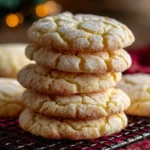
Soft frosted sugar cookies are the quintessential comfort treat—tender, melt-in-your-mouth centers crowned with a luscious, velvety layer of sweet frosting that adds both visual charm and flavor depth. Unlike crisp or snap-style sugar cookies, these are deliberately baked to retain moisture, yielding a pillowy-soft crumb that pairs perfectly with creamy, spreadable frostings ranging from classic vanilla buttercream to vibrant citrus glazes or rich chocolate ganache. Whether served at holiday gatherings, birthday parties, baby showers, or simply as an everyday indulgence, soft frosted sugar cookies evoke nostalgia while offering endless creative potential. Their gentle sweetness, subtle vanilla aroma, and satisfying textural contrast between cookie and frosting make them universally beloved across generations—and uniquely adaptable to dietary preferences, seasonal themes, and personal flair.
The History
The origins of the sugar cookie trace back to 17th-century Europe, where early versions—often called “Nazareth cookies” in Pennsylvania Dutch communities—were simple, spiced, and shaped by hand. However, the modern soft frosted variation didn’t emerge until the mid-20th century, coinciding with the rise of home baking culture, widespread availability of refined white sugar and shortening, and the popularization of electric mixers and reliable oven thermostats. The iconic “soft” texture was elevated further in the 1950s–60s with the introduction of cream cheese into cookie dough (a technique now standard in many soft sugar cookie recipes) and the growing trend of decorative, pastel-tinted frostings inspired by mid-century American aesthetics. Frosting itself has ancient roots—early versions appeared in medieval Europe as boiled sugar syrups—but the smooth, whipped buttercream ideal for soft cookies became mainstream only after the invention of powdered sugar (confectioners’ sugar) in the 1890s and its mass production by companies like Domino and C&H. Over time, food magazines, community cookbooks (notably church and Junior League collections), and televised cooking shows helped cement the soft frosted sugar cookie as a staple of American baking—evolving from humble pantry treat to edible art form through piping, sprinkles, marbling, and custom flavors.
Ingredients Breakdown
Every exceptional soft frosted sugar cookie begins with purposeful, high-quality ingredients—each playing a distinct functional and sensory role. Below is an in-depth analysis of the core components:
- All-Purpose Flour: Provides structure without toughness. Its moderate protein content (10–12%) yields tender yet cohesive dough. Sifting ensures even distribution and prevents dense pockets. For ultra-soft results, some bakers substitute up to 25% with cake flour (lower protein) or add a tablespoon of cornstarch to mimic its delicate crumb.
- Unsalted Butter: The foundation of richness and flavor. Must be softened—not melted—to properly cream with sugar and trap air for lift and tenderness. European-style butter (82–86% fat) enhances mouthfeel and reduces water content, minimizing gluten development and promoting softness.
- Cream Cheese (Full-Fat, Block Style): A defining ingredient for softness. Its high moisture and acid content tenderize gluten, inhibit over-browning, and add subtle tang that balances sweetness. Using cold, cubed cream cheese ensures even incorporation without greasiness.
- Granulated Sugar: Sweetens, aids in creaming (creating air pockets), and contributes to light browning via caramelization. Fine granulation ensures smooth dissolution; superfine sugar yields even more delicate texture.
- Brown Sugar (Light or Dark): Adds moisture (thanks to molasses), deepens flavor, and increases chewiness. Light brown sugar offers mild caramel notes; dark brown intensifies molasses richness and softness.
- Eggs (Large, Room Temperature): Bind ingredients, add structure, and contribute moisture and emulsification. Room temperature eggs integrate smoothly into creamed butter/cream cheese, preventing curdling and ensuring uniform batter.
- Pure Vanilla Extract (or Paste): Imparts warm, floral complexity. Alcohol-based extracts penetrate the dough more effectively than imitation versions. For concentrated flavor, many bakers add ½ tsp of vanilla bean paste or seeds alongside extract.
- Baking Powder & Baking Soda: A dual-leavening system: baking powder provides steady lift during baking, while a small amount of baking soda (neutralized by acidic cream cheese and brown sugar) enhances browning and tenderness without metallic aftertaste.
- Salt (Fine Sea Salt or Kosher): Not merely for seasoning—it sharpens sweetness, controls yeast activity (if using), and strengthens gluten just enough to prevent collapse while preserving tenderness.
- Frosting Ingredients (Buttercream Base): Unsalted butter (softened), confectioners’ sugar (sifted), heavy cream or whole milk, pure vanilla, and a pinch of salt. Optional enhancements include freeze-dried fruit powders, espresso, citrus zests, or high-quality cocoa powder. The ratio of butter to sugar determines spreadability and stability; higher butter content yields richer, softer frosting ideal for piping or spreading on warm (but not hot) cookies.
Step-by-Step Recipe
- Prepare Equipment & Ingredients: Line two large baking sheets with parchment paper or silicone baking mats. Measure all ingredients precisely using kitchen scales when possible (especially flour—spoon-and-level method recommended if using cups). Ensure butter and cream cheese are softened to 65–68°F (18–20°C)—cool to the touch but yielding to gentle pressure. Bring eggs to room temperature (15–20 minutes out of fridge).
- Cream Butter, Cream Cheese, and Sugars: In the bowl of a stand mixer fitted with the paddle attachment (or large mixing bowl + hand mixer), beat unsalted butter and full-fat cream cheese on medium speed for 1 minute until smooth and homogenous. Add granulated and brown sugars; beat on medium-high for 3–4 minutes until very light, fluffy, and pale in color. Scrape down bowl and paddle thoroughly.
- Incorporate Wet Ingredients: Add eggs one at a time, beating on medium speed for 30 seconds after each addition until fully incorporated and glossy. Mix in vanilla extract and salt until combined. Do not overmix—stop as soon as uniform.
- Whisk Dry Ingredients: In a separate bowl, whisk together sifted all-purpose flour, baking powder, baking soda, and fine sea salt until fully aerated and evenly distributed. This step prevents clumping and ensures leaveners are uniformly dispersed.
- Combine Wet & Dry: Reduce mixer speed to low. Gradually add dry ingredients in three additions, mixing only until *just* combined after each—about 15–20 seconds per addition. Pause to scrape bowl. The dough will appear shaggy at first, then come together into a soft, slightly sticky mass. Overmixing develops gluten and leads to toughness—stop the moment no dry streaks remain.
- Chill Dough (Critical Step): Divide dough into two equal portions. Flatten each into a 1-inch-thick disc, wrap tightly in plastic wrap, and refrigerate for *at least 2 hours*, preferably 3–4 hours or overnight. Chilling solidifies fats, prevents overspreading, enhances flavor development, and makes dough easier to roll and cut.
- Preheat & Prepare: Position oven racks in upper and lower thirds. Preheat oven to 350°F (175°C). Allow oven to fully stabilize (use oven thermometer for accuracy). While heating, lightly flour work surface and rolling pin.
- Roll & Cut Cookies: Remove one dough disc from fridge. Let sit 5–7 minutes to soften slightly for easier rolling. Roll to ¼-inch thickness (use ¼-inch acrylic rolling pin guides for consistency). Dip cookie cutters in flour before each use to prevent sticking. Cut shapes close together to minimize re-rolling (which toughens dough). Transfer cutouts to prepared baking sheets, spacing 2 inches apart. Re-roll scraps once only—chill again for 15 minutes before cutting additional cookies.
- Bake with Precision: Bake for 9–11 minutes—timing varies by oven and cookie size. Look for edges that are *just* beginning to set and turn faintly golden, while centers remain soft, puffy, and pale. They should look underbaked—they’ll continue to set as they cool. Rotate sheets top-to-bottom and front-to-back halfway through for even baking.
- Cool Completely Before Frosting: Let cookies cool on baking sheets for 3 minutes to set structure, then transfer to wire racks. Cool completely—minimum 45 minutes—before frosting. Warm cookies will melt frosting and cause bleeding or sliding.
- Prepare Frosting: While cookies cool, prepare your chosen frosting. For classic vanilla buttercream: beat softened butter until creamy (2 min), gradually add sifted confectioners’ sugar (1 cup at a time), then add cream/milk 1 tbsp at a time until desired consistency (stiff for piping, soft for spreading), followed by vanilla and salt. Beat 3–4 minutes total for maximum fluffiness and sheen.
- Frost & Decorate: Use offset spatula for smooth, even spreading—or fitted piping bags with round, star, or petal tips for detailed work. Apply frosting within 2 hours of making for best texture. Add sprinkles, edible glitter, crushed candy, or drizzled chocolate *immediately* after frosting while still tacky.
Tips
- Measure Flour Accurately: Too much flour is the #1 cause of dry, crumbly cookies. Use a kitchen scale (120g per cup) or the spoon-and-level method—never scoop directly from bag.
- Chill Twice: Chill dough before rolling *and* chill cut cookies on baking sheets for 15 minutes before baking. Cold dough = defined edges and minimal spread.
- Don’t Skip the Cream Cheese: It’s non-negotiable for softness. Low-fat or whipped versions contain too much water or stabilizers and compromise texture.
- Room-Temperature Eggs Are Essential: Cold eggs can cause the creamed mixture to seize or curdle, resulting in dense, uneven cookies.
- Underbake Intentionally: Remove cookies when centers look soft and slightly puffed—not golden or firm. Carryover heat finishes the bake.
- Use an Oven Thermometer: Most home ovens run hot or cold. Even a 25°F variance affects spread, browning, and tenderness.
- Rotate Sheets Mid-Bake: Ensures even heat exposure—critical for consistent softness across all cookies.
- Frost Only When Cool: Warm cookies release steam that breaks down frosting emulsion, causing greasiness or separation.
- Store Properly: Keep unfrosted cookies in airtight containers at room temp up to 5 days; frosted cookies refrigerated up to 1 week (bring to room temp 30 min before serving for optimal texture).
- Frosting Consistency Is Key: If too stiff, add cream ½ tsp at a time. If too thin, add more sifted confectioners’ sugar—1 tbsp at a time—until spreadable but holds shape.
- Color with Gel, Not Liquid: Gel food coloring adds vibrant hues without thinning frosting. Liquid dyes introduce excess moisture and dilute flavor.
- Freeze for Longevity: Unbaked dough discs freeze beautifully for up to 3 months. Thaw overnight in fridge before rolling. Baked, unfrosted cookies freeze for 2 months; frost after thawing completely.
Variations and Customizations
Soft frosted sugar cookies serve as a delicious canvas for limitless creativity—seasonal, cultural, dietary, and aesthetic. Here’s an expansive guide to customizing your batch:
Flavor Infusions (Dough Level)
- Lemon Zest + Lavender: Add 2 tsp finely grated lemon zest and 1 tsp culinary lavender buds (lightly crushed) to dry ingredients for a bright, floral profile.
- Almond Joy: Fold in ¾ cup toasted coconut flakes, ½ cup chopped dark chocolate, and ¼ tsp almond extract (reduce vanilla accordingly).
- Maple Brown Butter: Brown ½ cup butter before creaming; replace brown sugar with pure maple syrup (reduce other liquids by 2 tbsp) and add 1 tsp maple extract.
- Spiced Chai: Whisk 1½ tsp chai spice blend (cinnamon, ginger, cardamom, cloves, black pepper) into dry ingredients; garnish with candied ginger.
- Matcha Green Tea: Replace 2 tbsp flour with ceremonial-grade matcha powder; pair with white chocolate frosting.
Frosting Variations
- Ermine Frosting (Boiled Milk Icing): Cook flour, milk, and sugar into a roux, cool completely, then whip with butter. Silky, less sweet, and incredibly stable—ideal for warm climates.
- Chocolate Ganache Glaze: Heat ½ cup heavy cream to simmer, pour over 6 oz finely chopped semisweet chocolate, wait 3 minutes, stir until smooth, cool to 90°F before drizzling.
- Strawberry Swiss Meringue Buttercream: Whip pasteurized egg whites and hot sugar syrup into stiff peaks, then gradually add softened butter and freeze-dried strawberry powder.
- Coconut Cream Frosting: Whip chilled full-fat coconut cream (solid part only) with powdered sugar and lime zest for dairy-free elegance.
- Citrus Curd Swirl: Gently fold lemon, orange, or passionfruit curd into stabilized buttercream for tangy ribbons.
Dietary Adaptations
- Gluten-Free: Substitute 1:1 gluten-free all-purpose flour blend containing xanthan gum (e.g., King Arthur or Bob’s Red Mill). Add ½ tsp extra xanthan gum if blend doesn’t include it. Chill dough longer—GF dough is stickier.
- Vegan: Use plant-based butter (Miyoko’s or Earth Balance), full-fat coconut cream instead of cream cheese, flax eggs (1 tbsp ground flax + 2.5 tbsp water per egg), and vegan confectioners’ sugar (check for bone char–free brands like Wholesome or Florida Crystals).
- Lower-Sugar: Replace half granulated sugar with monk fruit–erythritol blend; use unsweetened applesauce (¼ cup) to replace one egg; frost with Greek yogurt–maple glaze (½ cup yogurt + 2 tbsp maple + ¼ tsp cinnamon).
- Protein-Enhanced: Add 2 scoops unflavored collagen peptides or whey isolate to dry ingredients; boost frosting with Greek yogurt (replace 2 tbsp butter with 3 tbsp strained yogurt).
Decorative Themes & Occasions
- Holiday: Red & green royal icing, peppermint extract in frosting, crushed candy canes, gold leaf accents.
- Wedding: Edible pearl dust, hand-piped lace borders, fresh edible flowers (roses, violets), monogrammed stamps.
- Baby Shower: Pastel ombré buttercream, gender-reveal confetti centers, fondant animal toppers.
- Halloween: Black cocoa dough, spiderweb piping, orange meringue “pumpkin” frosting, candy “eyeballs.”
- Christmas Cookie Exchange: Mini 1.5-inch cookies with single-color frosting and minimalist sprinkle accents—packaged in cellophane bags with twine and custom tags.
Health Considerations and Nutritional Value
While soft frosted sugar cookies are inherently indulgent, understanding their nutritional composition empowers mindful enjoyment and informed adaptations. A standard 3-inch frosted sugar cookie (approx. 35g cookie + 25g buttercream) contains approximately:
- Calories: 180–220 kcal
- Total Fat: 9–12g (5–7g saturated)
- Carbohydrates: 26–32g (20–25g added sugars)
- Protein: 2–3g
- Fiber: <1g (unless fortified or whole grain–adapted)
- Sodium: 85–110mg
Key Health Notes:
- Sugar Content: The combination of granulated, brown, and confectioners’ sugar delivers rapid glucose elevation. Pairing with protein (e.g., a glass of milk) or fiber (e.g., apple slices) slows absorption.
- Saturated Fat Source: Primarily from butter and cream cheese—nutrient-dense sources containing vitamins A, D, E, and K2. Moderation remains key for cardiovascular health.
- Gluten & Allergens: Contains wheat (gluten), dairy (butter, cream cheese, milk), and eggs. Cross-contamination risk exists in shared kitchens.
- Food Safety: Cream cheese must be handled carefully—refrigerate dough promptly, avoid leaving frosted cookies at room temperature >2 hours (per FDA guidelines), especially in warm/humid conditions.
- Nutrient Opportunities: Boost micronutrients by adding 1 tbsp ground flaxseed (omega-3s, fiber), 2 tsp wheat germ (vitamin E, folate), or swapping ¼ cup flour for almond flour (vitamin E, magnesium).
- Glycemic Impact: High glycemic load due to refined carbs and sugars. Those managing diabetes or insulin resistance may benefit from lower-sugar versions and portion control (e.g., 2-inch cookies).
- Mindful Indulgence: Research suggests that restrictive eating increases cravings. Enjoying a well-made, satisfying cookie consciously—savoring aroma, texture, and sweetness—supports long-term healthy relationships with food.
Ingredients
Makes approx. 36–40 (3-inch) soft frosted sugar cookies
For the Cookies:
- 1 cup (227g) unsalted butter, softened to 65–68°F
- 8 oz (227g) full-fat block cream cheese, cold, cubed
- 1¼ cups (250g) granulated sugar
- ½ cup (100g) light brown sugar, packed
- 2 large eggs, room temperature
- 2 tsp pure vanilla extract
- 1 tsp fine sea salt
- 4 cups (480g) all-purpose flour, spooned & leveled (or weighed)
- 2 tsp baking powder
- ½ tsp baking soda
For the Classic Vanilla Buttercream Frosting:
- 1 cup (227g) unsalted butter, softened
- 4 cups (450g) confectioners’ sugar, sifted
- 3–4 tbsp heavy cream or whole milk
- 2 tsp pure vanilla extract
- ¼ tsp fine sea salt
- Optional: Gel food coloring, sprinkles, edible glitter, crushed candies
Directions
- Line two large baking sheets with parchment paper or silicone baking mats. Set aside.
- In the bowl of a stand mixer fitted with the paddle attachment, combine softened butter and cold, cubed cream cheese. Beat on medium speed for 1 minute until smooth and unified.
- Add granulated sugar and brown sugar. Beat on medium-high for 3–4 minutes until light, fluffy, and pale yellow. Scrape bowl and paddle thoroughly.
- Add eggs one at a time, beating for 30 seconds after each until fully incorporated and glossy. Mix in vanilla and salt until combined.
- In a separate bowl, whisk together flour, baking powder, baking soda, and salt until fully aerated.
- Reduce mixer speed to low. Gradually add dry ingredients in three additions, mixing only until *just* combined after each—do not overmix. Dough will be soft and slightly sticky.
- Divide dough in half. Flatten each portion into a 1-inch-thick disc. Wrap tightly in plastic wrap and refrigerate for at least 2 hours or up to 72 hours.
- Preheat oven to 350°F (175°C) with racks in upper and lower thirds. Allow oven to fully preheat (use thermometer).
- Remove one dough disc. Let sit 5–7 minutes. Lightly flour work surface and rolling pin. Roll dough to ¼-inch thickness. Dip 3-inch cookie cutters in flour; cut shapes and place 2 inches apart on prepared sheets.
- Chill cut cookies on sheets for 15 minutes before baking.
- Bake 9–11 minutes, rotating sheets halfway, until edges are faintly golden and centers are soft and puffy.
- Cool on sheets for 3 minutes, then transfer to wire racks. Cool completely (45+ minutes) before frosting.
- While cooling, prepare frosting: Beat butter until creamy (2 min). Gradually add confectioners’ sugar (1 cup at a time), then cream/milk (1 tbsp at a time), vanilla, and salt. Beat 3–4 minutes until light and fluffy.
- Frost cooled cookies using spatula or piping bag. Decorate immediately with toppings. Store in airtight container at room temperature up to 3 days, or refrigerate up to 1 week.
FAQ
- Why did my cookies spread too much?
- Most commonly due to warm dough, insufficient chilling, butter too soft or melted, or excess sugar. Always chill dough twice and verify butter temperature. Also check oven calibration—low temps cause prolonged baking and spread.
- Can I make these without cream cheese?
- You can omit it, but texture will shift significantly—cookies will be less tender, more cakey or crumbly, and lack signature melt-in-your-mouth quality. Substitute with ½ cup additional softened butter + 2 tbsp sour cream or plain Greek yogurt for partial softness retention.
- How do I get smooth, crack-free frosting?
- Ensure butter is truly softened—not greasy—and confectioners’ sugar is thoroughly sifted. Beat frosting long enough (3–4 min) to incorporate air. If lumpy, strain through fine-mesh sieve. For ultra-smooth finish, press plastic wrap directly onto frosting surface and refrigerate 15 minutes before re-beating.
- Can I freeze frosted cookies?
- Yes—with caveats. Freeze *unfrosted* cookies for best quality. Frosted cookies can be frozen but may weep condensation or dull in appearance. Place frosted cookies on a parchment-lined tray, freeze solid (2 hrs), then transfer to airtight freezer bags with parchment between layers. Thaw overnight in fridge, then bring to room temp before serving.
- My frosting is too sweet—how can I balance it?
- Add a pinch more salt, ¼ tsp lemon juice or zest, or 1 tsp instant espresso powder to deepen flavor without adding bitterness. You can also reduce confectioners’ sugar by ½ cup and increase butter by 2 tbsp for richer, less sugary texture.
- What’s the best way to store decorated cookies?
- Layer frosted cookies between parchment or wax paper in an airtight container. At room temperature: 2–3 days (avoid humid environments). Refrigerated: up to 1 week (wrap container in towel to prevent moisture buildup). For longer storage, freeze unfrosted cookies and frost fresh.
- Can I use a different frosting, like royal icing?
- Royal icing creates a hard, glossy shell—ideal for detailed decorating but *not* for soft texture pairing. It contrasts rather than complements the tender cookie. Stick with buttercream, ermine, or ganache for harmony. If you prefer royal icing, choose a sturdier sugar cookie base.
- Why do my cookies have a slight dome or puff up in center?
- This is normal—and desirable! It signals proper aeration during creaming and correct leavener activation. As cookies cool, they settle into their signature soft, slightly rounded profile. Over-flouring or overmixing causes flat, dense results.
- Can I make mini cookies?
- Absolutely. Roll dough to same ¼-inch thickness and use 1.5–2-inch cutters. Reduce bake time to 6–8 minutes. Yields ~70–90 cookies. Great for events and portion control.
- Is there a way to make these ahead for a party?
- Yes—strategically! Bake cookies 2–3 days ahead and freeze unfrosted. Frost day-of or morning-of. Alternatively, bake and frost 1 day ahead; store in single layer in airtight container at room temp. Avoid stacking frosted cookies until ready to serve.
Summary
Soft frosted sugar cookies are a masterclass in tender indulgence—achieved through precise creaming, strategic chilling, intentional underbaking, and the irreplaceable softening power of full-fat cream cheese.
With infinite variations in flavor, frosting, decoration, and dietary adaptation—and