Introduction
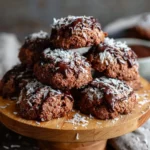
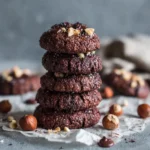
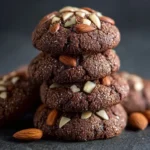
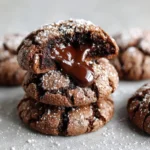
Soft peanut butter cookies are a beloved classic — tender, slightly chewy, richly nutty, and irresistibly comforting. Unlike crisp or crumbly variations, these cookies prioritize melt-in-your-mouth softness, achieved through precise ingredient ratios, minimal mixing, and careful baking technique. They evoke nostalgia — think after-school snacks, holiday cookie platters, and cozy Sunday baking sessions — yet remain endlessly adaptable for modern palates and dietary preferences. Whether you’re a seasoned baker or a first-time cookie maker, mastering the art of the soft peanut butter cookie is both rewarding and deeply satisfying. Their simplicity belies their depth: a perfect balance of roasted peanut flavor, subtle sweetness, warm vanilla, and just enough salt to make every bite sing.
The History
Peanut butter cookies trace their origins to the late 19th and early 20th centuries, coinciding with the commercial rise of peanut butter in the United States. While peanuts were cultivated by Indigenous peoples in South America for millennia, it was Dr. John Harvey Kellogg who patented a process for making peanut paste in 1895 — initially as a nutritious, protein-rich food for patients at his Battle Creek Sanitarium. By the 1910s, brands like Beech-Nut and later Skippy (introduced in 1932) brought smooth, shelf-stable peanut butter into mainstream American kitchens. The iconic crisscross fork pattern — now synonymous with peanut butter cookies — emerged not just for aesthetics, but out of necessity: dense, high-fat peanut butter dough doesn’t spread naturally during baking, so flattening ensured even cooking and proper texture. The earliest known printed recipe appeared in the 1932 *Schneider’s Cook Book*, though home cooks had likely been experimenting for years prior. Over decades, the cookie evolved from a utilitarian snack into a cultural staple — featured in wartime rationing cookbooks, immortalized in *Peanuts* comic strips, and continually reinvented with gourmet twists, global influences, and health-conscious adaptations.
Ingredients Breakdown
Every ingredient in soft peanut butter cookies plays a critical functional and flavor role — understanding *why* each is included empowers bakers to troubleshoot, substitute confidently, and elevate results:
- Peanut Butter (1 cup, creamy or natural): The heart of the cookie. Creamy peanut butter yields uniform texture and reliable softness; natural varieties (with just peanuts + salt) offer deeper, oilier richness but require stirring and may increase spread — adjust flour accordingly. Avoid “no-stir” or hydrogenated brands with added sugars and stabilizers, which can mute flavor and create greasiness.
- Unsalted Butter (½ cup, softened): Adds moisture, tenderness, and flakiness. Softened (not melted) butter creams properly with sugar to trap air — essential for lift and delicate crumb structure. Salted butter can be used, but reduce added salt in the recipe.
- Brown Sugar (¾ cup, packed): Provides moisture (thanks to molasses), deep caramel notes, and acidity that activates baking soda. Dark brown sugar intensifies flavor and chewiness; light brown offers milder sweetness and slightly less moisture.
- Granulated Sugar (¼ cup): Contributes to crisp edges (minimal in soft versions), aids in creaming, and balances molasses’ acidity. Reducing it slightly enhances softness — but omitting entirely risks dense, gummy texture.
- Egg (1 large, room temperature): Binds ingredients, adds structure via proteins, and contributes to tenderness with its fat and water content. Room temperature ensures even emulsification and prevents re-hardening of butter.
- Vanilla Extract (1½ tsp, pure): Enhances aromatic complexity and rounds out peanut’s earthiness. Imitation vanilla lacks nuance and can taste artificial under heat.
- All-Purpose Flour (1¼ cups): Provides gluten for gentle structure. Too little = flat, greasy cookies; too much = dry, tough, or cakey. Spoon-and-level method is non-negotiable for accuracy.
- Baking Soda (½ tsp): The primary leavener. Reacts with brown sugar’s acidity to create carbon dioxide bubbles — crucial for lift and airy softness. Freshness is vital; replace every 6 months.
- Coarse Sea Salt or Flaky Salt (¼ tsp + extra for topping): Elevates all flavors, counters sweetness, and adds textural contrast. Fine table salt works but lacks the burst of salinity that flaky salt delivers.
- Optional Add-Ins: Peanut halves (for visual appeal and crunch), toasted peanuts (for depth), or a pinch of cinnamon (for warmth) — but use sparingly to preserve the cookie’s signature simplicity.
Step-by-Step Recipe
- Prep & Preheat: Position oven racks in upper and lower thirds. Preheat oven to 350°F (175°C). Line two large baking sheets with parchment paper or silicone baking mats — do not grease pans, as excess fat encourages spreading.
- Cream Butter & Sugars: In a large bowl using a stand mixer fitted with paddle attachment (or hand mixer), beat softened butter, brown sugar, and granulated sugar on medium-high speed for 2–3 minutes until light, fluffy, and pale. Scrape down bowl thoroughly. This step incorporates air — foundational for softness.
- Add Wet Ingredients: Beat in egg and vanilla on medium speed until fully combined, about 30 seconds. Mixture should look homogenous and slightly glossy. Do not overmix.
- Incorporate Peanut Butter: Add peanut butter and beat on low speed just until incorporated — about 15–20 seconds. Overmixing warms the fats and develops gluten prematurely, leading to toughness.
- Whisk Dry Ingredients: In a separate bowl, whisk together flour, baking soda, and salt until fully aerated and evenly distributed. Sifting is optional but helpful if flour has compacted.
- Combine Dry & Wet: With mixer on low speed, gradually add dry ingredients to wet mixture in three additions, mixing only until *no streaks of flour remain*. Stop immediately — batter will be thick and slightly shaggy. Overmixing = gluten development = chewy (not soft) cookies.
- Chill Dough (Critical Step): Cover bowl tightly and refrigerate for *at least 30 minutes, up to 72 hours*. Chilling solidifies fats, prevents excessive spread, hydrates flour for better texture, and concentrates flavor. For ultra-soft results, chill 1–2 hours.
- Portion & Shape: Scoop chilled dough using a 1.5-tablespoon cookie scoop (about 20g per ball). Roll gently between palms into smooth balls. Place 3 inches apart on prepared sheets.
- Flatten with Fork: Dip tines of a fork in flour (to prevent sticking), then press each ball firmly once in one direction, rotate 90°, and press again to create the classic crisscross pattern. Press to ~½-inch thickness — do not over-flatten, or cookies become thin and crisp.
- Bake Strategically: Bake one sheet at a time in center of oven for 10–12 minutes. Edges should be set and lightly golden; centers will appear soft, puffy, and slightly underdone — this is intentional. Rotate pan front-to-back halfway through for even baking.
- Cool Completely on Pan: Remove from oven and let cookies rest on baking sheet for 8–10 minutes. They continue to set via residual heat. Then, carefully transfer to wire racks to cool fully — at least 20 minutes — before eating. Patience ensures optimal softness and prevents crumbling.
Tips
- Measure Flour Correctly: Use the spoon-and-level method — fluff flour in bag, spoon into measuring cup, level with straight edge. Scooping directly packs flour and adds up to 25% excess, yielding dry, dense cookies.
- Control Peanut Butter Oil: If using natural peanut butter, stir vigorously until fully emulsified, then refrigerate 15 minutes before measuring. Excess oil separates and causes greasy spread.
- Butter Temperature Matters: Butter should yield slightly to fingertip pressure but hold its shape — cool to the touch, not shiny or greasy. Microwave “softening” often creates hot spots; leave at room temp 45–60 minutes instead.
- Don’t Skip the Chill: Warm dough spreads aggressively, creating thin, crispy-edged cookies. Chilled dough bakes up thick, tender, and uniformly soft.
- Underbake Intentionally: Pull cookies when centers still look soft and puffy — they firm up dramatically during cooling. A toothpick inserted should come out with moist crumbs, not wet batter.
- Rotate Pans Mid-Bake: Home ovens have hot spots. Rotating ensures even browning and consistent texture across all cookies.
- Cool on the Sheet: Transferring too soon breaks fragile, steam-filled centers. Letting them set on the hot pan allows internal structure to stabilize.
- Storage for Maximum Softness: Store cooled cookies in an airtight container with a slice of plain white bread — the cookies absorb ambient moisture from the bread, staying soft for up to 1 week. Replace bread every 2 days.
- Freeze for Freshness: Portion unbaked dough balls onto a tray, freeze solid (2 hours), then transfer to freezer bags. Bake straight from frozen — add 1–2 minutes to bake time. Dough keeps 3 months.
- Revive Stale Cookies: Place in a microwave-safe dish with a damp paper towel for 5–8 seconds. Steam reintroduces moisture instantly.
Variations and Customizations
While classic soft peanut butter cookies are perfection in simplicity, creative adaptations keep them exciting across seasons, diets, and occasions:
- Chocolate-Dipped: After cooling, dip half of each cookie in melted dark, milk, or white chocolate. Sprinkle with flaky salt or crushed peanuts before chocolate sets.
- Stuffed with Jam: Flatten dough ball, place ¼ tsp seedless raspberry or strawberry jam in center, fold dough over, and seal. Gently re-roll and crisscross. Adds bright acidity and jammy pockets.
- Gluten-Free: Substitute 1:1 gluten-free all-purpose flour blend (like Bob’s Red Mill or King Arthur) + ¼ tsp xanthan gum (if not included in blend). Add 1 tbsp almond milk if dough seems dry.
- Vegan: Use vegan butter (Miyoko’s or Earth Balance), flax egg (1 tbsp ground flax + 2.5 tbsp water, rested 5 min), and maple syrup (reduce granulated sugar by 1 tbsp). Ensure peanut butter is vegan (no honey).
- Protein-Packed: Add 2–3 tbsp unflavored or vanilla whey or plant-based protein powder. Reduce flour by 1 tbsp to compensate. May require extra 1 tsp milk if dough is stiff.
- Spiced: Add ½ tsp ground cinnamon + ¼ tsp ground ginger + pinch of cloves to dry ingredients for warm, autumnal depth.
- Espresso-Kissed: Stir 1 tsp instant espresso powder into dry ingredients for sophisticated bitterness that complements peanut butter’s richness.
- Mini Cookies: Scoop 1-teaspoon portions for bite-sized treats. Bake 7–9 minutes. Ideal for parties or portion control.
- Savory-Sweet: Increase sea salt to ½ tsp and add 2 tbsp finely chopped roasted peanuts + 1 tbsp chopped fresh rosemary (use sparingly — it’s potent!).
- Overnight Oats-Inspired: Replace ¼ cup flour with certified gluten-free rolled oats (pulse in blender first for finer texture) and add 1 tsp chia seeds. Soak dough overnight for hearty, chewy-soft texture.
Health Considerations and Nutritional Value
A single soft peanut butter cookie (approx. 28g, recipe makes ~24) contains roughly 140–160 calories, 8–10g fat (mostly unsaturated), 2–3g protein, 15–18g carbohydrates, and 9–12g sugars. While indulgent, they offer notable nutritional advantages when made thoughtfully:
- Heart-Healthy Fats: Peanut butter provides monounsaturated and polyunsaturated fats linked to reduced LDL cholesterol and improved cardiovascular health. Opting for natural, oil-separated peanut butter maximizes these benefits.
- Plant-Based Protein: Peanuts deliver ~7g protein per ounce — supporting satiety and muscle maintenance. Pairing with whole grain flour or oats boosts protein quality.
- Nutrient Density: Peanuts contain niacin (B3), folate, magnesium, phosphorus, and vitamin E — antioxidants that support metabolism, bone health, and cellular protection.
- Lower-Glycemic Potential: Replacing half the granulated sugar with coconut sugar or date paste lowers glycemic load. Brown sugar’s molasses adds trace minerals like iron and calcium.
- Dietary Adaptations: Gluten-free, vegan, and low-sugar versions make these accessible to many dietary needs — but always verify labels (e.g., gluten-free oats, vegan butter certifications).
- Mindful Moderation: High in energy-dense fats and sugars, so portion awareness matters. Enjoying 1–2 cookies mindfully satisfies cravings without excess calorie intake. Pairing with Greek yogurt or fruit enhances nutritional balance.
- Allergen Alert: Peanuts are a top-8 allergen. Always label clearly for guests and avoid cross-contact in shared kitchens. Sunflower seed butter is a safe, flavorful alternative with similar fat profile.
- No Artificial Additives: Homemade versions avoid preservatives, artificial flavors, and excess sodium common in store-bought cookies — giving full control over ingredient quality.
Ingredients
- ½ cup (1 stick / 113g) unsalted butter, softened to cool room temperature
- ¾ cup (150g) packed light or dark brown sugar
- ¼ cup (50g) granulated sugar
- 1 large egg, room temperature
- 1½ teaspoons pure vanilla extract
- 1 cup (250g) creamy peanut butter (natural or conventional — see notes)
- 1¼ cups (156g) all-purpose flour, spooned and leveled
- ½ teaspoon aluminum-free baking soda
- ¼ teaspoon fine sea salt (plus flaky sea salt for topping)
Directions
- Preheat oven to 350°F (175°C). Line two large baking sheets with parchment paper or silicone baking mats.
- In a large bowl, beat softened butter, brown sugar, and granulated sugar with a stand or hand mixer on medium-high speed for 2–3 minutes, until light, fluffy, and pale. Scrape down sides.
- Beat in egg and vanilla on medium speed until combined, ~30 seconds.
- Add peanut butter and mix on low speed just until incorporated, ~15 seconds.
- With mixer on low, gradually add dry ingredients to wet mixture in three parts, mixing only until no flour streaks remain. Do not overmix — dough will be thick and slightly crumbly.
- Cover bowl tightly and refrigerate dough for at least 30 minutes (up to 72 hours).
- Scoop chilled dough using a 1.5-tablespoon cookie scoop (~20g). Roll into smooth balls and place 3 inches apart on prepared sheets.
- Dip tines of a fork in flour, then press each ball firmly in one direction, rotate 90°, and press again to form crisscross pattern. Press to ~½-inch thickness.
- Bake one sheet at a time in center of oven for 10–12 minutes, rotating pan halfway through, until edges are set and lightly golden but centers remain soft and puffy.
- Let cookies cool on baking sheet for 8–10 minutes, then transfer to wire racks to cool completely before storing or serving.
FAQ
- Why did my cookies spread too much?
- Likely causes: butter too warm, insufficient chilling, too little flour (imprecise measuring), or using low-fat or “no-stir” peanut butter with added oils. Solution: Chill dough longer, measure flour accurately, use room-temp butter, and choose natural or full-fat creamy peanut butter.
- Can I make these ahead for a party?
- Absolutely! Baked cookies stay soft for 5–7 days in an airtight container with bread. Unbaked dough balls freeze beautifully for up to 3 months — bake straight from frozen, adding 1–2 minutes.
- My cookies turned out cakey — what went wrong?
- Overmixing after adding flour develops gluten, creating bounce and airiness. Also, too much baking soda or expired leavener causes puffiness without tenderness. Mix dry ingredients in *just* until combined, and verify baking soda freshness.
- Can I use crunchy peanut butter?
- Yes — but expect slightly less uniform softness and more textural variation. Reduce bake time by 30–60 seconds, as nuts conduct heat faster. Stir well to distribute pieces evenly.
- How do I prevent dry, crumbly cookies?
- Ensure brown sugar is packed, don’t overbake (pull when centers look underdone), and avoid over-flouring. Adding 1 tsp corn syrup or honey to dough increases moisture retention.
- Are these suitable for kids’ lunchboxes?
- Yes — they travel well and stay soft. Pack in individual parchment-lined containers. For school safety, confirm peanut policies — sunflower seed butter version is a reliable alternative.
- Can I double the recipe?
- Yes, but mix in two batches to ensure even creaming and folding. Doubling in one bowl risks under-creaming butter/sugar and overmixing flour.
- What’s the best peanut butter brand for flavor and texture?
- For balance: Smucker’s Natural or Teddie Smooth. For gourmet depth: Once Again Organic or Jif Natural. Avoid brands with palm oil or added sugars if seeking purity — but note they may require more flour adjustment.
- Why do my cookies have a bitter aftertaste?
- Could indicate rancid peanut butter (check “best by” date and smell — should be nutty, not paint-thinner-like) or burnt brown sugar (ensure you’re using light/dark, not raw or turbinado). Also, old baking soda leaves metallic bitterness.
- Can I add chocolate chips without changing texture?
- Yes — fold in ½ cup semi-sweet or milk chocolate chips *after* mixing in dry ingredients. Reduce flour by 1 tbsp to offset added moisture. Chips won’t melt completely if dough is cold and bake time is precise.
Summary
Soft peanut butter cookies are a timeless, technique-driven treat defined by their pillowy tenderness, rich nutty essence, and nostalgic charm — achieved through chilled dough, precise creaming, and intentional underbaking. With thoughtful ingredient selection, mindful preparation, and endless customization potential, they effortlessly bridge tradition and innovation, delivering consistent comfort in every bite.
Whether enjoyed warm from the oven, stored for weekly indulgence, or adapted for dietary needs, these cookies prove that true softness isn’t accidental — it’s the delicious result of respect for craft, quality ingredients, and the quiet magic of perfectly balanced chemistry.