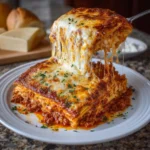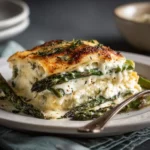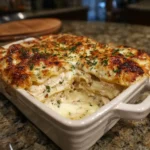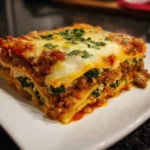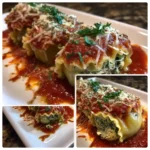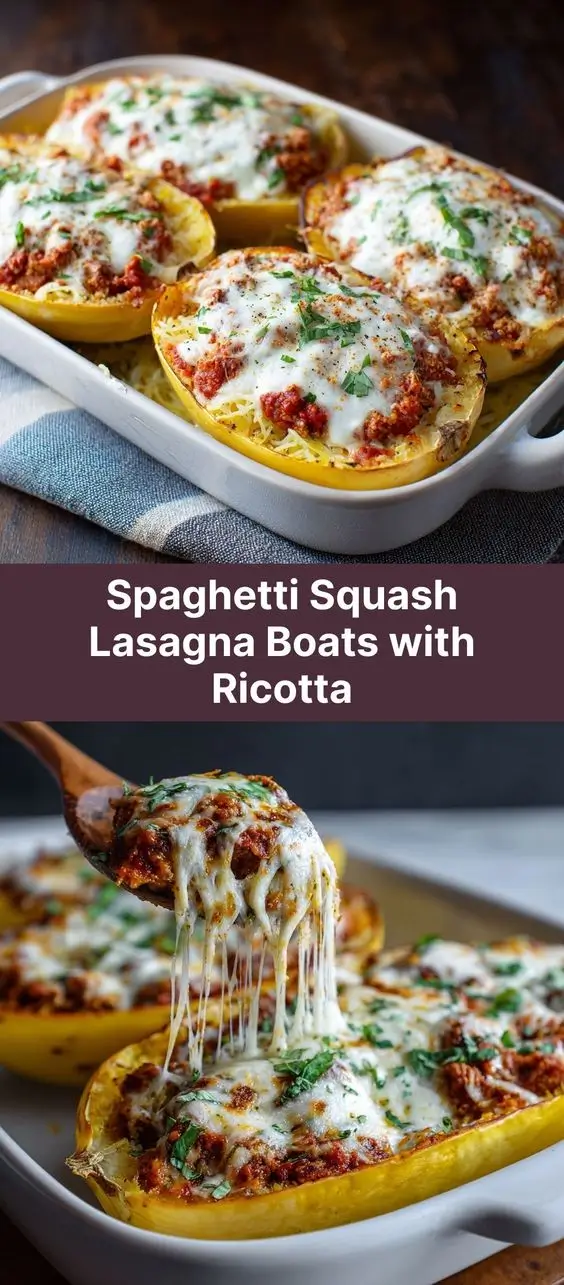
Spaghetti Squash Lasagna Boats with Ricotta
The History
Lasagna, one of the most beloved Italian dishes, traces its roots back to ancient Greece and Rome, where layered pasta dishes were already being enjoyed in various forms. The word “lasagna” itself is believed to derive from the Greek word lasanon, meaning “chamber pot,” which later evolved into the Latin lasanum, referring to a type of cooking pot. Over centuries, the dish transformed as it spread across Italy, particularly in the southern regions like Naples and Sicily, where rich tomato sauces, cheeses, and meats became integral components.
Traditional lasagna typically features wide flat pasta sheets layered with ricotta, mozzarella, Parmesan, ground meat (often beef or sausage), and a robust marinara sauce, then baked until golden and bubbling. However, as health-conscious eating trends emerged in the late 20th and early 21st centuries, chefs and home cooks began experimenting with low-carb, gluten-free, and vegetable-based alternatives to classic comfort foods. Enter spaghetti squash—a naturally occurring winter squash that, when cooked, separates into long, noodle-like strands resembling spaghetti.
The concept of “Spaghetti Squash Lasagna Boats” is a modern culinary innovation that marries the hearty satisfaction of traditional lasagna with the lightness and nutritional benefits of vegetables. By hollowing out roasted spaghetti squash halves and filling them with a mixture of ricotta cheese, marinara, spinach, herbs, and sometimes ground turkey or Italian sausage, this dish offers a nutrient-dense, lower-calorie alternative without sacrificing flavor or texture. It gained popularity through food blogs, clean eating movements, and keto/low-carb communities around the 2010s, becoming a staple in healthy meal prep rotations.
This fusion reflects a broader trend in contemporary cuisine: reinventing comfort food classics using whole, unprocessed ingredients while honoring their cultural essence. Spaghetti squash lasagna boats are not only delicious but also symbolize the evolution of food in response to dietary needs, sustainability concerns, and creative kitchen experimentation. Today, they’re celebrated on social media platforms, featured in wellness magazines, and embraced by families seeking balanced meals that don’t compromise on taste.
Ingredients Breakdown
To create perfect Spaghetti Squash Lasagna Boats with Ricotta, every ingredient plays a crucial role in building layers of flavor, texture, and nutrition. Here’s a detailed breakdown of each component:
- Spaghetti Squash (1 medium, about 3–4 lbs): The star of the dish, this winter squash provides a natural, low-carb base with a mild, slightly sweet flavor and a stringy texture that mimics pasta when cooked. Its neutral taste makes it ideal for absorbing savory fillings.
- Ricotta Cheese (1½ cups whole milk ricotta): Creamy and mildly tangy, ricotta adds richness and moisture to the filling. Whole milk ricotta ensures a luxurious mouthfeel; part-skim can be used for a lighter version, though it may result in a drier texture.
- Mozzarella Cheese (1 cup shredded, plus extra for topping): Adds gooey meltability and a mild dairy note. Freshly grated mozzarella melts better than pre-shredded varieties, which often contain anti-caking agents.
- Parmesan Cheese (½ cup grated): Sharp, salty, and umami-rich, Parmesan enhances depth and balances the creaminess of ricotta. Use authentic Parmigiano-Reggiano if possible.
- Marinara Sauce (1½ cups, preferably homemade or high-quality store-bought): Forms the saucy backbone of the dish. Look for marinara with no added sugar and real ingredients like tomatoes, garlic, basil, and olive oil.
- Fresh Spinach (2 cups chopped, packed): Adds color, nutrients, and a subtle earthiness. Wilted spinach integrates seamlessly into the ricotta mixture without overpowering other flavors.
- Egg (1 large): Acts as a binder to help the ricotta filling hold together during baking, preventing it from becoming too loose or runny.
- Garlic (3 cloves, minced): Provides aromatic pungency and complexity. Freshly minced garlic delivers superior flavor compared to jarred versions.
- Dried Oregano (1 tsp) and Dried Basil (1 tsp): Classic Italian herbs that evoke the essence of traditional lasagna. They pair beautifully with tomato and cheese.
- Red Pepper Flakes (¼ tsp, optional): Introduces a gentle heat that contrasts well with the creamy filling. Adjust to taste depending on spice preference.
- Salt and Black Pepper (to taste): Essential seasonings that elevate all other ingredients. Be mindful when adding salt since cheeses can already be quite salty.
- Olive Oil (1 tbsp, plus more for drizzling): Used to roast the squash and enhance browning. Extra virgin olive oil contributes a fruity, peppery finish.
- Fresh Basil or Parsley (for garnish, optional): Brightens the finished dish with freshness and visual appeal.
Step-by-Step Recipe
- Preheat Oven & Prepare Squash: Preheat your oven to 400°F (200°C). Line a large baking sheet with parchment paper or lightly grease it with olive oil. Carefully cut the spaghetti squash in half lengthwise using a sharp chef’s knife. Use a sturdy spoon to scrape out the seeds and fibrous strands from the center of each half, similar to cleaning a pumpkin.
- Season & Roast Squash: Drizzle the inside of each squash half with olive oil and sprinkle lightly with salt and pepper. Place cut-side down on the prepared baking sheet. Roast for 35–45 minutes, or until the flesh is tender when pierced with a fork. The exact time will depend on the size and thickness of the squash.
- Prepare Filling While Squash Roasts: In a large mixing bowl, combine ricotta, ½ cup mozzarella, Parmesan, egg, minced garlic, oregano, basil, red pepper flakes, salt, and black pepper. Mix thoroughly until smooth. Fold in chopped fresh spinach and set aside.
- Remove & Shred Squash: Once the squash is done roasting, remove it from the oven and let it cool slightly—just enough to handle safely. Flip each half over so they’re cut-side up. Using a fork, gently scrape the flesh from the skin in long, upward motions to create spaghetti-like strands. Be careful not to break the shell entirely. Keep the strands in a bowl, leaving the outer shell intact to serve as a “boat.”
- Adjust Filling Consistency: If desired, mix half of the shredded squash into the ricotta filling to boost volume and nutrition while maintaining creaminess. Alternatively, reserve all the strands for layering.
- Warm Marinara Sauce: Heat the marinara sauce in a small saucepan over low heat or in the microwave for 60–90 seconds. This helps integrate flavors and prevents cold spots when assembling.
- Assemble the Lasagna Boats: Turn the squash shells right-side up on the baking sheet. Spoon a thin layer of warm marinara sauce into the bottom of each boat to prevent sticking and add flavor. Next, divide the ricotta-spinach mixture evenly among the two halves, mounding it gently in the center. Top with additional marinara sauce, spreading lightly to cover. Finish with a generous sprinkle of remaining mozzarella and a dusting of Parmesan.
- Bake Again: Return the assembled boats to the oven and bake at 400°F for an additional 15–20 minutes, or until the cheese is melted, bubbly, and beginning to brown slightly at the edges.
- Garnish & Serve: Remove from the oven and let rest for 5 minutes to allow the filling to set. Garnish with chopped fresh basil or parsley. Serve warm directly from the boat using a spoon and fork.
Tips
- Choose the Right Squash: Pick a spaghetti squash that feels heavy for its size with a firm, unblemished rind. Avoid those with soft spots or cracks.
- Cut Safely: Cutting raw spaghetti squash can be challenging due to its tough exterior. Microwave it whole for 2–3 minutes to soften slightly before slicing, or use a mallet to tap the knife through steadily.
- Maximize Noodle Texture: For fluffier “noodles,” increase airflow during roasting by propping the squash halves upright with crumpled foil underneath.
- Prevent Sogginess: After shredding, place the squash strands in a colander and press gently with a paper towel to remove excess moisture, especially if mixing into the filling.
- Boost Flavor: Sauté the garlic in olive oil before adding it to the ricotta for a deeper, toasted aroma. You can also wilt the spinach first to reduce water content.
- Add Protein: For a heartier meal, fold cooked and crumbled Italian sausage, lean ground turkey, or plant-based crumbles into the ricotta mixture.
- Cheese Quality Matters: Use freshly grated cheese instead of pre-shredded for better melting and richer flavor. Pre-shredded cheeses often contain cellulose, which can inhibit melting.
- Make Ahead: Roast the squash and prepare the filling up to 2 days in advance. Store separately in airtight containers in the refrigerator. Assemble and bake just before serving.
- Freeze for Later: Fully assembled unbaked boats can be wrapped tightly and frozen for up to 3 months. Thaw overnight in the fridge before baking.
- Serve With: Pair with a crisp green salad, garlic bread (or cauliflower breadsticks for low-carb), and a glass of Chianti or sparkling water with lemon.
Variations and Customizations
The beauty of Spaghetti Squash Lasagna Boats lies in their adaptability. Whether you’re catering to dietary restrictions, exploring global flavors, or simply want to switch things up, here are some inspired variations:
- Vegan Version: Substitute ricotta with blended tofu or cashew ricotta (made from soaked cashews, lemon juice, nutritional yeast, and garlic). Use vegan mozzarella and Parmesan alternatives, and ensure the marinara is plant-based.
- Meat Lover’s Twist: Brown ½ pound of Italian sausage or lean ground beef and layer it between the marinara and ricotta filling. You can also top the final bake with extra meat for a chunkier texture.
- Vegetable-Packed: Add finely diced roasted zucchini, mushrooms, bell peppers, or caramelized onions to the ricotta mixture for enhanced nutrition and flavor complexity.
- White Sauce Option: Replace marinara with a light béchamel or Alfredo sauce for a richer, creamier profile. Combine with sautéed spinach and nutmeg for a Florentine-inspired twist.
- Keto-Friendly: Ensure your marinara has no added sugars and use full-fat dairy products. Increase healthy fats by drizzling with extra virgin olive oil or topping with avocado slices after baking.
- Gluten-Free Assurance: While spaghetti squash is naturally gluten-free, always verify that your marinara sauce and any added proteins are certified gluten-free to avoid cross-contamination.
- Mediterranean Style: Swap spinach for chopped sun-dried tomatoes, kalamata olives, artichoke hearts, and feta cheese. Use oregano and lemon zest for seasoning.
- Breakfast Lasagna Boats: Transform leftovers into brunch fare by adding scrambled eggs, bacon bits, and cheddar cheese. Bake until heated through and golden.
- Mini Boats for Kids: Use smaller spaghetti squash or halve baby squashes for individual servings. Let kids customize their own with toppings like peas, corn, or mild cheese.
- Stuffed Portobello Alternative: No squash? Try the same filling in large portobello mushroom caps for a fun variation.
Health Considerations and Nutritional Value
Spaghetti Squash Lasagna Boats offer a wholesome upgrade to traditional lasagna, making them suitable for various diets including low-carb, gluten-free, vegetarian, and calorie-conscious lifestyles. Below is a comprehensive look at their health benefits and nutritional profile per serving (assuming two equal boats):
| Nutrient | Amount (Approximate) | Benefits |
|---|---|---|
| Calories | 320–380 kcal | Lower than traditional lasagna (which can exceed 500+ calories per serving), making it ideal for weight management. |
| Carbohydrates | 25–30g | Primarily from complex carbs in spaghetti squash, providing sustained energy and fiber (~6g per serving). |
| Protein | 15–18g | From ricotta, egg, and optional meat additions—supports muscle repair and satiety. |
| Fat | 18–22g | Mostly unsaturated fats from olive oil and cheese; includes conjugated linoleic acid (CLA) from dairy. |
| Fiber | 5–7g | Promotes digestive health, regulates blood sugar, and increases fullness. |
| Vitamin A | High (from squash) | Supports vision, immune function, and skin health. |
| Vitamin C | Moderate | Antioxidant properties; aids collagen production and iron absorption. |
| Calcium | 30% DV | Essential for bone strength, nerve transmission, and muscle function. |
| Iron | 15% DV | Especially when spinach or meat is included—helps prevent anemia. |
| Potassium | High | Helps regulate blood pressure and fluid balance. |
Additional Health Notes:
- Low Glycemic Index: Spaghetti squash has a GI of around 25, making it excellent for diabetics or those managing insulin levels.
- Anti-Inflammatory Properties: Garlic, olive oil, and leafy greens contribute antioxidants and compounds that combat inflammation.
- Lactose Sensitivity: Ricotta contains less lactose than many cheeses, but those with severe intolerance should opt for lactose-free ricotta or substitutes.
- Sodium Awareness: Cheese and marinara can be high in sodium. To reduce salt, use low-sodium cheese and make your own sauce with no added salt.
- Balanced Macronutrients: Offers a good ratio of carbs, protein, and fat, supporting long-lasting energy and reduced cravings.
Ingredients
- 1 medium spaghetti squash (3–4 lbs)
- 1 tablespoon olive oil, plus more for drizzling
- Salt and freshly ground black pepper, to taste
- 1½ cups whole milk ricotta cheese
- 1 cup shredded mozzarella cheese, divided
- ½ cup grated Parmesan cheese, divided
- 1 large egg
- 3 cloves garlic, minced
- 1 teaspoon dried oregano
- 1 teaspoon dried basil
- ¼ teaspoon red pepper flakes (optional)
- 2 cups fresh spinach, finely chopped
- 1½ cups marinara sauce (homemade or high-quality store-bought)
- Fresh basil or parsley, for garnish
Directions
- Preheat oven to 400°F (200°C). Line a baking sheet with parchment paper.
- Cut spaghetti squash in half lengthwise and scoop out seeds and strings.
- Drizzle insides with olive oil, season with salt and pepper, and place cut-side down on the baking sheet.
- Roast for 35–45 minutes until tender when pierced with a fork.
- While squash roasts, mix ricotta, ½ cup mozzarella, ¼ cup Parmesan, egg, garlic, oregano, basil, red pepper flakes, salt, and pepper in a bowl. Stir in chopped spinach.
- Once cooled slightly, flip squash halves and use a fork to shred the flesh into noodles.
- Optional: Press shredded squash in a colander to remove excess moisture.
- Warm marinara sauce in a saucepan or microwave.
- Flip squash boats cut-side up. Spread a thin layer of marinara in each base.
- Divide ricotta mixture evenly between the two halves, mounding in the center.
- Top with more marinara, then sprinkle with remaining mozzarella and Parmesan.
- Bake for 15–20 minutes until cheese is melted and golden.
- Let rest 5 minutes, garnish with fresh herbs, and serve warm.
FAQ
Can I make these ahead of time?
Yes! Roast the squash and prepare the filling up to 2 days in advance. Store separately in the fridge. Assemble and bake just before serving.
Can I freeze spaghetti squash lasagna boats?
Absolutely. Assemble completely, wrap tightly in plastic and foil, and freeze for up to 3 months. Thaw overnight in the refrigerator and reheat at 375°F for 25–30 minutes.
Why is my filling watery?
Excess moisture may come from wet spinach or under-drained squash. Always wilt spinach first and squeeze out liquid from both spinach and shredded squash if needed.
Can I use canned spaghetti squash?
No true canned version exists, but you can find frozen shredded spaghetti squash. Thaw and dry thoroughly before use.
Is this recipe gluten-free?
Yes, provided all ingredients (especially marinara sauce) are certified gluten-free. Spaghetti squash is naturally gluten-free.
How do I store leftovers?
Cool completely and refrigerate in an airtight container for up to 4 days. Reheat in the oven or microwave.
Can I cook the squash in the microwave?
Yes. Pierce whole squash several times, microwave on high for 10–12 minutes, flip, then continue for another 5–8 minutes until tender.
What can I substitute for ricotta?
Try cottage cheese (blended smooth), goat cheese, mascarpone (richer), or a vegan cashew-based alternative.
Are these suitable for keto?
Yes, with modifications: use a low-sugar marinara, full-fat dairy, and limit squash portion slightly. Net carbs range from 12–15g per serving.
Can I add meat?
Definitely. Cook and drain ½ lb of ground Italian sausage, turkey, or beef and layer into the filling or mix directly with ricotta.
Summary
Spaghetti Squash Lasagna Boats with Ricotta are a delicious, healthier twist on classic lasagna, combining tender roasted squash with a creamy, herb-infused ricotta filling and rich marinara sauce—all baked to golden perfection in edible boats.
Packed with protein, fiber, and essential nutrients, this versatile dish satisfies comfort food cravings while supporting low-carb, gluten-free, and vegetarian diets, making it a must-have for modern family tables.