Introduction
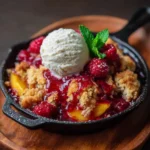
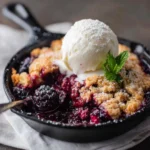
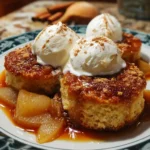
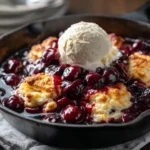
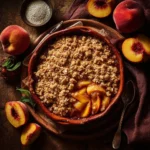
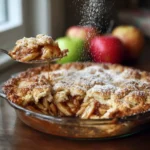
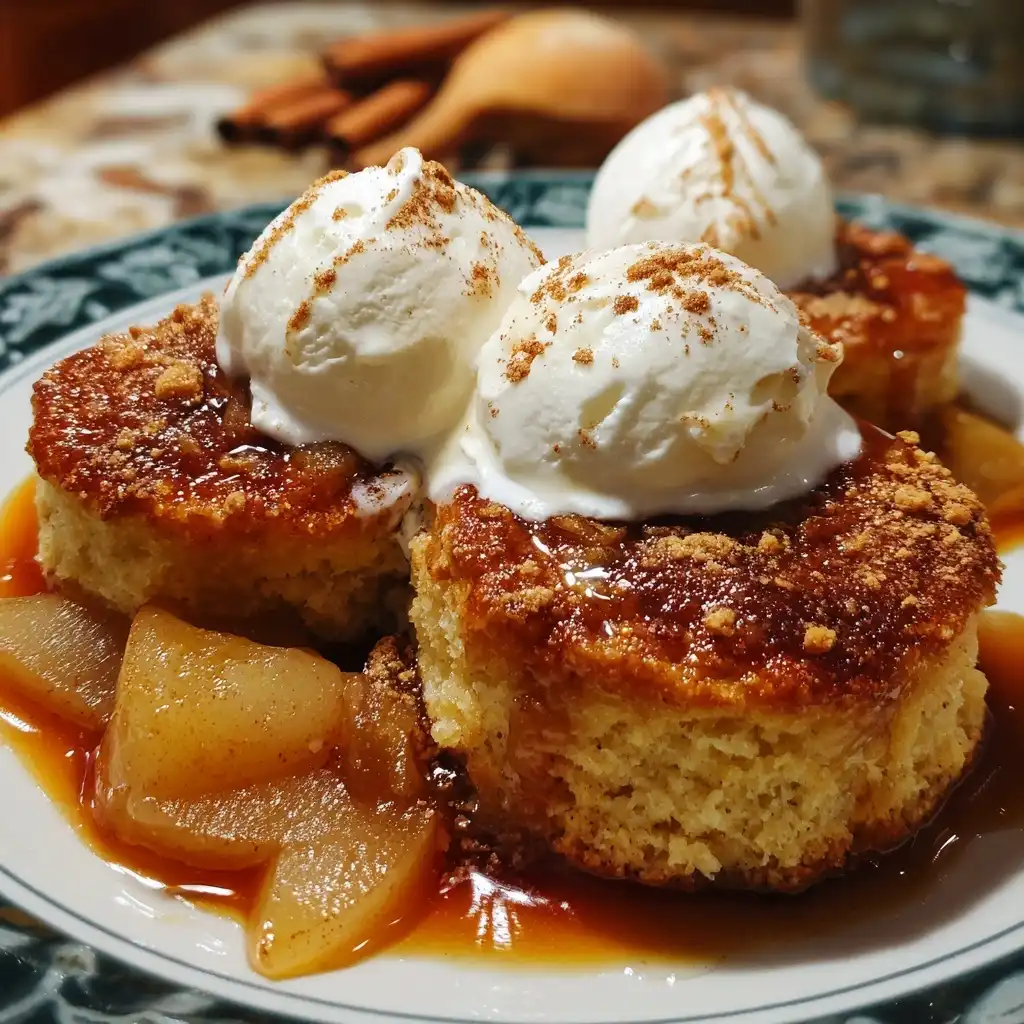
Spiced Pear Cobbler is a soul-warming, rustic dessert that marries the delicate sweetness of ripe pears with the cozy warmth of aromatic spices—cinnamon, ginger, nutmeg, and clove—then crowns it all with a tender, golden-brown biscuit or cake-like topping. Unlike crisps (which feature an oat-and-butter streusel) or crumbles (with a flour-sugar-butter mixture), a true cobbler boasts a distinct, drop-biscuit or rolled-dough topping that bakes up fluffy, slightly crisp-edged, and luxuriously tender—almost like a cross between a shortcake and a scone. This version elevates seasonal pears to center stage, transforming them from humble fruit into a sophisticated, comforting masterpiece ideal for autumn harvests, holiday gatherings, or quiet Sunday evenings by the fireplace. Whether served warm with a scoop of vanilla bean ice cream, a drizzle of caramel sauce, or a dollop of freshly whipped crème fraîche, Spiced Pear Cobbler embodies the very essence of homemade hospitality: generous, fragrant, deeply flavorful, and unpretentiously elegant.
The History
The origins of cobbler stretch back centuries—long before America’s colonial era—to early English culinary traditions where “coble” or “cobeler” referred to something lumpy or uneven, describing the rough, cobblestone-like appearance of the hand-formed dough pieces baked atop stewed fruit. By the 17th century, British settlers brought this rustic technique across the Atlantic, adapting it to New World ingredients: native berries, orchard-grown apples, and—crucially—pears, which had been cultivated in North America since the early 1600s. Pears thrived in cooler northern climates and fertile river valleys, becoming staples in colonial kitchens from Massachusetts to Pennsylvania. As frontier life demanded resourcefulness, cobblers evolved into versatile, one-dish desserts requiring minimal equipment—no fancy molds or precise measurements—just a cast-iron skillet, a mixing bowl, and a wood-fired oven or hearth. The “spiced” variation gained prominence in the late 19th and early 20th centuries, as spice trade routes expanded and American home cooks embraced warming blends inspired by German Lebkuchen, Dutch speculaas, and Appalachian herbal lore. Regional adaptations emerged: Southern versions often used buttermilk biscuits; Midwestern renditions favored a thicker, cake-like batter; and Pacific Northwest iterations highlighted locally grown Bartlett and Anjou pears with subtle cardamom or star anise accents. Today, Spiced Pear Cobbler stands as a living heirloom—a testament to agricultural heritage, immigrant ingenuity, and the timeless human desire to transform simple, seasonal abundance into shared joy.
Ingredients Breakdown
Every exceptional Spiced Pear Cobbler begins with intentionality—not just in selection, but in understanding *why* each ingredient matters:
- Pears: Use ripe but firm, aromatic varieties—Bartlett (juicy and floral), Anjou (mildly sweet and buttery), or Bosc (firm, honeyed, and spice-friendly). Avoid overripe pears, which turn mushy; underripe ones won’t release enough natural pectin and juice to create the perfect syrupy base. Aim for 2½–3 lbs (about 5–6 medium pears), peeled, cored, and sliced ¼-inch thick for even cooking and structural integrity.
- Granulated Sugar: Provides foundational sweetness and aids in caramelization. A portion is mixed into the pear filling to draw out juices and build depth; the rest balances acidity and enhances spice perception.
- Brown Sugar (light or dark): Adds molasses notes, moisture retention, and rich color. Dark brown sugar intensifies caramel and toffee undertones—ideal for deeper spiced profiles.
- Lemon Juice & Zest: Brightens the entire dish, cutting through richness and preventing browning. Zest contributes volatile citrus oils that lift and amplify spice aromatics.
- Spice Blend: A carefully calibrated quartet—ground cinnamon (warm, woody), ground ginger (zesty, peppery), freshly grated nutmeg (sweet, creamy), and ground clove (intense, almost medicinal)—creates layered complexity. Toasting whole spices and grinding them fresh yields exponentially more fragrance and potency than pre-ground versions.
- Unsalted Butter (for filling): A small amount (2 tbsp) enriches the pear layer, promotes even heat transfer, and helps thicken the bubbling syrup into a glossy, clingy glaze.
- All-Purpose Flour (filling): Acts as a gentle thickener—just enough to stabilize the juices without making the filling gluey. Wondra flour or quick-mixing flour can be substituted for ultra-smooth results.
- Heavy Cream or Buttermilk (topping): Imparts tenderness, richness, and flakiness. Buttermilk adds subtle tang and activates baking soda for extra lift; heavy cream delivers unmatched luxury and browning.
- Leavening Agents: Baking powder provides primary rise; baking soda (when paired with buttermilk or brown sugar’s acidity) gives additional oomph and tenderness. Never skip sifting—uniform distribution prevents bitter pockets or dense spots.
- Salted Butter (topping): Cold, cubed butter cut into the dry ingredients creates steam pockets during baking—essential for flaky, airy layers. European-style butter (82–84% fat) yields superior flavor and texture.
- Vanilla Extract (pure, not imitation): Deepens warmth, rounds out spice sharpness, and adds a haunting floral note that lingers on the palate.
- Coarse Turbinado Sugar (for topping): Sprinkled just before baking, it forms a delicate, sparkling crust that contrasts beautifully with the soft interior and adds textural intrigue.
Optional enhancements include a splash of Calvados (apple brandy) or pear liqueur in the filling, a pinch of black pepper to heighten cinnamon, or a swirl of orange blossom water for ethereal perfume.
Step-by-Step Recipe
- Preheat & Prep: Position oven rack in the lower third. Preheat oven to 375°F (190°C). Generously butter a 9×13-inch ceramic baking dish or deep 12-inch cast-iron skillet. Set aside.
- Prepare the Pears: Peel, core, and slice pears uniformly (¼-inch thick). Place in a large non-reactive bowl (stainless steel or glass). Toss immediately with lemon juice and zest to prevent oxidation.
- Build the Filling: In a small bowl, whisk together granulated sugar, brown sugar, cinnamon, ginger, nutmeg, clove, salt, and flour until no lumps remain. Pour over pears and gently fold with a silicone spatula until every slice is evenly coated. Add cold butter cubes and toss once more to distribute. Let macerate 15–20 minutes at room temperature—this draws out juices and begins flavor infusion.
- Make the Topping Batter: In a food processor fitted with the steel blade, pulse flour, sugar, baking powder, baking soda, and salt until combined. Add cold cubed butter and pulse in 1-second bursts until mixture resembles coarse cornmeal with some pea-sized butter pieces remaining (about 10–12 pulses). Transfer to a large bowl. Whisk heavy cream (or buttermilk) and vanilla together. Make a well in the center of the dry ingredients and pour in the wet mixture. Using a fork or silicone spatula, stir *just until* a shaggy, slightly lumpy dough forms—do NOT overmix. A few dry streaks are acceptable; overworking develops gluten and yields toughness.
- Assemble with Care: Pour the macerated pear mixture into the prepared baking dish, spreading evenly. Using two spoons or a ¼-cup ice cream scoop, portion the topping batter over the pears in 8–10 generous, slightly flattened mounds—leave small gaps between them to allow steam escape and ensure even baking. Gently press down any overly tall peaks to encourage uniform browning.
- Finish & Bake: Sprinkle the entire surface evenly with turbinado sugar. Place dish on a parchment- or foil-lined baking sheet (to catch potential bubbling over). Bake for 50–65 minutes—rotating halfway—until the topping is deeply golden brown, puffed and set, with edges crisping beautifully, and the filling bubbles vigorously around the sides and between the biscuit mounds. A skewer inserted into the center of a biscuit mound should emerge clean or with moist crumbs (not wet batter).
- Cool & Rest: Remove from oven and place on a wire rack. Resist cutting! Let rest for *at least* 30 minutes—ideally 45–60 minutes. This crucial step allows the filling to thicken fully, the topping to settle, and flavors to harmonize. Cutting too soon releases precious steam and yields a soupy, disjointed result.
- Serve Warm: Scoop generously with a sturdy spoon—aiming for equal parts tender pear, spiced syrup, and buttery topping. Serve immediately while fragrant steam still rises.
Tips
- Ripe ≠ Rotten: Pears ripen from the inside out. Press gently near the stem—if it yields slightly, it’s ready. If rock-hard, ripen at room temperature in a paper bag with an apple for 1–3 days. Refrigerate only after fully ripe to slow decay.
- Slicing Consistency is Non-Negotiable: Use a mandoline or sharp chef’s knife for uniform thickness. Uneven slices cook at different rates—thin ones disintegrate; thick ones stay crunchy.
- Butter Temperature Matters—Twice: For the filling, use cold butter cut into tiny cubes—it melts slowly, coating pears without greasing them out. For the topping, butter must be *cold* (35–40°F); warm butter melts prematurely, creating greasy, dense biscuits.
- Don’t Skip the Maceration: That 15–20 minute rest isn’t passive—it jumpstarts osmosis, pulls out natural pectin, and lets spices penetrate the fruit’s cellular structure for profound flavor integration.
- Undermix the Topping—Religiously: Stirring 3–5 seconds too long transforms tender biscuits into tough hockey pucks. When you see *just* a few dry patches and the dough clings together when pinched, STOP.
- Rotate & Monitor Relentlessly: Ovens lie. Rotate the dish at the 25-minute mark. At 45 minutes, begin checking every 5 minutes—bubbling intensity and color shift are your true guides, not the timer.
- Embrace the “Bubbling” Cue: Filling should bubble *vigorously* at the edges and between biscuits—not just simmering. This signals proper starch gelatinization and syrup development.
- Cooling Is Part of Baking: That 30–60 minute rest isn’t waiting—it’s active chemistry. As it cools, pectin sets, syrup thickens to luxurious viscosity, and residual heat finishes cooking the biscuit centers.
- Reheat Like a Pro: To revive leftovers, cover loosely with foil and warm in a 325°F oven for 15–20 minutes until heated through. Microwaving makes topping rubbery and filling watery.
- Freeze Smart: Unbaked assembled cobbler freezes beautifully for up to 3 months. Thaw overnight in fridge, then bake as directed—add 5–10 minutes to total time. Baked cobbler freezes for 2 months; thaw overnight, then reheat covered.
Variations and Customizations
This recipe is a canvas—celebrate seasonality, pantry flexibility, and personal taste with these inspired twists:
- Ginger-Pear-Gingerbread Cobbler: Add 1 tbsp finely minced crystallized ginger + ¼ tsp ground allspice to the filling. Replace ¼ cup flour in topping with gingerbread spice blend (cinnamon, ginger, cloves, allspice, black pepper) and add 2 tbsp unsweetened cocoa powder for earthy depth.
- Maple-Bourbon Pear Cobbler: Substitute pure maple syrup for half the brown sugar in the filling. Add 2 tbsp bourbon and 1 tsp maple extract to the topping cream. Finish with candied pecans and a bourbon-maple glaze.
- Vegan Spiced Pear Cobbler: Use coconut oil (solid, cold) instead of butter; swap heavy cream for full-fat canned coconut milk (chilled, solid part only); replace eggs (if using a buttermilk version) with flax egg (1 tbsp ground flax + 2.5 tbsp water); ensure sugars are vegan-certified.
- Gluten-Free Version: Use a 1:1 certified gluten-free flour blend (like King Arthur or Bob’s Red Mill) *with xanthan gum included*. Add ½ tsp xanthan gum if your blend lacks it. Increase baking powder by ¼ tsp for optimal lift.
- Whole Grain & Nutrient-Dense: Substitute ½ cup of the all-purpose flour with toasted oat flour or stone-ground spelt flour. Fold ⅓ cup chopped walnuts or hazelnuts into the topping batter for crunch and healthy fats.
- Herbal & Floral Infusion: Steep 1 tsp dried lavender buds or 1 star anise pod in the cream for 10 minutes before mixing into topping (strain before use). Add ½ tsp rose water to the pear filling.
- Spiced Pear & Cranberry: Fold 1 cup fresh or frozen cranberries (tossed with 1 tbsp sugar) into the pear mixture. Their tartness cuts sweetness and adds jewel-toned contrast.
- Chai-Spiced Variation: Replace standard spices with 1½ tsp chai spice blend (cardamom, cinnamon, ginger, cloves, black pepper, star anise) + ¼ tsp ground fennel seed. Add 1 tsp loose-leaf Assam tea, steeped 5 minutes in warm cream, strained.
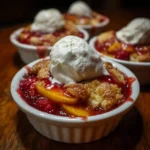
- Individual Servings: Divide filling among six 6-oz ramekins. Top with 2 tbsp batter each. Bake at 375°F for 32–38 minutes until golden and bubbling.
- Deconstructed “Cobbler Parfait”: Layer chilled spiced pear compote, crumbled baked biscuit topping, and vanilla mascarpone in glasses. Garnish with candied ginger and edible flowers.
Health Considerations and Nutritional Value
While undeniably indulgent, Spiced Pear Cobbler offers meaningful nutritional benefits when approached mindfully—transforming it from mere dessert to a nutrient-dense, functional treat:
- Pear Power: Pears are exceptionally high in dietary fiber—especially pectin, a soluble fiber proven to support gut microbiome diversity, lower LDL cholesterol, and promote satiety. One medium pear delivers ~6g fiber (24% DV) and is rich in vitamin C, potassium, copper, and antioxidant flavonoids like quercetin and anthocyanins (concentrated in red-skinned varieties).
- Spice Synergy: Cinnamon improves insulin sensitivity and blood glucose regulation; ginger reduces inflammation and nausea; nutmeg contains myristicin with neuroprotective potential; clove is the world’s most antioxidant-rich spice (ORAC score >300,000). Together, they form a potent anti-inflammatory, metabolic-supportive complex.
- Smart Sweetening: Using less refined sugar and incorporating natural sweetness from pears reduces overall glycemic load. Substituting 25–50% of granulated sugar with date paste or mashed ripe banana adds fiber and micronutrients.
- Fat Quality Counts: Choosing grass-fed butter or organic cold-pressed coconut oil ensures higher levels of conjugated linoleic acid (CLA), vitamin K2, and medium-chain triglycerides (MCTs) with antimicrobial and energy-boosting properties.
- Nutrient Density Boosters: Adding ground flaxseed or chia seeds to the topping contributes omega-3 ALA, lignans, and mucilage for digestive soothing. A sprinkle of pumpkin seeds adds zinc, magnesium, and plant-based iron.
- Mindful Portioning: Serving in modest ¾-cup portions (approx. 320–380 kcal) alongside a protein source (Greek yogurt, cottage cheese) or healthy fat (almonds, walnut halves) balances blood sugar response and extends satisfaction.
- Dietary Adaptations: Naturally low in sodium and free from common allergens (when made dairy-free or nut-free), it accommodates many therapeutic diets—including Mediterranean, DASH, and anti-inflammatory protocols—with minor tweaks.
- Caution Areas: Those managing diabetes should monitor portions and consider pairing with vinegar (e.g., apple cider vinegar drizzle) to further blunt glucose spikes. Individuals with fructose malabsorption may tolerate cooked, peeled pears better than raw due to reduced FODMAP content post-cooking.
Per standard serving (1/12 of recipe, approx. 350 kcal): ~52g carbs (28g sugars, 6g fiber), 5g protein, 14g fat (8g saturated), 180mg sodium, 220mg potassium, 15% DV vitamin C, 12% DV vitamin K, 10% DV copper. Values vary based on pear variety, sugar adjustments, and butter quantity.
Ingredients
For the Spiced Pear Filling:
- 2½–3 lbs (5–6 medium) ripe but firm pears (Bartlett, Anjou, or Bosc), peeled, cored, and sliced ¼-inch thick
- 2 tbsp fresh lemon juice (about 1 large lemon)
- 1 tsp finely grated lemon zest
- ¾ cup granulated sugar
- ½ cup packed light or dark brown sugar
- 1½ tsp ground cinnamon
- 1 tsp ground ginger
- ¼ tsp freshly grated nutmeg (or ⅛ tsp ground)
- ⅛ tsp ground clove
- ¼ tsp fine sea salt
- 2 tbsp all-purpose flour (or Wondra)
- 2 tbsp unsalted butter, cold, cut into ¼-inch cubes
For the Buttery Biscuit Topping:
- 2 cups all-purpose flour (spooned & leveled)
- ¼ cup granulated sugar
- 2 tsp baking powder
- ½ tsp baking soda
- ½ tsp fine sea salt
- 6 tbsp unsalted butter, very cold, cut into ½-inch cubes
- ¾ cup heavy cream or full-fat buttermilk, very cold
- 1½ tsp pure vanilla extract
- 2–3 tbsp coarse turbinado sugar (for sprinkling)
Directions
- Preheat oven to 375°F (190°C). Generously butter a 9×13-inch baking dish or 12-inch cast-iron skillet. Place on a parchment- or foil-lined baking sheet.
- Prepare pears: In a large bowl, combine sliced pears, lemon juice, and lemon zest. Toss gently to coat.
- Make filling: In a small bowl, whisk granulated sugar, brown sugar, cinnamon, ginger, nutmeg, clove, salt, and flour until homogeneous. Sprinkle over pears and toss with a silicone spatula until evenly coated. Scatter cold butter cubes over mixture and toss once more. Let stand at room temperature for 15–20 minutes.
- Make topping: In a food processor, pulse flour, sugar, baking powder, baking soda, and salt until combined. Add cold butter cubes and pulse in 1-second bursts until mixture resembles coarse meal with visible pea-sized butter pieces (10–12 pulses). Transfer to a large bowl.
- Combine wet & dry: Whisk cold cream (or buttermilk) and vanilla. Make a well in center of flour mixture; pour in liquid. Using a fork or spatula, stir *just until* a shaggy, slightly sticky dough forms—15–20 seconds max. Do not overmix.
- Assemble: Pour pear mixture into prepared dish, spreading evenly. Drop topping by ¼-cup portions (8–10 mounds) over pears, spacing evenly. Gently flatten mounds with back of spoon.
- Bake: Sprinkle turbinado sugar evenly over topping. Bake 50–65 minutes, rotating dish halfway, until topping is deep golden brown, puffed, and set, and filling bubbles vigorously around edges and between mounds.
- Cool: Transfer to wire rack. Cool for *minimum* 30 minutes (45–60 ideal) before serving.
- Serve: Scoop with a large spoon into bowls. Serve warm, optionally with vanilla ice cream, crème fraîche, or lightly sweetened whipped cream.
FAQ
- Can I use canned pears?
- Not recommended. Canned pears are overcooked, overly sweetened, and lack the firm texture and nuanced flavor needed. Their excess syrup dilutes spices and prevents proper syrup reduction. Fresh, seasonal pears are essential for authenticity and structure.
- Why did my topping sink into the filling?
- Most commonly caused by: (1) Overmixing the topping batter—gluten development weakens structure; (2) Using warm or melted butter—fat coats flour, inhibiting steam lift; (3) Not letting filling macerate—unreleased juices flood the batter; (4) Opening the oven too early—steam collapse before set. Ensure cold butter, minimal mixing, and full maceration.
- Can I make this ahead?
- Absolutely. Assemble completely (unbaked) up to 24 hours ahead; cover tightly and refrigerate. Let sit at room temperature for 20 minutes before baking—add 5–8 minutes to bake time. Baked cobbler keeps refrigerated for 4 days; reheat covered at 325°F.
- What’s the best pear for cobbler?
- Bartlett for classic floral sweetness and tender yield; Bosc for firmer texture, honeyed depth, and spice resilience; Anjou for balanced mildness and buttery mouthfeel. Avoid overly juicy Comice (too soft) or gritty Seckel (too dense).
- My filling is too runny—even after cooling!
- Pear variety matters (some are juicier), but primary causes are: insufficient flour (measure correctly—spoon & level), skipping maceration (juices not drawn out), underbaking (bubbling not vigorous), or cooling too briefly. Next time, add 1 extra tsp flour or reduce cream in topping by 1 tbsp.
- Can I freeze it?
- Yes! Unbaked: Wrap dish tightly in plastic + foil; freeze up to 3 months. Thaw overnight in fridge, then bake as directed (+5–10 min). Baked: Cool completely, wrap in plastic + foil; freeze 2 months. Thaw overnight, reheat covered at 325°F for 25–30 min.
- Is there a dairy-free version?
- Yes. Replace butter in filling with refined coconut oil (solid, cold). For topping: use cold coconut oil instead of butter, and full-fat canned coconut milk (chilled, solid part only) instead of cream. Ensure sugar is vegan-certified.
- How do I know when it’s done?
- Look for three signs: (1) Topping is deeply golden brown with crisp, defined edges; (2) Filling bubbles *vigorously* and continuously at the perimeter and between biscuit mounds—not just a gentle simmer; (3) A skewer inserted into the center of a biscuit mound emerges clean or with moist crumbs (never wet batter).
- Can I add nuts or other fruit?
- Yes! Fold ⅓ cup toasted walnuts, pecans, or hazelnuts into the pear mixture. For mixed fruit, add 1 cup diced apple (Honeycrisp or Granny Smith) or ¾ cup fresh cranberries (tossed with 1 tbsp sugar first) for brightness and texture contrast.
- Why does my cobbler taste bland?
- Spices lose potency over time. Check expiration dates—most ground spices peak at 6 months. Toast whole spices (cinnamon sticks, ginger root, nutmeg, cloves) in a dry pan 2–3 minutes until fragrant, then grind fresh. Also, ensure you’re using real vanilla extract—not imitation—and adequate salt (it’s a flavor amplifier, not just for saltiness).
Summary
Spiced Pear Cobbler is a timeless, adaptable dessert that celebrates the quiet elegance of ripe pears transformed by warm, aromatic spices and crowned with a tender, golden biscuit topping—each bite a harmony of sweet, tart, earthy, and buttery notes.
Rooted in centuries of resourceful baking tradition, it rewards attention to ingredient quality, mindful technique, and patient resting—yielding not just a dessert, but a deeply nourishing, soul-satisfying experience that honors seasonality, craftsmanship, and the profound comfort of shared, handmade food.