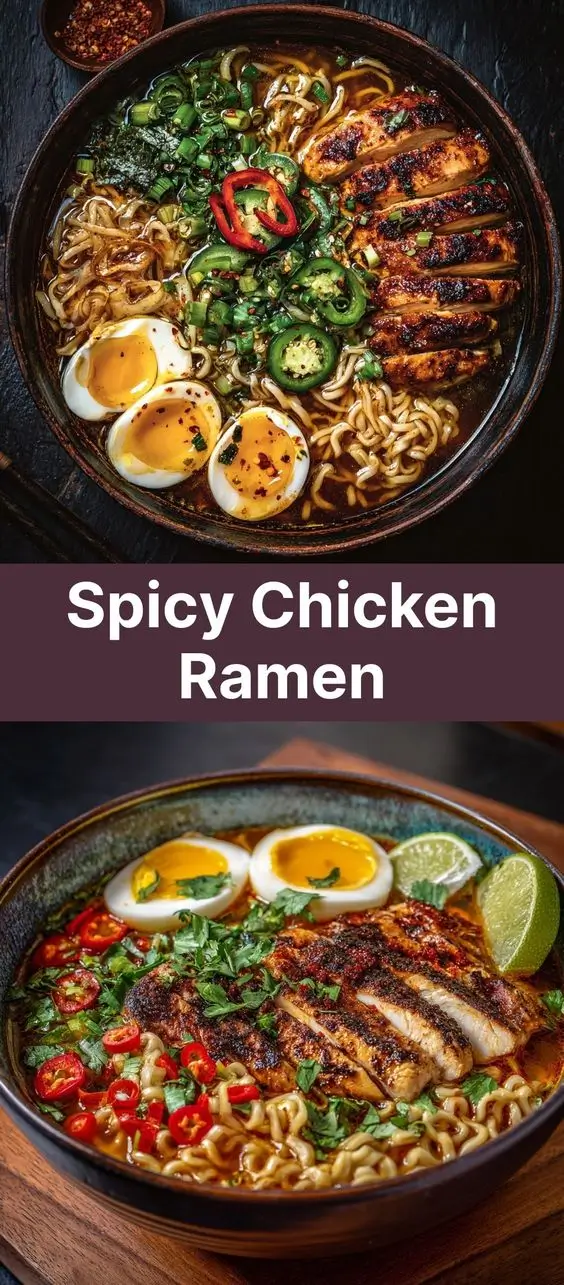
Spicy Chicken Ramen: A Fiery Bowl of Comfort and Flavor
The History of Spicy Chicken Ramen
Ramen, a beloved staple of Japanese cuisine, has its roots in Chinese noodle soups but was adapted and refined in Japan during the late 19th and early 20th centuries. Originally a simple dish of wheat noodles served in broth with minimal toppings, ramen evolved into a cultural phenomenon with regional variations like Sapporo miso ramen, Hakata tonkotsu, and Tokyo shoyu. The concept of spicy ramen, however, is more modern—a fusion innovation influenced by global palates craving heat and bold flavor.
Spicy chicken ramen emerged as part of this culinary evolution, combining the comforting essence of traditional ramen with fiery seasonings inspired by Korean gochujang, Sichuan chili oil, and even American hot sauce culture. While instant spicy chicken ramen gained worldwide fame through packaged versions from brands like Nongshim (Samyang’s “Buldak” being an extreme example), the homemade version allows for depth, balance, and freshness that far surpasses its mass-produced counterparts. Today, spicy chicken ramen stands at the intersection of tradition and trend, satisfying spice lovers while honoring the soulful spirit of Japanese noodle soup.
Ingredients Breakdown
Creating a truly exceptional bowl of spicy chicken ramen requires attention to each component. Below is a detailed breakdown of every ingredient and its role in building layers of flavor, texture, and aroma:
- Chicken (Boneless Thighs or Breast): Chicken thighs are preferred for their rich flavor and tenderness when simmered. They stay juicy even after prolonged cooking, unlike breast meat which can dry out. For extra depth, use bone-in pieces and remove bones after cooking.
- Dashi Stock or Chicken Broth: The foundation of authentic ramen. Dashi, made from kombu (dried kelp) and bonito flakes, adds umami richness. Alternatively, high-quality store-bought chicken broth works well, especially if enhanced with aromatics.
- Soy Sauce: Adds saltiness and deep savory notes. Use low-sodium soy sauce to control salt levels, especially since other ingredients may also be salty.
- Miso Paste (Optional): Particularly red or white miso enhances body and earthy complexity. It blends beautifully with spicy elements without overpowering them.
- Gochujang (Korean Chili Paste): A fermented red chili paste that brings heat, sweetness, and umami. It’s essential for achieving authentic spiciness with depth rather than just raw fire.
- Sriracha or Chili Garlic Sauce: Complements gochujang with sharper heat and garlicky punch. Adjust according to desired spice level.
- Fresh Ginger and Garlic: Minced or grated, these form the aromatic base. Sautéed gently in oil, they release oils that infuse the entire broth.
- Sesame Oil: Used both in the broth and as a finishing oil, it contributes nutty warmth and rounds out sharp spices.
- Ramen Noodles: Fresh or dried alkaline wheat noodles with a springy texture. Avoid overcooking—al dente is key. Substitute with egg noodles or even rice noodles for gluten-free options.
- Bok Choy or Spinach: Leafy greens add color, nutrition, and slight bitterness to cut through richness.
- Soft-Boiled Eggs (Ajitsuke Tamago): Marinated soft-boiled eggs are a classic ramen topping. The creamy yolk balances the heat beautifully.
- Green Onions: Thinly sliced for freshness and mild onion bite. Both white and green parts are used at different stages.
- Sliced Mushrooms (Shiitake or Enoki): Sautéed or simmered, mushrooms contribute meaty texture and additional umami.
- Chili Oil or Crispy Chili Crunch: Drizzled on top for extra heat and crunch. Homemade versions using infused oils and fried garlic/onions elevate the dish.
- Lime or Lemon Wedges: A squeeze of citrus brightens the heavy, spicy flavors and lifts the overall taste profile.
- Sesame Seeds and Nori (Seaweed Sheets): For garnish. Nori adds oceanic savoriness, while sesame seeds provide subtle nuttiness.
Step-by-Step Recipe
- Prepare the Broth Base: In a large pot, heat 1 tablespoon of neutral oil (like vegetable or canola) over medium heat. Add 3 minced garlic cloves and 1 tablespoon of freshly grated ginger. Sauté for 1–2 minutes until fragrant but not browned.
- Bloom the Spices: Stir in 2 tablespoons of gochujang, 1 tablespoon of sriracha, and 1 teaspoon of toasted sesame oil. Cook for another minute to deepen the flavor and remove any raw edge from the pastes.
- Add Liquids: Pour in 6 cups of chicken broth or dashi. If using miso, dissolve 2–3 tablespoons in a little warm broth first, then stir into the pot. Do not boil vigorously after adding miso to preserve beneficial probiotics.
- Simmer the Chicken: Add 1 lb of boneless chicken thighs (or breasts). Bring to a gentle simmer, cover, and cook for 15–20 minutes until chicken is fully cooked. Remove chicken, shred with forks, and set aside. Strain the broth if desired for clarity.
- Cook the Vegetables: Return shredded chicken to the pot. Add halved bok choy or spinach and sliced mushrooms. Simmer for 3–5 minutes until greens are wilted and mushrooms tender.
- Season and Adjust: Taste the broth. Adjust seasoning with additional soy sauce for saltiness, lime juice for acidity, or honey for sweetness to balance the heat. Keep warm over low heat.
- Cook the Noodles: In a separate pot, bring water to a boil. Cook ramen noodles according to package instructions (usually 2–4 minutes). Drain and rinse briefly under cold water to stop cooking, then divide among serving bowls.
- Assemble the Bowls: Ladle the hot spicy broth with chicken and vegetables over the noodles. Arrange toppings: soft-boiled eggs (halved), green onions, nori strips, chili oil drizzle, sesame seeds, and a wedge of lime.
- Serve Immediately: Serve piping hot, encouraging diners to mix everything together before eating. Offer extra chili oil or sriracha on the side for those who crave more heat.
Tips for Perfect Spicy Chicken Ramen
- Bloom Your Spices: Always sauté gochujang and other chili pastes in oil before adding liquids. This unlocks their full flavor potential and removes any fermented tang.
- Control the Heat Gradually: Start with less gochujang and build up. You can always add more spice, but you can’t take it away. Remember, the heat intensifies slightly as the broth simmers.
- Use Fresh Aromatics: Pre-minced garlic and jarred ginger lack vibrancy. Grating fresh ginger on a microplane releases maximum juice and flavor.
- Noodle Texture Matters: Overcooked noodles turn mushy, especially once sitting in hot broth. Aim for al dente—they’ll soften slightly upon serving.
- Marinate the Eggs Ahead: Soft-boil eggs (6–7 minutes), cool in ice water, peel, then marinate in a mix of soy sauce, mirin, and water (1:1:2 ratio) for 2–12 hours. They’ll develop a gorgeous amber yolk and seasoned white.
- Infuse the Oil: Make your own chili oil by heating neutral oil with dried chilies, garlic, and Sichuan peppercorns. Let it steep and strain. Drizzle on top for gourmet flair.
- Balancing the Broth: Spice should complement, not dominate. Balance heat with sweetness (a touch of honey or mirin), salt (soy sauce), sour (lime), and umami (miso or fish sauce).
- Layer Flavors: Don’t dump everything in at once. Build complexity by sautéing aromatics, blooming spices, simmering protein, and finishing with fresh garnishes.
- Prep Everything in Advance: Ramen comes together quickly. Have all ingredients chopped, measured, and ready before starting (mise en place).
- Customize Serving Style: Let guests assemble their own bowls with a topping bar—great for entertaining!
Variations and Customizations
Spicy chicken ramen is incredibly versatile. Here are some creative twists to suit different tastes and dietary needs:
- Keto-Friendly Version: Replace ramen noodles with spiralized zucchini (zoodles) or shirataki noodles. Increase healthy fats with avocado slices and extra chili oil.
- Vegan Spicy Ramen: Omit chicken and use mushroom or vegetable broth. Add tofu (crispy or marinated), tempeh, or seitan for protein. Use vegan gochujang (check label for fish derivatives).
- Thai-Inspired Fusion: Swap gochujang for red curry paste, add coconut milk for creaminess, and garnish with cilantro, Thai basil, and crushed peanuts.
- Sichuan-Style Numbing Heat: Add ground Sichuan peppercorns to the broth or chili oil for a tingling, numbing sensation that complements the burn.
- Creamy Spicy Ramen: Stir in a spoonful of tahini, peanut butter, or coconut milk for a richer, smoother mouthfeel.
- Seafood Twist: Use shrimp or scallops instead of chicken. Add them in the last few minutes of cooking to avoid overcooking.
- Extra Hearty: Include corn kernels, bean sprouts, bamboo shoots, or narutomaki (fish cake) for added texture and visual appeal.
- Breakfast Ramen: Top with a poached or fried egg, crispy bacon bits, and scallions for a brunch-worthy dish.
- Gluten-Free Option: Use certified gluten-free tamari instead of soy sauce and GF ramen noodles made from rice or buckwheat.
- Smoky Variation: Add a pinch of smoked paprika or chipotle in adobo to the broth for a deep, smoky kick.
Health Considerations and Nutritional Value
While undeniably delicious, spicy chicken ramen should be enjoyed mindfully, especially when considering sodium, fat, and carbohydrate content. However, when prepared at home, it can be a balanced, nutrient-rich meal.
Nutritional Highlights (per serving, approx. 2 bowls total):
- Calories: ~550–700 kcal (depends on oil, noodles, and toppings)
- Protein: 25–35g (from chicken and eggs)
- Carbohydrates: 60–80g (mainly from noodles; reduce by using veggie noodles)
- Fat: 15–25g (mostly unsaturated from sesame oil and chicken)
- Sodium: Can be high (~1000–1500mg); lower by using low-sodium broth and soy sauce
- Fiber: 3–6g (from vegetables and whole grain noodles if used)
- Vitamins & Minerals: Rich in vitamin C (greens, lime), B vitamins (chicken), iron, selenium, and antioxidants from spices.
Health Benefits of Key Ingredients:
- Chili Peppers (in Gochujang/Sriracha): Contain capsaicin, which may boost metabolism, reduce inflammation, and support heart health.
- Ginger: Known for anti-nausea, anti-inflammatory, and digestive benefits.
- Garlic: Supports immune function and cardiovascular health.
- Miso: Fermented soy product with probiotics that promote gut health (when not boiled).
- Chicken: Lean protein source essential for muscle repair and satiety.
- Leafy Greens: Provide fiber, folate, and antioxidants.
Considerations:
- High sodium content in commercial broths and sauces can contribute to hypertension. Opt for reduced-sodium versions and make broth from scratch when possible.
- Excessive spice may irritate the stomach lining in sensitive individuals. Start with milder heat and increase gradually.
- Balance the meal by pairing with a side salad or steamed vegetables to increase fiber and micronutrient intake.
Ingredients
- 1 tablespoon neutral oil (canola, vegetable)
- 3 garlic cloves, minced
- 1 tablespoon fresh ginger, grated
- 2 tablespoons gochujang (Korean chili paste)
- 1 tablespoon sriracha (adjust to taste)
- 1 teaspoon toasted sesame oil
- 6 cups chicken broth or dashi
- 2–3 tablespoons miso paste (optional, red or white)
- 1 pound boneless chicken thighs (or breasts)
- 2 tablespoons soy sauce (low-sodium preferred)
- 1 teaspoon honey or mirin (optional, for balance)
- 4 servings ramen noodles (fresh or dried)
- 2–3 baby bok choy, halved, or 2 cups spinach
- 4 soft-boiled eggs, halved
- 4 green onions, thinly sliced
- 1 cup sliced shiitake mushrooms
- 2 sheets nori (seaweed), cut into strips
- 1–2 teaspoons chili oil or crispy garlic chili crunch
- 1 tablespoon sesame seeds
- Lime wedges, for serving
Directions
- In a large stockpot, heat neutral oil over medium heat. Add minced garlic and grated ginger; sauté for 1–2 minutes until aromatic.
- Stir in gochujang, sriracha, and sesame oil. Cook for 1 minute, stirring constantly to bloom the spices.
- Pour in chicken broth and bring to a gentle simmer. If using miso, dissolve it in a small bowl with a ladle of hot broth, then stir back into the pot. Do not boil.
- Add chicken thighs to the broth. Simmer covered for 15–20 minutes until chicken reaches 165°F internally.
- Remove chicken, shred with two forks, and return to the pot.
- Add bok choy and mushrooms. Simmer for 3–5 minutes until vegetables are tender-crisp.
- Season broth with soy sauce and honey. Adjust spice, salt, and acidity with lime juice to taste. Keep warm over low heat.
- Meanwhile, cook ramen noodles separately in boiling water for 2–4 minutes. Drain and rinse briefly.
- Divide noodles among four deep bowls. Ladle hot broth with chicken and vegetables over the top.
- Garnish each bowl with soft-boiled egg halves, green onions, nori, sesame seeds, chili oil, and a lime wedge.
- Serve immediately, encouraging guests to mix ingredients before enjoying.
FAQ
- Can I make spicy chicken ramen ahead of time?
- Yes! Prepare the broth and shred the chicken up to 3 days in advance. Store separately from noodles and toppings. Reheat broth and assemble fresh when serving.
- Is gochujang very spicy?
- Gochujang is moderately spicy with a sweet, fermented depth. It’s less fiery than pure chili powder but packs complex heat. Start with 1 tablespoon and adjust.
- Can I freeze leftover spicy ramen?
- We recommend freezing only the broth and chicken. Noodles become mushy when thawed. Freeze broth for up to 3 months.
- What can I use instead of ramen noodles?
- Try udon, soba, rice noodles, zucchini noodles, or shirataki for different textures and dietary needs.
- Why is my broth too oily?
- If too greasy, skim off excess oil with a spoon or use a fat separator. Reduce oil during sautéing next time.
- Can I make this vegetarian?
- Absolutely. Use vegetable broth, omit chicken, and add tofu or mushrooms. Ensure gochujang is vegan-friendly.
- How do I store soft-boiled eggs?
- Store marinated eggs in an airtight container in the fridge for up to 5 days. Keep them submerged in marinade.
- Is spicy ramen good for colds?
- Many believe so! The hot, spicy broth can help clear sinuses, while garlic and ginger offer immune support. Hydrating and comforting, it’s a great sick-day meal.
Summary
Spicy chicken ramen is a bold, soul-warming dish that combines the comfort of Japanese ramen with the fiery kick of global chili traditions. Packed with flavor, protein, and customizable elements, it’s perfect for weeknight dinners or impressing guests.
From crafting a rich, spicy broth to layering toppings like soft eggs and crisp veggies, this recipe delivers restaurant-quality results at home—balancing heat, umami, and harmony in every steaming bowl.