Introduction
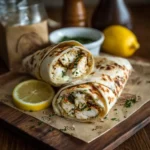
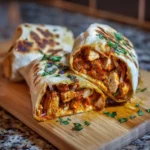
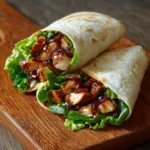
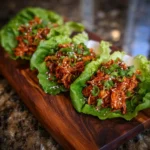
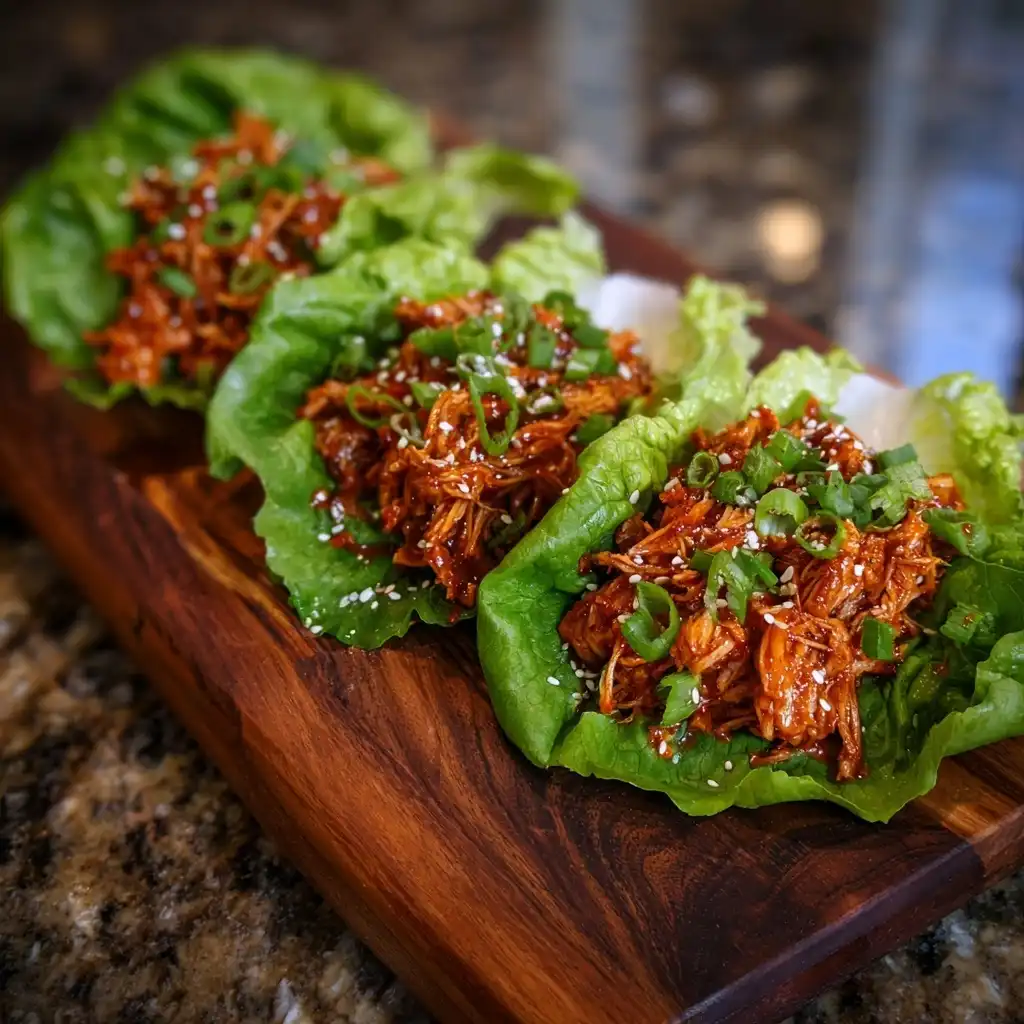
Spicy Korean Chicken Lettuce Wraps—often affectionately dubbed “Korean BBQ Chicken Lettuce Cups” or “Spicy Gochujang Chicken Wraps”—are a vibrant, bold, and deeply satisfying fusion dish that bridges the fiery depth of Korean flavors with the refreshing lightness of fresh, crisp lettuce. These wraps are more than just a meal—they’re an interactive, textural, and aromatic experience: tender, caramelized chicken glazed in a complex sweet-spicy-savory sauce, nestled into cool, buttery romaine or crisp iceberg leaves, then crowned with zesty pickled vegetables, crunchy garnishes, and bright herbal notes. Perfect for weeknight dinners, summer entertaining, game-day appetizers, or even healthy meal prep, they deliver restaurant-quality excitement without requiring advanced culinary skills. Whether you’re a longtime gochujang devotee or new to Korean-inspired cooking, these wraps offer an accessible yet unforgettable gateway into the layered umami world of Korean pantry staples.
The History
While lettuce wraps have ancient roots across Asia—including Chinese Yuk Sung (minced meat salads) and Thai Larb served in cabbage or lettuce cups—the modern Spicy Korean Chicken Lettuce Wrap is a product of 21st-century culinary globalization and Korean food’s worldwide ascent. Its evolution traces back to the rise of Korean barbecue (KBBQ) culture in the U.S. and Canada during the 1990s and early 2000s, where diners began adapting tableside grilling traditions into home-cooked formats. The pivotal ingredient—gochujang, Korea’s fermented chili paste—gained wider accessibility outside Korea after the 2010s, spurred by K-food exports, viral social media recipes, and the global success of Korean dramas and music (Hallyu Wave). Chefs and home cooks alike started experimenting with gochujang as a glaze for ground or diced chicken, inspired by classic Korean dishes like Dakgalbi (spicy stir-fried chicken) and Bibimbap toppings. The lettuce wrap format emerged as a clever low-carb, gluten-free, and visually engaging vehicle—replacing rice or noodles while amplifying freshness and contrast. Today, it appears on menus from Los Angeles to London, featured in major food publications like Bon Appétit, Food & Wine, and Saveur, and has become a staple in keto, Whole30, and clean-eating communities—not as a compromise, but as a deliberate celebration of balance.
Ingredients Breakdown
Every element in this dish serves a distinct sensory and functional purpose—no ingredient is arbitrary. Here’s a deep dive into the role each plays:
- Gochujang: The soul of the dish. This thick, fermented Korean chili paste combines red chilies, glutinous rice, soybeans, and salt. It delivers profound umami, gentle heat (Scoville 1,000–1,500), natural sweetness from rice fermentation, and a subtle funkiness that deepens when cooked. Opt for authentic brands like Chung Jung One, Sunchang, or Pulmuone for best results—avoid “gochujang-style” condiments with added sugar or preservatives.
- Gochugaru (Korean Chili Flakes): Adds bright, fruity heat and vivid red color. Unlike cayenne, gochugaru is coarser, smokier, and less acidic—its flakes provide texture and visual pop in both the sauce and garnish.
- Soy Sauce (or Tamari/Gluten-Free Soy): Supplies savory depth (glutamates), salt balance, and rich browning via the Maillard reaction. Low-sodium versions work well if watching sodium intake.
- Rice Vinegar & Lime Juice: Provide essential acidity to cut through richness and balance sweetness. Rice vinegar offers mild, clean tang; lime juice adds citrus brightness and aromatic lift—especially vital in the finishing drizzle.
- Unsweetened Asian Pear or Fuji Apple Puree: A traditional Korean “secret weapon.” Natural enzymes tenderize chicken, while fructose enhances caramelization and rounds out spice. No pear? Substitute 1 tbsp apple juice + ½ tsp honey—but puree yields superior texture and authenticity.
- Toasted Sesame Oil: Used *only* at the end—never cooked—this fragrant oil imparts nutty aroma and luxurious mouthfeel. Toasted, not raw, sesame oil is non-negotiable for authenticity.
- Lettuce Varieties: Butter lettuce offers delicate, cup-like leaves with a silky texture; romaine provides crunch and structural integrity; iceberg delivers maximum cool crispness and neutral base. Red leaf or green leaf add visual appeal and subtle sweetness. Avoid bitter varieties like radicchio unless intentionally contrasting.
- Quick-Pickled Vegetables: Daikon radish, carrots, and red onion—brined briefly in rice vinegar, sugar, and salt—add acidity, crunch, and palate-cleansing brightness that prevents flavor fatigue.
- Herbal Garnishes: Fresh cilantro, Thai basil, and scallion greens aren’t optional—they contribute volatile oils (linalool, eugenol) that elevate aroma, reduce perceived heat, and add complexity no sauce can replicate.
Step-by-Step Recipe
- Prep the Chicken: Dice boneless, skinless chicken thighs (not breasts—they dry out) into ½-inch pieces. Pat *extremely* dry with paper towels—moisture is the enemy of caramelization. Toss with 1 tsp cornstarch (or arrowroot for gluten-free) and ½ tsp kosher salt. Let sit 10 minutes.
- Make the Quick Pickles: In a small bowl, combine ½ cup julienned daikon, ¼ cup matchstick carrots, and ¼ cup thinly sliced red onion. Whisk together ⅓ cup rice vinegar, 2 tbsp sugar, and 1 tsp kosher salt until dissolved. Pour over vegetables, toss, and set aside for at least 15 minutes (up to 2 hours).
- Build the Sauce: In a measuring cup or small bowl, whisk together ¼ cup gochujang, 3 tbsp soy sauce, 2 tbsp brown sugar (or coconut sugar), 1 tbsp rice vinegar, 1 tbsp fresh lime juice, 1 tbsp minced garlic, 1 tbsp grated fresh ginger, 1 tsp toasted sesame oil, and 1 tbsp unsweetened Asian pear puree (or apple puree). Set aside.
- Toast the Sesame Seeds: In a dry skillet over medium-low heat, toast 2 tbsp white sesame seeds for 2–3 minutes, shaking pan constantly, until golden and fragrant. Transfer to a small bowl and cool completely.
- Stir-Fry the Chicken: Heat 1½ tbsp neutral oil (grapeseed or avocado) in a large wok or stainless steel skillet over high heat until shimmering. Add chicken in a single layer—do not overcrowd. Cook undisturbed 1½ minutes until edges begin to brown. Flip and cook 1 minute more. Reduce heat to medium-high, add sauce, and stir vigorously. Cook 3–4 minutes, scraping up browned bits, until sauce thickens, coats chicken evenly, and turns glossy and deep brick-red. Remove from heat.
- Finish & Assemble: Stir in 1 tsp toasted sesame oil (reserve remaining for drizzle) and 1 tsp gochugaru. Taste and adjust: need more tang? Add lime. More heat? A pinch of gochugaru. More depth? A dash of fish sauce. Let rest 2 minutes. Meanwhile, wash and dry lettuce leaves thoroughly—pat dry to prevent soggy wraps. Arrange leaves on a platter. Spoon warm chicken into centers. Top generously with quick-pickled vegetables, toasted sesame seeds, sliced scallions, cilantro leaves, Thai basil, and a final drizzle of toasted sesame oil and lime wedges on the side.
Tips
- Chicken Thighs > Breasts, Always: Thighs contain ~10% fat versus <2% in breasts—this intramuscular fat renders during cooking, keeping bites succulent and helping the sauce cling. If using breasts, add 1 tsp neutral oil to the sauce and reduce cook time by 1 minute.
- Don’t Skip the Cornstarch “Velveting” Step: This thin coating protects chicken from overcooking, promotes rapid searing, and gives the sauce something to adhere to—resulting in glossy, restaurant-style glaze instead of pooling liquid.
- Control Your Heat Like a Pro: High heat for initial sear → medium-high for saucing → off-heat for finishing. Cranking heat too high during saucing burns gochujang’s sugars; too low makes it watery.
- Prep Components Ahead: Sauce keeps refrigerated for 1 week; pickles last 5 days; toasted sesame seeds stay fresh 2 weeks in an airtight jar. Assemble only when serving—lettuce wilts fast.
- Texture Is Non-Negotiable: Every bite should offer contrast—soft chicken, crisp lettuce, crunchy pickle, chewy sesame seed, herbaceous freshness. If your wraps feel monotonous, add crushed roasted peanuts, crispy fried shallots, or julienned jicama.
- Wok Hei Matters—Even in a Skillet: That elusive “breath of the wok” comes from intense, rapid cooking that creates complex Maillard compounds. Use the largest, heaviest pan you own—and don’t stir constantly. Let things sear, then flip.
- Chill Your Lettuce: Store washed, dried leaves in a sealed container lined with a dry paper towel in the crisper drawer for 1 hour before serving. Cold lettuce intensifies the contrast against hot chicken.
- Taste the Sauce Before Adding to Chicken: Adjust sweetness (brown sugar), acid (lime/vinegar), salt (soy), and heat (gochugaru) *before* cooking—it’s infinitely easier than fixing mid-process.
Variations and Customizations
Protein Swaps
- Ground Turkey or Pork: Brown thoroughly first, then proceed with sauce. Pork adds extra richness; turkey benefits from 1 tsp sesame oil in the meat mixture.
- Tofu (Extra-Firm or Pressed Soy Curls): Marinate tofu cubes in 1 tbsp soy + 1 tsp cornstarch + 1 tsp gochujang for 20 minutes, then pan-fry until golden before saucing.
- Shrimp or Scallops: Sear 1–2 minutes per side, remove, then add back during final 30 seconds of saucing to avoid rubberiness.
Dietary Adaptations
- Keto/Low-Carb: Replace brown sugar with 1½ tsp erythritol + ¼ tsp stevia; use coconut aminos instead of soy sauce; double the gochujang for body; serve with endive or butter lettuce only.
- Vegan: Use vegan gochujang (check label—some contain fish sauce), tamari, and maple syrup. Add 1 tsp miso paste to sauce for fermented depth.
- Gluten-Free: Confirm gochujang and soy sauce are certified GF (many traditional gochujangs are, but always verify); substitute tamari or coconut aminos.
- Low-Sodium: Use low-sodium soy/tamari, omit added salt, increase pear puree and lime juice for flavor compensation, and garnish with seaweed flakes (nori) for salty umami.
Flavor Twists
- Smoky Gochujang: Add ½ tsp smoked paprika or 1 tsp Korean smoked sea salt to the sauce.
- Cheesy Korean: Sprinkle with crumbled feta or cotija cheese just before serving—saltiness and tang play beautifully with gochujang.
- Umami Bomb: Stir 1 tsp fermented black bean paste or ½ tsp fish sauce into the sauce for deep, savory complexity.
- Fruit-Forward: Fold in ¼ cup finely diced ripe mango or pineapple at the end for tropical contrast.
- Breakfast Version: Serve warm chicken in butter lettuce with soft-scrambled eggs, avocado slices, and everything bagel seasoning.
Global Fusion Riffs
- Korean-Mexican: Swap lettuce for grilled corn tortillas; top with kimchi slaw and crumbled queso fresco.
- Korean-Tex-Mex: Add chipotle powder to sauce and serve with pickled jalapeños and lime crema.
- Korean-Japanese: Use yuzu kosho instead of gochugaru and garnish with shiso and bonito flakes.
- Korean-Mediterranean: Add preserved lemon zest and chopped kalamata olives to the pickles; garnish with dill and sumac.
Health Considerations and Nutritional Value
A standard serving (1 cup chicken mixture + 3 large romaine leaves + 2 tbsp pickles + garnishes) clocks in at approximately 285–320 calories, with notable nutritional advantages:
- High-Quality Protein: ~28g per serving from chicken thighs—rich in B vitamins (B6, niacin), selenium, and zinc, supporting immunity and metabolism.
- Functional Fermentation: Gochujang contains live cultures (if unpasteurized), beneficial enzymes, and bioactive peptides shown in studies to support gut microbiota diversity and anti-inflammatory pathways.
- Antioxidant Powerhouse: Gochugaru is exceptionally high in capsaicin (linked to metabolic boost and pain modulation) and carotenoids like beta-carotene and capsanthin. Garlic and ginger contribute allicin and gingerol—potent antioxidants with studied cardiovascular and anti-nausea effects.
- Low Glycemic Impact: When made with minimal added sugar (<2 tsp per serving), the dish maintains a low glycemic load—ideal for blood sugar management. Asian pear puree contributes fiber and polyphenols without spiking glucose.
- Nutrient-Dense Veggies: Romaine lettuce provides folate, vitamin K (120% DV per cup), and lutein for eye health; daikon radish contains glucosinolates linked to detoxification support; carrots supply beta-carotene converted to vitamin A.
- Heart-Healthy Fats: Toasted sesame oil contains sesamin and sesamolin—lignans shown in clinical trials to reduce LDL cholesterol and improve endothelial function.
Considerations: Sodium content averages 620–780mg per serving—moderate for most, but those on strict low-sodium diets (<1,500mg/day) should opt for low-sodium soy, omit added salt, and rinse pickles briefly. Gochujang contains gluten (from fermented wheat) unless labeled GF—critical for celiac individuals. While spicy, capsaicin is generally GI-friendly and may improve digestion—though those with active IBS or GERD should start with reduced gochujang (1½ tbsp) and skip gochugaru.
Ingredients
- 1½ lbs boneless, skinless chicken thighs, trimmed and diced into ½-inch pieces
- 1 tsp cornstarch (or arrowroot powder)
- ½ tsp kosher salt (plus more to taste)
- 1½ tbsp neutral high-smoke-point oil (grapeseed, avocado, or refined peanut)
- ¼ cup authentic gochujang (Chung Jung One or Sunchang recommended)
- 3 tbsp low-sodium soy sauce (or tamari for GF)
- 2 tbsp packed dark brown sugar (or coconut sugar)
- 1 tbsp unseasoned rice vinegar
- 1 tbsp fresh lime juice (about ½ lime)
- 1 tbsp finely minced garlic (about 3 cloves)
- 1 tbsp freshly grated ginger
- 1 tbsp unsweetened Asian pear or Fuji apple puree (see note)
- 1 tsp toasted sesame oil (plus extra for finishing)
- 1 tsp Korean chili flakes (gochugaru), plus more for garnish
- ½ cup julienned daikon radish
- ¼ cup matchstick-cut carrots
- ¼ cup very thinly sliced red onion
- ⅓ cup rice vinegar (for pickling)
- 2 tbsp granulated sugar (for pickling)
- 1 tsp kosher salt (for pickling)
- 1 head romaine lettuce (or butter lettuce, iceberg, or green leaf)
- 2 tbsp white sesame seeds, toasted
- 4 green onions, thinly sliced (white and green parts)
- ½ cup fresh cilantro leaves
- ¼ cup fresh Thai basil leaves
- Lime wedges, for serving
Note: To make Asian pear puree, peel and core ¼ small Asian pear (about 2 oz), then blend until completely smooth—no straining needed. Yields ~1 tbsp. Substitute: 1 tsp apple juice + ½ tsp honey, but puree is strongly preferred.
Directions
- Prep Chicken: Place diced chicken in a bowl. Sprinkle with cornstarch and ½ tsp kosher salt. Toss thoroughly to coat. Let sit 10 minutes at room temperature.
- Make Quick Pickles: In a small non-reactive bowl, whisk together ⅓ cup rice vinegar, 2 tbsp sugar, and 1 tsp kosher salt until fully dissolved. Add daikon, carrots, and red onion. Toss to coat. Set aside at room temperature for at least 15 minutes (up to 2 hours), stirring once halfway.
- Toast Sesame Seeds: Place sesame seeds in a dry, cold skillet. Turn heat to medium-low. Toast, shaking pan constantly, for 2–3 minutes until golden and fragrant. Immediately transfer to a small bowl to cool—do not let them steam.
- Whisk Sauce: In a separate bowl or 2-cup measuring cup, combine gochujang, soy sauce, brown sugar, rice vinegar, lime juice, garlic, ginger, pear puree, 1 tsp toasted sesame oil, and 1 tsp gochugaru. Whisk until completely smooth and uniform—no lumps. Taste and adjust: add lime for brightness, sugar for balance, or gochugaru for heat.
- Stir-Fry Chicken: Heat oil in a 14-inch wok or heavy-bottomed stainless steel or cast iron skillet over high heat until shimmering (a drop of water sizzles instantly). Add chicken in a single layer—do not stir for 90 seconds. Flip pieces and cook another 60 seconds until lightly browned. Reduce heat to medium-high. Pour sauce over chicken. Stir constantly, scraping up browned bits, for 3–4 minutes until sauce thickens dramatically, turns glossy, and clings to chicken. Remove from heat.
- Finish & Rest: Stir in remaining 1 tsp gochugaru. Let chicken rest off heat for 2 minutes—this allows residual heat to finish cooking and lets sauce settle.
- Assemble: Wash and thoroughly dry lettuce leaves—pat dry with clean kitchen towels. Arrange on a large serving platter. Spoon warm chicken into center of each leaf. Top generously with drained pickled vegetables, toasted sesame seeds, sliced scallions, cilantro, and Thai basil. Drizzle lightly with additional toasted sesame oil and serve with lime wedges on the side.
FAQ
- Can I make this ahead of time?
- Absolutely—but keep components separate. Cooked chicken stores refrigerated for up to 4 days; sauce lasts 1 week; pickles keep 5 days; toasted sesame seeds stay fresh 2 weeks. Assemble lettuce wraps within 15 minutes of serving to maintain crispness.
- What if I can’t find gochujang?
- It’s irreplaceable for authenticity—but in a pinch, combine 2 tbsp tomato paste + 1 tbsp sriracha + 1 tsp miso paste + 1 tsp brown sugar + ½ tsp rice vinegar. Note: this lacks fermentation depth and won’t caramelize the same way.
- Why use chicken thighs instead of breasts?
- Thighs retain moisture during high-heat stir-frying, deliver richer flavor, and have enough fat to carry gochujang’s viscosity. Breasts become dry and stringy unless meticulously monitored.
- My sauce is too thick/thin—how do I fix it?
- Too thick? Splash in ½–1 tsp warm water or broth and stir over low heat 30 seconds. Too thin? Simmer 1–2 minutes longer, or mix ½ tsp cornstarch with 1 tsp cold water and stir in.
- Are there vegetarian alternatives that hold up well?
- Yes! Extra-firm tofu, tempeh, or textured vegetable protein (TVP) all work. Press tofu for 30 minutes, marinate in 1 tbsp soy + 1 tsp gochujang + 1 tsp cornstarch, then pan-fry until golden before saucing.
- How spicy is this recipe on a scale of 1–10?
- Approximately a 6–7 for most palates—moderately spicy but balanced by sweetness and acidity. Reduce gochujang to 3 tbsp and omit gochugaru to lower to a 3; add ½ tsp cayenne or extra gochugaru to push to 9.
- Can I bake or air-fry instead of stir-frying?
- You can—but you’ll lose wok hei and caramelization. For oven: toss chicken with sauce and roast at 425°F for 18–22 minutes, stirring once. For air fryer: cook at 375°F for 12–14 minutes, shaking basket twice. Sauce will be less glossy.
- What’s the best lettuce for crunch and structure?
- Romaine hearts win for durability and bold crunch. Butter lettuce offers elegant cup-shape and tenderness. Iceberg is ultra-crisp and neutral—ideal for heat-sensitive eaters. Avoid soft or bitter lettuces like spinach or arugula unless blending into a mixed green cup.
- Can I freeze the cooked chicken?
- Yes—cool completely, portion into airtight containers, and freeze up to 3 months. Thaw overnight in fridge, then reheat gently in skillet with 1 tsp water to refresh sauce consistency.
- Is this dish suitable for kids?
- Easily adaptable! Make a “mild batch” with half the gochujang and no gochugaru, add extra pear puree and honey, and serve with plain yogurt or coconut cream on the side for cooling dip.
Summary
Spicy Korean Chicken Lettuce Wraps are a masterclass in balance—fiery gochujang and gochugaru harmonized by sweet pear, tangy lime, and umami-rich soy, all wrapped in cool, crisp lettuce and elevated by vibrant herbs and crunchy pickles. They’re nutritionally robust, endlessly customizable, and deliver bold restaurant flair with humble, approachable ingredients and techniques.
Whether you’re meal prepping for the week, hosting friends, or simply craving a flavorful, healthy, and deeply satisfying dinner, these wraps prove that eating well doesn’t mean sacrificing excitement—it means embracing layers of taste, texture, and tradition in every single bite.