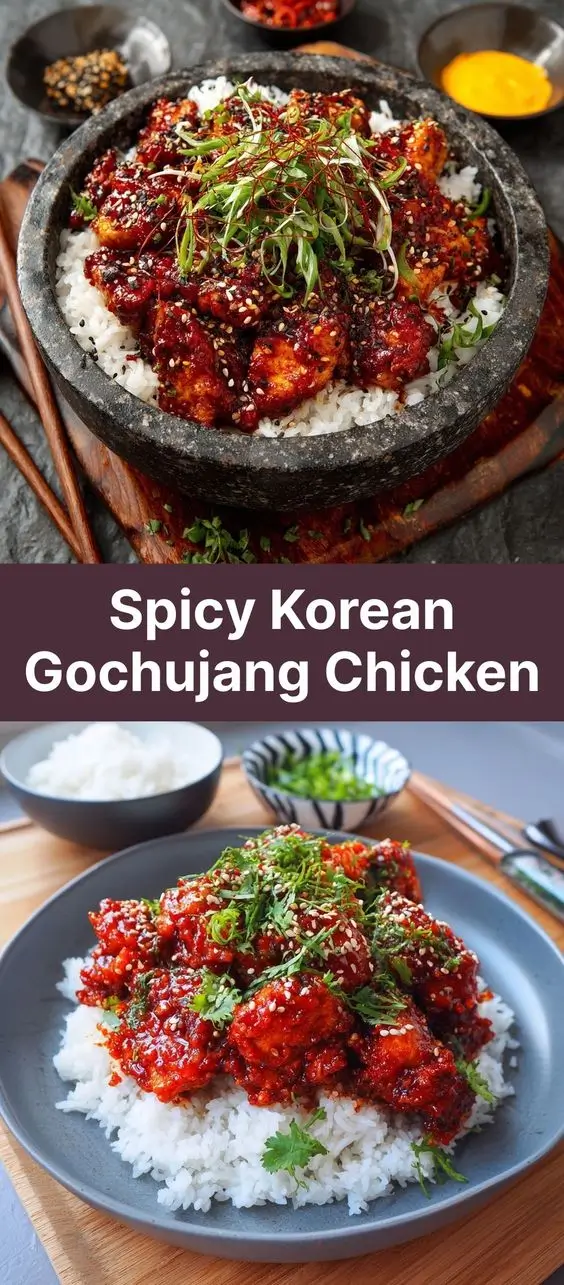
Spicy Korean Gochujang Chicken
Delve into the bold and complex world of Korean cuisine with this tantalizing Spicy Korean Gochujang Chicken. A harmonious blend of sweet, spicy, savory, and umami-rich flavors, this dish brings together the deep red essence of gochujang—a fermented chili paste that forms the heart of many iconic Korean recipes. Whether you’re a seasoned fan of Korean food or new to its vibrant taste profiles, this gochujang chicken recipe offers an accessible yet deeply satisfying experience that’s perfect for weeknight dinners, weekend feasts, or impressing guests at your next gathering.
The History of Gochujang and Its Culinary Significance
Gochujang, the fiery red fermented condiment that defines so much of Korean cooking, has a history stretching back over 2,000 years. Originally developed during Korea’s Three Kingdoms period (57 BCE – 668 CE), it evolved from earlier fermented soybean pastes like jeotgal and doenjang, eventually incorporating chili peppers after their introduction to Asia by Portuguese traders in the 16th century. The fusion of native fermentation techniques with New World chilies gave rise to gochujang as we know it today—thick, pungent, and layered with heat and depth.
The name “gochujang” comes from three Korean words: “gochu” (chili), “ju” (fermented grain), and “jang” (paste). Traditionally made in earthenware pots called jangdokdae and left to ferment under the sun for months—or even years—modern versions are now widely available in supermarkets across the globe. However, its role in Korean households remains unchanged: gochujang is more than just a spice; it’s a cultural cornerstone used in stews, marinades, dipping sauces, and stir-fries.
Spicy Korean Gochujang Chicken draws on this rich heritage, modernizing traditional elements into a quick-cooking, high-impact dish that balances ancient fermentation wisdom with contemporary culinary convenience. From royal court kitchens to street food stalls in Seoul, variations of gochujang-based dishes have long been beloved for their ability to elevate simple ingredients into something extraordinary.
Ingredients Breakdown: Understanding the Flavor Builders
The magic of Spicy Korean Gochujang Chicken lies not only in its heat but in the complexity of its flavor profile. Each ingredient plays a crucial role in building layers of taste—sweetness to balance the burn, acidity to brighten, saltiness for depth, and umami for richness. Here’s a detailed breakdown:
- Gochujang Paste (3–4 tablespoons): The star of the show. This thick, fermented red chili paste delivers intense heat, earthy sweetness, and a deep umami backbone. Look for authentic Korean brands like Chung Jung One or Sempio for best results. Adjust quantity based on desired spiciness.
- Soy Sauce (3 tablespoons): Provides saltiness and enhances browning. Use low-sodium soy sauce if you prefer better control over salt levels.
- Brown Sugar (2–3 tablespoons): Balances the spice and adds caramelized richness. You can substitute honey or maple syrup for nuanced sweetness.
- Rice Vinegar (1 tablespoon): Adds brightness and cuts through the richness of the sauce. Apple cider vinegar works in a pinch, though rice vinegar offers a cleaner, milder tang.
- Garlic (4 cloves, minced): Raw garlic intensifies the aromatic punch. Freshly minced is always better than pre-minced for optimal flavor release.
- Ginger (1 tablespoon, grated): Adds warmth and subtle citrusy notes. Use fresh ginger root for maximum potency—avoid powdered unless absolutely necessary.
- Sesame Oil (1 teaspoon): Imparts nutty aroma and depth. Always add at the end of cooking or in the marinade to preserve its delicate flavor.
- Chicken (1.5 lbs boneless, skinless thighs or breasts): Thighs are preferred for juiciness and flavor retention during high-heat cooking. Breasts work too but require careful timing to avoid drying out.
- Cornstarch (1 tablespoon): Used both in the sauce to thicken and optionally on the chicken for a light crust when pan-searing or baking.
- Water or Chicken Broth (¼ cup): Helps thin the sauce to ideal coating consistency without diluting flavor.
- Toasted Sesame Seeds and Green Onions (for garnish): Essential finishing touches that add texture, color, and a final burst of nutty freshness.
- Neutral Oil (like vegetable or canola, 1–2 tbsp): For sautéing or searing without overpowering other flavors.
Step-by-Step Recipe: How to Make Spicy Korean Gochujang Chicken
Preparation Time:
15 minutes | Cooking Time: 20–25 minutes | Total Time: ~40 minutes
Servings: 4
Ingredients:
- 1.5 lbs (680g) boneless, skinless chicken thighs or breasts, cut into 1-inch cubes
- 3–4 tbsp Korean gochujang paste
- 3 tbsp soy sauce (low-sodium recommended)
- 2–3 tbsp brown sugar (adjust to taste)
- 1 tbsp rice vinegar
- ¼ cup water or chicken broth
- 4 garlic cloves, minced
- 1 tbsp fresh ginger, grated
- 1 tsp sesame oil
- 1 tbsp cornstarch + 2 tbsp water (slurry, optional for thicker sauce)
- 1–2 tbsp neutral oil (vegetable, canola, or avocado)
- Salt and pepper to taste
- For garnish: sliced green onions, toasted sesame seeds
- Optional sides: steamed white rice, kimchi, pickled vegetables, stir-fried bok choy
Directions:
- Prepare the Chicken: Pat the chicken dry with paper towels to ensure proper browning. Season lightly with salt and pepper. If you want a crispier exterior, toss the pieces with 1 tablespoon of cornstarch until evenly coated.
- Make the Gochujang Sauce: In a medium bowl, whisk together gochujang paste, soy sauce, brown sugar, rice vinegar, minced garlic, grated ginger, sesame oil, and water or broth until smooth. Taste and adjust: add more sugar for sweetness, more gochujang for heat, or a splash of vinegar for brightness. Set aside.
- Cook the Chicken: Heat 1–2 tablespoons of neutral oil in a large skillet or wok over medium-high heat. Once shimmering, add the chicken in a single layer (work in batches if needed to avoid overcrowding). Sear for 3–4 minutes per side until golden brown and cooked through (internal temperature should reach 165°F / 74°C). Remove chicken and set aside.
- Build the Sauce: Reduce heat to medium. Pour any remaining sauce mixture into the same pan (to capture fond—the flavorful browned bits stuck to the bottom). Stir constantly for 1 minute to toast the gochujang slightly, enhancing its depth.
- Combine and Simmer: Return the cooked chicken to the pan. Stir well to coat every piece with the sizzling sauce. Cook for another 2–3 minutes, allowing the sauce to caramelize slightly and cling to the meat.
- Thicken (Optional): For a glossier, restaurant-style glaze, mix 1 tablespoon cornstarch with 2 tablespoons cold water to create a slurry. Drizzle into the pan while stirring continuously. Simmer for 1–2 minutes until the sauce thickens to a sticky, lacquered finish.
- Finish and Serve: Turn off the heat. Drizzle with a few extra drops of sesame oil for fragrance. Garnish generously with sliced green onions and toasted sesame seeds. Serve immediately over hot steamed rice, with kimchi on the side for contrast.
Pro Tips for Perfect Gochujang Chicken Every Time
- Taste Your Gochujang: Brands vary significantly in heat and sweetness. Always taste before using—some may be saltier or spicier than others. Adjust sugar and liquid accordingly.
- Don’t Burn the Sauce: Gochujang can scorch easily due to its sugar content. Keep heat at medium or medium-high, never max. Stir constantly once added to the pan.
- Marinate for Depth (Optional): For deeper flavor penetration, marinate chicken in half the sauce for 30 minutes to 2 hours in the fridge before cooking. Reserve the other half to use during cooking.
- Use Chicken Thighs: They’re more forgiving than breasts and stay juicy even when slightly overcooked. Plus, their fat content helps carry the bold flavors of gochujang.
- Add Veggies: Stir-fry bell peppers, broccoli, carrots, or snap peas alongside the chicken for a one-pan meal. Add them after searing the chicken, then proceed with sauce.
- Double the Batch: This sauce freezes beautifully. Make extra and store in ice cube trays for future quick meals.
- Balance Is Key: If the finished dish is too spicy, stir in a bit more sugar or a spoonful of plain yogurt. Too sweet? Add a dash of rice vinegar or lime juice.
Variations and Customizations
One of the greatest strengths of Spicy Korean Gochujang Chicken is its adaptability. Whether you’re catering to dietary needs, experimenting with textures, or simply looking to switch things up, here are some creative twists:
- Baked Version: Toss marinated chicken with sauce and bake at 400°F (200°C) for 20–25 minutes on a lined tray. Flip halfway for even browning. Great for meal prep!
- Air Fryer Option: Coat chicken in sauce and air fry at 375°F (190°C) for 12–15 minutes, shaking basket halfway. Results in crispy edges with minimal oil.
- Grilled Skewers (Dak-kkochi): Thread chicken onto skewers, brush with sauce, and grill over medium heat. Baste frequently for a sticky, smoky finish. Serve with lettuce wraps.
- Vegan/Vegetarian Swap: Replace chicken with tofu, tempeh, seitan, or mushrooms (shiitake or oyster work best). Press tofu well and pan-fry first for better texture.
- Pasta Fusion: Toss cooked spaghetti or udon noodles with gochujang chicken and veggies for a Korean-Italian hybrid. Add a splash of cream for a creamy-spicy twist.
- Rice Bowl Style (Bibimbap-Inspired): Serve over mixed rice with sautéed spinach, julienned carrots, bean sprouts, a fried egg, and extra gochujang on top.
- With Kimchi Fried Rice: Use leftover chicken to top kimchi fried rice for a double-dose of Korean flavor.
- Gluten-Free Adaptation: Use tamari instead of soy sauce and verify that your gochujang is gluten-free (some contain barley). Many Korean brands now offer certified GF versions.
- Low-Sugar Option: Substitute brown sugar with monk fruit sweetener or reduce quantity and boost umami with a splash of fish sauce or extra fermented paste.
Health Considerations and Nutritional Value
While undeniably delicious, it’s important to consider the nutritional aspects of Spicy Korean Gochujang Chicken, especially if consumed regularly or by individuals with specific health concerns.
Nutritional Profile (Per Serving, approx. 1/4 of recipe with chicken thighs and rice):
- Calories: ~380–420 kcal
- Protein: ~30–35g (excellent source)
- Fat: ~12–15g (mostly unsaturated, depending on oil used)
- Carbohydrates: ~35–40g (mainly from sugar and rice)
- Sodium: ~800–1000mg (moderate to high; varies by soy sauce and gochujang brand)
- Sugar: ~15–20g (largely from added brown sugar)
Health Benefits:
- Metabolism Boost: Capsaicin in gochujang may increase metabolic rate and promote fat oxidation.
- Probiotics: Fermented gochujang contains beneficial microbes that support gut health (though cooking reduces live cultures).
- Antioxidants: Chili peppers are rich in vitamin C and carotenoids, which combat oxidative stress.
- High-Quality Protein: Chicken provides essential amino acids vital for muscle repair and immune function.
Considerations:
- Sodium Content: Both soy sauce and gochujang are high in sodium. Those with hypertension or kidney issues should opt for low-sodium versions and moderate portion sizes.
- Sugar Levels: The added sugar enhances flavor but increases glycemic load. Diabetics or those managing blood sugar should reduce sweeteners and pair with fiber-rich sides.
- Spiciness Sensitivity: Gochujang can aggravate acid reflux, IBS, or gastritis in some individuals. Start with smaller amounts and monitor tolerance.
- Allergens: Traditional gochujang may contain wheat (gluten) and soy. Always check labels if allergies are a concern.
Frequently Asked Questions (FAQ)
1. What does gochujang taste like?
Gochujang has a complex flavor profile: spicy, slightly sweet, deeply savory (umami), and subtly fermented with earthy undertones. It’s less fiery than straight chili paste but packs lingering heat enhanced by fermentation.
2. Can I make this dish mild?
Absolutely. Reduce gochujang to 1–2 teaspoons and supplement with tomato paste or miso for body. Increase sugar and vinegar to maintain balance without the burn.
3. Where can I buy gochujang?
You’ll find it in most Asian grocery stores, larger supermarkets (international aisle), or online retailers like Amazon. Korean brands such as CJ Haechandle, Sempio, and Chung Jung One are widely available and reliable.
4. Can I freeze gochujang chicken?
Yes! Store cooled leftovers in an airtight container for up to 3 months. Reheat gently on the stove with a splash of water to restore moisture.
5. Is gochujang vegan?
Most traditional gochujang is vegan, made from chilies, glutinous rice, fermented soybeans, and salt. However, always check the label—some commercial versions may include additives or fish derivatives.
6. Can I use gochugaru instead?
No—gochugaru is Korean chili flakes or powder, not a paste. While it adds heat, it lacks the fermented depth, sweetness, and thickness of gochujang. They are not interchangeable, though they’re often used together in recipes.
7. Why is my sauce too thick/thin?
If too thick, whisk in warm water or broth one tablespoon at a time. If too thin, simmer longer or use a cornstarch slurry to thicken. Remember, the sauce will continue to reduce off-heat.
8. Can I make this in advance?
Yes! Marinate the chicken up to 24 hours ahead. Cooked chicken keeps refrigerated for 3–4 days. Reheat in a skillet to preserve texture.
9. What sides pair well with gochujang chicken?
Classic pairings include steamed jasmine or short-grain rice, kimchi, cucumber salad, pickled radishes, stir-fried greens, or a simple seaweed soup.
10. Is this dish authentic Korean?
This recipe is inspired by Korean flavors and techniques but adapted for global home cooks. Dishes like dakbokkeumtang (spicy braised chicken) and tteokbokki (spicy rice cakes) use similar sauces. While not a direct replica, it honors Korean culinary principles.
Summary
Spicy Korean Gochujang Chicken blends the fiery depth of fermented chili paste with sweet, savory, and tangy notes to create a bold, unforgettable dish that’s easy to make and endlessly customizable. Packed with protein and flavor, it’s a modern homage to Korea’s rich culinary traditions.