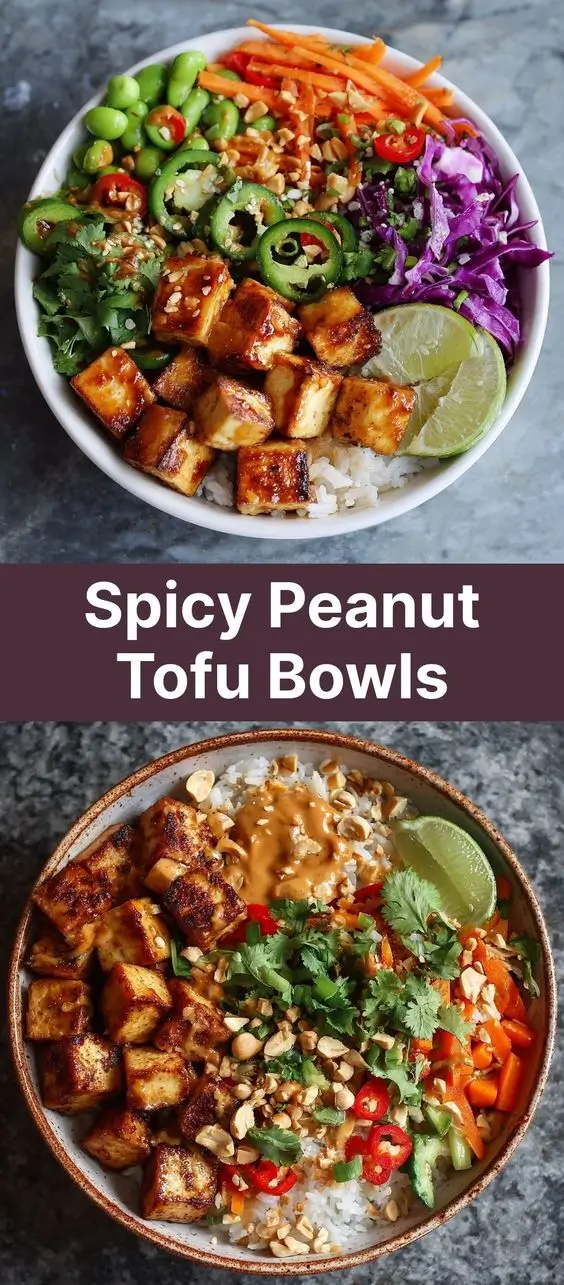
Spicy Peanut Tofu Bowls: A Flavor-Packed Plant-Based Delight
If you’re on the hunt for a dish that combines bold flavors, satisfying textures, and wholesome nutrition, look no further than Spicy Peanut Tofu Bowls. This vibrant, nutrient-dense meal brings together tender tofu, crisp vegetables, and a rich, creamy peanut sauce that’s both spicy and slightly sweet. Whether you’re a long-time vegan, exploring plant-based eating, or simply craving a quick and healthy dinner option, these bowls are guaranteed to become a staple in your kitchen rotation.
The History of Spicy Peanut Tofu Bowls
While there’s no single origin point for Spicy Peanut Tofu Bowls, the dish is a modern fusion creation that draws inspiration from several culinary traditions. The use of tofu as a protein source has roots in ancient Chinese cuisine, dating back over 2,000 years. Meanwhile, peanut sauces are staples across Southeast Asian countries like Thailand, Vietnam, and Indonesia, where they’re used in satay dishes, noodle salads, and dipping sauces.
In recent decades, the rise of global food culture—especially through social media and food blogging—has led to creative hybrid recipes like this one. Spicy Peanut Tofu Bowls emerged as a popular choice among health-conscious eaters and meal prep enthusiasts, combining the heartiness of tofu with the addictive flavor of peanut sauce and an array of colorful vegetables. It reflects the current trend toward globally inspired, plant-forward meals that are both nutritious and exciting to eat.
Ingredients Breakdown: What Makes This Dish Shine?
The beauty of Spicy Peanut Tofu Bowls lies in their balance of ingredients—each component contributes to the overall harmony of taste, texture, and nutrition. Here’s a detailed look at what goes into making this dish so special:
- Firm or Extra-Firm Tofu: The star protein of the dish. Pressing and baking (or pan-frying) the tofu gives it a chewy, meaty texture that absorbs the sauce beautifully.
- Peanut Butter: Natural, unsweetened peanut butter forms the base of the sauce, providing creaminess, richness, and nutty depth. Almond or sunflower seed butter can be substituted for allergies.
- Soy Sauce or Tamari: Adds umami and saltiness. Tamari is a gluten-free alternative.
- Rice Vinegar or Lime Juice: Provides acidity to cut through the richness of the peanut butter and brighten the overall flavor.
- Maple Syrup or Agave: A touch of sweetness balances the heat and salt, enhancing the complexity of the sauce.
- Sriracha or Chili Garlic Sauce: Brings the signature heat. Adjust according to your spice tolerance.
- Fresh Garlic and Ginger: Freshly minced garlic and grated ginger add aromatic pungency and warmth.
- Vegetables: Typically includes shredded carrots, sliced bell peppers, cucumbers, red cabbage, scallions, and edamame for crunch and color.
- Grain Base: Brown rice, quinoa, or cauliflower rice serve as the foundation, offering fiber and sustained energy.
- Garnishes: Chopped peanuts, cilantro, sesame seeds, lime wedges, and microgreens elevate the bowl with extra texture and freshness.
Step-by-Step Recipe: How to Make Spicy Peanut Tofu Bowls at Home
Creating these bowls is easier than you might think. Follow this detailed guide for restaurant-quality results right in your own kitchen.
Ingredients
For the Tofu:
- 1 block (14–16 oz) extra-firm tofu, pressed and cubed
- 1 tbsp soy sauce or tamari
- 1 tbsp cornstarch or arrowroot powder (optional, for crispiness)
- 1 tbsp neutral oil (e.g., avocado or grapeseed)
- ½ tsp smoked paprika (optional, for depth)
For the Spicy Peanut Sauce:
- ¼ cup natural smooth peanut butter
- 2 tbsp soy sauce or tamari
- 1 tbsp rice vinegar or fresh lime juice
- 1 tbsp maple syrup or agave nectar
- 1–2 tsp sriracha or chili garlic sauce (adjust to taste)
- 1 clove garlic, finely minced
- 1 tsp fresh grated ginger
- 2–4 tbsp warm water (to thin the sauce)
For the Bowls:
- 2 cups cooked brown rice, quinoa, or grain of choice
- 1 cup shredded carrots
- 1 cup thinly sliced bell peppers (red, yellow, or orange)
- 1 cup sliced cucumber
- 1 cup shredded red cabbage
- 1 cup shelled edamame (cooked)
- 2–3 scallions, sliced
- Handful of fresh cilantro leaves
- Lime wedges, for serving
- Chopped roasted peanuts or cashews
- Sesame seeds (optional)
Directions
- Press the Tofu: Remove tofu from its packaging and drain the liquid. Wrap the block in a clean kitchen towel or paper towels, then place a heavy object (like a cast iron skillet or books) on top. Let it press for at least 20–30 minutes to remove excess moisture. This step ensures crispier tofu and better sauce absorption.
- Prepare the Tofu: Preheat your oven to 400°F (200°C). Cut the pressed tofu into ¾-inch cubes. In a bowl, toss tofu with soy sauce, cornstarch (if using), smoked paprika, and oil until evenly coated. Spread on a parchment-lined baking sheet in a single layer.
- Bake the Tofu: Roast for 25–30 minutes, flipping halfway through, until golden brown and crispy on the edges. Alternatively, pan-fry in a non-stick skillet over medium-high heat for 8–10 minutes, turning occasionally.
- Make the Sauce: While the tofu bakes, whisk together peanut butter, soy sauce, rice vinegar, maple syrup, sriracha, garlic, and ginger in a medium bowl. Gradually add warm water, one tablespoon at a time, until the sauce reaches a smooth, pourable consistency. Taste and adjust seasoning—add more heat, sweetness, or tang as needed.
- Prep the Vegetables: Wash and chop all vegetables while the tofu cooks. Keep them in separate bowls or combine in a large mixing bowl for easy assembly.
- Assemble the Bowls: Start with a base of warm grains. Top with a generous portion of roasted tofu. Arrange vegetables attractively around the bowl. Drizzle generously with the spicy peanut sauce.
- Garnish and Serve: Sprinkle with chopped peanuts, scallions, cilantro, and sesame seeds. Serve with lime wedges on the side for an extra citrus kick.
Tips for Perfect Spicy Peanut Tofu Bowls Every Time
- Press Your Tofu Well: Moisture is the enemy of crispy tofu. Take the time to press it thoroughly—even up to an hour if possible. You can also buy pre-pressed “super firm” tofu for convenience.
- Cornstarch is Key: Coating tofu in cornstarch before baking creates a light, crispy exterior that holds up well against the sauce.
- Don’t Overcrowd the Pan: When roasting or frying, give each tofu cube space. Crowding causes steaming instead of browning.
- Taste Your Sauce: Always taste the sauce before serving. Balance is crucial—tweak with more lime for brightness, more syrup for sweetness, or more sriracha for heat.
- Customize the Veggies: Use whatever vegetables you have on hand. Try snap peas, broccoli slaw, shredded kale, avocado slices, or pickled onions.
- Meal Prep Friendly: This dish stores exceptionally well. Keep components separate in airtight containers for up to 4 days. Assemble and sauce just before eating to maintain texture.
- Warm the Sauce: Cold peanut sauce can thicken in the fridge. Warm it slightly in the microwave or on the stovetop with a splash of water before drizzling.
Variations and Customizations
One of the greatest strengths of Spicy Peanut Tofu Bowls is their adaptability. Here are some creative ways to switch things up:
- Protein Swaps: Replace tofu with tempeh, seitan, grilled chicken, shrimp, or even hard-boiled eggs for non-vegetarian versions.
- Nut-Free Option: Use sunflower seed butter or tahini instead of peanut butter. Tahini will result in a less sweet, more savory sauce—compensate with a bit more maple syrup.
- Gluten-Free: Use tamari instead of soy sauce and ensure all other ingredients (like sriracha) are certified gluten-free.
- Low-Carb/Keto: Serve over riced cauliflower or a bed of massaged kale. Increase healthy fats with avocado slices and reduce or omit the sweetener in the sauce.
- Mediterranean Twist: Add cherry tomatoes, kalamata olives, cucumber, and swap peanut sauce for a tahini-lemon version. Top with feta (if not vegan).
- Thai-Inspired: Add mango chunks, fresh mint, and crushed peanuts. Use a sauce with coconut milk for a creamier texture.
- Spice Level Control: For mild bowls, omit sriracha and use a pinch of red pepper flakes only. For extreme heat lovers, add gochujang, harissa, or fresh Thai chilies.
Health Considerations and Nutritional Value
Spicy Peanut Tofu Bowls are not just delicious—they’re packed with nutritional benefits that support overall wellness.
- High in Plant-Based Protein: Tofu provides about 10–12 grams of complete protein per ½ cup serving, including all nine essential amino acids.
- Healthy Fats: Peanut butter contains monounsaturated fats, which are heart-healthy and help with satiety. Just watch portion sizes, as it’s calorie-dense.
- Fiber-Rich: Whole grains and vegetables contribute dietary fiber, supporting digestion and helping regulate blood sugar levels.
- Vitamins and Minerals: Carrots offer beta-carotene (vitamin A), bell peppers are high in vitamin C, and edamame provides folate and vitamin K.
- Low in Saturated Fat: Naturally low in saturated fat and cholesterol-free, this dish supports cardiovascular health when consumed as part of a balanced diet.
- Allergen Alert: Peanuts are a common allergen. Always label dishes clearly if serving others. Also, check labels on soy sauce and sriracha for potential allergens or additives.
- Sodium Watch: Soy sauce and store-bought peanut butter can be high in sodium. Opt for low-sodium versions and control salt content by adjusting added sauces.
A typical serving (without excessive sauce or nuts) ranges from 450–600 calories, depending on grain choice and toppings. It offers a well-rounded macronutrient profile: approximately 25–30g carbohydrates, 18–22g protein, and 20–25g fat—making it ideal for active individuals and those seeking sustained energy.
Frequently Asked Questions (FAQ)
Can I make this recipe without tofu?
Yes! Substitute with tempeh, chickpeas, lentils, grilled portobello mushrooms, or even shredded rotisserie chicken for a non-vegan version.
How do I store leftovers?
Store components separately in airtight containers in the refrigerator for up to 4 days. Reheat tofu and grains gently; keep veggies raw for crunch. Sauce may thicken—thin with warm water before using.
Can I freeze this dish?
The tofu and sauce freeze well for up to 3 months. Thaw overnight in the fridge. However, vegetables don’t freeze well and should be added fresh upon serving.
Is this recipe kid-friendly?
Absolutely! Kids often love the creamy, slightly sweet peanut sauce. Reduce the sriracha or omit it entirely, and consider cutting tofu into smaller pieces or fun shapes.
Why is my sauce too thick or clumpy?
Peanut butter can seize when mixed with acidic ingredients. Whisk vigorously and add warm water gradually. Using room-temperature peanut butter helps prevent clumping.
Can I use crunchy peanut butter?
Yes, but it will change the texture of the sauce. Smooth peanut butter creates a silkier consistency, while crunchy adds body. Either works—choose based on preference.
Are Spicy Peanut Tofu Bowls suitable for weight loss?
They can be, when portion-controlled. Focus on filling half your bowl with vegetables, using moderate amounts of sauce, and choosing whole grains. They’re satisfying and less likely to cause overeating compared to processed meals.
Summary
Spicy Peanut Tofu Bowls are a vibrant, customizable, and nutritionally balanced meal that delivers bold flavors and satisfying textures in every bite. Packed with plant-based protein, fresh vegetables, and a creamy-spicy peanut sauce, they’re perfect for weeknight dinners, meal prep, or impressing guests with minimal effort.