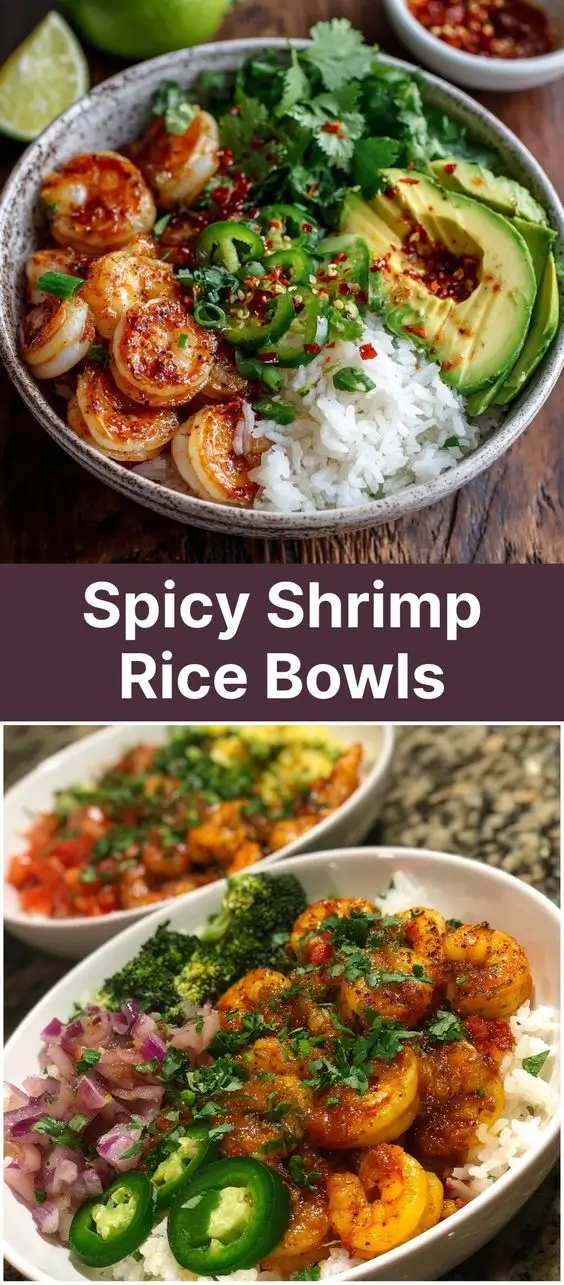
Spicy Shrimp Rice Bowls: A Flavorful, Zesty Delight for Any Time of Day
The History of Spicy Shrimp Rice Bowls
The concept of rice bowls has deep roots in Asian culinary traditions, particularly in countries like Japan, Korea, and Thailand, where a bowl of steamed rice serves as the base for a variety of proteins, vegetables, and sauces. The modern “rice bowl” trend gained popularity globally through fast-casual dining chains that emphasized customizable meals with bold flavors and fresh ingredients. Spicy shrimp rice bowls, while not tied to one specific cultural origin, are a fusion creation born from the growing love for spicy seafood dishes and healthy, balanced meals.
Shrimp itself has been a staple protein in coastal regions worldwide for centuries, prized for its delicate texture and ability to absorb bold seasonings. In recent decades, American and international palates have developed a strong preference for heat-infused dishes—thanks in part to the global rise of hot sauces, chili pastes, and spicy condiments. Combining succulent shrimp with a fiery seasoning blend, served over fluffy rice and vibrant toppings, makes the spicy shrimp rice bowl a perfect representation of contemporary comfort food: satisfying, nutritious, and packed with flavor.
This dish also reflects the evolution of home cooking in the 21st century—where accessibility to global ingredients, online recipes, and multicultural influences encourage adventurous home chefs to experiment with textures, spices, and presentation. Whether inspired by Korean gochujang, Thai sriracha-lime profiles, or Cajun-style creole seasoning, spicy shrimp rice bowls are endlessly adaptable and continue to evolve across kitchens around the world.
Ingredients Breakdown: What Makes This Bowl Shine
The magic of a great spicy shrimp rice bowl lies in the harmony between its components. Each ingredient plays a vital role—from the tender, marinated shrimp to the aromatic rice and colorful vegetable garnishes. Here’s a detailed look at what goes into crafting this delicious meal:
- Shrimp (Peeled and Deveined): Fresh or frozen medium to large shrimp work best. They cook quickly, absorb flavors beautifully, and provide lean protein. Opt for wild-caught when possible for sustainability and superior taste.
- Rice (White, Brown, or Cauliflower): Long-grain white rice like jasmine or basmati offers a fragrant, fluffy base. For a healthier twist, brown rice adds fiber and nuttiness, while cauliflower rice keeps it low-carb and keto-friendly.
- Chili Sauce or Paste: Sriracha is a popular choice for its garlicky heat, but you can also use gochujang (Korean fermented chili paste), sambal oelek, harissa, or even chipotle in adobo for smoky spice.
- Garlic and Ginger: Freshly minced garlic and grated ginger form the aromatic foundation, enhancing both the shrimp and sauce with warmth and depth.
- Soy Sauce or Tamari: Adds umami and saltiness. Use tamari for a gluten-free alternative.
- Honey or Maple Syrup: A touch of sweetness balances the heat and creates a glossy glaze on the shrimp.
- Lime Juice: Brightens the entire dish, cutting through richness and adding freshness.
- Olive Oil or Avocado Oil: Used for sautéing the shrimp without burning the spices. High smoke point oils are ideal.
- Vegetables (Optional but Recommended): Sliced bell peppers, shredded carrots, cucumber ribbons, edamame, or sautéed spinach add color, crunch, and nutrition.
- Toppings: Green onions, sesame seeds, chopped cilantro, avocado slices, pickled red onions, or kimchi elevate texture and flavor complexity.
- Extra Garnishes: A drizzle of extra sriracha, chili oil, or a dollop of Greek yogurt or sour cream can tame the heat if desired.
Step-by-Step Recipe: How to Make Spicy Shrimp Rice Bowls at Home
- Prepare the Rice: Rinse 1 cup of rice under cold water until the water runs clear. In a saucepan, combine the rice with 2 cups of water (or broth for extra flavor). Bring to a boil, then reduce to a simmer, cover, and cook for 15–18 minutes (white rice) or 30–40 minutes (brown rice). Remove from heat and let sit, covered, for 10 minutes. Fluff with a fork before serving.
- Make the Spicy Shrimp Marinade/Sauce: In a small bowl, whisk together 3 tablespoons sriracha, 2 tablespoons soy sauce, 1 tablespoon honey, 1 tablespoon lime juice, 2 teaspoons grated ginger, and 2 cloves minced garlic. Adjust quantities to your preferred spice level.
- Marinate the Shrimp (Optional but Recommended): Toss 1 pound of peeled and deveined shrimp with half of the sauce. Let sit for 15–20 minutes in the refrigerator to absorb flavors. (Don’t marinate longer than 30 minutes due to the acidity.)
- Cook the Shrimp: Heat 1–2 tablespoons of oil in a large skillet over medium-high heat. Add the shrimp in a single layer and cook for 1–2 minutes per side, until opaque and pink. Pour the remaining sauce over the shrimp during the last minute of cooking to create a sticky glaze. Remove from heat immediately to avoid overcooking.
- Prep the Vegetables: While the rice and shrimp cook, slice or shred your choice of vegetables. Consider quick-pickling red onions in lime juice for 10 minutes for a tangy bite.
- Assemble the Bowls: Divide the cooked rice among four bowls. Top each with a portion of spicy shrimp, followed by an assortment of fresh or sautéed vegetables.
- Garnish Generously: Sprinkle with sliced green onions, sesame seeds, cilantro, and avocado slices. Add a final squeeze of lime juice and optional extra drizzle of chili sauce.
- Serve Immediately: Enjoy while warm for the best texture and flavor integration.
Tips for Perfect Spicy Shrimp Rice Bowls Every Time
- Don’t Overcook the Shrimp: Shrimp cooks very quickly—usually 2–3 minutes total. Overcooking leads to rubbery texture. Remove them from the pan as soon as they turn pink and curl into a “C” shape.
- Bloom the Spices: For deeper flavor, briefly sauté garlic and ginger in oil before adding the sauce and shrimp. Be careful not to burn them.
- Use Cold Cooked Rice for Stir-Fry Style Bowls: If you’re making a stir-fried version, day-old rice works better than freshly cooked rice, which can be too moist.
- Double the Sauce: Make extra sauce and store it in the fridge for up to a week—it’s great on chicken, tofu, or noodles.
- Balance the Heat: Serve with cooling sides like cucumber salad, plain yogurt, or a simple slaw to offset the spiciness.
- Batch Cook for Meal Prep: Cook rice and sauce ahead of time. Store components separately and assemble bowls throughout the week for quick lunches.
- Add Crunch: Top with crushed peanuts, crispy fried onions, or wonton strips for extra texture contrast.
- Control Sodium: Use low-sodium soy sauce or coconut aminos to keep the dish heart-healthy without sacrificing flavor.
Variations and Customizations: Make It Your Own
One of the greatest strengths of spicy shrimp rice bowls is their versatility. Here are some creative ways to customize the dish based on dietary needs, flavor preferences, or available ingredients:
Dietary Adaptations:
- Keto/Low-Carb: Replace rice with cauliflower rice or shirataki noodles. Increase healthy fats with avocado and olive oil.
- Gluten-Free: Use tamari instead of soy sauce and ensure all other ingredients (like chili paste) are certified gluten-free.
- Paleo: Skip honey and use a natural sweetener like date syrup or omit sugar entirely. Serve with roasted sweet potatoes instead of rice.
- Vegan/Vegetarian Option: Swap shrimp for marinated tofu, tempeh, or chickpeas. Use maple syrup instead of honey and adjust spices accordingly.
Global Flavor Twists:
- Korean-Inspired: Use gochujang as the base, add kimchi on top, and sprinkle with toasted sesame seeds and nori flakes.
- Thai-Style: Incorporate red curry paste, coconut milk, and fish sauce into the sauce. Garnish with Thai basil and crushed peanuts.
- Mexican Fusion: Use chipotle peppers in adobo, cumin, and lime. Top with pico de gallo, black beans, and corn.
- Cajun Creole: Season shrimp with paprika, cayenne, garlic powder, and thyme. Serve over dirty rice with bell peppers and onions.
- Caribbean Vibes: Add allspice, scotch bonnet pepper, and mango salsa for a tropical, spicy-sweet kick.
Protein Swaps:
While shrimp is the star, feel free to try this bowl with grilled chicken, seared scallops, flaked salmon, or even spicy turkey crumbles for variation.
Health Considerations and Nutritional Value
Spicy shrimp rice bowls can be a well-balanced meal when prepared thoughtfully. Here’s a breakdown of the nutritional benefits and considerations:
Nutritional Highlights:
- High-Quality Protein: Shrimp is rich in lean protein (about 20g per 3 oz serving) and contains essential amino acids important for muscle repair and satiety.
- Low in Calories: Shrimp is naturally low in fat and calories, making it ideal for weight-conscious diets.
- Rich in Selenium and Vitamin B12: These nutrients support immune function and energy metabolism.
- Omega-3 Fatty Acids: Shrimp contains small amounts of heart-healthy omega-3s, though less than fatty fish like salmon.
- Fiber (with Brown Rice or Veggies): Using brown rice or adding plenty of vegetables boosts dietary fiber, aiding digestion and blood sugar control.
- Antioxidants from Spices: Chili peppers contain capsaicin, which may boost metabolism and has anti-inflammatory properties.
Considerations:
- Sodium Content: Soy sauce and pre-made chili sauces can be high in sodium. Opt for reduced-sodium versions or make your own sauce blend.
- Cholesterol: Shrimp contains dietary cholesterol, but current research suggests it has minimal impact on blood cholesterol for most people.
- Allergies: Shellfish allergy is common—always label dishes accordingly when serving others.
- Mercury Levels: Shrimp is low on the mercury scale, making it a safe seafood choice for children and pregnant women (in moderation).
Estimated Nutrition Per Serving (with white rice and full sauce):
- Calories: ~450–550
- Protein: ~30g
- Carbohydrates: ~60g (lower with brown or cauliflower rice)
- Fat: ~12g (mostly unsaturated)
- Fiber: ~3–5g (depending on rice and veggies)
- Sodium: ~800–1200mg (adjustable)
Full Ingredients List
- 1 lb (450g) raw shrimp, peeled and deveined
- 1 cup uncooked rice (jasmine, basmati, brown, or cauliflower)
- 2 cups water or broth (for cooking rice)
- 3 tbsp sriracha (adjust to taste)
- 2 tbsp soy sauce (or tamari for gluten-free)
- 1 tbsp honey (or maple syrup)
- 1 tbsp fresh lime juice
- 2 cloves garlic, minced
- 1 tsp fresh ginger, grated
- 1–2 tbsp olive oil or avocado oil
- 1 cup shredded carrots
- 1 bell pepper, thinly sliced
- 1 avocado, sliced
- ¼ cup green onions, sliced
- 1 tbsp sesame seeds
- Handful of cilantro, chopped
- Lime wedges, for serving
- Optional: pickled red onions, kimchi, edamame, or sauerkraut
Directions
- In a saucepan, bring 2 cups of water or broth to a boil. Add rice, reduce heat to low, cover, and simmer until liquid is absorbed (15 min for white rice, 30–40 min for brown). Remove from heat, let stand 10 minutes, then fluff with a fork.
- While rice cooks, prepare the sauce: In a bowl, whisk together sriracha, soy sauce, honey, lime juice, garlic, and ginger.
- Reserve 2 tablespoons of sauce for drizzling later. Toss shrimp with the remaining sauce and marinate for 15–20 minutes.
- Heat oil in a large skillet over medium-high heat. Add shrimp in a single layer and cook 1–2 minutes per side until pink and opaque. Pour reserved sauce over shrimp and stir for 30 seconds to glaze. Remove from heat.
- Prepare vegetables: slice, shred, or quick-pickle as desired.
- To assemble: divide rice among four bowls. Top each with shrimp, vegetables, avocado, green onions, sesame seeds, and cilantro.
- Drizzle with extra sauce, add lime wedges, and serve immediately.
FAQ: Frequently Asked Questions About Spicy Shrimp Rice Bowls
Can I use frozen shrimp?
Yes, absolutely! Just make sure to thaw them completely in the refrigerator overnight or under cold running water. Pat dry before cooking to ensure proper searing.
How do I prevent the sauce from being too spicy?
Start with less sriracha (1–2 tablespoons) and add more after tasting. You can also balance heat with extra honey, lime juice, or a dollop of plain yogurt on top.
Can I make this ahead of time?
Yes! Cook rice and sauce in advance. Store separately in airtight containers. Cook shrimp fresh when ready to eat for best texture, but you can prep everything except the final assembly up to 3 days ahead.
Is this recipe freezer-friendly?
The cooked shrimp doesn’t freeze well due to texture changes. However, you can freeze the sauce for up to 3 months. Cooked rice freezes well for up to 2 months—just reheat with a splash of water.
Can I grill the shrimp instead?
Definitely! Skewer the marinated shrimp and grill over medium-high heat for 2–3 minutes per side. Adds a smoky dimension.
What can I use instead of rice?
Try quinoa, couscous, zucchini noodles, or a bed of mixed greens for a grain-free option.
Are spicy shrimp bowls safe during pregnancy?
Yes, as long as the shrimp is fully cooked and sourced responsibly. Shrimp is low in mercury and safe in moderation (2–3 servings per week).
How do I store leftovers?
Store in an airtight container in the refrigerator for up to 2 days. Reheat gently in a skillet or microwave, adding a splash of water to revive moisture.
Summary
Spicy shrimp rice bowls are a vibrant, customizable meal that combines succulent shrimp, bold spicy-sweet sauce, and wholesome grains with fresh toppings for a restaurant-quality dish at home. Packed with flavor, protein, and endless variations, this bowl is perfect for weeknight dinners, meal prep, or impressing guests.